Author: Usama Team

  • Preventing Corn Silage Spoilage: Expert Tips and Techniques

    Preventing Corn Silage Spoilage: Expert Tips and Techniques

    Corn silage is important for feeding cows on farms, especially dairy cows. But it can go not good if we don’t care for it properly when we harvest, store, and feed it to the cows. In this article, we’ll learn why Corn silage spoilage, how to tell if it’s gone bad, what happens to the cows when they eat spoiled hay, and some helpful ways to stop it from spoiling.

    Importance of Corn Silage as Livestock Feed

    Corn silage is highly valued as a feed source due to its high energy content and palatability. It is an essential component of dairy cow rations, providing the necessary energy for milk production. It is also used for beef cattle and other ruminant animals, contributing to their growth and overall health. However, if corn silage is not properly managed, it can undergo spoilage, leading to significant losses in nutritional value and potential health risks for livestock.
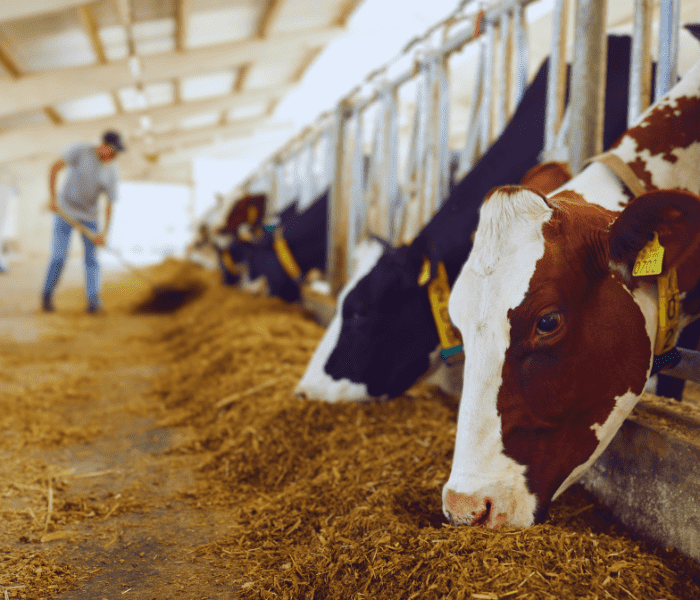
    Enhancing Corn Silage Quality: Additives and Spoilage Prevention

    AdditiveFunctionBenefits
    InoculantsPromote fermentationFaster and efficient fermentation
    AcidifiersLower pHInhibit spoilage microorganisms
    AntioxidantsPrevent oxidationRetain nutrients, reduce nutrient loss
    PreservativesInhibit spoilageProlong storage life, reduce spoilage
    AbsorbentsAbsorb moisturePrevent mold growth, improve stability
    Oxygen barrier filmsMinimize oxygen exposureReduce aerobic deterioration
    Biological additivesEnhance fermentationImprove silage quality, reduce losses

    Top Strategies for Preventing Corn Silage Spoilage

    Harvesting at the Right

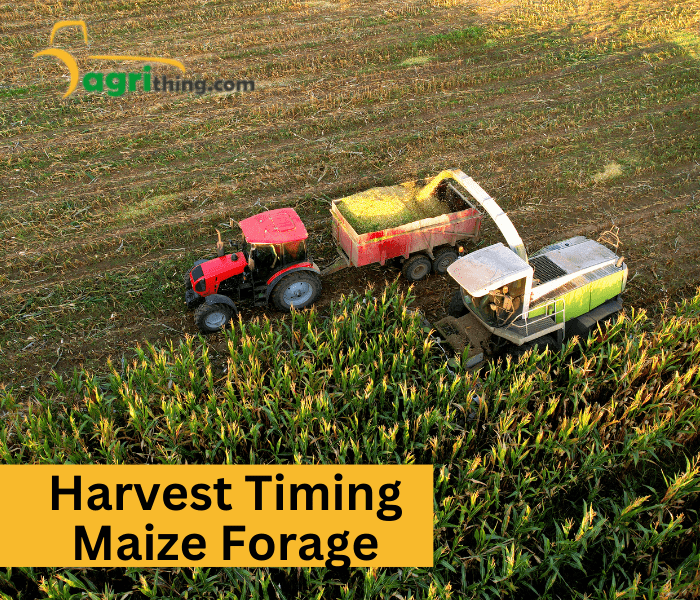
    Harvesting corn at the right stage of maturity. If we wait too long, the moisture content can be too high, leading to spoilage. Harvesting at the ideal moisture level helps maintain the quality of the hay.

    Proper Packing and Sealing

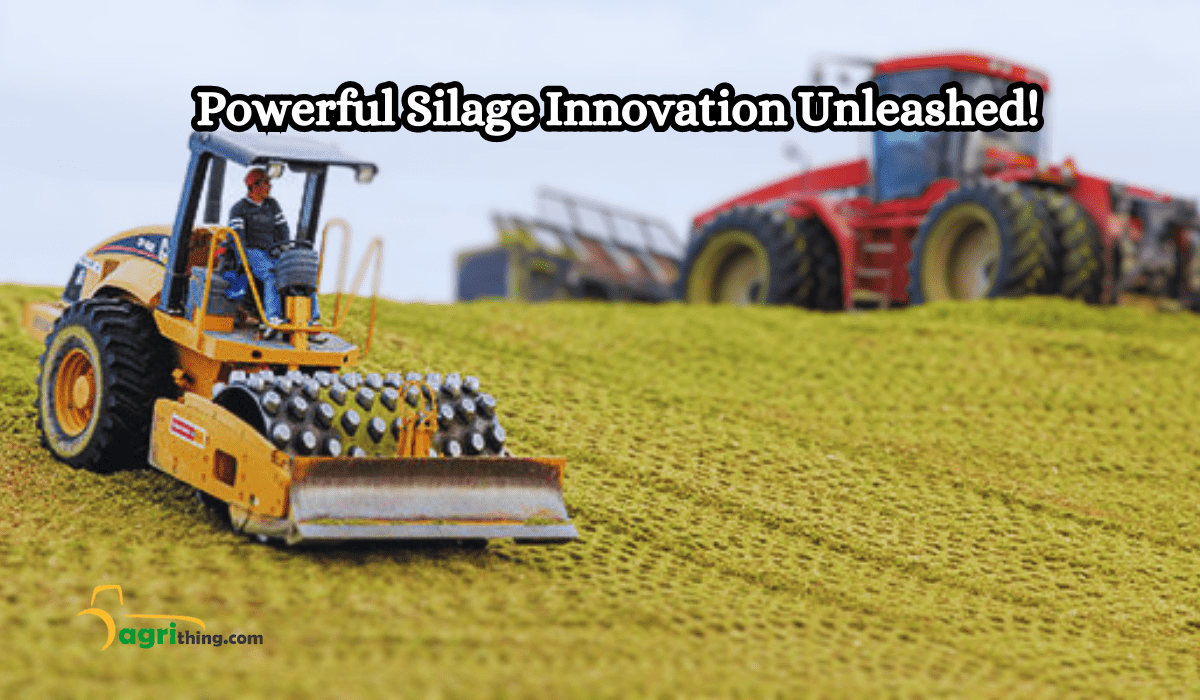
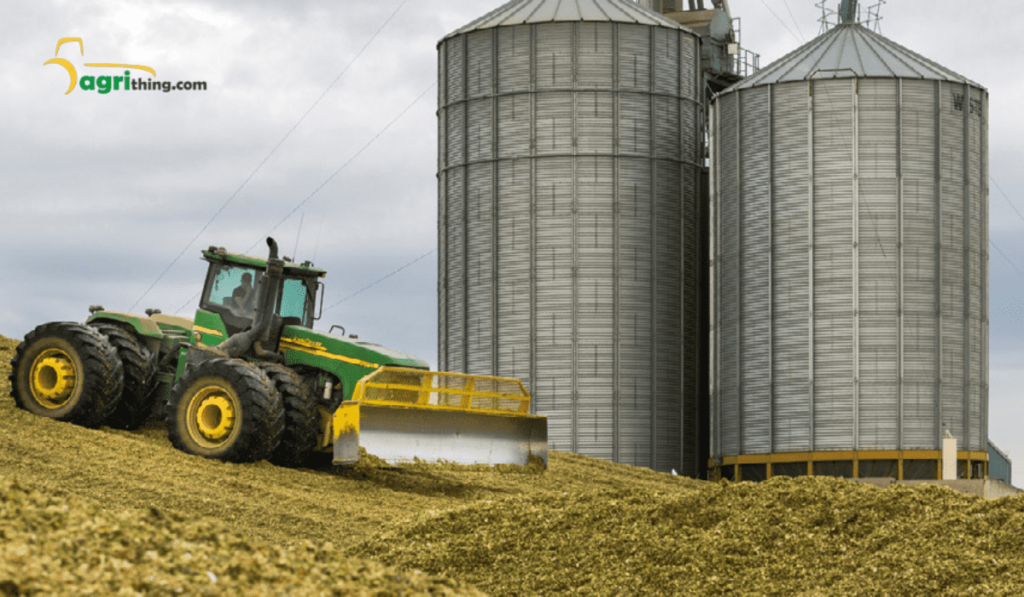
    When storing corn silage, we need to pack it tightly and seal it well. This reduces the exposure to oxygen, which can cause spoilage. Special equipment like a silage compactor helps create compact and airtight storage.

    Adequate Fermentation

    Managing the fermentation process is key. We must ensure the corn silage ferments properly by maintaining the right temperature and moisture levels. This creates an environment that
    helps preserve the nutrients and prevent spoilage.

    Regular Monitoring

    Regularly checking the stored silage is crucial. We should look for signs of spoilage, such as mold growth or bad odors. If we spot any issues, we can immediately prevent further spoilage.

    Using Silage Additives

    Sometimes, adding special substances called silage additives can help prevent spoilage. These additives contain helpful bacteria that promote good fermentation and inhibit the growth of spoilage organisms.

    Factors Leading to Corn Silage Spoilage

    Several factors contribute to corn silage spoilage. Understanding these factors is crucial for preventing and managing spoilage effectively.

    1. Moisture Content: The moisture content of corn silage plays a critical role in determining its stability during storage. Silage with high moisture levels promotes the growth of spoilage organisms such as molds and yeasts. On the other hand, excessively dry silage can result in poor fermentation and nutrient losses.
    2. Oxygen Exposure: Oxygen exposure is another significant factor that can lead to corn silage spoilage. Oxygen promotes the growth of aerobic spoilage organisms, which can cause heating and deterioration of the silage. Proper packing and sealing of silage storage structures are essential to minimize oxygen ingress.
    3. Fermentation Process: The fermentation process itself can contribute to spoilage if not adequately managed. Insufficient fermentation can result in high pH levels, allowing spoilage organisms to thrive. On the other hand, excessive fermentation can lead to the production of undesirable compounds, affecting the palatability and nutritional quality of the silage.

    Common Types of Corn Silage Spoilage

    Several types of spoilage can occur in corn silage, and it is essential to recognize and address them promptly.

    Mold Growth

    Mold growth is a prevalent type of corn silage spoilage. Mold colonies can develop on the surface of silage and release harmful mycotoxins that pose health risks to livestock. Moldy silage is characterized by visible mold patches, often appearing green, white, or black, and musty odors.

    Yeast Fermentation

    Yeast fermentation is another form of corn silage spoilage. Yeasts are aerobic organisms that can grow in the presence of oxygen. They can cause excessive heating, leading to nutrient losses and reduced palatability. Yeast-fermented hay may have a sweet or alcoholic odor.

    Heating

    Heating is a sign of spoilage caused by microbial activity. It occurs when aerobic organisms consume oxygen, releasing heat as a byproduct. Heating can lead to nutrient degradation, reduced feed intake, and increased risk of mycotoxin production.

    Identifying Spoiled Corn Silage

    It is crucial to identify spoiled corn silage to prevent its negative impact on livestock health and performance. The following indicators can help in recognizing spoiled silage

    Visual Indicators

    Visually inspect the hay for any visible signs of spoilage. Look for mold growth, off-color patches, clumps, or other abnormal appearances. Pay attention to the surface and the deeper layers of the hay.

    Smell and Texture

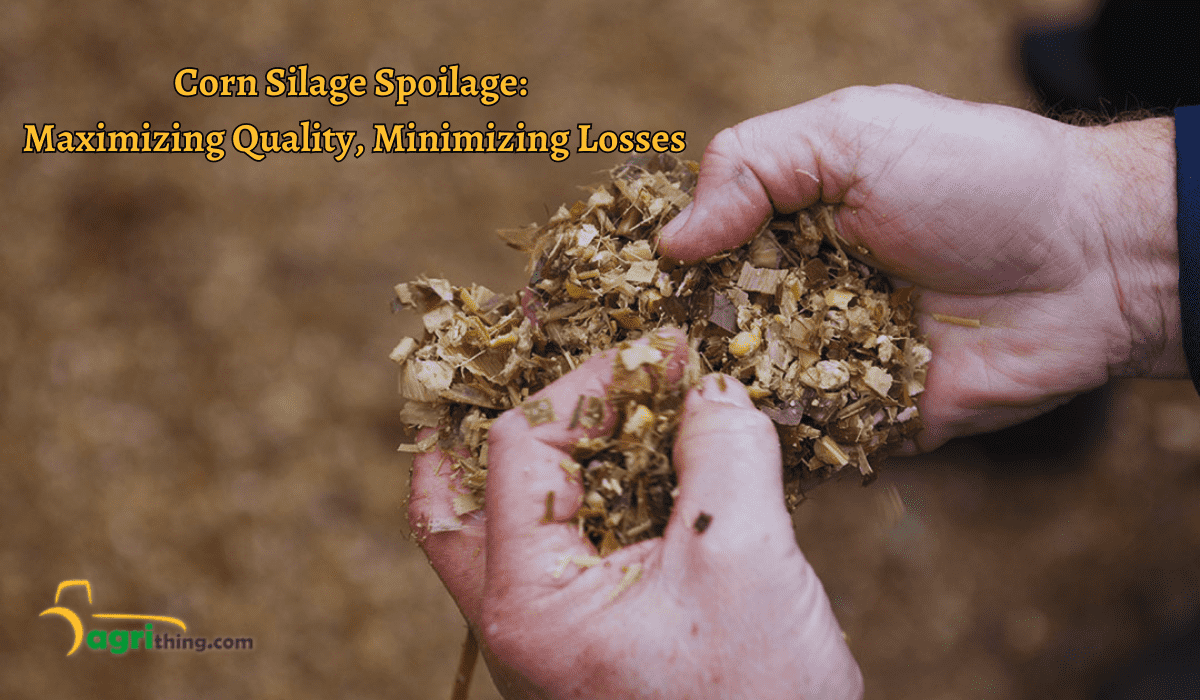
    Spoiled corn silage often has distinct odors and textures. Moldy hay may have a musty or earthy smell, while yeast-fermented silage can have a sweet or alcoholic odor. The texture may be slimy or overly dry, indicating spoilage.

    Effects of Spoiled Corn Silage on Livestock

    When corn silage goes bad, it can cause many problems for the farm animals. Knowing these effects is important to take care of them and keep them safe.

    1. Less Nutrition: Hay that has gone bad has fewer good nutrients than fresh silage. When bad stuff grows in it, the nutrients get lost, making the animals unhealthy. They might need to get everything necessary to grow and be strong.
    2. The trouble with Digestion: Eating spoiled corn silage can make the animals to have tummy troubles. The mold that grows on bad silage can make it hard for them to digest and get the good stuff out of their food. This can weaken them, grow slowly, and even get sick more easily.
    3. More Risk of Getting Sick: Bad silage can also make the animals more likely to get sick. The moldy hay can have a harmful substance called mycotoxins that can hurt the liver, immune system, and other body parts. This can make them feel bad and not be as healthy as they should be.
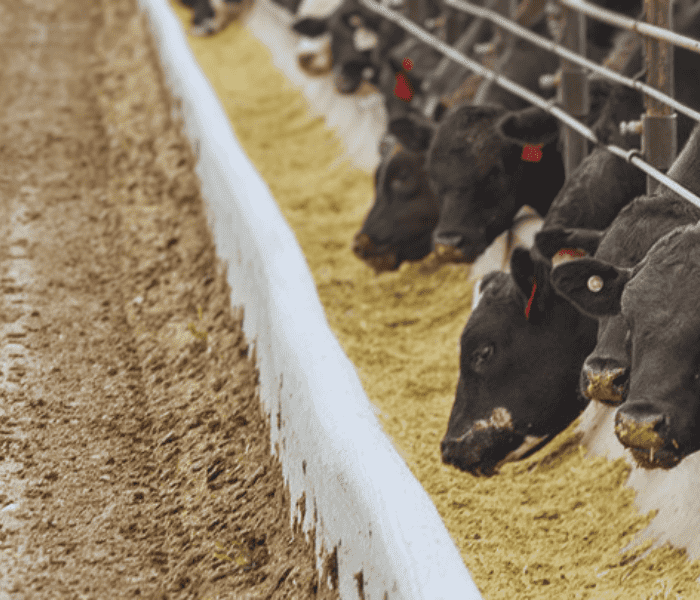
    Preventive Measures for Corn Silage Spoilage

    Preventing corn silage spoilage begins with implementing proper practices during the harvesting, storage, and feeding processes.

    Optimal Moisture Content

    Monitor the moisture content of corn forage during the ensiling process. Aim for a moisture content between 60% and 70% to ensure optimal fermentation and minimize the risk of mold and yeast growth.

    Proper Packing and Sealing

    Pack the harvested corn silage tightly into storage structures to eliminate air pockets and reduce oxygen ingress. Use suitable packing equipment and techniques to achieve high-density packing. Seal the silo properly to minimize air exposure. Regularly inspect silage storage structures for any signs of damage or air leakage. Repair and maintain the silo to ensure airtight conditions. Implement proper feed-out procedures to minimize oxygen exposure during silage removal.

    Managing Spoiled Corn Silage

    Despite preventive measures, some degree of spoilage may still occur. Managing spoiled corn silage effectively is crucial to minimize losses and potential risks to livestock.

    Assessing the Extent of Spoilage

    Regularly monitor the quality of stored silage to identify any signs of spoilage. Assess the extent of spoilage by visually inspecting the silage and conducting laboratory tests to analyze key parameters such as pH, dry matter content, and mycotoxin levels.

    Removing and Reusing Unaffected Portions

    If only a portion of the silage is spoiled, remove the affected sections carefully. Take extra precautions to prevent cross-contamination with unaffected silage. The unaffected portions can be used for feeding, while spoiled silage should be appropriately disposed of.

    Proper Disposal of Spoiled Silage

    Spoiled corn silage should be disposed of properly to avoid environmental contamination and potential health hazards. Composting can be a suitable option for managing spoiled silage. Follow local regulations and guidelines for safe disposal.

    Mitigating Corn Silage Spoilage: Monitoring and Solutions

    AspectMonitoring MethodsSolutions
    Moisture contentRegular moisture testingAdjust harvest timing, improve packing density
    TemperatureThermometer monitoringEnsure proper compaction, monitor storage temperature
    pH levelpH testingAdd acidifiers if necessary, improve fermentation
    Oxygen exposureOxygen barrier filmsUse airtight storage, minimize oxygen ingress
    Presence of moldsVisual inspection, lab analysisImprove packing density, use mold inhibitors
    Nutrient preservationNutrient preservationOptimize fermentation, prevent nutrient loss

    Best Practices for Corn Silage Storage

    Proper storage practices are crucial for maintaining the quality and stability of corn silage.

    Covering and Sealing Silos

    Cover silos with appropriate oxygen barrier films to minimize oxygen exposure. Use high-quality silage covers that fit tightly and prevent air ingress. Regularly inspect and repair covers to ensure their effectiveness.

    Using Oxygen Barrier Films

    Consider using oxygen barrier films or oxygen-limiting technologies to further reduce oxygen exposure. These films create a barrier against oxygen ingress, enhancing the stability and longevity of the stored silage.

    Controlling Rodent and Bird Infestations

    Rodents and birds can damage silage covers and introduce contaminants. Implement effective measures to control rodent and bird populations around storage structures. Regularly inspect and repair any damage to prevent air leakage and spoilage

    Alternative Options for Corn Silage Spoilage

    When corn silage has spoiled to an extent that makes it unsuitable for feeding, alternative options can be considered.

    Composting

    Spoiled silage can be composted to convert it into organic fertilizer. Proper composting processes should be followed to ensure complete decomposition and eliminate any potential pathogens or toxins.

    Feeding to Non-lactating Animals

    If the spoiled silage is deemed safe for consumption by non-lactating animals, it can be used as a feed source for them. However, careful monitoring of animal health and performance should be conducted to ensure no adverse effects occur.

    Conclusion

    Preventing and managing Corn silage spoilage is crucial for maintaining the quality and safety of livestock feed. Farmers can reduce the risk of spoilage by using proper harvesting techniques, controlling moisture levels, packing and sealing effectively, and regularly monitoring the silage. It’s important to identify spoilage in corn silage, assess its impact, and dispose of it correctly to protect the health and productivity of the herd. Prioritize safety when handling spoiled corn silage to ensure the well-being of both humans and animals.

    Frequently Asked Questions (FAQ’s)

    Can spoiled corn silage be salvaged and used for feeding?

    If only a small portion of the silage is spoiled and the nutritional quality is still acceptable, it can be used for feeding non-lactating animals. However, careful monitoring of animal health is necessary to ensure no adverse effects occur.

    How can I prevent mold growth in corn silage?

    Properly packing and sealing the silage, optimizing moisture content, and reducing oxygen exposure are key measures to prevent mold growth in corn silage. Regular monitoring and quick identification of any signs of spoilage are also crucial.

    What are the signs of heating in corn silage?

    Heating in corn silage is often accompanied by an increase in temperature. It can be detected by feeling the silage for warmth or by using temperature probes. Heating may also result in a sweet or musty odor.

    How often should I sample and test my corn silage?

    Sampling and testing should be conducted regularly throughout the storage period. It is recommended to sample every few weeks initially and then adjust the frequency based on the stability and previous testing results.

    Can spoiled corn silage be used as fertilizer?

    Yes, spoiled corn silage can be composted and used as organic fertilizer. Proper composting techniques should be followed to ensure complete decomposition and eliminate any potential pathogens or toxins.

    Want to purchase top-quality corn silage. Visit our Agricomplex website. Easy and help full in formation just for you!

    People Also Asked

    How does corn silage spoilage occur?

    Corn silage spoils when certain microorganisms, like molds and yeasts, grow and eat the nutrients. This causes the loss of nutrients, creates heat, and produces mold toxins. Improper packing, too much moisture, exposure to oxygen, and insufficient fermentation can all spoil it.

    What are the signs of corn silage spoilage?

    When corn silage spoils, there are some signs to watch out for. These include a bad smell, mold growth, heating, a slimy texture, too much liquid, and color changes.

    How can I prevent corn silage spoilage?

    Prevent corn silage spoilage by tightly packing and sealing, using additives, controlling temperature, employing oxygen barrier films, regular inspection, and maintaining hygiene.

    What is the impact of corn silage spoilage on livestock?

    Spoiled corn silage harms livestock. It makes them eat less, reduces how well they use nutrients and lowers their performance. If the spoiled silage contains mycotoxins, it can cause health issues and weaken their immune system.

    Can spoiled corn silage be used for any purpose?

    Spoiled corn silage has limited purposes. It can be used as compost or added to the soil in specific situations. However, feeding it directly to livestock is not advisable because it has fewer nutrients, may contain mycotoxins, and isn’t appetizing to them.
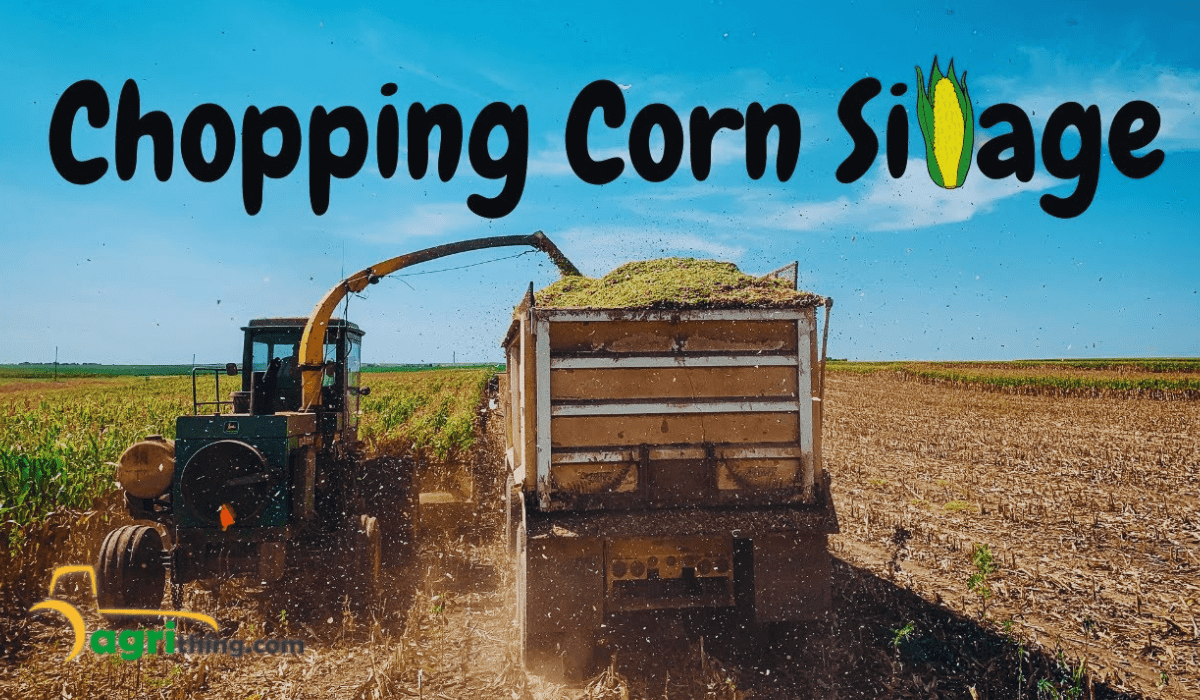
  • Optimizing Silage Corn Chopping: Best Practices

    Optimizing Silage Corn Chopping: Best Practices

    Silage Corn is a valuable feed source for livestock farmers, providing essential nutrients for optimal animal health and performance. Optimizing the corn-chopping process is crucial to ensure the highest quality of hay. This article explores the best practices for Optimizing corn silage to maximize feed quality and animal productivity.

    The Importance of Silage Corn Chopping

    Proper chopping of silage corn is essential for breaking down plant materials into digestible forms and promoting efficient fermentation. Chopping affects particle size, fibred digestibility, and overall nutrient availability.

    Factors Affecting Silage Quality

    Several factors can influence the quality of corn silage.

    Moisture Content

    Water content in the forage is crucial for producing high-quality hay. It must be at the appropriate level to ensure proper fermentation and prevent spoilage. If the forage is too dry, it will not ferment effectively. Conversely, excessive moisture can lead to poor fermentation and mold growth.

    Kernel Processing

    In the case of silage corn, breaking or crushing the kernels during chopping is beneficial. This process enhances silage quality by releasing the starch inside the kernels, making it easier for animals to digest.

    Chop Length

    The length of the chopped forage is an important consideration. It should be cut into pieces of the appropriate size to ensure proper compaction and minimize the presence of air. This facilitates the fermentation process and preserves the nutrient content of the hay. Typically, forage pieces around 0.5 to 1.0 inches (1.3 to 2.5 cm) long are recommended.

    Packing Density

    Achieving a tightly packed forage is vital for optimal silage quality. Adequate compaction eliminates air and creates a favourable environment for beneficial bacteria growth. This aids in the fermentation process and helps retain the nutrient value of the hay. If the forage is not packed tightly enough, it may spoil and experience nutrient loss.

    Benefits of Optimizing Silage Corn Chopping

    More Nutrients for Animals:

    Cutting the corn to the right length makes it easier for animals to digest and utilize the nutrients in the hay. This improves animal health and performance.

    Better Quality Feed:

    Overall silage quality improves when we cut the corn to the correct length, control the moisture, and process the kernels properly. It ferments well, resists spoilage, and retains more nutrients for the animals to consume.

    Efficient Feed Utilization:

    Properly chopping and processing corn helps animals utilize feed more efficiently. They extract more nutrition from their diet, which reduces feed costs and promotes better growth and productivity.

    Reduced Feed Waste:

    Feed waste is minimized by cutting the corn to the appropriate length and tightly packing it. Animals engage in less sorting of the feed, resulting in decreased waste. This saves money and optimizes hay utilization.

    Cost Savings:

    We can save costs by monitoring moisture levels and employing suitable equipment. This reduces expenses and ensures the proper functioning of our equipment.

    Enhanced Animal Health:

    Optimizing silage corn chopping improves animal feed quality. They experience better health, reduced susceptibility to diseases, and increased reproductive success—the entire herd benefits from improved well-being.

    Time Efficiency:

    Following correct chopping practices enhances work efficiency and saves time. Tasks can be performed more effectively, enabling optimal utilization of time and resources

    Troubleshooting Silage Fermentation Issues: Expert Advice

    When it comes to troubleshooting silage fermentation issues, several common problems can arise. Here is some expert advice on how to address these issues.

    Step 1: Evaluate packing density

    1. Ensure the silage is packed tightly to remove excess air.
    2. Use heavy machinery or add additional layers of forage to increase packing density.
    3. Insufficient packing can lead to poor fermentation.

    Step 2: Check moisture levels

    1. Verify that the forage has the appropriate moisture content for ensiling.
    2. If the forage is too dry, add water during the ensiling process.
    3. Consider using a dry matter additive to improve fermentation if it is too wet.

    Step 3: Adjust chop length

    1. Ensure the forage is chopped to an appropriate length for effective fermentation.
    2. Longer chop lengths can hinder fermentation.
    3. Make adjustments as necessary to optimize chop length.

    Step 4: Assess wilting time

    1. Check if the forage has been wilted adequately before ensiling.
    2. Inadequate wilting can result in a higher pH.
    3. Allow sufficient time for wilting to remove excess moisture.

    Step 5: Add fermentation aid

    1. Consider using a bacterial inoculant or acid-based additive to improve fermentation.
    2. These additives can help lower pH levels and enhance the fermentation process.

    Step 6: Check moisture content again

    1. Excessive moisture can lead to mold growth and heating.
    2. Reassess the moisture content of the forage and make adjustments if necessary.

    Step 7: Improve compaction

    1. Ensure proper compaction during the ensiling process.
    2. Poor compaction can create air pockets that promote mold growth.
    3. Pack the silage tightly and eliminate any gaps or voids.

    Step 8: Use an effective inoculant

    1. Select a bacterial inoculant with anti-fungal properties to inhibit mold growth.
    2. A suitable inoculant can help prevent the development of mold during fermentation.

    Step 9: Check for air exposure during feed-out

    1. Offensive odors can indicate aerobic spoilage caused by oxygen exposure.
    2. Ensure proper sealing of the hay and use oxygen barrier films.
    3. Inspect the covering for any damage or punctures that may allow air to enter.

    Step 10: Monitor feed-out practices

    1. Avoid excessive exposure to air during feed-out.
    2. Remove spoiled or heated hay before feeding.
    3. Proper feed-out management helps maintain palatability.

    Choosing the Right Machine for Silage Corn Chopping

    Match machine capacity to your expected silage corn volume.

    Capacity

    Determine the amount of silage corn you need to process within a given time frame. Choose a machine with an appropriate capacity to meet your requirements.

    Cutting mechanism

    Silage corn choppers typically use either drum or disc-cutting mechanisms. Drum choppers are better suited for coarse chopping, while disc choppers provide finer cutting.

    Durability and maintenance

    Look for a machine with a robust design and high-quality construction. Consider the availability of spare parts and the manufacturer’s reputation for after-sales support. Additionally, choose a machine that is easy to maintain.

    Feeding and discharge systems

    Evaluate the efficiency and effectiveness of the machine’s feeding and discharge mechanisms. Ensure that the feeding system can handle the volume of silage corn, and the discharge system allows for easy collection and transport of the chopped hay.

    Safety features:

    Prioritize machines with good safety features, such as guards, emergency stop buttons, and safety sensors. Ensure the machine complies with relevant safety standards and regulations to protect operators and prevent accidents.

    Budget

    Consider your budget constraints and the long-term cost of ownership. Compare prices, financing options, and the overall value different machines offer.

    Manufacturer Support:

    Do some research on the company that makes the machine. Check if they have a good reputation, good customer support, and if it’s easy to get parts and services.

    Best Practices for Optimizing Silage Corn Chopping

    Harvest Timing

    Harvesting silage corn at the ideal stage of maturity is vital for maximizing yield and nutrient content. The optimal time for chopping is typically when the corn reaches 30-35% dry matter (DM) content, ensuring proper fermentation and minimizing nutrient losses.

    Kernel Processing

    Efficient kernel processing enhances starch availability, improving energy utilization by livestock. Adequate kernel processing involves cracking or crushing the kernels to expose the endosperm without excessively damaging the cob.

    Chop Length

    Determining the optimal chop length is essential for maximizing particle size distribution and fiber digestibility. A shorter chop length improves packing density, reduces sorting, and enhances fermentation. However, excessively short chop lengths may increase power requirements and risk packing density issues.

    Adjusting Moisture Content

    Proper moisture content is crucial for successful ensiling and fermentation. Adjusting the moisture content to the target range of 60-70% helps ensure anaerobic conditions and inhibit undesirable microbial growth. Testing the moisture content using reliable methods such as the microwave or Koster tester is advisable.

    Packing and Storage

    Thorough packing and proper storage are vital for minimizing air infiltration and preserving silage quality. Adequate packing density reduces oxygen availability, preventing spoilage and maintaining feed value. Pay attention to filling rates, layer thickness, and covering silage to create an effective oxygen barrier.

    Maximizing Efficiency: Silage Corn Harvester Tips

    1. Harvest Timing: Monitor the crop closely and harvest when it reaches the appropriate maturity stage for the desired moisture content.
    2. Moisture Testing: Use a reliable moisture meter to measure the moisture levels of the harvested crop. Take multiple samples across the field to ensure accurate readings.
    3. Determine Target Moisture Content: Know the target moisture range for the specific forage type being harvested. This information helps guide adjustments and decisions during the process.

    Monitoring and Evaluating Silage Quality

    Fermentation Checking the Silage

    Checking the fermentation process helps catch problems early. We look at things like pH levels, temperature, and signs of spoilage, like mold or bad smells. This helps us see if the silage is fermenting well and if there are any issues.

    Feeding the Silage

    Feeding the silage the right way is important. We must avoid letting air in when we remove it from the silo. Keeping the silage face clean and managing how much we take out at once helps keep it fresh. We must also cover any exposed silage quickly to keep it good for feeding.

    We are checking the Nutrients.

    We need to regularly check the nutrients in the silage corn. This helps us know how much dry matter, protein, fiber, and energy it has. With this information, we can adjust the animal’s diet to ensure they get the right nutrition and do well.

    Taking Care of Equipment and Staying Safe

    Keeping the chopping equipment in good shape is important. We need to check and fix things like blades and shear bars regularly. This helps prevent problems and makes sure everything works well. We must also follow safety rules and wear protective gear while chopping the silage.

    Conclusion

    Optimizing Silage corn Chopping best it can be is important for feeding animals and helping them grow strong. There are some things farmers can do to make the hay better. They must harvest the corn at the right time, ensure it’s not too wet or too dry, and process the kernels properly. Packing it tightly and caring for it when storing it is also important. Farmers should monitor it, feed it correctly, and care for their equipment. The animals get the best food, grow well, and stay healthy when they do all these things.

    Frequently Asked Questions (FAQ’s)

    How can I determine the right moisture content for corn silage?

    Testing the moisture content using reliable methods such as a microwave or a tester is advisable. The target range for moisture content is typically 60-70%.

    What is the ideal chop length for corn silage?

    The ideal chop length for silage corn varies. Still, a shorter chop length improves packing density, reduces sorting, and enhances fermentation. However, excessively short chop lengths may increase power requirements and risk packing density issues.

    Why is kernel processing important in corn silage chopping?

    Efficient kernel processing enhances starch availability, improving energy utilization by livestock. It involves cracking or crushing the kernels to expose the endosperm without excessively damaging the cob.

    How often should I analyze the nutrient composition of corn silage?

    Regularly analyzing the nutrient composition of corn silage is recommended, especially during significant changes in growing conditions or forage sources. This allows for informed nutritional adjustments and ensures optimal animal diets.

    What are some safety precautions to consider during corn silage chopping?

    When chopping silage corn, following safety protocols and wearing appropriate personal protective equipment (PPE) is crucial. Regular equipment maintenance, inspection of critical components, and adherence to safety guidelines help prevent accidents and injuries during the chopping process.

    Want to purchase top quality corn silage. Visit our Agricomplex website. Easy and Helpful information just for you!

    People Also Asked

    What are the best practices for corn silage chopping?

    We have some important rules to follow when we chop corn for silage. We cut the corn into tiny pieces, like little bits, so it’s easy for animals to eat and their bodies can use it well. We also ensure all the pieces are the same size, so the hay is always yummy and good for the animals.

    What equipment is necessary for efficient corn silage chopping?

    Efficient corn silage chopping requires a forage harvester or chopper, a tractor with a corn header attachment, and a wagon or silage truck for transportation. Regular equipment maintenance is essential for optimal performance and quality silage production.

    How can I optimize corn silage chopping?

    1. Harvest at the right stage for optimal nutrient content.
    2. Adjust the chop length for proper compaction.
    3. Process the kernels for better digestion.
    4. Maintain equipment for efficient operation.
    5. Control moisture content to prevent spoilage.

    How does the chop length affect corn silage quality?

    Chop length affects corn silage quality. Smaller chop lengths promote better compaction and fermentation, preserving nutrients. They also improve animal digestibility, enhancing feed efficiency and overall hay quality.

    Are there any specific techniques to reduce spoilage during corn silage chopping?

    1. Adjust moisture content within the optimal range.
    2. Achieve a high packing density by compacting the forage tightly.
    3. Cover and seal the hay to create an anaerobic environment.
  • Silage Maize: The Ultimate Guide to Superior Forage

    Silage Maize: The Ultimate Guide to Superior Forage

    Sustainable farming is incredibly important in our world today. Farmers are always looking for new and better ways to take care of the environment and make the most of their resources. One technique that has become popular is using silage maize. This article will explain how Corn Silage helps with sustainable farming and why Corn silage benefits.


    What is Corn Silage?

    importance of corn silage

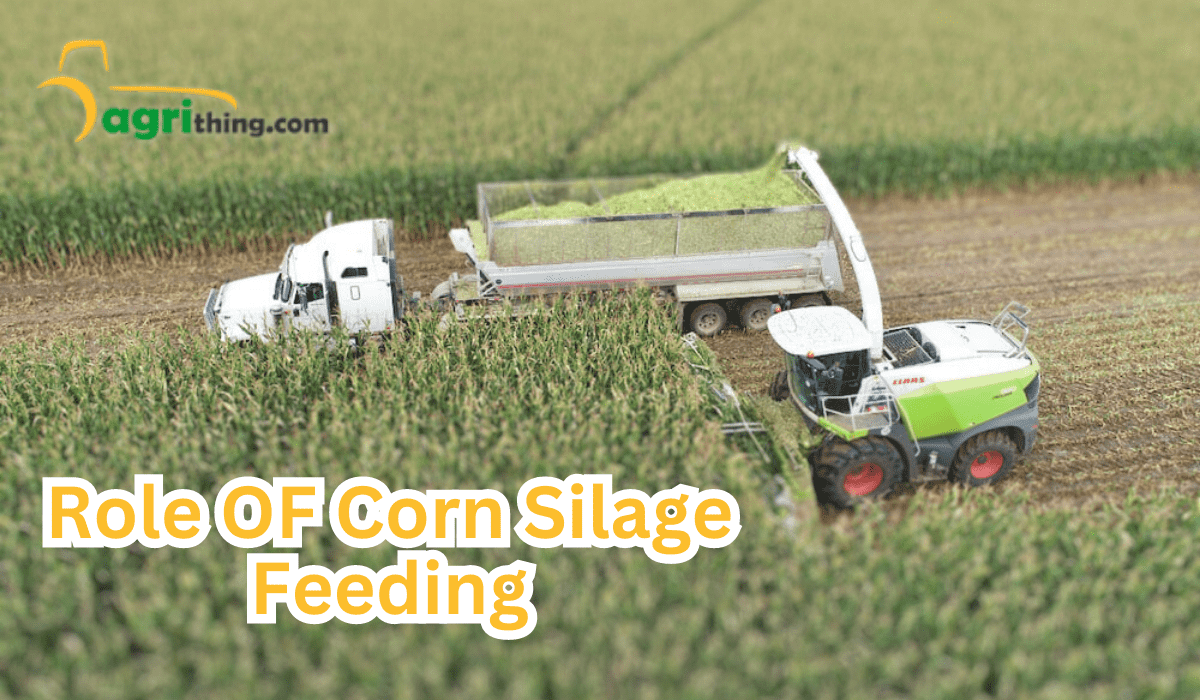
    Corn silage is made from whole corn plants that are chopped up and stored in silos. It’s a type of food that is very important for livestock, especially dairy cows and beef cattle. But corn forage is useful for more than just feeding animals.


    Importance of Sustainable Farming

    Environmental Benefits

    Sustainable farming focuses on protecting the environment. When farmers use silage maize in their practices, it has several positive effects on the environment. First, it means they don’t have to rely as much on artificial fertilizers and pesticides, which can be harmful to ecosystems. Second, it helps keep the soil in good condition by preventing erosion and increasing the amount of organic material in it. And third, it helps manage water by making the soil better at holding water and reducing runoff.

    Economic Benefits

    Using sustainable farming practices, like using silage maize, can bring significant economic advantages to farmers. Corn forage is a smart way to turn plant material into valuable animal feed, which means farmers don’t have to buy as much feed. This helps them save money and make more profit. Moreover, by taking care of the soil and reducing the need for extra resources, farmers can ensure their economic stability in the long run.

    Social Benefits

    People often forget about the social benefits of sustainable farming, but they are just as important. When farmers make silage maize, it gives them a chance to have different sources of income and make life better in rural areas. It also helps the local economy grow. Plus, when farmers use sustainable practices, they show that they care about the environment and gain respect from the community.

    Other Benefits of Silage Maize

    BenefitsDescription
    Water ConservationSilage Maize requires less irrigation compared to some other crops, reducing water usage and conserving this valuable resource.
    Carbon SequestrationCorn plants capture carbon dioxide from the atmosphere through photosynthesis, helping to mitigate climate change.
    Crop RotationIncluding silage maize in crop rotation systems improves overall soil health and reduces pest and disease pressure.
    Sustainable Feed SourceSilage Maize is a sustainable feed option as it efficiently utilizes crop residues, by-products, and marginal lands.
    Renewable ResourceSilage Maize is renewable as it is produced annually from new crops, making it a consistent and reliable feed source.
    Reduced Feed CostsUtilizing corn forage can reduce feed costs for livestock farmers as it is a cost-effective option compared to some other forage alternatives.
    Reduced WasteCornforage provides an efficient means of utilizing excess corn production, reducing waste and promoting resource efficiency.

    Role of Silage Maize in Sustainable Farming

    Efficient Use of Resources

    Corn silage is a really efficient way to use the resources we have. When we make corn fodder, we use the whole corn plant, so there’s not much waste. This helps us get the most out of what we have, especially in places where there isn’t a lot of lands or it’s not very productive.

    Soil Health Improvement

    Corn silage helps improve the health of the soil in different ways. The roots of corn plants go deep into the ground, which makes the soil better. It lets water get into the soil easily and stops the soil from getting too compacted. After the corn is harvested, the leftover parts of the plant help make the soil better too.

    Livestock Feed

    Farmers use silage maize as a really good food for their animals. It has a lot of good stuff in it, like the right nutrition, lots of energy, and animals like the way it tastes. When farmers give their animals corn silage as part of their food, it helps make sure they get all the right things they need to be healthy. This makes the animals stronger and helps them do better on the farm.

    Reducing Greenhouse Gas Emissions

    Sustainable farming, including making silage maize, helps reduce the amount of greenhouse gases in the air. Corn plants take in carbon dioxide and store it when they grow. When animals eat corn fodder, they get that carbon, which means there are fewer emissions from raising livestock. Using less artificial fertilizer and managing nutrients better also helps reduce the impact farming has on the environment.

    Crop Rotation and Diversification

    Including silage maize in crop rotation and diversification is important for sustainable farming. When farmers rotate corn forage with other crops, it helps control problems and diseases from becoming a big problem and makes the soil better at using nutrients. Having different crops also helps farmers be more prepared if something goes wrong with one crop. It means they don’t have to depend on just one thing. Including corn fodder in this plan helps make the whole farm more sustainable.


    Pros & Cons of Silage Maize

    ProsCons
    High Nutritional ValueLand Usage
    Water UsageFeed Efficiency
    Crop Rotation BenefitsSoil Erosion
    Pesticide and Fertilizer UseConservation Tillage
    Energy SourceGenetic Modification
    Methane EmissionsWaste Management

    Silage Maize Benefits of Implementing Best Practices for Production

    Choosing and Planting the Crop:

    1. Select corn varieties that are best suited to the local climate, soil conditions, and intended use.
    2. Consider disease resistance and important traits when deciding on corn varieties.
    3. Follow recommended planting practices, including planting the seeds at the right depth, using proper row spacing, and applying fertilizers correctly.

    Harvesting and Storage:

    1. Time the harvest correctly to achieve the desired moisture content for the best fermentation process.
    2. Use appropriate equipment and techniques during harvest to minimize losses and ensure consistent chop length.
    3. Pay attention to packing density when storing silage maize to prevent spoilage and maintain feed quality.

    Managing Nutrients:

    1. Follow good practices for managing nutrients to promote crop growth and reduce negative impacts on the environment.
    2. Regularly test the soil to check nutrient availability and adjust fertilizer use accordingly.
    3. Consider using organic amendments and cover crops to improve soil fertility and nutrient cycling.

    By following these best practices for silage maize production, farmers can achieve excellent outcomes, maximize the quality of the feed, and minimize waste.


    Conclusion

    Silage Maize is very important for sustainable farming. It helps us use resources wisely, make the soil healthier, give animals good food, and lower greenhouse gas emissions. When farmers include corn fodder in their farming, it helps them have a steady income, take care of the environment, and bring benefits to their community. By following the best ways to make and use corn silage, farmers can make farming more sustainable and strong.


    Frequently Asked Questions

    Is corn silage only suitable for dairy cows and beef cattle?

    Corn silage is mainly given to dairy cows and beef cattle because it has the right nutrition for them. But it can also be good for other types of animals if it’s added to their food in the right way.

    Does corn silage production require specialized equipment?

     Making corn silage requires special equipment like forage harvesters and storage structures called silos. Having the right machinery is very important for harvesting and storing corn forage in the best way possible.

    Can corn silage be produced on a small-scale farm?

    Corn silage production can be adjusted to fit farms of different sizes. However, smaller farms might need to find different ways to store the maize ensilage, like using bales or bags, depending on what works best for them. They can choose the storage method that suits their specific needs.

    How does corn silage contribute to reducing soil erosion?

    Corn silage is helpful in preventing soil erosion because it covers the ground all through the growing season. The thick leaves and strong roots of corn plants shield the soil from being eroded by water and wind.

    What are some alternative uses for corn silage?

    In addition to being used as animal feed, maize ensilage has other valuable uses. It can be used to produce biogas, cultivate mushrooms, and serve as a raw material for industrial processes like ethanol production.

    Want to purchase top-quality silage? Visit our Agricomplex website to explore our wide range of silage products.


    People Also Asked

    How is corn silage used in sustainable farming practices?

     Corn silage is utilized in sustainable farming practices as a valuable feed source for livestock, especially dairy and beef cattle.

    What are the benefits of using corn silage in sustainable farming?

    Using corn silage in sustainable farming provides several benefits:

    1.  It allows farmers to efficiently utilize the entire corn plant.
    2.  Corn has a high yield potential, and using the whole plant for silage enables farmers to harvest.
    3.  Corn silage is highly nutritious, providing a balanced combination of carbohydrates and protein.
    4.  Corn plants have deep root systems that improve soil structure and reduce erosion, enhancing soil health.
    5.  Producing corn silage on-farm reduces the need for purchasing external feed sources, lowering costs and transportation-related emissions.

    Is corn silage cost-effective for farmers?

    Corn silage can be cost-effective for farmers due to its high energy content and relatively low production costs.

    How does corn silage compare to other forage options in terms of sustainability?

     Corn silage is often considered a sustainable forage option due to its numerous advantages. Compared to other forages, it generally provides higher energy content and greater yield per acre. Its ability to utilize the entire corn plant enhances resource efficiency and reduces waste.

    Are there any specific corn varieties recommended for silage production in sustainable farming?

    The choice of variety depends on factors such as climate, soil type, and intended use. Popular options include BMR (Brown Midrib) corn, which has reduced lignin content and improved digestibility, as well as high-yielding hybrids with good disease resistance and agronomic traits.

  • Corn Stover Silage Quality Control in Production

    Corn Stover Silage Quality Control in Production

    Corn Stover silage is essential for ensuring the nutritional value and safety of the feed for farm animals. From harvesting to ensiling and laboratory analysis, every step must be carefully monitored and adjusted to meet high-quality standards. By prioritizing quality control, farmers can provide farm animals with a reliable source of nutritious and safe feed, which promotes the well-being and productivity of the animals. Corn silage is a valuable feed option that utilizes the entire corn plant, providing a nutritious and cost-effective forage for livestock.


    Importance of Quality Control in Corn Silage Production

    Improving Animal Performance: Good Corn Stover silage helps animals perform better by providing balanced nutrition, promoting better eating, and supporting healthy digestion.

    Reducing Feed Costs: Farmers can save money on additional supplements and expensive feed ingredients by making high-quality corn fodder.

    Harvesting: Choose the right time to cut the corn for silage. It must be early enough to ensure the quality and nutrients in the hay are maintained. Look for the milk line on the corn kernel and aim to cut it when it is halfway down.

    Chopping: Use a special machine to cut the corn into small pieces. Make sure the machine is set correctly to get the right size. The pieces should be about half an inch to a half long.

    Checking Moisture: Regularly check the water content of the chopped corn using a special tool. The moisture should be between 60% and 70% for proper fermentation and to prevent spoilage.

    Packing: Pack the chopped corn tightly in a storage place like a big container or silo.

    Covering: After packing, tightly cover the storage place with a special plastic cover to keep out air.

    Nutrient Analysis: Send silage samples to a lab for testing. They will check important things like the amount of protein, fiber, and minerals in the hay.

    Mycotoxin Testing: If there are concerns about mold or harmful substances, consider testing for mycotoxins.


    Factors Affecting Corn Stover silage Quality

    Cutting the Corn: Use a well-calibrated machine to cut the corn to the desired length. Aim for 0.5 to 1.5 inches (1.3 to 3.8 cm) for proper compaction and fermentation.

    Moisture Level: Regularly check the moisture of the chopped corn using a reliable tool. Keep it between 60% and 70% to encourage good fermentation and prevent spoilage.

    Packing it Tight: Pack the chopped corn tightly using heavy equipment like a tractor or roller. This removes oxygen and creates the right environment for fermentation.

    Storing and Sealing: Cover the storage area with a tight plastic cover right away. Ensure the edges are sealed well to keep air out, prevent mold, and stop nutrient loss.

    Monitoring Fermentation: Monitor the fermentation process by checking pH levels with a meter. The ideal range is between 3.8 and 4.2. Lower pH helps preserve nutrients and prevents unwanted microorganisms.

    Size and Distribution of Corn Pieces: Make the corn pieces uniform throughout the storage area. This helps with compaction and fermentation, improving the quality and preservation of the hay.

    Considering the Environment: Pay attention to temperature and humidity. Hot and humid conditions increase the risk of spoilage and mold, while cooler temperatures slow down fermentation.

    Crop Characteristics: Consider differences in corn types, growing conditions, and how the field is managed. These factors can affect the corn’s nutrient content, fiber, and overall quality, impacting the silage quality.


    Testing Methods for Corn Stover silage Quality

    Dry Matter Content

    Determining how dry the Corn Stover silage is helped us know the best time to harvest it and how well it’s fermenting. We can use different methods like drying it in an oven, microwave, or a special machine called near-infrared spectroscopy to check how dry it is.

    Fermentation Analysis

    By studying how Corn Stover silage ferments, we can learn about its quality and how well it keeps the important nutrients. We can measure the sourness level (pH), the lactic acid amount, and volatile fatty acids to see if the fermentation is going well.

    Lactic Acid Amount

    Lactic acid forms when the Corn Stover silage ferments. Keeping an eye on the lactic acid levels helps us know how well the fermentation is happening and if it saves the hay’s nutrients.

    Harvesting Time

    To get the best Corn Stover silage, we need to pick the corn at the right time. That’s when the corn has around 60-70% water in it. This way, we ensure it has the most nutrients and ferments well.

    Packing It Tight

    When we store the Corn Stover silage, we must ensure it’s packed tightly. This keeps air out and helps the fermentation happen without any air. To pack it tight, we use big machines and press it down hard. This makes the silage taste better.


    How Fermentation Affects Corn Stover silage Quality

    Preservation

    Fermentation helps keep the nutrients in corn plants. When we make Corn Stover silage, we create a special environment where bacteria and tiny organisms change the sugar in the plant into lactic acid through fermentation. This acid makes the silage sour and stops bad microorganisms from growing, so the food stays fresh

    Dry Matter (DM) Loss

    We need good fermentation to avoid losing too much Corn Stover silage. During fermentation, some plant matter turns into gas, like carbon dioxide. How well the fermentation process works affects how much matter is lost. To minimize the loss, we should pack the silage tightly to remove air, make sure it has enough moisture, and let the acid level drop quickly.

    Nutrient Retention

    Fermentation affects how well Corn Stover silage keeps its important nutrients. When we ferment it properly, the hay’s protein, energy, and fiber stay preserved, so it’s good food for animals. Proper fermentation also makes it easier for animals to digest the hay and get all the nutrients from it.

    Aerobic Stability

    The quality of Corn Stover silage can change if it doesn’t stay stable when exposed to oxygen. If the fermentation isn’t good or if we don’t handle it well, the hay can spoil, lose nutrients, and let harmful bacteria and molds grow. But if we ferment it well and store and handle it properly, the hay will stay stable even when it meets oxygen.

    Palatability and Feed Intake

    How Corn Stover silage ferments affect how it tastes and smells and how much animals like it. When it ferments well, it makes certain chemicals that give it a special smell and taste. Animals prefer high-quality Corn Stover silage that’s been fermented properly, so they eat more and perform better

    Fermentation corn stover silage
    Unleash Nutrient-Rich Power: Fermentation Corn Stover Silage at Agrithing!
    Agrithing

    Corn Stover Silage Quality Parameters

    Dry Matter (DM) Content

    Dry matter content shows how much solid material is in the hay. It is given as a percentage and affects the nutrient concentration and preservation of the feed.

    Crude Protein (CP)

    Crude protein measures the total protein in the hay. Protein is essential for animal growth, reproduction, and milk production.

    Fiber Content

    Fiber includes Neutral Detergent Fiber (NDF) and Acid Detergent Fiber (ADF). NDF represents the structural parts of the feed, while ADF is less digestible. These values show the roughage content and digestibility of the hay.

    Energy Content

    Energy content measures the potential energy available to animals during digestion. It is crucial for growth, milk production, and overall performance.

    Fermentation Characteristics

    Parameters like pH, lactic acid content, and volatile fatty acids (VFAs) indicate the fermentation quality of the hay. Proper fermentation helps preserve the silage and prevents the growth of harmful microorganisms.

    Mycotoxin Levels

    Mycotoxins are harmful compounds produced by molds that can contaminate Corn Stover silage. Testing for mycotoxin levels, such as aflatoxins or mycotoxins, is important to ensure the safety of animals eating the hay.

    Mineral Composition

    Minerals like calcium, phosphorus, potassium, magnesium, and zinc influence animal health and production. Analyzing these parameters helps evaluate the mineral content in the hay.

    Particle Size

    Particle size analysis determines the length of the chopped hay. The right particle size improves compaction, digestibility, and rumen fermentation.

    Microbial Quality

    Testing for harmful bacteria, yeasts, and molds helps ensure the silage’s safety and stability.

    Palatability and Feed Intake

    Assessing how well animals accept and eat the fodder is important to evaluate its quality.


    Corn Stover Silage Feed Analysis

    Dry Matter (DM) Content: The dry matter content shows how much solid material is in the hay. It affects the concentration of nutrients and how well the hay is preserved.

    Crude Protein (CP): Crude protein measurement shows how much protein is in the hay. Protein is important for animal growth, reproduction, and milk production.

    Energy Content: We measure the hay’s energy content using different parameters like Total Digestible Nutrients (TDN), Net Energy for Lactation (NEL), or Metabolizable Energy (ME). These measurements tell us how much energy the hay provides for animal growth, milk production, and other body functions.

    Fermentation Characteristics: We look at parameters like pH, lactic acid content, and volatile fatty acids (VFAs) to assess the quality of fermentation in the hay.

    Mineral Composition: We analyze the hay to check for important minerals like calcium, phosphorus, potassium, magnesium, and zinc. These minerals are essential for animal health, reproduction, and overall performance.

    Amino Acid Profile: We examine the amino acids in corn fodder to see how many important amino acids are available. Amino acids are the building blocks of proteins and are crucial for many animal processes.

    Mycotoxin Analysis: We test corn fodder for mycotoxins, toxic substances that molds produce. Common mycotoxins include aflatoxins, mycotoxins, and fumonisins. Detecting and measuring mycotoxin levels ensure that the hay is safe for animals.


    Effective Corn Silage Storage Solutions

    Silo Storage:

    Use tower or bunker silos to store Corn Stover silage. These provide an airtight environment that preserves the Feed.

    Plastic Covers:

    Seal the silo with airtight, high-quality plastic covers that extend beyond the edges. This prevents air and water infiltration, reducing spoilage.

    Packing Density:

    Pack the corn fodder tightly using heavy equipment like tractors or rollers. Proper packing removes oxygen, promotes fermentation, and preserves feed quality.

    Face Management:

    Maintain a straight and clean face when removing silage from the silo. Cover the exposed face with plastic to prevent spoilage.

    Controlled Feed Out:

    Feed out the silage evenly, avoiding excessive air exposure. Use equipment to maintain a clean feed-out surface and minimize waste.

    Monitoring and Inspection:

    Regularly monitor for spoilage signs like mold growth or heating. Inspect the silo and cover for damage. Address issues promptly.

    Temperature and Moisture Management:

    Monitor and control temperature and moisture levels within the silo to prevent excessive fermentation or mold growth.

    Sampling and Analysis:

    Take representative samples for laboratory analysis—test for dry matter content, pH, and nutrient composition to assess feed quality.

    Pest Control:

    Prevent and control pests like rodents or birds that can damage stored silage. Use barriers and deterrents to minimize infestations.

    Record Keeping:

    Maintain detailed records of storage activities, including dates, packing density, and corrective actions.


    Benefits of Quality Control in Corn Silage Production

    Improved Animal Health

    High-quality Corn Stover silage provides a well-balanced diet, enhancing the overall health and well-being of livestock. Optimal nutrition supports immune function, reproduction, and growth, reducing the risk of diseases and improving animal welfare.

    Enhanced Farm Efficiency

    By producing high-quality silage, farmers can optimize feed resources, reduce waste, and improve feed efficiency. This leads to cost savings, increased profitability, and sustainable farming practices.

    Improved Nutritional Value

    Corn fodder is harvested at the best time, chopped to the right size, and packed correctly. This makes the hay more nutritious for animals to eat.

    Reduced Spoilage

    Quality control helps farmers find and fix problems that cause spoilage, like not packing the silage tightly enough, exposing it to air, or having too much moisture. Preventing spoilage means less waste of nutrients, less wasted feed, and healthier food for animals.

    Increased Animal Performance

    When animals eat high-quality corn fodder that has been carefully made, they grow better, produce more milk, reproduce more easily, and stay healthier overall.

    Cost Savings

    Quality control practices save money. By reducing spoilage and making sure the hay has all the right nutrients, farmers can use their corn fodder more efficiently.

    Consistent Feed Supply

    Using quality control measures ensures that farmers always have a steady supply of good-quality corn fodder.

    Compliance with Regulations

    Following quality control practices helps farmers meet the rules and standards set by the industry.


    Conclusion

    Corn Stover silage is crucial for ensuring the food we give to farm animals is good and helps everything run smoothly. Farmers have to do many important things, like picking the corn at the right time, checking how it ferments, and making sure it’s healthy for the animals to eat. When farmers take care of Quality Control in Corn Stover silage Production, the corn silage turns out to be super good, it keeps the animals healthy, and the farm succeeds.


    Frequently Asked Questions (FAQ’s)

    What is corn silage?

    Corn silage is a feed ingredient made from whole corn plants that are chopped and ensiled, primarily used for feeding livestock.

    Why is quality control important in corn silage production?

    Quality control ensures high-quality silage that meets the nutritional needs of animals, enhances animal performance, reduces feed costs, and improves farm efficiency.

    How can I determine the optimal harvest time for corn silage?

    Monitoring the moisture content and kernel milk line can help determine the ideal harvest time. Generally, corn silage is harvested when the whole-plant moisture is around 60-70%.

    How can I evaluate the fermentation quality of corn silage?

    Visual inspection and laboratory tests, such as pH measurement, lactic acid analysis, and aerobic stability assessment, can be used to evaluate the fermentation quality of corn silage

    What are some common quality issues in corn silage and how can they be resolved?

    Common quality issues include heating and mold growth, undesirable fermentation, and nutrient losses. These issues can be addressed by improving packing density, adjusting moisture content, and ensuring proper ensiling techniques.

    Want to purchase top-quality silage? Visit our Agricomplex website to explore our wide range of silage products.


    People Also Asked

    How can quality control affect the nutritional value of corn silage?

    To ensure corn silage is healthy to eat, we need to do some important things when growing it. We have to pick the corn at the right time and cut it into small pieces so our bodies can easily digest it.

    What are the key parameters to consider in quality control for corn silage production?

    We need to check some important things to ensure the corn we use for hay is good to eat. We have to pick the corn at the right time, cut it into small pieces, ensure it’s not too wet or too dry, check if it’s not spoiled or has any yucky stuff, and make sure it’s safe and healthy for us to eat.

    How can mold and mycotoxin contamination be prevented in corn silage?

    We need to do some important things to keep corn silage safe from mold and bad stuff. We use special things called inoculants or additives to help good bacteria grow, pack the silage tightly so no air gets in, and ensure the corn is not too wet to stop mold from growing.

    What are the best practices for harvesting and storing corn silage to maintain quality?

    We have some important rules to follow to ensure corn silage stays yummy and healthy. We pick the corn when it’s just right, cut it into small pieces, squish it together tightly to keep the air out, and cover it well to keep it dry and safe from getting bad

  • Expert Strategies for Reducing Feed Costs: Feed Budget Mastery

    Expert Strategies for Reducing Feed Costs: Feed Budget Mastery

    Corn silage plays a crucial role in livestock farming as an effective feed option that helps reducing feed costs while providing valuable nutrition. Farmers and producers often turn to corn silage due to its numerous benefits and economic advantages. In this article, we will explore the significance of corn silage in reducing feed costs and its impact on animal production. Let’s dive in and discover how this versatile feed ingredient can optimize livestock nutrition and economic sustainability.


    Introduction

    Corn silage is a valuable forage crop that undergoes a fermentation process, reducing feed costs and providing highly nutritious feed for livestock animals. It involves chopping the entire corn plant, including the grain, stalks, leaves, and cobs, and tightly packing them for anaerobic fermentation. This preservation method allows for long-term storage while maintaining the nutrient content, further aiding in reducing feed expenses.


    What is Corn Silage?

    Corn silage is a staple feed ingredient used in the diets of dairy cattle, beef cattle, swine, and poultry. It offers a high-energy, fiber-rich feed option that supports animal growth and productivity. The fermentation process converts the starch in the corn grain into organic acids, resulting in a highly digestible and palatable feed. The plant material’s structural fiber provides roughage, promoting rumen health and efficient digestion.


    Benefits of Using Corn Silage as Feed

    Improved Feed Efficiency

    Corn silage is known for its excellent feed efficiency, meaning animals can convert more of the feed they consume into usable energy. The high energy content, combined with the fiber content, promotes rumen fermentation and enhances microbial activity, leading to improved nutrient utilization by the animals.

    Lower Feed Costs

    One of the primary advantages of incorporating corn silage into livestock diets is its potential to reduce feed costs. Corn silage can serve as a cost-effective substitute for other feed ingredients, such as grains or concentrates. By maximizing the use of corn plants, farmers can optimize their feed resources and minimize expenses.

    Increased Milk and Meat Production

    The nutritional value of corn silage plays a vital role in reducing feed costs while promoting enhanced milk and meat production in dairy and beef cattle. Its balanced combination of energy, protein, and fiber supports optimal growth, enabling animals to reach their genetic potential, thereby reducing feed expenses. This results in higher milk yields in dairy cows and improved weight gain in beef cattle, ultimately increasing profitability for farmers.

    Nutritional Value

    Corn silage is a valuable source of energy, protein, vitamins, and minerals for livestock animals. It provides carbohydrates in the form of starch, fiber, and sugars. Additionally, corn silage contains essential amino acids, such as lysine and methionine, which are crucial for animal growth and development. The presence of minerals like phosphorus, potassium, and calcium further enhances the nutritional profile of corn silage.


    Factors to Consider When Using Corn Silage

    To maximize the benefits of corn silage, several factors need to be taken into consideration during its production and utilization. These include:

    Harvesting storage:

    The nutrient composition of corn silage, obtained through regular analysis, plays a pivotal role in reducing feed costs by allowing farmers to adjust feed rations based on specific nutritional requirements. Factors such as corn hybrid, maturity stage at harvest, and growing conditions impact the nutrient variation in corn silage. By closely monitoring and analyzing corn silage samples, farmers can optimize their feed formulations, reducing unnecessary expenses and achieving efficient feed utilization.

    Nutrient composition:

    The nutrient composition of corn silage, obtained through regular analysis, plays a pivotal role in reducing feed costs by allowing farmers to adjust feed rations based on specific nutritional requirements. Factors such as corn hybrid, maturity stage at harvest, and growing conditions impact the nutrient variation in corn silage. By closely monitoring and analyzing corn silage samples, farmers can optimise their feed formulations, reducing unnecessary expenses and achieving efficient feed utilization.

    Ensiling process:

    During the ensiling process, proper compaction and the use of effective inoculants containing lactic acid bacteria are key to reducing feed costs. Adequate compaction and the addition of inoculants facilitate rapid pH drop, inhibiting the growth of undesirable microorganisms. This preserves the nutrient value of the silage, ensuring cost-effective feed production and minimizing waste. By implementing these practices, farmers can effectively manage reducing feed costs and maximize the value of their corn silage.


    How Corn Silage Reduces Feed Costs

    Corn silage plays a significant role in reducing feed costs through various mechanisms:

    Substituting Other Feed Ingredients

    Corn silage can replace a portion of higher-cost feed ingredients, such as grains or concentrates, in animal diets. By formulating balanced rations that utilize corn silage efficiently, farmers can reduce their reliance on expensive feed components, ultimately leading to cost savings.

    Lowering Input Costs

    Corn silage production can be more cost-effective compared to other forage options. Corn is a widely grown crop, and its utilization as silage allows farmers to optimize land use, minimize harvesting expenses, and reduce reliance on purchased forages. This can contribute to overall cost reduction in livestock operations.


    Corn Silage for Dairy Cattle

    Advantages in dairy rations

    Corn silage is a valuable component in dairy cattle rations due to its energy density and fiber content. It helps meet the energy requirements of lactating cows, ensuring optimal milk production. The fiber in corn silage stimulates rumination, maintaining rumen health and stabilizing pH levels, which is essential for efficient digestion.

    Improving Milk Yield and Quality

    Incorporating corn silage into dairy cow diets can result in higher milk yields and improved milk quality. The energy-rich nature of corn silage supports increased milk production, while the balanced nutrient composition contributes to desirable milk components, such as butterfat and protein content.

    Enhancing Cow Health

    The fibrous nature of corn silage promotes rumen function and prevents metabolic disorders in dairy cows. It provides a consistent source of fermentable carbohydrates, ensuring optimal rumen fermentation. Additionally, the presence of beneficial fiber stimulates cud chewing, saliva production, and proper rumen pH, leading to improved cow health.

    reducing feed cost of corn silage dairy cattle
    Revolutionizing Dairy Farming: Unleashing the Power of Affordable Corn Silage!
    Agrithing

    Corn Silage for Beef Cattle

    Benefits in beef cattle diets:

    Corn silage is widely used in beef cattle diets due to its high-energy content and its role in reducing feed costs. It offers a cost-effective alternative to other feed ingredients while promoting weight gain and efficient growth rates in cattle. The fiber in corn silage supports rumen health, optimizing digestion and nutrient utilization, thus reducing feed costs.

    Improving Weight Gain and Feed Efficiency

    Including corn silage in beef cattle diets not only enhances weight gain and feed efficiency but also contributes to reducing feed costs. The energy-dense nature of corn silage provides the necessary nutrients for rapid growth and development, while the fiber content supports rumen health and microbial activity, improving feed digestion and reducing overall feed expenses.

    Enhancing Carcass Quality

    In addition to promoting weight gain and feed efficiency, corn silage plays a crucial role in reducing feed costs and enhancing carcass quality in beef cattle. Well-balanced diets that incorporate corn silage can lead to desirable fat deposition, muscle development, and overall carcass composition, ultimately benefiting beef producers by reducing expenses and increasing the value of the end product.


    Corn Silage in Swine and Poultry Diets

    Nutritional Value for Swine

    Corn silage can be an excellent feed ingredient for swine due to its energy content and favorable nutrient profile. While corn silage alone may not meet all the nutritional requirements of swine, it can be used in combination with other feed ingredients to create well-balanced diets. Proper formulation and supplementation ensure optimal growth and performance in swine.

    Benefits for Poultry

    Poultry can also benefit from the inclusion of corn silage in their diets. The energy provided by corn silage supports efficient growth and production in broilers and layers. Additionally, the fiber content aids in gut health and digestion, contributing to overall performance and well-being in poultry.


    Strategies for Effective Corn Silage Utilization

    Balancing rations:

    To optimize the utilization of corn silage and reduce feed costs, farmers should focus on balancing rations effectively. By formulating diets that incorporate corn silage in appropriate proportions alongside other feed ingredients, they can provide cost-effective nutrition plans that meet the livestock’s nutritional requirements.

    Proper storage and management:

    Proper storage and management practices play a vital role in reducing feed costs associated with corn silage. Implementing suitable storage structures like silos or bunkers and adopting effective management techniques help prevent spoilage, mold formation, and nutrient losses, thereby minimizing feed wastage and reducing overall feed costs.

    Regular monitoring:

    Regular monitoring of silage quality and implementing efficient feed out procedures further contribute to reducing feed costs. By ensuring proper storage and feed out practices, farmers can minimize feed wastage and maximize the utilization of corn silage, ultimately reducing feed costs and improving overall profitability.


    Conclusion

    Corn silage offers significant benefits in reducing feed costs while providing valuable nutrition to livestock animals. Its ability to improve feed efficiency, lower input costs, and enhance milk and meat production makes it a valuable feed ingredient for farmers and producers focused on reducing feed costs. By carefully considering factors such as harvesting and storage, nutrient composition, and ensiling process, farmers can maximise the benefits of corn silage in their livestock operations, ultimately reducing feed costs. Implementing effective strategies for corn silage utilisation ensures optimal nutrition, animal performance, and economic sustainability by reducing feed costs.


    Frequently Asked question (FAQ’s)

    Q1: Can corn silage be fed to other animals besides dairy cattle and beef cattle?

    Yes, corn silage can be included in the diets of swine and poultry, effectively reducing feed costs when used in combination with other ingredients.

    Q2: Is corn silage suitable for all stages of animal growth?

    Corn silage is a versatile feed option for different livestock species and production stages, effectively reducing feed costs while providing optimal nutrition.


    Q3: Can corn silage be stored for long periods of time?

    When properly ensiled and stored, corn silage can be preserved for several months or even up to a year. Adequate storage structures and management practices are crucial to maintain feed quality throughout the storage period.

    Q4: Can corn silage completely replace other feed ingredients in animal diets?

    While corn silage can be a valuable substitute for certain feed ingredients, it plays a crucial role in reducing feed costs by replacing higher-cost components in balanced rations. By incorporating corn silage strategically, farmers can optimize feed utilization and minimize expenses without compromising the animals’ nutritional needs. It is important to maintain a diverse range of feed sources to ensure a well-rounded and cost-effective diet.

    Q5: Where can I get access to more information on corn silage and its utilization?

    For more information on corn silage and its utilization, you can visit our website and access our comprehensive guide on maximizing the benefits of corn silage in livestock farming.

    Want to purchase top-quality silage? Visit our Agricomplex website to explore our wide range of silage products.


    People Also Asked

    How does corn silage contribute to reducing feed costs in livestock farming?

    Corn silage contributes to reducing feed costs in livestock farming by serving as a cost-effective substitute for higher-priced feed ingredients, thereby reducing expenses.

    What are the nutritional benefits of incorporating corn silage into animal diets?

    Incorporating corn silage into animal diets provides nutritional benefits, reducing feed costs, due to its balanced combination of energy, protein, fiber, vitamins, and minerals.

    How long can corn silage be stored and maintain its quality?

    When properly ensiled and stored, corn silage can be preserved for several months or even up to a year while maintaining its quality.

    Can corn silage be used as a complete replacement for other feed ingredients in animal diets?

    While corn silage can be a valuable substitute for certain feed ingredients, it is important to maintain a diverse range of feed sources to ensure a well-rounded and cost-effective diet, ultimately reducing feed costs.

    Where can I find more information on the effective utilization of corn silage in livestock operations?

    For more information on the effective utilization of corn silage in livestock operations, visit our website to access comprehensive resources and guidelines on reducing feed costs.

  • Maximizing Forage Quality: The Corn Silage Advantage

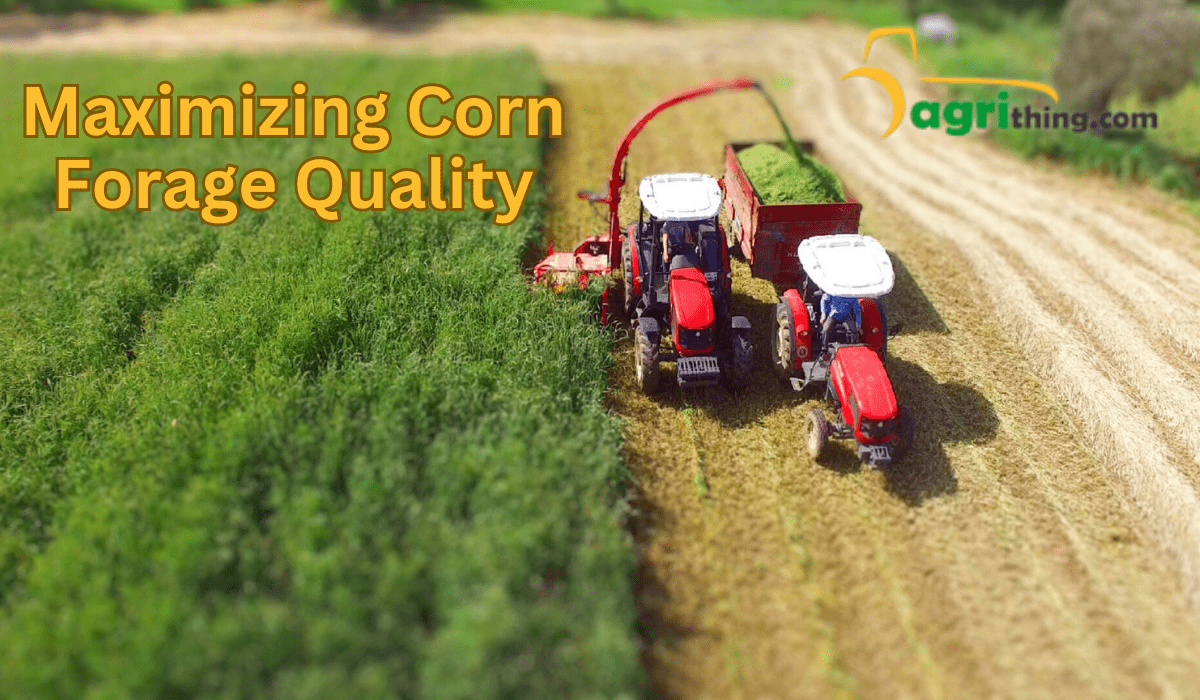
    Maximizing Forage Quality: The Corn Silage Advantage

    Livestock needs good food to stay healthy and productive. Forage quality is really important for this. High-quality forage has the nutrients and energy to help animals perform their best. Corn silage is a great choice for good forage. In this article, we’ll discuss why corn silage is so good and how to make forage even better.


    Understanding Forage Quality

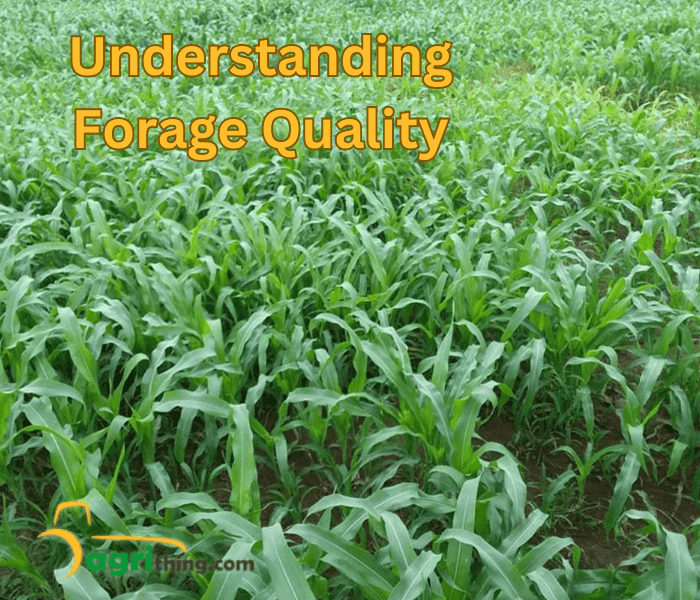
    understanding forage quality

    Forage quality means how good the food is for the animals. It affects their health, how much milk they make, and how well they work. Better forage means they get the right food they need and don’t have to eat expensive extra food.


    Importance of Forage Quality

    Good forage has important stuff like carbs, proteins, vitamins, and minerals that animals need. It keeps their stomachs healthy, helps them use food better, and makes more milk. Forage with the right nutrients also keeps their bodies healthy, helps their immune system, and lowers the chance of getting sick.

    importance of forage quality

    Factors Affecting Forage Quality

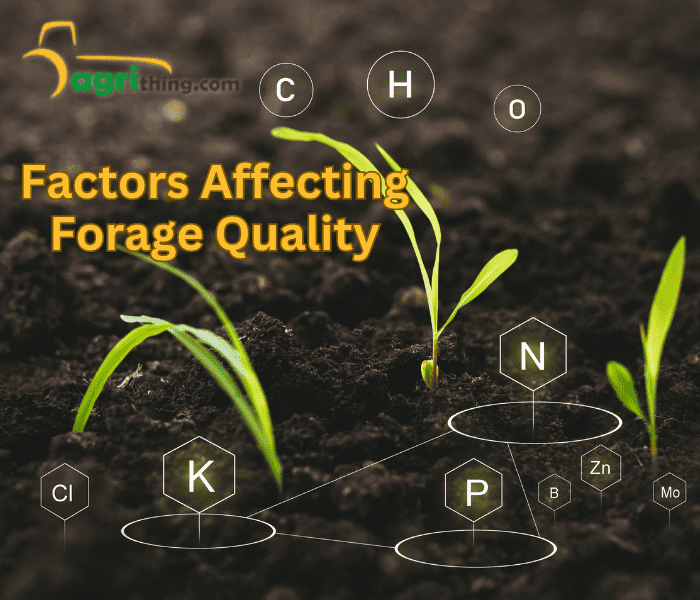
    factors affecting forage quality

    Several factors can influence the quality of forage.

    1. Harvesting stage
    2. Moisture content
    3. Chopping length
    4. Maturity of the plant
    5. Fermentation quality
    6. Storage and packing

    It is crucial to manage these factors effectively to ensure the production of high-quality forage.


    What is Corn Silage?

    Corn silage is a popular forage crop made from whole corn plants, including the stalk, leaves, and grain. It is harvested at a specific moisture content and ensiled to preserve the nutritional value. Corn silage offers numerous advantages over other forage options, making it a preferred choice for many livestock producers.


    Economic Benefits of the Corn Silage of Forage Quality

    Economic Benefit Description
    Cost-effective feed optionCorn silage is a cost-effective option for feeding livestock.
    High energy contentCorn silage has a high energy content, providing efficient nutrition.
    Year-round availabilityCorn silage can be stored for extended periods, ensuring availability.
    Reduced reliance on pastureCorn silage allows for reduced reliance on pasture for feed supply.
    Increased feed efficiencyCorn silage promotes higher feed efficiency, optimizing production.
    Improved weight gainAnimals fed corn silage often experience improved weight gain.
    Lower feed wastageCorn silage reduces feed wastage compared to other feed options.
    Increased milk productionDairy cows fed corn silage may exhibit increased milk production.
    Enhanced rumen healthCorn silage supports better rumen health in ruminant animals.
    Potential income generationSelling excess corn silage can provide an additional income stream.

    Nutritional Composition of Corn Silage of Forage Quality

    NutrientComposition
    Dry MatterAround 30-40%
    Crude ProteinApproximately 7-10%
    Fiber (ADF)Roughly 20-30%
    Neutral Detergent Fiber (NDF)Typically 40-50%
    FatApproximately 2-4%
    AshAround 2-5%
    EnergyUsually expressed as Total Digestible Nutrients (TDN) or Net Energy for Lactation (NEL)

    Basic Techniques of Management Corn silage

    Several management techniques can be employed throughout the crop production and ensiling process to maximize corn silage.

    Crop Management Techniques:

    1. Soil fertility management: Ensure the soil has enough nutrients for the plants to grow well.
    2. Timely planting and choosing the right plant variety: Plant the crops at the right time and choose the best type of plants to get the highest yield and quality.
    3. Weed and pest control: Take effective measures to control weeds and pests that can harm the crops.

    Harvesting and Storage Considerations:

    1. Harvesting at the right moisture level: Harvest the crops with the correct amount of moisture. This helps with proper fermentation and ensiling.
    2. Chopping the corn plants to the right length: Cut them to the right length to pack them tightly and prevent air from getting in.
    3. Proper packing and sealing: Pack and seal the silage properly to reduce exposure to oxygen.

    Ensiling Process:

    1. Use a suitable inoculant: Add a substance that promotes fermentation and prevents spoilage.
    2. Compact the silage well and remove excess air: Create an environment without oxygen by compacting the silage and getting rid of extra air.
    3. Monitor the ensiling process regularly: Monitor the temperature and pH to ensure the fermentation is going well and the quality is preserved.
    corn forage
    Unleash the Potential of Corn Forage: A Sustainable Solution for Agricomplex!

    Benefits of Maximizing Forage Quality

    Using high-quality corn silage to maximize forage quality has several benefits for livestock producers:

    1. Improved Animal Performance: When animals consume high-quality forage, it enhances their rumen function, nutrient utilization, and overall health. This leads to better production and performance.
    2. Cost Savings: Maximizing forage quality reduces the need for expensive concentrate feeds, resulting in lower feed costs for producers.
    3. Increased Feed Efficiency: Nutrient-dense forage improves feed efficiency, allowing animals to convert feed into milk or meat more effectively.
    4. Sustainable Farming: Choosing corn silage as a high-quality forage option helps optimize land use, minimize environmental impact, and support sustainable livestock farming practices.

    Conclusion

    Maximizing the forage quality for livestock is important to keep them healthy and productive. Corn silage is great for achieving this because it gives a lot of food, has lots of nutrients, and can be grown differently. Livestock farmers can ensure the food is good by caring for the crops, harvesting and storing them correctly, and using the right methods to preserve them. By doing these things, they can make the forage quality even better for the animals, which will help them grow well and save money.

    Frequently Asked Questions (FAQ’s)

    Q: Is corn silage suitable for all types of livestock?

    A: Yes, corn silage can be fed to various types of livestock, including dairy cows, beef cattle, and sheep.

    Q: How does corn silage compare to other forage options like hay or alfalfa?

    A: Corn silage offers higher energy content, digestibility, and acre yield than many other forage crops.

    Q: What is the ideal moisture content for harvesting corn silage?

    A: The optimal moisture content for corn silage harvest is typically around 65-70%.

    Q: How long can corn silage be stored without significant nutrient loss?

    A: Properly ensiled corn silage can be stored for 1-2 years with minimal nutrient loss.

    Want to purchase top-quality silage? Visit our Agricomplex website to explore our wide range of silage products.


    People Also Asked

    Why is it important to improve the forage quality for livestock farmers?

    Improving forage quality helps animals perform better, costs less, makes feeding more efficient, and promotes sustainable farming by using land better and causing less environmental harm.

    Why do farmers prefer corn silage as food for animals?

    Farmers choose corn silage because it is affordable, has lots of energy, is available all year, reduces waste, helps animals gain weight, increases milk production, keeps the stomach healthy in animals like cows, and can be sold for extra money.

    Why is the quality of food important for livestock?

    Good food quality matters for the health of animals, how much milk they make, and how well they can work. It gives them important nutrients, helps with digestion, and boosts their immune system.

    What affects the quality of food for animals?

    Food quality can be changed by when it’s harvested, how much water it has, how it’s cut, how mature the plants are, how well it ferments, and how it’s stored.

    What should be considered when collecting and storing food for animals?

    When gathering and keeping food for animals, it’s important to collect it when it’s moist enough for fermentation, cut corn plants to the right size to avoid air and pack and seal it properly to keep out oxygen.

  • Maize Forage Quality: Expert Recommendations

    Maize Forage Quality: Expert Recommendations

    Maize forage is an essential food for animals like cows. It gives them the nutrients and energy they need to stay healthy and productive. Farmers must take care of the whole process to make good corn feed, from planting to fermenting. This article will talk about boosting corn silage quality. If farmers follow these tips, they can improve the quality of the Maize forage and make their animals healthier and more productive. Corn silage will continue to be an essential part of animal diets, and enhancing its nutritional value will benefit both farmers and their livestock.


    Understanding Maize forage

    What is Maize forage?

    Maize forage is made from the entire corn plant, including the stalks, leaves, cobs, and kernels. The plants are chopped up and stored in a container called a silo or bunker. During storage, the plants undergo fermentation, which helps to keep the nutrients and energy intact. This makes Corn feed a good choice for feeding animals.

    Importance of Maize forage

    Maize forage is very important for farm animals because it has a lot of energy, tastes good, and gives them the fiber they need. It’s essential for animals like dairy cows because it keeps their stomachs healthy and helps them make milk. Corn feed is also excellent because it can be used in different feeding plans and is a cheaper option than other food types.

    Harvest timing
    Reaping Nature’s Bounty: Embrace the Perfect Harvest Timing at Agricomplex!

    Factors Affecting Silage Quality

    Harvesting Timing

    The timing is crucial for getting good quality when harvesting corn for silage. It’s essential to find the right balance between getting a high yield and ensuring the plants are at the best stage of maturity. If you harvest too early, the plants might need more nutrients and will be fully developed. On the other hand, if you wait too long to harvest, the plants can stay dry, which makes the fermentation process less effective.

    Moisture Content

    The right amount of moisture is essential for fermenting and preserving Corn feed. Aiming for a moisture level between 60% and 70% is best. This creates the perfect conditions for fermentation without oxygen. If the moisture level is too low, fermentation won’t happen properly, and the silage can spoil. On the other hand, if there’s too much moisture, it can cause fermentation to produce unwanted substances.

    Chopping Length

    The length of chopped Corn feed impacts how easy it is to digest and how tightly it can be packed. Cutting it to about 0.5 to 1.5 inches is best because it helps the cow’s stomach work better and makes it easier to pack tightly. If it’s not chopped well, the pieces won’t be the right size, and the cows won’t get all the nutrients they need, making them perform worse.

    Packing Density

    The proper packing density is essential for keeping out oxygen and helping fermentation. When we pack things tightly, it helps fermentation happen better because it creates a place without oxygen. Making sure we pack things enough also helps get rid of oxygen quickly, which stops mold from growing and keeps the nutrients from being lost.

    Fermentation Process

    During fermentation, plant sugars are transformed into organic acids, which preserves Corn fodder and makes it more nutritious. To ensure a successful fermentation, it’s essential to have enough moisture, the right chop length, proper packing density, and use inoculants. By fermenting effectively, we can stop spoilage organisms from growing and keep the most nutrients in the silage.


    Tips for Boosting Corn Silage Quality

    Selecting the Right Corn Hybrid

    Selecting the right corn hybrid is crucial for producing high-quality silage. Look for hybrids with high fiber digestibility, starch content, and overall nutritional value. It’s a good idea to seek advice from seed suppliers or agronomists who can help you choose hybrids that align with your specific goals and the environmental conditions of your area.

    Proper Harvesting Techniques

    To achieve the best fermentation results, it is essential to harvest Maize forage when it has the recommended moisture content. Use a dependable moisture tester to check the moisture levels in the field regularly. Additionally, employing proper harvesting techniques, such as adjusting the cut length and the harvester’s speed, can further improve the quality of the silage.

    Ensuring Optimal Moisture Content

    Regularly test harvested corn’s moisture content to ensure it is within the recommended range. If necessary, you can make adjustments by changing the length of the cut, adjusting the kernel processor settings, or using additives. Managing moisture levels precisely is crucial to avoid aerobic deterioration and mold growth.

    Achieving Ideal Chopping Length

    The right chopping length is essential for getting the most nutrients and promoting proper rumen fermentation. You can adjust the settings on the harvester to achieve the desired chopping length, usually between 0.5 and 1.5 inches. It’s also crucial to properly process the kernels to ensure the starch is digested optimally.

    Improving Packing Density

    To pack the silage tightly, use heavy tractors or specialized packing equipment. Roll the silage thoroughly to remove air pockets and make it compact. Seal the silo or bunker properly with an oxygen barrier film to preserve it and prevent spoilage.

    Enhancing the Fermentation Process

    You can use inoculants to improve fermentation and improve silage quality. Choose inoculants with lactic acid bacteria to speed up fermentation and stop harmful microbes. Follow the instructions from the manufacturer about how much to use and when to apply them.
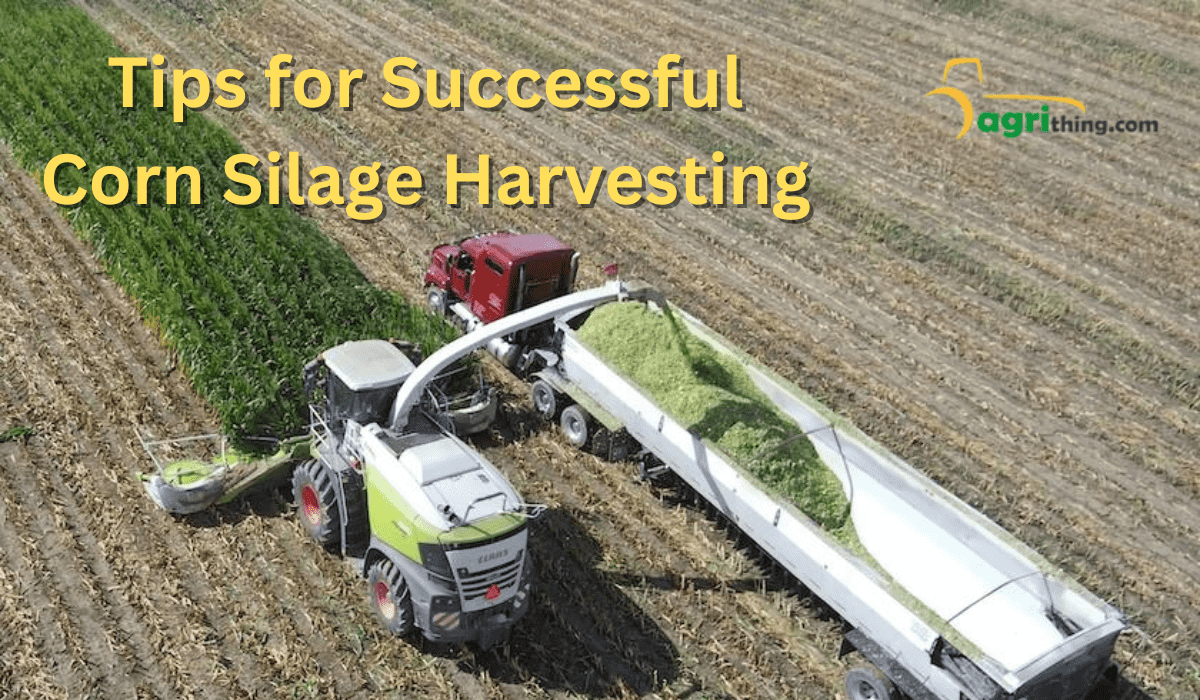

    Silage Inoculants: Improving Maize forage Quality

    1. Silage inoculants are used to improve Corn feed quality for livestock.
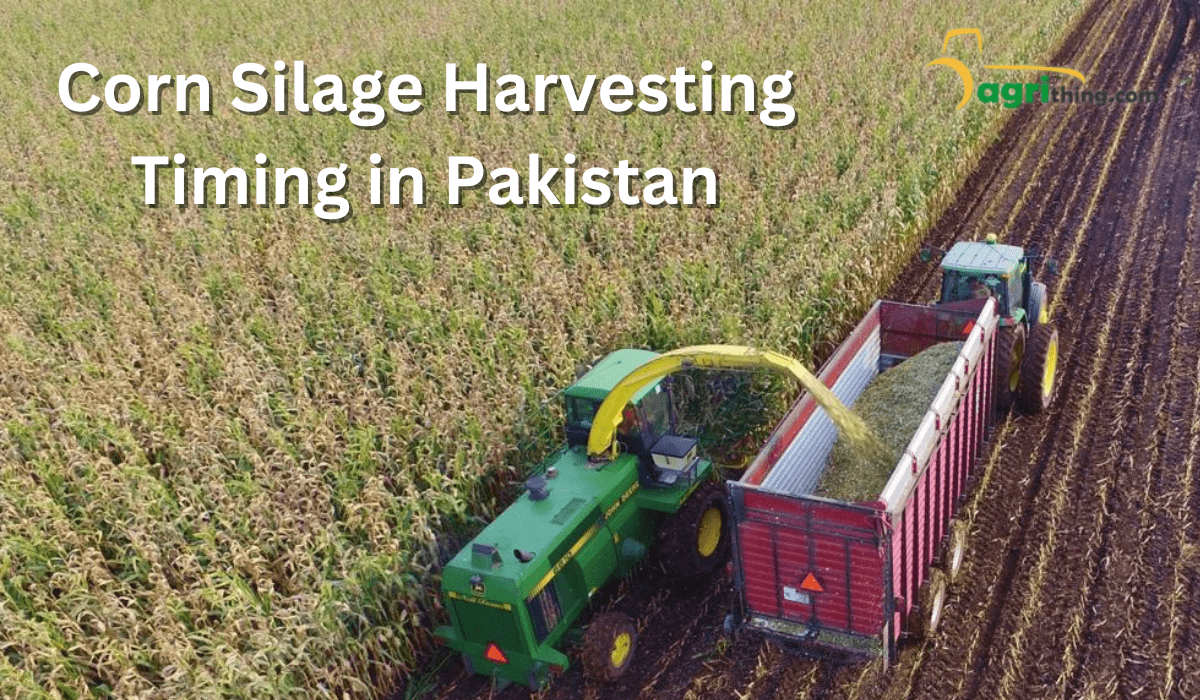
    2. Inoculants contain beneficial bacteria that promote fermentation and inhibit harmful microorganisms’ growth.
    3. They increase nutrient preservation and reduce dry matter losses by improving fermentation.
    4. Inoculants stabilize the silage’s pH level, preventing spoilage and enhancing palatability.
    5. They enhance lactic acid production, aiding preservation and inhibiting undesirable bacteria growth.
    6. Silage inoculants improve the aerobic stability of Corn fodder, reducing spoilage risk during feed out.
    7. Inoculants can be selected based on needs like fiber digestibility or reducing mycotoxin production.
    8. Application of silage inoculants should follow recommended guidelines for proper mixing and distribution.
    9. Research shows that silage inoculants improve animal performance and overall feed efficiency.
    10. Silage inoculants are cost-effective tools for maximizing Corn fodder nutritional value and shelf life.

    Monitoring and Evaluating Silage Quality

    Testing Silage Quality Parameters

    Test Maize forage regularly for important quality factors like dry matter, protein, fiber, and PH. These tests give helpful information about the silage’s nutrition and how it ferments. You can make changes to the feeding plans based on the test results.

    Analyzing Fermentation Characteristics

    Monitor fermentation by checking lactic acid production, acetic acid levels, and pH changes. These clues help us see if the fermentation is working well and if there are any problems. By studying fermentation, we can make intelligent decisions about handling the silage and plan feeding strategies.

    Monitoring Feed out Management

    Managing how you remove hay is essential to avoid waste and keep the quality intact while it’s stored. Use a system where the oldest silage is used first, like first-in, first-out (FIFO). Make sure to tightly cover the part of the silage exposed to the air to keep out oxygen. Check the exposed part regularly for any signs of spoilage or mold.


    Conclusion

    Experts’ advice is essential for making good Maize forage. They know the best time to harvest the corn, how much moisture it should have, how long to cut it, and how to pack it tightly. They also know how to ferment it properly. Choosing the right corn and using suitable farming methods are also important. Regularly checking the moisture, protein, and acidity levels to ensure the silage stays good is necessary. There are new ways to make the silage even better, like adding extraordinary things to keep it fresh and nutritious. Corn fodder is very important for animals because it helps them stay healthy and productive.


    Frequently Asked Questions (FAQ’s)

    What are the best practices for boosting Maize forage quality?

    To improve the quality of Corn fodder, it is crucial to harvest it at the right time, ensure proper moisture levels, and effectively manage fermentation.

    How can I improve the fermentation process of Maize forage?

    The fermentation process of Corn fodder can be improved by ensuring proper packing, achieving the correct moisture content, and using a high-quality inoculant.

    What is the recommended moisture level for Maize forage?

    The recommended moisture level for Corn fodder is typically around 65-70%.

    What additives can be used to enhance Maize forage quality?

    Lactic acid bacteria inoculants, enzymes, and organic acids are additives that enhance Corn fodder quality.

    What are the signs of poor-quality Maize forage?

    Signs of poor-quality Corn fodder include foul odor, excessive mold growth, high levels of visible spoilage, and decreased nutrient content.

    • Pakistan Kinnow Export 2020 will be Higher than Previous Years

      Pakistan is one of the leading producers of Kinnow in the world. This country has one of the most favourable weather conditions to produce the best quality Kinnow mandarin. Citrus fruit is a major crop of tropical and sub-tropical regions like Pakistan. It requires a suitable climate for quality production. Pakistan Kinnow Export is rising…

    • Types of Mandarin Orange in Pakistan

      Citrus fruits are the 2nd most grown fruit in the world. In Pakistan, it has its position at number one. Being a winter fruit, it is eaten worldwide and each region has their specialities. Pakistan is one of those countries whose soil is most preferable to grow this fruit especially Mandarin oranges. More than 90%…

    • Best Pakistani Kinnow Exporters are not that Easy to Search

      Kinnow season is on the verge of happening, and if you are looking to get the supreme quality Sargodha orange mandarine from Pakistan, you should also know about Pakistani Kinnow exporters. Agrithing is among the leading Pakistani Kinnow exporters. We have experience of one and a half-decade in the Kinnow orange trade. Every year over…

    Want to purchase top-quality silage? Visit our Agricomplex website to explore our wide range of silage products.


    People Also Asked

    Is corn silage suitable for all types of livestock?

    Corn silage is often fed to cows and other animals with multiple stomachs because it has the proper nutrients and is easy to digest. However, it might not be suitable for animals like pigs and chickens that don’t have multiple stomachs.

    Can corn silage be fed to horses?

    Corn fodder is not recommended as the primary forage source for horses due to their specific dietary requirements; it should be fed in moderation alongside other forages and concentrates.

    How long can corn silage be stored?

    If Corn fodder is stored and preserved correctly, it can be kept for a year without losing many nutrients. But watching and taking care of the feed-out area is essential to avoid spoiling and losing too much.

    Can corn silage be used in organic farming?

    Corn fodder can be made in organic farming by following specific rules and regulations for organic materials and practices. These guidelines apply to every step, from growing and harvesting to storing the silage.

    Can poor-quality corn silage be improved?

    To improve low-quality Corn fodder, focusing on factors like when it’s harvested and how much moisture it contains is essential. Additionally, additives and inoculants specifically made to improve fermentation and prevent spoilage can be helpful.

  • Corn Silage Harvesting: 10 Essential Tips for Successful Farming

    Corn Silage Harvesting: 10 Essential Tips for Successful Farming

    Corn silage is an essential food for farmers’ animals. It is nutritious and affordable. Corn silage Harvesting involves essential steps for good quality and amount. This article will give you ten crucial tips for harvesting corn silage. Let’s learn how to make the best maize silage!


    Tips for Successful Corn Silage Harvesting

    Selecting the Right Corn Variety

    To have a successful corn silage harvesting:

    1. Select a suitable corn variety.
    2. Look for types that produce a lot and can resist diseases.
    3. Think about the corn’s maturity and moisture level to match when you want to harvest and the quality of the silage.

    Timing for corn silage Harvesting

    Timing is essential when harvesting corn silage. It’s crucial to keep an eye on the moisture levels of the corn plant to know the best time to harvest. If you harvest early enough, you may get less crop and higher nutrition. On the other hand, if you harvest too late, you may have less dry matter and reduced digestibility.

    Equipment Preparation

    Before you start harvesting corn silage, preparing and checking your equipment is essential. Make sure to inspect and maintain the forage harvester so that it’s working well. Also, check that other necessary equipment like tractors, wagons, and packing machinery is functioning correctly.

    Field Preparation

    Before you start harvesting corn silage, preparing and checking your equipment is essential. Make sure to inspect and maintain the forage harvester so that it’s working well. Also, check that other necessary equipment like tractors, wagons, and packing machinery is functioning correctly.

    Chopping and Processing

    Adjusting the equipment settings properly is essential to achieve the desired chop length. The chop length impacts how tightly the material is packed and how fermentation occurs. Make sure the equipment is calibrated correctly to match your specific needs.

    Packing and Compaction

    It’s crucial to carefully focus on the packing and compaction process to achieve high densities and avoid air pockets. Utilize specialized equipment like heavy tractors or rollers to ensure the silage mass is uniformly packed.

    Covering and Sealing

    To maintain the silage quality, covering and sealing the silage pile or bunker is crucial. Use top-notch plastic covers designed explicitly for silage protection. Make sure to seal it tightly to prevent oxygen from entering and to keep anaerobic conditions intact.

    Monitoring and Managing Fermentation

    During the fermentation process, monitor the temperature and pH levels regularly. These parameters are indicators of proper fermentation. Make necessary adjustments, such as adding inoculants or adjusting the moisture content, to optimize the fermentation process and enhance silage quality.

    Feed out and Storage

    When removing silage from storage, employ proper techniques to avoid spoilage. Maintain a smooth and even face as you remove silage to minimize exposure to air. Consider using a defacer or silage facer to maintain a clean feed-out surface and prevent heating.

    Safety Considerations

    Safety should always be a top priority during corn silage harvesting. Follow safety guidelines provided by the equipment manufacturers and local regulations. Identify potential hazards, such as moving machinery parts or confined spaces, and take appropriate precautions to ensure the well-being of yourself and others.


    Corn silage harvesting timing in Pakistan

    Crop StageTiming
    SlicingJuly-August
    TasselingAugust-September
    August-SeptemberSeptember-October
    Milk Line FormationOctober-November
    Physiological MaturityNovember-December

    Maintaining Quality Throughout the Year

    Follow the best practices for long-term storage to uphold silage quality all year round. This involves monitoring storage conditions, conducting regular inspections to check for cover damage, and promptly addressing any problems. Manage your inventory correctly to rotate the silage, reducing spoilage and keeping it fresh for your livestock.


    Conclusion

    To have a super corn adventure, you must plan carefully and pay close attention to all the little details. It’s essential to choose the right kind of corn, harvest it at the perfect time, and follow some special rules to make the corn super delicious and healthy. Safety is always super important, so be careful and watch the corn as it goes through a unique process called fermentation. Following these ten tips for corn adventures, you’ll become a corn silage expert in no time!


    Frequently Asked Question (FAQ’s)

    What are the best practices for corn silage harvesting?

    To harvest corn silage effectively, follow these key steps: time the harvest when the moisture levels are just right, use the correct cutting equipment, and make sure to ferment and store it properly.

    How do I determine the right time to harvest corn silage?

    To know when to harvest maize hay, keep an eye on its moisture content. The ideal range is usually between 60% and 70% moisture.

    What equipment is needed for corn silage harvesting?

    The equipment for harvesting corn silage includes a forage harvester, tractor with a wagon or trailer for transportation and packing vehicle or equipment for proper compaction.

    How should I store corn silage after harvesting?

    When storing maize silage, it’s essential to use airtight silos or bunkers. Compact it well and cover the surface with plastic or tires to keep oxygen out.

    Can I use corn silage for other purposes besides livestock feed?

    Corn silage can be a valuable resource for producing biogas or a feedstock for biofuel production.

    Want to purchase top-quality silage? Visit our Agricomplex website to explore our wide range of silage products.


    People Also Asked

    What is the ideal moisture content for corn silage?

    For top-quality maize silage, closely monitor moisture levels, aiming for 60% to 70%, and avoid harvesting too early or too late..

    Can I use corn varieties not bred explicitly for silage?

    Although it is possible to use corn varieties not bred explicitly for silage, choosing varieties noted for their high yields, resistance to diseases, and proper maturity and moisture content for silage production is advisable.

    How long can corn silage be stored without spoilage?

    Depending on the storage conditions, properly stored corn silage can be preserved for several months to a year. Observing the fodder regularly is crucial, addressing any signs of spoilage promptly.

    Is it necessary to test the corn silage for nutrient content?

    Testing the nutrient content of corn silage is highly recommended as it informs ration formulation and enhances animal performance.

    Can corn silage be used as a sole feed for livestock?

    Corn fodder is significant in livestock diets as it supplies energy, fiber, and essential nutrients. However, it is generally advisable to supplement it with other feed sources alongside maize silage.

  • Maximizing Corn Silage Production: Unforgettable Harvests

    Maximizing Corn Silage Production: Unforgettable Harvests

    Producing corn silage is a complicated process. It requires different strategies and techniques to get the most out of it. Corn silage is important for feeding livestock, particularly dairy and beef cattle. It gives them the energy they need in a form that’s easy to digest and packed with nutrients. We must consider various factors and management practices to ensure we get the best yield from Corn crop silage. This article discusses the main strategies and techniques for maximizing corn silage production.


    Understanding Corn Silage Production

    Importance of corn silage in livestock feed

    Corn silage production is essential for livestock nutrition, serving as a reliable and flavorful energy source packed with fiber and vital nutrients. This practice is significant for dairy cows, ensuring uninterrupted milk production and supporting their overall health through optimal Corn Silage Production.

    Factors influencing yield in corn silage production

    Many factors influence the yield in corn silage production. These factors include genetics, planting corn, managing nutrients, controlling weeds and pests, utilizing water for irrigation, and optimizing the corn harvest. By effectively managing these aspects, farmers can significantly increase their yield in corn silage production and generate higher profits. Understanding and implementing the best practices in corn silage production is pivotal in maximizing crop output and overall success.


    Selecting the Right Corn Variety

    Choosing the right corn variety is the foundation for maximizing yield in Corn silage production.

    Characteristics of high-yielding corn varieties

    High-yielding corn varieties possess strong stalks, disease resistance, good standability, high grain-to-stover ratio, and desirable agronomic characteristics. These traits contribute to improved yield potential and overall crop performance.

    Factors to consider when selecting corn varieties

    When farmers choose corn varieties for making silage, they should consider how well the corn can grow in the area, how long it matures, how resistant it is to diseases, and how much it can yield. It’s important to pick varieties that fit the local weather and soil conditions well.


    Optimal Planting and Seeding Practices

    Proper planting and seeding practices play a significant role in maximizing corn silage yield.

    Timing of planting

    When planting corn silage, the timing is important for getting the best yields. It’s best to plant the corn when the soil temperatures reach about 50°F (10°C). This helps the seeds to sprout well and the crop to grow strong in the early stages.

    Seedbed preparation

    To ensure corn silage production goes well, properly preparing the soil is crucial. This means creating a seedbed that has good drainage and a solid structure. Before planting, it’s important to ensure that the soil has enough nutrients and to use the right methods to till the land and control weeds.

    Plant population and spacing

    To get the most out of your crops, having the right number of plants and giving them enough space is important. The best plant population depends on the type of soil, how much water there is, and the kind of corn you’re growing. By using the suggested planting rates and adjusting the spacing based on your conditions, you can ensure you get the most yield possible.


    Nutrient Management

    Proper nutrient management ensures healthy plant growth and maximizes Corn crop silage yield.

    Soil fertility requirements

    Testing the soil to check nutrient levels and pH is important for a personalized fertilization plan. Corn plants need nutrients like nitrogen, phosphorus, potassium, and micronutrients. Balancing these nutrients properly is crucial for the best growth and yield.

    Fertilizer application techniques

    It’s really important to apply fertilizers accurately and at the right time. To ensure the plants get the most benefit, you can split the nitrogen applications, put phosphorus and potassium in bands, and use fertilizers that release nutrients slowly or in a controlled way. This helps the plants take in more nutrients and reduces the amount of nutrients that are lost.

    Importance of balanced nutrition

    A balanced supply of nutrients throughout the growing season is crucial for maximizing Corn Silage Production. If there are too few or too many nutrients, the plants won’t grow well, and the yields will be lower. To keep track of nutrient levels and make any needed changes, it’s a good idea to test the soil and the plant tissue regularly.


    Effective Weed and Pest Management

    Controlling weeds and pests is essential for maximizing corn silage yield and preventing yield losses.

    Weed control strategies

    Using integrated weed management strategies is a great way to reduce competition from weeds and get the highest possible yield. This includes cultural practices, using herbicides, rotating crops, and controlling weeds at the right time.

    Pest identification and control measures

    Regularly checking and identifying pests like insects, diseases, and nematodes is important so you can take action at the right time. Integrated pest management (IPM) practices, which include using biological control methods and applying pesticides in specific ways, can help reduce pest damage and get the best possible yields.

    Integrated pest management (IPM) approach

    Taking an integrated approach to pest management is crucial in Corn Silage Production. It involves changing crops, using resistant plant varieties, promoting beneficial insects, and implementing cultural practices. This ensures effective pest control and sustainable farming practices.


    Irrigation and Water Management

    Proper irrigation and water management practices are crucial for achieving optimal Corn crop silage yields.

    Water requirements of corn silage

    Corn plants need different amounts of water at different stages of growth. It’s really important to give them enough water during important growth stages, like when the tassels appear and when the grains are filling. This helps you get the most yield possible.

    Irrigation scheduling and methods

    Using smart irrigation techniques, like using weather data and soil moisture sensors, can help you use water more efficiently. It’s a good idea to use drip irrigation, center pivot systems, or other precise irrigation methods to deliver water effectively and reduce wasted water.

    Efficient water use practices

    Using water-saving practices is important to make the most of your water. You can do things like using mulch, checking the moisture in the soil, and timing your irrigation correctly. This helps you use water more efficiently. It’s also important to manage drainage properly to prevent waterlogging and stress on the plant roots.


    Preventing spoilage in corn silage

    1. Harvest when the moisture content is optimal, around 65-70%.
    2. Compact the silage using heavy equipment to ensure proper packing density in the storage structure.
    3. Create a level surface in the storage structure to avoid air pockets.
    4. Minimize oxygen exposure by using an oxygen barrier film or cover.
    5. Seal the storage structure tightly to prevent air from getting in.
    6. Maintain a temperature of around 140-160°F or 60-70°C during fermentation.
    7. Check the pH levels to ensure proper fermentation (pH below 4.2).
    8. Avoid overfilling the storage structure to prevent spoilage at the top.
    9. Regularly inspect for signs of spoilage, such as foul odor, mold growth, or heating.
    10. Immediately remove any spoiled portion to prevent further contamination.
    11. Prevent damage from rodents and pests by keeping them away from the storage structure.
    12. Keep records of silage quality, including moisture content, temperature, and pH levels, for monitoring and troubleshooting.

    Harvesting and Storage Techniques

    Applying appropriate harvesting and storage techniques is vital for preserving Corn crop silage quality and nutritional value.

    Optimal maturity stage for harvesting

    Harvesting corn silage at the correct maturity stage is key to getting the highest yield and quality. This stage usually happens when the kernel has reached about half to three-quarters of the milk line. If you harvest early enough, you may have a higher yield or nutritional value.

    Chopping and ensiling process

    To make sure silage ferments and stays fresh, it’s important to chop it the right length and pack it tightly. Using a precise chopper and keeping it tightly packed while storing it can help keep the nutrients and prevent spoilage.

    Silage storage and management

    To keep the quality of silage high and prevent nutrient loss, it’s important to store it properly. This can be done by covering silage piles or using airtight silos. It’s also crucial to regularly check the temperature, pH, and signs of spoilage in the silage to catch and fix any problems that may arise.


    Best corn varieties for high silage yield

    Corn VarietyCharacteristics
    Pioneer P2089Excellent yield potential, high-quality silage production, adaptable to various growing conditions
    Dekalb DKC 50-84 RIBExceptional yield potential, good disease resistance, high energy content, excellent digestibility
    Syngenta NK BMR-410High yields, improved digestibility (BMR), increased energy content
    LG Seeds LG5607High yield potential, adaptability, good feed value and digestibility

    Monitoring and Adjusting Management Practices

    Regular monitoring and adjustment of management practices are necessary to identify and address factors that may limit Corn forage yield.

    Regular crop monitoring

    Regularly checking crops for pests, diseases, nutrient problems, and environmental stress is extremely important. Doing this, issues can be spotted early on and dealt with quickly. Assessing crops visually and using advanced tools like satellite imagery or crop sensors can help keep track of their health and growth.

    Identifying and addressing yield-limiting factors

    Studying data on crop yield, how well the crops are doing, and the environment can help determine what might be holding back corn silage production. Changing how crops are managed, like adjusting how much fertilizer is used, when to water them, or how pests are controlled, based on what the crops actually need, can help increase yields.


    Conclusion

    Maximizing corn silage production requires selecting high-yielding varieties specifically for corn silage production, proper planting practices, nutrient management tailored to corn silage production, effective weed, and pest control, efficient irrigation methods dedicated to corn silage production, and appropriate harvesting and storage techniques specifically designed for corn silage production. Regular monitoring and adjustment of management practices in corn silage production are crucial to ensuring optimal results. By implementing these strategies, farmers can enhance corn silage production, increase Corn forage yield, and provide a valuable and nutrient-rich feed source for livestock, particularly dairy and beef cattle.


    Frequently Asked Questions (FAQ’s)

    What is corn silage production?

    Corn forage involves cutting and fermenting entire corn plants to make healthy animal food.

    Why is maximizing yield important in corn silage production?

    Getting the most out of Corn forage production is crucial. It helps ensure enough animal food, makes the best use of resources, and brings in the most money.

    What are the key factors that affect corn silage yield?

    Weather, genetics, fertility management, pest control, harvest timing, and storage techniques all impact Corn crop silage yield.

    How can soil fertility impact corn silage yield?

    The fertility of soil affects how much Corn forage can be produced. It provides important nutrients for the plant’s growth, development, and productivity.

    How can I control weeds in corn silage fields?

    To control weeds in Corn forage fields, you can use herbicides before the weeds emerge, cultivate the fields at the right time, and apply suitable herbicides during the growing season.

    Looking to enhance your knowledge about Corn silage production? Explore our informative blog posts on the topic.

    • Mighty Corn Silage Kernels: Supercharge Livestock Nutrition

      Mighty Corn Silage Kernels: Supercharge Livestock Nutrition

      Unlock the nutritional power of corn silage kernels with Agrithing! Our premium selection of corn silage kernels is carefully cultivated to provide maximum energy and nourishment for your livestock. Packed with essential nutrients, these kernels ensure optimal growth and productivity. Trust Agrithing for high-quality corn silage kernels that will elevate your animal feed quality and…

      Read more

    • Maximize Nutrient Availability in Corn Silage: 7 Proven Techniques

      Maximize Nutrient Availability in Corn Silage: 7 Proven Techniques

      Discover the secret to maximizing nutrient availability in corn silage at Agrithing! Our experts are dedicated to optimizing feed quality by focusing on key factors such as harvest timing, storage conditions, and fermentation processes. With Agrithing’s premium corn silage, you can ensure your livestock receives the highest nutrient value for their growth and health. Visit…

      Read more

    • Corn Silage Inoculants: Best Practices

      Corn Silage Inoculants: Best Practices

      Enhance the quality and longevity of your corn silage with Agrithing’s superior corn silage inoculants. Our specialized inoculants are designed to promote efficient fermentation, improve nutrient retention, and inhibit spoilage. With Agrithing, you can trust that your corn silage will maintain its nutritional value, resulting in healthier livestock and improved farm productivity. Explore our range…

      Read more

    Want to purchase top-quality silage? Visit our Agricomplex website to explore our wide range of silage products.


    People Also Asked

    Q: What is the ideal time for harvesting Corn crop silage?

    A: The best time to harvest Corn forage is when the kernels are at the half to three-quarters milk line. This stage ensures a good balance between the amount of corn harvested and its nutritional quality.

    Q: How often should I monitor my Corn crop silage?

    A: Regularly monitoring the crop during the growing season is important. It is recommended to check the crop every week or as necessary to spot any pest problems, diseases, or nutrient deficiencies.

    Can I use Corn crop silage as feed for other livestock besides dairy and beef cattle?

    A: Yes, Corn forage can be fed to other livestock, such as sheep, goats, and horses. However, it is important to ensure that the nutritional requirements of these animals are met through appropriate feed formulations.

    Q: How can I prevent spoilage during corn silage storage?

    A: Proper storage management minimizes spoilage through compaction, covering silage piles or using airtight silos, and normal temperature and pH monitoring.

    Q: Are there any organic methods for weed control in corn silage production?

    A: Yes, organic weed control methods for corn silage production include cultural practices like crop rotation, mulching, and hand weeding. Organic-approved herbicides derived from natural sources can also be used for weed management.

  • Ultimate100% Free Guide to Corn Silage Storage! Read Now!

    Ultimate100% Free Guide to Corn Silage Storage! Read Now!

    Corn silage is a valuable feed source for livestock. It provides essential nutrition and energy. Corn fodder is made by fermenting the entire corn plant, including the leaves, stalks, and cobs. The plants are harvested at the optimal stage of maturity. It’s essential to store maize fodder properly so it stays good and keeps its nutrients. This guide will teach you all about Corn Silage Storage. We’ll talk about why it’s important, what affects its quality, and the best ways to store it. We’ll also look at different storage options, how to check on them, and what to do if there are problems. Let’s Dive in!


    Understanding Corn Silage Storage: Preserving Nutritious Feed for Livestock

    Corn silage storage refers to preserving corn plants for animal feed. First, the whole corn plant is cut into small pieces. Then, it’s stored in airtight containers like silos or bunkers. This airtight storage stops oxygen from getting in, which helps with fermentation. Fermentation changes the sugars in the corn into acids, which preserves the nutrients. Maize fodder storage gives farmers a constant supply of healthy animal feed. Ensuring their animals have enough food even when fresh corn is unavailable.


    What are the Benefits of Corn Silage Storage?

    Corn silage storage has many advantages. Here are some key points:

    1. Suitable for Livestock: Corn fodder is a nutritious feed for animals. It gives them the energy, protein, and fiber they need to grow and stay healthy.
    2. Saves Money: Storing corn silage is cheaper than buying commercial feeds. Farmers can save money on livestock feeding costs.
    3. Available All Year: With proper storage, corn fodder can be used as feed throughout the year, even when fresh corn is unavailable. This ensures a steady food supply for the animals.
    4. Efficient Land Use: Maize silage helps farmers make the most of their land. They can use the entire corn plant, including the stalks and leaves, reducing waste.
    5. More Flexibility: Storing maize silage allows farmers to harvest and store the feed when it is most nutritious. They can consider the weather and crop maturity to choose the best time for harvest.
    6. Easy to Digest: The ensiling process used in maize silage production makes it easier for animals to digest. This means they can get more nutrients from the feed, leading to better performance.
    7. Less Spoilage: Properly stored silage has a lower spoilage risk than other preservation methods. It can be stored for a long time without losing nutrients or quality.
    8. Not Dependent on Weather: Storing maize silage reduces the need to rely on weather conditions for preservation. Farmers can harvest the crop at the right stage without worrying about rain or frost.

    What Factors Affect Corn Fodder Quality During Storage?

    Several factors can influence the quality of corn fodder during storage. Understanding and managing these factors is essential to ensure optimal feed for livestock.

    1. Moisture: Too much moisture can make the silage ferment poorly and increase the chance of it spoiling. It’s crucial to store corn silage with the right amount of moisture, usually around 65-70%.
    2. Density: Packing the silage is necessary to eliminate air and create an environment without oxygen for fermentation. It prevents harmful microorganisms’ growth and keeps the hay good.
    3. Oxygen: Oxygen helps terrible bacteria and yeasts grow, which can spoil the hay. Sealing the silage tightly during storage is essential to reduce oxygen exposure and keep the quality high.
    4. Fermentation: Good fermentation depends on helpful bacteria that change sugars into acids. Things like pH, temperature, and additives (like inoculants) can affect the hay’s fermentation and quality.
    5. Time: The longer hay is stored, it changes because of microbes and chemicals. Storing it for a long time can cause nutrients to be lost and animal feed’s value to decrease. Moreover, it’s best to use the oldest silage first.
    6. Contamination: When corn is harvested, transported, or stored, it can get mold, dirt, or other bad things. This can make the silage worse. So, having good hygiene and regularly cleaning the equipment is essential.
    7. Pests: Rodents and birds can damage the covers of the fodder, which lets in oxygen and bad things. Taking steps to control pests can help keep the silage good.
    8. Feedout: If the silage isn’t managed well when fed to animals, it can get exposed to oxygen, making it heat up, grow mould, and lose nutrients. The right equipment and covering exposed areas are essential for good feed out.

    Farmers can improve the quality of maize silage during storage by paying attention to these things. This way, they can have valuable and healthy feed for their animals.


    What is Corn Silage Storage Equipment?

    Corn silage storage equipment refers to tools and structures that store maize fodder. This equipment helps keep the fodder fresh and usable for animals. It has different parts:

    1. Tower Silo: A tall round structure made of metal or concrete. It stores maize silage tightly and stops air from getting in. Thus, it allows fermentation to happen and keeps the hay nutritious.
    2. Bunker Silo: A low, open area where corn silage is piled in long, narrow mounds. The mounds are pressed down and covered with plastic or tires. This creates a place without air, which helps the silage ferment.
    3. Silage Bags: Big plastic tubes or bags used to store corn fodder. The bags are packed tightly with the feed and sealed at both ends to keep air out. Ag bags are often used for short-term storage or when there’s not enough space in a bunker.
    4. Silage Covers: Thick plastic sheets put on top of silage in bunkers or silos. These covers keep air and water away, so the maize silage stays good while it’s stored.
    5. Silage Unloaders: Machines that take corn silage out of silos or bunkers. They usually have a spiral or conveyor system that moves the feed to where animals eat. Unloaders make sure the silage is taken out consistently and with minimal spoilage.
    6. Silage Packers: Equipment used to press down maize silage in bunkers or bags. Packers remove air pockets by applying pressure. This helps the silage ferment better and keeps it from spoiling.

    What are the Best Practices for Corn Silage Storage?

    Here are some practices tips for storing maize fodder properly:

    1. Harvest when moisture is proper: Harvest corn silage with 60% to 70% moisture. This helps with fermentation and reduces spoilage.
    2. Pack it tightly: Compact the silage tightly to remove as much air as possible.
    3. Choose the proper storage: Pick the right storage structure for your corn fodder, like upright silos, bunker silos, or silage bags. Ensure it’s in good condition and sealed to keep air and water out.
    4. Cover and seal properly: Use an oxygen barrier or plastic sheeting to cover the silage and seal the edges tightly.
    5. Check temperature regularly: Use a temperature probe to check the silage temperature often. Higher temperatures can mean spoilage or the growth of unwanted microorganisms.
    6. Prevent water buildup: Ensure proper drainage around the storage structure to avoid water collection. Too much water can damage the silage quality.
    7. Manage to feed correctly: Start by removing silage from the front of the storage structure and do it evenly. Don’t leave exposed silage for too long, as it can spoil.
    8. Consider using a silage inoculant: You can use a silage inoculant with lactic acid bacteria to improve fermentation and prevent harmful bacteria growth.
    9. Store for the right time: Let the maize silage ferment for at least three to four weeks before feeding it to livestock. This helps preserve it and improves its quality.
    10. Inspect and maintain regularly: Check the storage structure for damage or issues. Fix any problems quickly to keep the corn fodder in good condition.

    Monitoring and Maintaining Maize Silage Quality

    Continuous monitoring of silage quality during storage is essential to detect any issues early on and prevent spoilage.

    Temperature and Oxygen Levels

    Average temperature and oxygen monitoring can indicate the presence of spoilage or undesirable fermentation. Probes or sensors can measure these parameters at different depths within the silage mass.

    Checking for Spoilage

    Visual inspection and smell can help detect signs of spoilage, such as mould growth, off-odours, or changes in colour and texture. Any spoiled silage should be removed immediately to prevent contamination.

    Proper Feedout Techniques

    During feed out, it is essential to maintain proper face management and minimize exposure to oxygen. Silage should be removed uniformly from the storage structure and covered to minimize spoilage.


    What is Common Troubleshooting During Corn Silage Storage?

    Silage storage can sometimes face challenges that impact its quality and usability.

    ProblemPossible CausesSolutions
    Mold growthHigh moisture
    content
    Inadequate packing
    Air infiltration
    Poor covering
    Ensure proper fermentation and compaction
    Achieve recommended density during packing
    Seal the silage bunker or silo tightly
    Use oxygen barrier films or weighted covers
    Heating and spoilageInsufficient fermentation
    Excessive moisture content
    Air penetration
    Inadequate packing
    Add inoculants to promote fermentation
    Monitor moisture levels during ensiling
    Improve sealing of the storage structure
    Achieve recommended density during packing
    Nutrient lossExcessive exposure to air
    High temperature
    Poor fermentation
    Ensure proper sealing and covering
    Monitor temperature during ensiling
    Add appropriate inoculants or additives
    Rodent or bird damageHoles or openings in the cover
    Insufficient cover weight
    Lack of deterrent measures
    Repair any damages promptly
    Ensure proper weighting of the cover
    Install deterrent devices or traps
    Undesirable odorsIncomplete fermentation
    Spoilage or mold growth
    Check for adequate ensiling time and pH
    Improve management practices
    Enhance compaction and sealing techniques
    Fire or spontaneous combustionExcessive moisture content
    Poor ventilation
    Presence of flammable materials
    Electrical faults or sparks
    Monitor moisture levels and adjust accordingly
    Ensure proper airflow within the storage structure
    Remove flammable materials from the vicinity
    Conduct regular inspections and maintenance

    Advancements in Maize Fodder Storage Technology

    AdvancementDescription
    Airtight Silo DesignSilos designed with improved airtight seals to minimize oxygen exposure.
    Oxygen BarrierFilms High-quality films are used to wrap silage bales, reducing oxygen ingress.
    Silage InoculantsSpecialized additives to enhance fermentation and improve feed quality.
    Precision Chopping EquipmentAdvanced machinery for consistent particle size and better compaction.
    Silage Covers with Secure FasteningsDurable covers with effective fastening systems for enhanced sealing.
    Silage Temperature Monitoring SystemsSensors and probes to monitor and manage silage temperature.
    Automated Silage Mixing and DistributionMechanized systems for efficient mixing and uniform feed distribution
    Silage Preservation AdditivesChemical additives that inhibit spoilage and enhance nutrient retention
    Oxygen-limiting Silage BagsBags designed to minimize oxygen exposure during storage
    Climate-controlled Silage StorageControlled environment storage facilities to maintain silage quality

    Conclusion

    In conclusion, ensuring proper storage of corn silage is essential for preserving its nutritional value and maintaining a constant supply of healthy animal feed. Storing maize silage offers several advantages, and careful attention should be given to corn silage storage to optimize its quality and longevity. New technology also improves maize fodder storage. Farmers can optimize storage by following guidelines and giving their livestock nutritious feed.


    Frequently Asked Questions (FAQ’s)

    Can maize fodder be fed to all types of livestock?

    Maize fodder is commonly used as a feed source for dairy cows, beef cattle, sheep, and goats. It provides a rich energy source and nutrients suitable for various livestock species.

    How long can corn silage be stored?

    When properly stored, maize silage can be stored for several months to a year. However, using the oldest silage first is recommended to maintain freshness and minimize spoilage.

    Can spoiled silage be recovered?

    Removing and discarding the affected portions is best if mold or spoilage is detected in silage. Feeding spoiled silage can lead to health issues and decreased feed intake.

    Can corn silage be stored without additives?

    While additives are not mandatory, they can enhance fermentation and improve silage quality, especially in challenging conditions. It is recommended to consult with an agronomist or nutritionist for guidance on additive usage.

    How often should silage be monitored during storage?

    Silage should be monitored regularly, especially during the initial weeks of storage. Daily temperature and oxygen level checks are recommended to detect any early signs of spoilage or fermentation issues.

    Looking to enhance your knowledge about silage? Explore our informative blog posts on the topic.

    Want to purchase top-quality silage? Visit our Agricomplex website to explore our wide range of silage products.


    People Also Ask

    What is corn silage storage?

    Corn silage storage is about keeping corn plants as animal food. First, the corn is cut into small pieces and put into airtight containers like silos or bunkers.

    How does corn silage storage benefit livestock?

    Storing fodder silage has benefits for livestock. It gives them nutritious food with the energy, protein, and fiber they need to grow and be healthy.

    What factors affect corn silage quality during storage?

    Certain things affect the quality of maize fodder during storage. These include how much moisture is in it, how tightly it’s packed, if it’s exposed to oxygen, how it ferments, how long it’s stored if it gets contaminated if pests get to it, and how it’s fed out.

    What equipment is used for corn silage storage?

    Different equipment is used for corn silage storage. This includes tower silos, bunker silos, silage bags, covers, unloaders, and packers.

    How can silage quality be monitored and maintained during storage?

    To keep the quality of silage good during storage, you need to check the temperature and oxygen levels, look for spoilage, feed it outright, manage the face of the pile, and keep it away from oxygen.