Author: Usama Team

  • Pakistan Kinnow Export 2020 will be Higher than Previous Years

    Pakistan is one of the leading producers of Kinnow in the world. This country has one of the most favourable weather conditions to produce the best quality Kinnow mandarin. Citrus fruit is a major crop of tropical and sub-tropical regions like Pakistan. It requires a suitable climate for quality production.

    Pakistan Kinnow Export is rising and this will open new gates for Pakistani fruit trade. Each year Pakistan exports over a million tons of kinnow in the international market. Pakistan mostly targets the Russian Market. 

    Pakistani Kinnow has the best taste among other citrus fruits. Pakistani exporters are trying to increase its production and export to other countries as well as the people’s republic of China. This year Kinnow export target is way higher than in previous years. Pakistan export target in 2020 will be around 370 million tons of kinnow.

    Kinnow orange is one of the dominant cultivated fruit in the plain of the Punjab, Pakistan and it is supporting overall Pakistani exports. Being a citrus crop, citrus is more vulnerable to changing the environment and its physical and biochemical quality. The Quality of Kinnow depends upon the behaviour of weather around the year in Pakistan. 

    Increase in 2020 Kinnow Export

    Pakistan in 2020 has touched the highest export volume of Kinnow Mandarin fresh fruit, that is up to 370 million tons. This quantity of Kinnow values around US$ 222 million in the international market without any issues of quality. These export credentials are way higher than export in 2018 -2019. 2020 has presented the most favourable weather conditions for Kinnow yielding. This means Kinnow exporters are going to get benefits in this year export. 

    Pakistan is arranging new relations with shipping companies so it can lower the cost of shipping as well. Other than that, Pakistan is also building some new research institute in agricultural university for agricultural research. In these institutes, new ways to increase Mandarin shelf life will be discovered.

    Pakistan Kinnow export

    In previous years more quantity of Kinnow fruits deteriorated because of rough weather. Just in 2019 only 12 – 14% of total Kinnow production was exported and the rest consumed domestically. This year the situation is reversed. This year’s condition has increased Kinnow production in Pakistan, and more fruit will be exported. 

    Pakistan Kinnow export is going to increase by 125,000 tons.

    Pakistan Mandarin orange export will increase by 125,000 tonnes from December 2020 till to date of end season rate of almost $500 per ton. Government has fixed the Kinnow export target at 475,000 tons for this season. This season has high hope for Pakistan Kinnow export, which will conclude in March/April.

    The Kinnow export target will achieve its potential if rains do not destroy the crop of mandarin orange. Smooth weather will provide more yield and goods if the carriers’ movement remains smooth. Pakistan exported 375,000 tonnes of kinnow mandarin worth $200 million US in 2019. This year, Pakistan will bulk exports the citrus fruit mainly to Russia, the Philippines, Indonesia, and the UAE.

    Agrithing International Kinnow Export Vision for 2020

    Agrithing.com is trading this exotic food all around the world for over the last 16 years. We are one of the leading Kinnow exporters in Pakistan. Our Kinnow Quality is second to none, and we are trying to play a significant part in Pakistan Kinnow export.

    Kinnow

    Because our work is to produce Kinnow\ Mandarin in a clean, germ, and dirt-free environment, we bring the same passionate approach when it’s time to pack the product. We offer Airtight packaging for Kinnow, leaving no possibility for outside particles to ruin Mandarin’s quality.  Thus ensuring delivery of the product in its healthiest and purified form. We are an emerging company with a vision to become top Mandarin orange exporters in Pakistan.

  • Types of Mandarin Orange in Pakistan

    Citrus fruits are the 2nd most grown fruit in the world. In Pakistan, it has its position at number one. Being a winter fruit, it is eaten worldwide and each region has their specialities. Pakistan is one of those countries whose soil is most preferable to grow this fruit especially Mandarin oranges.

    More than 90% of the citrus fruit crop in Pakistan is produced in Punjab. The major reason behind this fact is that Punjab has the most preferable climate for orange fruit. Most citrus fruits that are grown in Pakistan have easy to peel skin. Citrus trees in Pakistan needed to be grazed continuously. 

    Pakistani Mandarin can also be phrased as citrus reticulata because of its mildly sweet taste. Pakistan offers a different variety of mandarins. Mandarins growing has become a proper profession in Pakistan and now farmers are looking forward to growing mandarin hybrids. 

    Mandarins trees in Pakistan are grazed properly and provide citrus unshiu at a major level. That is the only reason that deep orange-red flavour pops out in Pakistani Mandarins. To clementine mandarins, Pakistani farmers use alternate bearing techniques.

    Pakistan Major Citrus Producing Areas

    As we discussed before that major quantity of Citrus in Pakistan comes from Punjab. But, there are many other areas as well where farmers cultivate orange farms. So, all the regions in Pakistan where this fruit is grown are given below with different mandarin orange recipes. 

    City Province
    Districts of SargodhaPunjab 
    JhangPunjab 
    LahorePunjab 
    SahiwalPunjab 
    MultanPunjab 
    GujranwalaPunjab 
    SialkotPunjab 
    MianwaliPunjab 
    Districts of SukkurSindh
    NawabshahSindh
    KhairpurSindh
    PeshawarKPK
    SwatKPK
    MardanKPK
    HazaraKPK
    NowsheraKPK
    SwabiKPK
    SibbiBalochistan
    MakranBalochistan
    KechBalochistan

    Types of Citrus Fruit

    Pakistan is gifted with the most ideal weather conditions to grow citrus fruits. That is the only reason that a different hybrid of mandarin is offered by Pakistan. Citrus trees get proper nourishment at Pakistani Soil. Pakistan has these following Citrus fruit to offer for trade.

    Grapefruit

    Grapefruit is a type of citrus fruit that is grown in Pakistan, It has a very citrusy taste. Mostly this citrus fruit is used as a refreshing drink. It is a king tangor that is grown on the gulf coast and is nearly seedless. It has bright orange-red flesh. To get citrus unshiu, there is a proper procedure and time taking.

    Types

    • Mash Seedless
    • Duncan
    • Foster 
    • Shambar
    • Blood orange

    Mandarin

    Mandarin from Pakistan is one of the highest quality. It is also known as Kinnow Mandarin. Pakistan is one of few countries whose Mandarin Kinnow is sweeter in taste. It is a vastly growing citrus in Pakistan. 

    Mandarin orange nutritions is off the chart. Pakistani farmers are growing mandarin oranges from ages. Mandarin orange fruits have lots of versatility. Pakistan also ships canned mandarin oranges. To grow mandarin a farmer needs a proper area.  There are various hybrids of mandarin that other countries are growing. 

    Types

    • Fewtrells Early
    • Kinnow
    • Dancy tangerines

    Sweet Orange

    It is one of those Citrus fruits that are known because of their sweeter taste. In Pakistan, it is known by the name of Mosambi. During late fall, sweet oranges become way more flavorful. Its citrus reticulata is way more pungent.  It also comes in varieties of mandarin.

    Types

    • Musambi
    • Washington’s navel
    • Red blood
    • Succri 
    • Jaffa
    • Ruby Red
    • Valencia late

    Sour Oranges

    It is one of the most commonly grown citrus fruits in Pakistan. Due to its bitter taste, it is also known as the Bitter orange. It has powerful citrus nobilis. Orange peels are quite thin and easy to take off. 

    Types

    • Seville orange
    • Sour Orange
    • Marmalade orange
    • Bigarade orange

    Lime

    This Citrus fruit has a rich flavour. Its taste is way more citrusy like a lemon. It has green skin which is hard to peel. There are few areas of Pakistan where you can find lime that has a sweet flavour. It is also known as the rough lemon type. 

    Types

    • Key lime 
    • Bartender lime
    • Omani lime
    • Sweet Indian lime
    • Kagzi lime

    These are one of the main types of citrus fruits that are cultivated in Pakistan. Other than these there are some less popular citrus fruit types. All these types are mostly grown in Sargodha District. 

  • Best Pakistani Kinnow Exporters are not that Easy to Search

    Kinnow season is on the verge of happening, and if you are looking to get the supreme quality Sargodha orange mandarine from Pakistan, you should also know about Pakistani Kinnow exporters. Agrithing is among the leading Pakistani Kinnow exporters. We have experience of one and a half-decade in the Kinnow orange trade. Every year over four million tons of Kinnow exported from Pakistan. There are numerous Kinnow exporters from Pakistan, but we are known as the best.

    Agrithing Trading Company produces Pakistani Kinnow Sargodha from high-quality Kinnow plantations. We work hard day and night to achieve the highest quality standard for Kinnow. Now, the fruiter is transferred to our processing unit. Process throughout is taken carefully. Pakistan’s Sargodha Kinnows is full of flavours. They are healthy, full of nutrition, and affordable.

    Agrithing trades thousands of metric tons of mandarin Kinnow annually. That’s why we are among the top 10 list of Pakistani Kinnow exporters to minimize the global gap of orange export. Our Kinnow is export under the supervision of highly qualify Personals. We hold great ground in the Citrus fruit trade market. Pakistani exports mainly Target the Russian market.

    Agrithing International Kinnow Packaging Procedure

    Agrithing.com pays full detail to every step of fruit processing and its Packaging. We have our farms in Sargodha, which are around 70-acre. Sargodha is known to produce supreme quality Kinnow Pakistani fruit. Our farms produce fresh Kinnow mandarins at Sargodha. Saremco International highly qualified personnel take look after every step of Kinnow production at farms and its processing plant. These working ethics allows us to be the best Kinnow mandarin exporters from Pakistan.

    Agrithing has made its name among the biggest Kinnow suppliers in Pakistan. We use cardboard boxes to pack Kinnow for global trades. Plastic bags for Kinnow export can also be arranged as per customer requirements. There are around 45-100 pieces in each 10 kg Cardboard box of Kinnow orange. We believe in the best export of kinnow fruit. It is a Multi millions tons market.

    Why Agrithing International Should be your choice

    Agrithing.com has made its name in the global market by following some serious work ethics. We follow some extensive rules which make us better than others. Our top-notch product quality and attention to detail make us better than others. We have our own research institute.

    Being on the top requires some serious effort. We cultivate oranges at our own farms. As we have mentioned above that Sargodha Mandaines are the best, and we believe in serving the best to our customers.

    Our team thoroughly looks after the Mandarine orange production process. We have a team of highly experienced farmers look closely at every step of Kinnow production. Our main goal is to make Pakistani Mandarins’ names all around the world export markets.

    Process for Washing Kinnow at Agrithing

    After plucking the Kinnow oranges from the trees, they go through a special clean water washing process. Here in this step, all the impurities get a wash and waxed. We then pass them through clean water to remove excessive wax from them at our kinnow factory.

    Agrithing International Trading Procedure

    We have a very transparent Kinnow trading procedure. It makes us Paksitani Kinnow leading trading company. Every year around 3 million metric tons of Kinnow is exported from Pakistan, and we have a fair share. After the harvesting season, we collect Kinnow oranges in our warehouse. It has a long shelf life. We offer two kinds of Shipment for our international Kinnow export in cold storage.

    FCL type shipment

    LCL type shipment

    Mostly through these ways, we export Kinnow orange from Pakistan in the international market. One thing to keep in mind is that we don’t offer seedless kinnow.

    Competitive prices of Kinnow at Agrithing International

    Another thing that makes us one of the best Kinnow exporters from Pakistan is our Kinnow prices. We offer the most competitive prices in the market for Kinnow trade. So, if you want reasonable prices on Kinnow trade Agrithing should be your choice. Even providing low prices for Kinnow, we don’t compromise on the quality of Kinnow.

    Pakistan Kinnow has the best quality, and it is obvious due to its increasing demand in the international market. Many countries are switching to Pakistani Kinnow because it has better taste and health supplements.

  • All you need to know about Kinnow \ Orange and its Export From Pakistan

    What Is Kinnow?

    This form of citrus fruits is often pronouncing as Kinoo or kinu. It has the highest yield all over Pakistan than any other citrus fruit. This fruit is made with the hybrid cross between King and Willow leaf. It is a juicier form of Orange and grows throughout Punjab, Pakistan, in Areas Like Sargodha, Multan, and many more. 

    What is Orange?

    Orange is a low-calorie citrus fruit with high nutritious values. You can make it a part of your healthy diet. Orange possesses many qualities and health benefits, which include skin clearing vitamins and other minerals. It helps our immune systems. 

    What is the difference between Kinnow and Orange?

    Kinno has a little thicker skin that you cannot peel easily. This makes them protective against sunlight. On the other hand, Orange has a little thinner skin, making them vulnerable to sunlight and can spoil faster. 

    What are the Benefits of Kinnow?

    It is one of the healthiest fruits in the world. It has many properties that are beneficial to your health.

    Benefits of eating oranges.

    • High in Vitamin C. Oranges are an excellent source of vitamin C. …
    • Healthy immune system
    • Prevents skin damage
    • Keeps blood pressure under check
    • Lowers cholesterol
    • Controls blood sugar level
    • Lowers the risk of cancer

    What are the benefits of oranges?

    Oranges possess less fat and calories and more protein and fiber value than a mandarin. Orange has a rich Vitamin portion that includes Vitamin C, vitamins B1, B2, and B5.

    Which country exports the best quality Kinno?

    There are many big countries that share Kinnow export. It is grown in countries like Spain, Germany, India, and Pakistan. Pakistan Kinnow export is getting better and better with each year. 2020 Kinnow export in Pakistan is going to break all previous records. 

    Where you can get the best exporter of Kinnow.

    Pakistan is making its name in the best Kinnow exporters. Pakistan Kinnow exporters are making their way into the international market. Due to the better quality of their product, it is easy for them to hogg a big chunk of world export. 

    Is Kinoo good for health?

    Kinnow has High in Vitamin C. Oranges are an excellent source of vitamin C. …it helps your Healthy immune system, Prevents skin damage, Keeps blood pressure under check, Lowers cholesterol, controls blood sugar level, and Lowers the risk of cancer.

    Where is Kinoo grown?

    Kinnow has the highest yield all over Pakistan than any other citrus fruit. It is made with the hybrid cross between King and Willow leaf. Kinnow is a juicier form of Orange and cultivated throughout Punjab, Pakistan, in Areas Like Sargodha, Multan, and many more. 

    Does Kinnow contain vitamin C?

    Kinnow possesses a high content of Vitamin C. It has less fat and calories and more protein and fibre value than a mandarin. Orange has a rich Vitamin portion that includes vitamins B1, B2, and B5

  • Pakistan Mandarin Export is going to be Increased with Russia

    Russia is the world’s biggest country according to its area. It has the most vibrant economy. Russia has availed this status by maintaining its political stability over the last century. The country’s financial planning follows a 200-year development plan. The current medium-term development plan is the phase of the long-term project. It is currently one of the largest traders of Orange in the world, experiencing remarkable economic growth every year in Mandarin Import and export.

    Russia is increasing its agricultural product buying from US$ 641billion in 2013 to US$ 861 billion (893,0490 tons) in 2019. The major import items include Mandarin orange, potatoes, and peas, with China holding 76% of the market share.

    Russian Mandarin Market:

    Russia’s demand of Mandarin oranges has varied over the last five years, between 124,5404 tons in 2013, which went down to 58,7860 tons in 2017 and then shot up to 142,1480 tons in 2019 valuing at US$ 70 billion. The leading suppliers of orange to Russia are India (46%), New Zealand (33%), Pakistan (22%). The cumulatively accounting for 100% of the market. The product is subject to 6.25% import duty, with a preferential tariff of 5% for Pakistan. 

    Pakistan’s Supply Potential of Mandarin : 

    Pakistan has a reasonable level of production and export of Mandarin (2 million tons in 2017). A part of which is also exported to various destinations. In 2017, Pakistan exported 59,949 tons of Mandarin, which had gradually come down from 189,473 tons exported in 2015.

    Saremco Mandarin

    The production of Mandarin orange in Pakistan follows typical agricultural production cycles. An increase in production is leading to the price drop. 

    Pakistan Mandarin trade with Russia

    There appears to be an opportunity for Pakistan to claim some share in the Russian market for Mandarin. However, Pakistan does not enjoy any tariff concession in Russia under the PTA. Pakistan is already exporting the highest amount of Kinnow to Malaysia (23,865 tons in 2017). So the region will not be new for the Pakistan Mandarin orange Export. However, the supply potential will vitally depend on the domestic market prices. 

    Above mentioned supply analysis shows that Pakistan’s citrus fruit has already made its mark in the Russian market. Further penetration may be possible for Pakistan. 

    Agrithing International Mandarin Trade

    Agrithing.com is a premier producer and Mandarin orange Exporter on a global scale. We possess all certificates of quality control management necessary for Orange export worldwide. Our packaging process is based on best practices and standards renowned worldwide. This reduces any chance of mixing any particles with the product. We have been exporting Mandarin orange to Russia for the last 14 years.

    BEST PRACTICE Saremco export

    Agrithing.com has over 16-year experience in orange export. We offer LCL and FCL services from Port to Port. Our ocean freight shipment is most secure and reliable. We work with all shipping lines with fixed contract rates.

  • Kinnow Exporters in Sargodha | Challenges | Low Yield

    Sargodha district contributes an enormous amount of Kinnow orange in Pakistan. It holds over 80% of Pakistan’s total Kinnow orange production. Unfortunately, for the last few years, Pakistan is facing a low yield of Orange crop. This is one of the biggest reasons that Kinnow exporters in Sargodha. If we talk about the taste, Mandarin from Sargodha by Agrithing.com is known as the best among all.

    Pakistan is trading almost 2 million metric tonnes of mandarin orange every year in the international Kinnow market. Just in Kot Momin area of District Sargodha, there are around 100 Kiinow factories for its processing. All of them start functioning at the start of the Kinnow orange season.

    Kinnow plucking is starting; thousands of workers go to Sargodha to start work in mid-November. These workers get meagre wages and available all year. Workers pluck Kinnow and then send them to the processing unit for further sorting. Every year over 4.1 million Kinnow Pakistan export to the international market.

    Grading Phase at Agrithing

    The grading phase starts after you are done with plucking. In this phase, Kinnows are put according to their sizes. After that, Kinnow oranges are packs in cardboard boxes for export. Agrithing is one of the leading Kinnow processors and exporters In Pakistan.

    We are on the path of becoming Pakistan’s most enormous fruits and vegetable exporters. Agrithing has a name in the international market. We get our Mandarin orange supply from Sargodha District. Then wash them at our processing plant and then send them to our Packinghouse.

    Agrithing.com deals in varieties of Kinnow, and we trade 700 matric tons of Mandarine in a different region of the world. We offer fresh quality Kinnow to our clients. We deal with Mandarine in cold storage containers, also known as reefer containers.

    Kinnow Yield is decreasing

    According to a new survey and many interviews from Kinnow exporters in Sargodha, Sargodha faces a low yield of Mandarine for the last two years. The main factor behind citrus fruit low yield is that farms are not getting proper water supply. Kinnow growers and Kinnow exporters from Sargodha are taking a big hit because of this issue.

    Fresh Mandarine farms required a proper supply of water to give high-quality Kinnow Mandarin. This way, farmers will produce more Mandarine oranges, and Kinnow exporters from Pakistan can export more amount of Kinnow to foreign markets.

    This initiative will also affect Kinnow’s purchase price. If the Government fulfils the water demand, then there are chances that Citrus production will drastically increase.

    Agrithing Sargodha Kinnow Export

    Agrithing also puts its share in Pakistan Citrus Production. They are one of the leading fruits and vegetable exporters in Pakistan. We have over a 70-acre orange farm in the Sargodha district. Our Company use the latest methods for the production of Kinnow.

    We trade over 7000 metric tonnes of Kinnow every year in the international market.Agrithing.com deal in different varieties of Kinnows, but the most popular one is Mandarin. We have our Packinghouse where quality fresh Kinnows are packed in cardboard boxes.

    As Kinnow growers, we pay special attention to all the details. We trade them in cold storage containers. It maintains the freshness of Kinnow.

    International Market Share

    Kinnow from Pakistan has a high value in the international market. It is one kind of Mandarin which has a sweeter taste. Mandarin from other countries has a citrusy taste. It is because Pakistan has ideal weather conditions to grow Supreme quality Kinnow in the world.

    Agrithing.com is working upon a vision in which they aim to grow Pakistan’s name in the fruit and vegetable trade.

  • Mighty Corn Silage Kernels: Supercharge Livestock Nutrition

    Mighty Corn Silage Kernels: Supercharge Livestock Nutrition

    Corn silage kernel processing is important for improving the nutritional value and digestibility of silage for livestock. It involves breaking down corn kernels into smaller particles, which makes the starch and fiber easier to ferment and digest in the animal’s stomach. In this article, we will discuss the factors that affect corn silage kernel processing, digestibility, the best practices for optimization, evaluation methods, practical tips, and successful case studies.

    Factors that Affect Corn Silage Kernel Processing

    1. Kernel moisture content: Harvesting corn with the right moisture content is crucial for effective kernel processing. It affects how easily the kernels break and the quality of fermentation in the hay.
    2. Kernel maturity: Choosing the optimal stage of kernel maturity is important to balance the starch content and digestibility. Harvesting corn silage at the right time ensures that the nutrients are used to the maximum extent.
    3. Kernel processing equipment: The type and condition of the equipment used for corn silage kernel processing significantly impact how well the kernels are processed. Modern equipment like roller mills or kernel processors can improve the efficiency of kernel breakage.
    4. Roll gap setting: The gap between the rollers or the roll gap setting directly affects the size of the processed kernels. Adjusting the roll gap setting allows particle size customization according to the livestock’s needs.

    Effects of Kernel Processing on Digestibility

    1. Improved rumen fermentation: Breaking the kernels into smaller particles through processing promotes more efficient rumen fermentation, enabling the microorganisms to access nutrients effectively.
    2. Enhanced fiber digestion: Kernel processing helps break down the tough outer layer of corn kernels, making the fiber more accessible and improving digestion.
    3. Reduced risk of acidosis: Effective kernel processing ensures a balanced release of starch, lowering the risk of ruminal acidosis caused by sudden starch overload.
    4. Improved rumen fermentation: Breaking the kernels into smaller particles through processing promotes more efficient rumen fermentation, enabling the microorganisms to access nutrients effectively.
    5. Enhanced fiber digestion: Kernel processing helps break down the tough outer layer of corn silage kernels, making the fiber more accessible and improving digestion.
    6. Reduced risk of acidosis: Effective corn silage kernel processing ensures a balanced release of starch, lowering the risk of ruminal acidosis caused by

    Best Practices for Optimizing Corn Silage Kernel Processing

    1. Harvesting at the right kernel moisture content: Harvesting corn silage when the moisture content is between 60% and 70% improves kernel processing efficiency and fermentation.
    2. Ensuring proper kernel maturity: Harvesting corn silage at the optimal maturity stage, indicated by firm kernels with a milky or doughy consistency, maximizes the digestibility of corn silage kernels and fiber.
    3. Selecting suitable kernel processing equipment: Investing in high-quality equipment like roller mills or processors ensures efficient kernel breakage and particle size reduction.
    4. Adjusting roll gap setting for desired particle size: Customizing the particle size distribution by adjusting the roll gap setting helps meet the specific nutritional needs of different livestock.

    Evaluating Kernel Processing Effectiveness

    1. Measuring kernel processing score (KPS): KPS is commonly used to assess kernel processing effectiveness, evaluating the percentage of broken kernels, cracked kernels, and whole kernels in a sample.
    2. Evaluating particle size distribution: Analyzing the particle size distribution of processed corn silage provides insights into the effectiveness of corn silage kernel processing for optimal livestock feeding.
    3. Monitoring starch digestibility: Regularly monitoring corn silage samples’ starch digestibility helps evaluate kernel processing efficiency and its impact on rumen fermentation.

    Recommendations for Optimal Kernel Processing

    1. Targeting a specific range of particle size distribution: Strive for a balanced particle size distribution in corn silage kernel processing to enhance rumen fermentation and maximize nutrient availability.
    2. Balancing starch availability and fiber digestibility: Adjust the kernel processing settings to balance maximizing starch availability and maintaining fiber digestibility.
    3. Considering the nutritional needs of different livestock categories: Customize kernel processing strategies to meet the specific nutritional requirements of dairy cows, beef cattle, or other livestock categories.

    Practical Tips for Efficient Kernel Processing

    Regular maintenance of kernel processing equipment: Perform routine maintenance, including cleaning and lubrication, to ensure optimal equipment performance and consistent kernel processing efficiency.
    Monitoring and adjusting the roll gap setting as needed: Regularly monitor the particle size distribution of processed kernels and make necessary adjustments to the roll gap setting based on livestock performance and nutritional needs.
    Ensuring proper kernel processing during storage and feed-out: Minimize air exposure and shrinkage during storage and feed-out to preserve corn silage kernel integrity and minimize nutrient losses.

    Successful Kernel Processing Strategies

    Case Study 1: Implementing optimized corn silage kernel processing techniques on a dairy farm. Explore how a dairy farm improved milk production, enhanced milk components, and optimized feed efficiency through precise kernel processing methods.
    Case Study 2: Optimizing kernel processing in a beef feedlot. Learn how a beef feedlot improved feed efficiency, enhanced average daily gain, and increased profitability by optimizing kernel processing techniques.

    Benefits of Optimizing Corn Silage Kernel Processing

    1. Enhanced Nutrient Release: Optimized corn silage kernel processing improves the availability of nutrients for animals.
    2. Increased Digestibility: Proper processing enhances the digestibility of corn silage kernels, maximizing feed efficiency.
    3. Improved Fermentation: Optimal kernel processing promotes better fermentation, producing higher-quality silage.
    4. Enhanced Animal Performance: Optimized processing unlocks the full potential of corn silage kernels, resulting in improved animal performance.
    5. Minimized Sorting: Effective kernel processing reduces the risk of kernel sorting during feeding, ensuring a consistent ratio.
    6. Consultation and Optimization: Seek expert advice to optimize corn silage kernel processing methods for optimal results.

    Boost Efficiency with the Best Corn Silage Kernel Processor

    1. Enhanced Processing: Utilize a high-quality corn silage kernel processor to optimize the breakdown of corn kernels.
    2. Increased Digestibility: Improved processing enhances kernel digestibility, allowing animals to extract more nutrients from the corn silage.
    3. Higher Feed Efficiency: Properly processed kernels result in better feed conversion and improved animal performance.
    4. Reduced Sorting: Effective kernel processing reduces the likelihood of kernel sorting during feeding, ensuring a consistent ratio.
    5. Enhanced Fermentation: Well-processed corn silage kernels contribute to improved fermentation and overall silage quality.
    6. Consult Experts: Seek advice from experts or manufacturers to select the best corn silage kernel processor for your specific needs.

    Unlocking the Power of Corn Silage Kernel Cracking

    Enhanced Nutrient Availability: Proper kernel cracking increases nutrient availability in corn silage, maximizing animal nutrition.
    Improved Digestibility: Cracked corn silage kernels are easier for animals to digest, leading to better feed utilization.
    Enhanced Fermentation: Cracking corn silage kernels promotes optimal fermentation, improving silage quality.
    Increased Energy Release: Cracking kernels releases more energy during digestion, boosting animal performance.
    Reduced Sorting: Effective kernel cracking minimizes kernel sorting, ensuring a consistent and balanced corn silage ratio.
    Consultation and Optimization: Seek expert guidance to implement the best kernel cracking practices for your corn silage, maximizing its potential.

    Conclusion

    In conclusion, optimizing corn silage kernel processing is crucial for improving digestibility and maximizing the nutritional value of silage for livestock. By considering factors such as kernel moisture content, maturity, equipment selection, and roll gap setting, farmers can achieve better starch availability, enhanced rumen fermentation, improved fiber digestion, and reduced risk of acidosis. Regular evaluation, adherence to best practices, and practical tips ensure efficient kernel processing. Optimizing kernel processing ultimately contributes to better livestock performance and farm profitability.

    Frequently asked question (FAQ’s)

    What is the ideal kernel moisture content for corn silage?

    Corn silage’s ideal kernel moisture content is between 60% and 70%. Harvesting within this range allows for better corn silage kernel processing and fermentation.

    Does kernel processing impact milk production in dairy cows?

    Yes, optimized corn silage kernel processing can positively impact milk production in dairy cows. Improved starch availability and enhanced rumen fermentation increase milk production and improved milk components.

    Can kernel processing affect feed efficiency in beef cattle?

    Absolutely! Optimized corn silage kernel processing can significantly improve feed efficiency in beef cattle. Enhanced rumen fermentation and improved nutrient availability lead to better average daily gain and feed conversion ratios.

    How frequently should roll gap settings be adjusted?

    Roll gap settings should be regularly monitored and adjusted based on the particle size distribution analysis and livestock performance to optimize corn silage kernel processing.

    Is kernel processing necessary for all types of livestock?

    Kernel processing is beneficial for most types of livestock, particularly ruminants like dairy cows, beef cattle, and sheep. The improved digestibility and nutrient availability provided by kernel processing contributes to better overall animal health and performance.

    Want to purchase top-quality silage? Visit our Agricomplex website to explore our wide range of silage products.

    People also Asked

    How does kernel processing affect the nutritional value of corn silage?

    A: Kernel processing enhances the nutritional value of corn silage by improving the accessibility and digestibility of the corn silage kernel

    Can corn silage be effectively processed without a dedicated kernel processor?

    Corn silage can be processed effectively without a dedicated kernel processor, but using one enhances the process.

    What are the potential risks of inadequate kernel processing in corn silage?

    Inadequate corn silage kernel processing can lead to reduced nutrient availability and lower feed efficiency.

    Does kernel processing impact the feeding behavior of livestock?

    Yes, kernel processing in corn silage can impact the feeding behavior of livestock by affecting palatability and sorting tendencies.

    Are there specific guidelines for adjusting roll gap settings based on different livestock species?

    Specific guidelines for adjusting roll gap settings in corn silage kernel processing can vary based on different livestock species and their nutritional requirements.

  • Maximize Nutrient Availability in Corn Silage: 7 Proven Techniques

    Maximize Nutrient Availability in Corn Silage: 7 Proven Techniques

    Corn silage is an important food for livestock, especially cows that chew their cud. It has lots of energy, tastes good for animals, and is easy to find, so it’s great for their diets. This article talks about why Nutrient Availability in Corn Silage matters and much more.

    Understanding Nutrient Availability in Corn Silage

    Definition of Nutrient Availability

    Nutrient availability in corn silage refers to how easily animals can digest and absorb the nutrients. Many factors affect this process, including the composition of the silage, the genetics of the plants, how the crops are managed, and the techniques used for ensiling. By optimizing these factors, we can increase the amount of nutrients animals can access. Thus, improving their performance.

    Factors Affecting Nutrient Availability in Corn Silage

    1. Corn Harvesting: When corn is harvested for silage, the timing affects the nutrients. Harvesting early may result in high starch but less energy for animals. On the other hand, slowing the harvest increases fiber content, which makes it harder to digest.
    2. Chopping Corn: When harvested and stored, corn particles’ size also affects the nutrients. It is best to chop the corn into small pieces to ensure it is tightly packed. This promotes efficient fermentation and helps the animals digest the nutrients better.
    3. Moisture Level: It is important to have the right amount of moisture in harvested corn for effective storage. The correct moisture helps with fermentation and preserves the nutrients. However, if there is enough moisture, the corn can spoil, and the nutrients can be recovered.
    4. Additives and Inoculants: Using additives and inoculants in silage can also affect the availability of nutrients. These products contain helpful bacteria and enzymes that improve fermentation, reduce spoilage, and preserve nutrients.

    Enhancing Nutrient Availability in Corn Silage through Crop Management

    Choosing the Right Corn Varieties

    Picking the right corn types is important for getting the most nutrients. Good-quality varieties made for making silage often have traits like easy digestion, more starch, and better fiber quality. When farmers choose the right types that match their nutrition goals, they can ensure plenty of nutrients in the corn silage.

    Optimizing Planting Density and Spacing

    Ensuring corn is spaced out and planted at the right density is important for getting the most nutrients. Having the right number of plants means they get enough light, have less competition, and can absorb nutrients well. Farmers can get more nutrients and a higher yield per acre by following suggested planting methods.

    Implementing Effective Fertilization Strategies

    Using the right amount of fertilizer is needed to give corn the nutrients it needs to grow and get the most nutrients in the silage. Farmers can figure out what nutrients are missing by testing the soil and planning to add the right amount of fertilizer. Keeping the nutrient levels right helps the plants stay healthy, improves the fodder, and gets the most nutrients.

    Managing Pests and Diseases

    Taking care of pests and diseases is important for keeping the crops healthy and ensuring plenty of nutrients. Checking the crops regularly, using strategies to manage pests, and applying the right control methods on time help reduce the damage from pests and diseases. Farmers can protect the nutrient availability in corn silage by keeping the crops safe.

    Harvesting and Storage Techniques for Improved Nutrient Availability in Corn Silage

    Corn Silage Harvest:

    Get the Timing Right! To ensure corn silage is packed with nutrients, harvesting and storing it correctly is crucial. The best time to harvest is when the corn grain is at the early dent stage. At this point, the starch content and fiber digestibility is perfectly balanced. Thus, maximizing the quality of nutrients for livestock.

    Harvest and Store Properly:

    Remember to consider the importance of proper harvesting and storage techniques in keeping the nutrients intact. Consistency in particle size, packing density, and chop length during ensiling are key factors. By paying attention to these details, you can prevent nutrient losses and maintain the quality of the feed.

    Boost Nutrient Availability with Additives:

    To take things a step further. You can use silage additives to improve nutrient availability in corn silage. High-quality inoculants and preservatives help beneficial microbial fermentation. Keep undesirable microorganisms at bay, and preserve nutrient goodness. By using these additives, farmers can enhance nutrient availability and ensure the quality of the feed throughout the ensiling process.

    Fermentation and Nutrient Preservation in Corn Silage

    Microbial Processes During Ensiling

    Microbes are important in ensiling and impacting the nutrients available. Lactic acid bacteria are key for fermentation. They turn sugars into lactic acid, which reduces the pH and makes it difficult for spoilage organisms to survive. This preserves nutrients and makes them easier for animals to digest.

    Enhancing Fermentation for Improved Nutrient Preservation

    Microbes are important in the process of ensiling, which affects the Nutrients Availability in Corn Silage. Lactic acid bacteria are essential for fermentation. They convert sugars into lactic acid. Which lowers the acidity and creates an environment that is not favorable for organisms that spoil the food.

    Managing Aerobic Spoilage

    When exposed to oxygen, silage can undergo aerobic spoilage, leading to the loss of nutrients and decreased feed quality. To prevent this, minimizing silage exposure to oxygen while feeding it out is crucial. Additionally, properly covering silage piles or bunkers is important. We can maintain nutrient availability in corn silage by implementing effective management practices. Thus, preventing spoilage losses.

    Evaluating and Balancing Rations for Nutrient Utilization

    Analyzing Corn Silage Composition

    Farmers regularly analyze the composition of corn silage to find out what nutrients it contains and if it’s good for animals to eat. They look at how much dry stuff is in the protein, fiber, starch, and minerals. By doing these tests, they can make sure animals get the right mix of nutrients and use them well.

    Formulating Balanced Rations Based on Nutrient Content

    Farmers can create balanced meals for animals by using the composition of corn silage and considering what the animals need. They look at how much energy and protein there is, the amount of fiber, and the balance of minerals. By getting these things right, they can give the animals the right nutrients and help them perform better. Balancing the meals helps the animals use the nutrients well, which makes them healthier and more productive.

    Considering Feed Additives for Optimal Nutrient Utilization

    Along with balanced meals, farmers can use special substances called feed additives to make the most of the nutrients in corn silage diets. These additives, like enzymes, probiotics, and yeast derivatives, help the animals digest fiber better, keep their stomachs healthy, and absorb more nutrients. When farmers add these substances to the meals, it boosts the amount of nutrients the animals can use and makes them perform even better.

    Monitoring and Managing Feed Efficiency

    Measuring and Tracking Feed Efficiency

    It is important to keep an eye on how efficiently animals convert nutrients from their food. Farmers can use measurements like feed conversion ratio (FCR) and residual feed intake (RFI) to see how well the animals turn food into products like milk or meat. By regularly checking these measurements, farmers can spot any problems and make meal changes. This helps them improve how productive the animals are overall.

    Adjusting Rations Based on Animal Performance

    By closely watching how animals perform, such as how much milk they produce, how fast they grow, and their body condition, farmers can use data to make smart changes to their meals. They can see how the animals respond to different diets and ensure they have the nutrients they need. This helps them use their food efficiently and get the most out of their production.

    Implementing Feed Management Strategies

    Good practices for managing animal feed are crucial for making the most of the nutrients. It’s important to store the feed properly, reduce waste, and stick to regular feeding schedules. This helps the animals take in and use the nutrients efficiently. By managing the feeding areas well, testing the feed, and weighing it accurately, farmers can keep the feed in good condition and prevent losing important nutrients.

    Environmental Considerations and Sustainability

    Managing nutrients properly is important to reduce their loss and environmental impact. Nutrients that runoff from silage production can pollute water and cause eutrophication. To prevent this, we can use strategies like testing the soil, applying nutrients precisely, and using cover crops. These methods help to keep nutrients from being lost and maintain good water quality.

    Implementing Best Management Practices

    Using best practices in corn silage production improves sustainability and reduces environmental impact. These practices include rotating crops, using conservation methods when tilling the soil, managing pests in an integrated way, and using fertilizers responsibly. By following these practices, farmers can ensure nutrients are available for the crops, conserve resources, and support long-term agricultural sustainability.

    Recycling and Utilizing Manure Effectively

    Managing livestock waste properly is extremely important for recycling nutrients and promoting sustainability. When waste is used as a source of nutrients for growing corn, it enhances soil fertility, decreases the need for synthetic fertilizers, and encourages circular agricultural systems. By employing suitable techniques for managing waste, farmers can optimize the use of nutrients, minimize waste, and contribute to sustainable farming practices.

    Nutritional powerhouse: Corn silage for healthy livestock.

    Conclusion

    To optimize the nutritional value of corn silage for animal feed, farmers must prioritize the nutrient availability in corn silage. They can do this by taking good care of their crops, using the right techniques to harvest and store them, ensuring optimal fermentation, balancing the animal’s diet, and keeping an eye on how efficiently they eat.

    These things make the nutrients better and help the animals do their best. Farmers also help the environment and keep things sustainable by using good practices and not losing too many nutrients. When farmers focus on ensuring there are lots of nutrients and do everything right, corn silage is at its best, and everyone benefits – the farmers make more money, and the animals are healthier.

    Frequently Asked Questions (FAQ’s)

    How does nutrient availability affect corn silage quality?

    The quality of nutrient availability in corn silage is affected by the nutrients it contains, how easily it can be digested, and how valuable it is as livestock feed.

    What are the common challenges in maintaining nutrient availability in corn silage?

    Keeping the nutrients available in corn silage can be challenging. This includes harvesting it at the right time, storing it properly, and preventing it from spoiling.

    Can using high-quality silage inoculants enhance nutrient availability?

    Good silage inoculants can help make the nutrients in corn silage more available. They do this by helping with fermentation, preventing spoilage, and keeping the nutritional value intact during storage.

    What are the key components of a balanced corn silage ration?

    To make a balanced corn silage diet, you need the right mix of energy sources, protein supplements, minerals, vitamins, and additives. This is important for meeting the nutritional needs of livestock.

    How can farmers optimize nutrient utilization in dairy cow diets?

    Farmers can improve how cows use nutrients in their diet by analyzing them accurately, balancing energy and protein levels, providing enough fiber, and using additives to help with digestion and absorption.

    Want to purchase top-quality silage? Visit our Agricomplex website to explore our wide range of silage products.

    People Also Asked

    What is the importance of moisture level in corn silage?

    The correct moisture level in harvested corn is important for effective silage storage, fermentation, and nutrient preservation.

    What is nutrient availability in corn silage?

    Nutrient availability in corn silage refers to how easily animals can digest and absorb the nutrients present in the silage.

    How can crop management enhance nutrient availability in corn silage?

    Choosing the right corn varieties, optimizing planting density, implementing effective fertilization strategies, and managing pests and diseases can enhance nutrient availability in corn silage.

    What are the key techniques for harvesting and storing corn silage to improve nutrient availability in Corn Silage?

    The timing of corn silage harvest, proper harvesting and storage techniques, and additives can improve nutrient availability in corn silage.

    How does recycling and utilizing manure contribute to sustainable farming practices?

    Using manure as a nutrient source for growing corn improves soil fertility, reduces the need for synthetic fertilizers, and promotes circular agricultural systems, thus supporting sustainable farming practices.
  • Corn Silage Inoculants: Best Practices

    Corn Silage Inoculants: Best Practices

    Maize fodder is good food for animals. It has lots of nutrients and gives them energy at a low cost. Farmers and animal experts use inoculants to keep Maize fodder fresh and full of nutrients. They are like additives that help preserve the silage. In this article, we’ll talk about the best ways to use corn silage inoculants. We’ll cover how to choose and apply them and how to check if everything is going well. By following these tips, you can ensure the fermentation process works well and get the most out of your animal feed.

    Introduction

    Corn silage inoculants are special products with good bacteria, usually called lactic acid bacteria. These bacteria help make the fermentation process in silage better. Using these inoculants can make the Maize fodder last longer and be easier for animals to digest. This leads to animals growing better and needing less feed, which saves money.

    Understanding Corn Silage Fermentation

    During the fermentation process in corn silage, sugars are changed into organic acids, especially lactic acid, by special bacteria called lactic acid bacteria. These acids lower the pH level, which stops harmful bacteria and molds from growing. To choose the best inoculant and make the process work well, it’s important to know the basics of Maize fodder fermentation.

    Selecting the Right Corn Silage Inoculant

    There are different kinds of Maize fodder inoculants to choose from. Some make mostly lactic acid (homofermentative), while others make lactic acid and other compounds like acetic acid and ethanol (heterofermentative). The choice of inoculant depends on how ripe the crop is, how much moisture it has, and what kind of fermentation you want.

    Application Methods and Timing

    There are different ways to apply Maize fodder inoculants. You can spray, mix, or add them directly to the forage while harvesting. Applying the inoculant is important because it determines when the good bacteria start growing in the silage. Applying it at the right time ensures the fermentation and preservation processes work well.

    Storage and Handling Practices

    It is very important to store and handle Corn fodder properly to keep its quality intact. When packing the silage, it’s crucial to make it compact so there is no oxygen inside. This helps create an environment without oxygen, which is needed for fermentation. Sealing and covering the fodder well is also important to keep air out and prevent spoilage.

    Monitoring and Evaluating Silage Quality

    Checking the quality of the silage regularly is important to see if the inoculant is working well and to find any problems that may arise. Tools like pH meters and temperature probes can inform how the fermentation is going. It’s also important to measure the amount of dry matter, the presence of mold, and the nutrients in the silage.

    Corn silage inoculant application

    Select the appropriate inoculant:

    You can use different kinds of inoculants. Some have homofermentative or heterofermentative bacteria, while others have specific enzymes. Pick the right inoculant for your needs and talk to an expert or the manufacturer if you need help.

    Follow the product instructions:

    Make sure to read and comprehend the instructions given by the manufacturer. Following the recommended application rate is crucial, typically determined by the quantity of fresh forage or dry matter.

    Prepare the inoculant solution:

    Be sure to read and understand the instructions from the manufacturer. Following the recommended application rate is important, usually based on the amount of fresh forage or dry matter.

    Apply the inoculant:

    How you apply the product may differ based on your equipment and the specific product itself. Common methods include using a sprayer or applicator or adding the inoculant directly to the forage while chopping or ensiling it. Ensure the inoculant is spread evenly throughout the silage to ensure a consistent fermentation process.

    Pack and seal the silage:

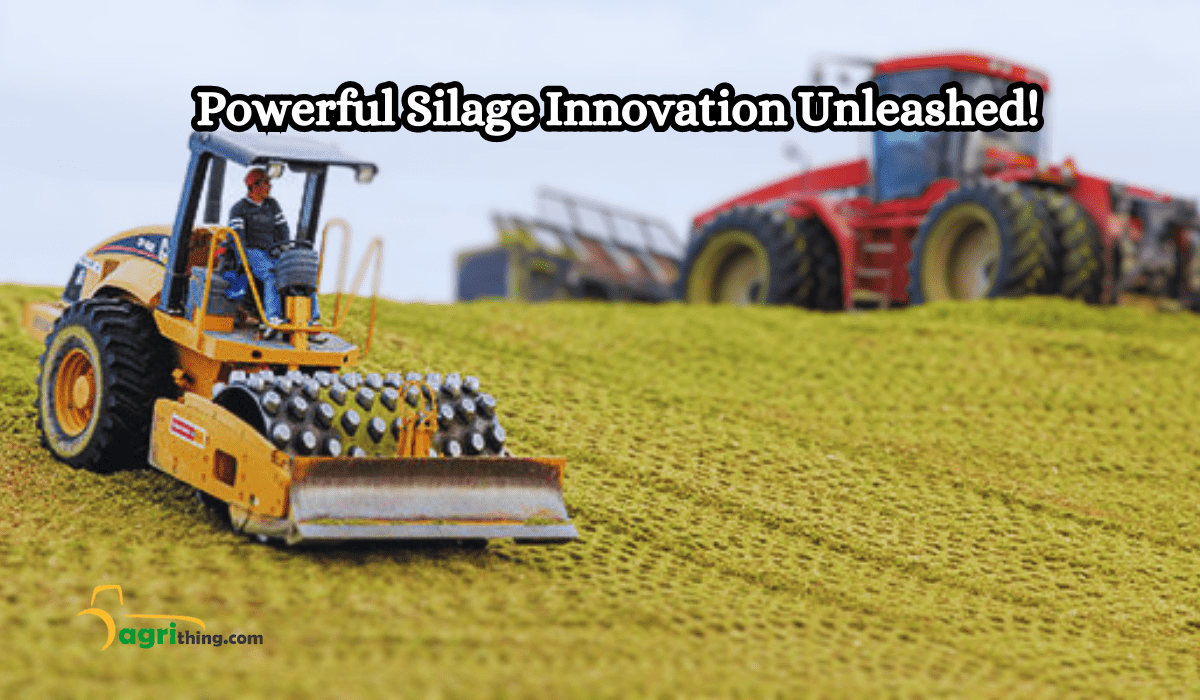
    Once you’ve applied the inoculant, it’s important to tightly pack the silage to eliminate as much air as possible. Use heavy machinery or tractors to compress the silage and create a well-sealed dense stack or bunker. Proper compaction encourages anaerobic conditions and lowers the chances of spoilage.

    Monitor and manage the fermentation process:

    Ensure to consistently monitor the silage’s temperature, pH, and dry matter content during the fermentation process. These measurements can help evaluate how well the inoculant application works and ensure the fermentation proceeds correctly. If needed, make adjustments based on the results obtained.

    Potential Challenges and Troubleshooting

    Even if you do everything right, there can still be problems during Corn fodder fermentation. Some common issues are when the fermentation doesn’t happen enough, the silage gets too hot, or mold starts to grow. If you have these problems, there are things you can do to fix them. You can change the moisture levels, make the silage more compact, or use additives. These strategies can help solve the problems and save the silage.

    Comparing Corn Silage Inoculant Options

    Inoculant OptionBenefitsApplication MethodStorage ConditionsShelf Life
    Lactic Acid Bacteria (LAB)Enhances fermentation process, reduces spoilage, improves aerobic stabilityApplied as a liquid during silage processingStore in a cool, dry placeTypically 12-18 months
    Homofermentative InoculantsAccelerates fermentation, increases silage digestibility, reduces dry matter lossesApplied as a liquid or powder during ensilingStore in a cool, dry placeVaries, usually 12-24 months
    Enzyme-based InoculantsEnhances fiber breakdown, improves nutrient availability, reduces feed costsApplied as a liquid or powder during ensilingStore in a cool, dry placeVaries, usually 12-24 months
    Propionic Acid-based InoculantsInhibits yeasts and molds, reduces spoilage, improves aerobic stabilityApplied as a liquid during silage processingStore in a cool, dry placeTypically 12-18 months

    Maximizing the Benefits of Corn Silage Inoculants

    Using corn silage inoculants has many benefits. It helps preserve the silage and improves animal performance, feed efficiency, and digestive health. Inoculants also enhance fermentation, which saves money by reducing dry matter loss and the need for extra feed.

    Conclusion

    In summary, corn silage inoculants are important to improve animal feed. To do this, farmers need to know about fermentation, choose the right inoculant, use it correctly, and check the quality of the silage. If there are problems like not enough fermentation, too much heat, or mold growth, farmers can fix them by adjusting moisture, making the silage more compact, or adding other things. Inoculants generally help keep the feed fresh, make the animals healthier, use the feed better, and save money. To make the best Corn fodder and feed animals well, follow these tips.

    Frequently Asked Questions (FAQ’s)

    What are corn silage inoculants?

    Corn silage inoculants are added to Corn fodder to make it ferment better and improve its quality.

    Are corn silage inoculants necessary?

    Maize fodder inoculants are unnecessary, but they can help improve the fermentation process and preserve the quality of corn silage.

    How to apply corn silage inoculants?

    Usually, Maize fodder inoculants are mixed with water and sprayed onto the Corn fodder while being chopped and packed into the storage structure.

    Can corn silage inoculants improve feed quality?

    Maize fodder inoculants can make animal feed better. They help with fermentation, keep more nutrients in the feed, and stop it from spoiling.

    Are corn silage inoculants safe for animals?

    Corn silage inoculants are safe for animals if used as recommended.

    Want to purchase top-quality silage? Visit our Agricomplex website to explore our wide range of silage products.

    People Also Asked

    Can corn silage inoculants be used with other forages besides corn?

    Corn silage inoculants work well with other forages like sorghum, alfalfa, and grasses. But it’s important to consider what each forage needs and how it differs when choosing an inoculant.

    How long should corn silage be fermented before feeding it to livestock?

    Corn fodder must ferment for at least three weeks before being given to animals. This helps produce the right acids and stabilize the feed, ensuring it has the best nutrition.

    Are there any safety considerations when handling corn silage inoculants?

    When handling corn silage inoculants, following the manufacturer’s instructions for personal protective equipment and proper handling practices due to potential allergens or irritants is important.

    Can corn silage inoculants be used in organic farming?

    Corn silage inoculants for organic farming are specially formulated and meet certification requirements. They can be used in organic silage production.

    How often should the quality of corn silage be monitored?

    Regularly monitor the quality of corn silage during storage. This involves checking pH, temperature, dry matter content, and signs of spoilage. Monitoring helps catch problems early and enables timely fixes.

  • Powerful Corn Silage Ration: Maximize Livestock Performance

    Powerful Corn Silage Ration: Maximize Livestock Performance

    Corn silage is a vital animal food, and planning corn silage ration is important for their nutrition. This article will discuss balancing energy and fiber in corn silage and planning to keep animals healthy and productive. Farmers and livestock owners can ensure their animals get the best nutrition by understanding the factors that affect energy and fiber, evaluating corn silage quality, and using effective feeding strategies.

    What is Corn Silage?

    Corn silage is a valuable feed made from chopped and fermented corn plants. It provides energy, fiber, and nutrients for animals like cows and sheep. It is a good option for a well-rounded and nutritious diet. When corn plants are harvested at the right time, the resulting silage becomes easy to digest and tasty for the animals.

    Why is Corn Silage Ration Planning Important?

    Proper maize silage ration planning is crucial to meet the specific nutritional needs of different animals. It ensures they get a balanced diet with the right nutrients for growth, reproduction, and maintenance. Ration planning also helps animals use their feed efficiently, reduces costs, and lowers the risk of health problems. Finding the right balance of energy and fiber for corn silage is key to keeping animals healthy and performing well.

    Understanding Energy and Fiber in Corn Silage

    Energy and fiber are important factors in ensiled corn forage that affect how animals are nourished. Energy, measured by total digestible nutrients (TDN) or net energy (NE), provides the energy animals need for growth, milk production, and overall metabolic processes. Fiber, conversely, is a complex carbohydrate that helps with digestion in the rumen, keeps digestion healthy, and prevents digestive problems.

    Factors Affecting Energy and Fiber Levels

    Several factors influence how much energy and fiber are in corn silage. These include the type of corn used, the stage of the plant’s growth when it was harvested, the conditions in which it grew, and how it was harvested. Choosing the right type of corn with characteristics like high starch content and digestibility can make a big difference in energy and fiber levels.

    Finding the Right Energy and Fiber Levels

    To determine the best energy and fiber levels in corn silage diet, it’s important to consider the specific needs of the animals you’re feeding. Different animals have different nutritional requirements based on their age, weight, stage of production, and health conditions. Regularly analyzing the forage is crucial to know the nutrient composition of the corn silage, including its energy and fiber content.

    Evaluating Corn Silage Quality

    The quality of corn silage diet directly affects its nutritional value and how well animals perform. Several factors should be considered to assess its quality, such as moisture content, dry matter content, fermentation characteristics, and the presence of molds or harmful substances called mycotoxins. You can evaluate quality through visual inspection, laboratory analysis, and tools like the kernel processor score and fermentation profile.

    Balancing Energy and Fiber in Ration Planning

    To balance energy and fiber in corn silage ration planning, it’s important to understand the energy needs of the animals and the fiber content of the forage. The energy requirements of the maize silage ration depend on factors like maintenance, growth, reproduction, and milk production. The fiber requirements are influenced by the animal’s stage of development and the desired fermentation pattern in the rumen.

    Calculating Energy and Fiber Requirements

    Accurately calculating energy and fiber requirements involves considering the animal’s weight, daily energy needs, and the desired energy and fiber intake from corn silage. Established equations or online tools provided by universities or agricultural institutions can help with these calculations. By determining the specific energy and fibre targets, farmers can create well-balanced rations for their animals.

    Considerations for Different Livestock Species

    Different livestock species have different dietary needs, and their ability to use energy and fiber from corn silage varies. For example, dairy cows need corn silage rations with high energy content to support milk production, while beef cattle may benefit from higher fiber levels in their maize silage ration for rumen health. Sheep and goats also have specific requirements that should be considered when planning their fermented corn feed.

    Feed Additives and Supplements

    In some cases, feed additives and supplements may be necessary to optimise the energy and fibre balance in corn silage rations. These additives can include products that modify the rumen, enzymes, buffers, or specific fibre sources. However, it’s important to consult with a nutritionist or veterinarian before adding any additives or supplements to the diet.

    Ensuring Proper Storage and Preservation of Corn Silage

    Proper storage and preservation techniques are critical to maintaining the quality of corn silage. This includes using adequate storage structures, such as silos or bunkers, to minimize exposure to oxygen and prevent spoilage. Employing appropriate fermentation practices, such as using a silage inoculant, can also enhance preservation and minimize nutrient losses.

    Understanding Feed Conversion Ratio in Corn Silage Rations

    Definition: Feed Conversion Ratio (FCR) measures the efficiency of converting feed into desired outputs, such as weight gain or milk production, in corn silage.

    Calculation: FCR is determined by dividing the amount of feed consumed by the desired output achieved, such as pounds of weight gained or liters of milk produced.

    Importance: FCR helps assess corn silage rations’ economic and nutritional efficiency, enabling better decision-making in feed management.

    Lower is Better: A lower FCR indicates higher efficiency, as less feed is required to achieve the desired output in rations.

    Factors Affecting FCR: Feed quality, nutrient content, animal genetics, health, and management practices influence FCR in Maize silage rations.

    Monitoring and Optimization: Regularly monitoring FCR and adjusting feed composition and management practices can help optimize efficiency and reduce costs in maize silage ration

    Enhancing Nutrient Availability in Corn Silage Ration Planning

    Feed Analysis: Conduct regular feed analysis to determine the nutrient content of maize silage ration components.

    Balancing Nutrients: Use the feed analysis results to balance the ratio, ensuring optimal nutrient levels for the desired animal performance.

    Consider Supplemental Feeds: Incorporate supplemental feeds or additives, such as protein sources or mineral supplements, to address any nutrient deficiencies in the corn silage ration.

    Feed Processing: Utilize appropriate feed processing techniques, such as grinding or pelleting, to enhance nutrient availability and digestion in the maize silage ration.

    Optimal Feed Mixing: Ensure thorough and consistent mixing of all ration components to achieve uniform nutrient distribution and availability in the corn silage ration.

    Consult with a Nutritionist: Seek guidance from a professional animal nutritionist to develop a well-balanced maize silage ration that maximizes nutrient availability and supports animal health.

    Feeding Strategies and Management Practices

    Implementing effective feeding strategies and management practices is crucial for optimizing corn silage utilization. These strategies may involve proper feed out management to minimize spoilage and maintain consistency in the ration. Adjusting feed delivery based on animal needs, monitoring feed intake, and ensuring access to clean water and adequate shelter are also important aspects of effective feeding management.

    Monitoring and Adjusting Rations

    Regular monitoring of animal performance and feed efficiency is necessary to assess the effectiveness of corn silage ration planning. By closely observing feed intake, body condition, milk production, and growth rates, farmers can identify any imbalances or deficiencies in the ration. Based on these observations, adjustments can be made to optimise the energy and fiber balance and ensure the best possible outcomes.

    Benefits of Effective Corn Silage Ration Planning.

    Effective fermented corn feed planning benefits farmers and livestock in several ways:

    1. Enhances animal performance, milk production, and supports healthy growth.
    2. Effective corn silage ration planning improves overall herd or flock health by providing the right combination of energy and fiber for optimal rumen function, nutrient absorption, and digestion in livestock.
    3. Reduces feed costs and increases feed efficiency, leading to cost savings for farmers.
    4. Minimises the risk of metabolic disorders by ensuring a balanced diet and preventing nutritional imbalances.
    5. Maize silage ration Improves reproductive performance, resulting in better fertility rates and successful breeding programs.
    6. Optimises feed resources by managing energy and fibre levels, reducing waste, and maximising the utilisation of corn silage.

    Achieving Nutritional Balance in Corn Silage Rations.

    Components in the maize silage ration.
    Nutrient Requirements: Determine specific nutritional needs based on age, weight, and production goals.
    Ration Balancing: Adjust feed amounts to meet nutrient requirements in the corn silage ration.
    Protein and Energy: Provide adequate protein and energy for growth, maintenance, and performance.
    Vitamins and Minerals: Include essential vitamins and minerals in the maize silage ration for overall health.
    Monitor and Adjust: Regularly assess animal performance and adjust the corn silage ratio.

    Conclusion

    Corn silage ration planning is a crucial aspect of livestock management. Farmers can ensure optimal animal nutrition by balancing energy and fiber in fermented corn feeds, leading to improved performance, health, and overall farm profitability. Effective ration planning not only benefits the animals but also promotes sustainable agricultural practices. By considering the specific needs of different livestock species and implementing appropriate feeding strategies, farmers can achieve the best possible outcomes for their operations.

    Frequently Asked Questions (FAQ’s)

    Can corn silage be fed to non-ruminant animals?

    A: Corn silage is primarily used as a feed in corn silage rations for ruminant animals, as their digestive system is better suited to process the fiber and nutrients in silage.

    How often should I evaluate the quality of my corn silage?

    A: It is recommended to evaluate the quality of corn silage at least once a year, preferably before the feeding season begins. Regular monitoring can help identify changes or issues affecting animal nutrition.

    Can corn silage be included in the diet of horses?

    A: While horses can consume small amounts of corn silage, it should be used cautiously due to their sensitive digestive system. Horses have specific dietary requirements, and their diets are typically based on forages such as hay or pasture.

    Can corn silage rations be adjusted for animals during different production stages?

    A: Yes, different production stages have varying nutritional requirements. Adjustments should be made to maize silage rations to meet the specific needs of growing animals, lactating cows, or animals in different stages of reproduction.

    Can poor-quality corn silage ration be salvaged for feeding?

    A: Poor-quality fermented corn feed can be improved by blending it with higher-quality forages or adding supplements to enhance its nutritional value. However, consulting with a nutritionist or veterinarian before feeding poor-quality hay is essential to avoid adverse effects on animal health.

    Want to purchase top-quality silage? Visit our Agricomplex website to explore our wide range of silage products.

    People Also Asked

    How does corn silage ration planning benefit livestock?

    Maize silage ration planning benefits livestock by providing a balanced and nutritious diet that enhances animal health, performance, and overall well-being.

    What factors should be considered when balancing energy and fiber in corn silage ration planning?

    When balancing energy and fiber in corn silage ration planning, factors such as livestock species, stage of development, energy requirements for growth and production, and desired rumen fermentation pattern should be considered to ensure optimal nutrition and digestion in animals.

    How does corn silage ration planning reduce feed costs?

    Ensiled corn forage planning reduces feed costs by optimizing feed efficiency, minimizing waste, and maximizing the utilization of corn silage as a cost-effective source of energy and nutrients for livestock.

    What are the potential risks of metabolic disorders in livestock, and how does corn silage ration planning minimize them?

    Effective fermented corn feed planning improves reproductive performance in livestock by providing the necessary energy and nutrients for better fertility rates and successful breeding programs.