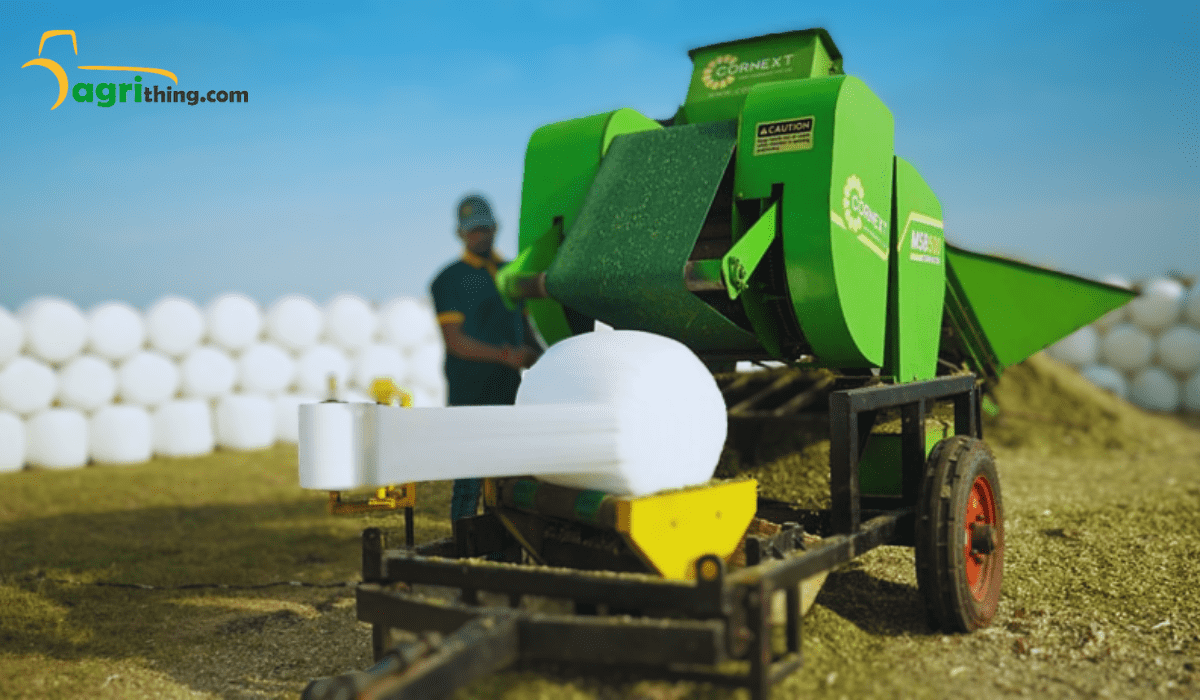
Author: Usama Team

  • Effective Corn Silage Packing Techniques for Optimal Fermentation

    Effective Corn Silage Packing Techniques for Optimal Fermentation

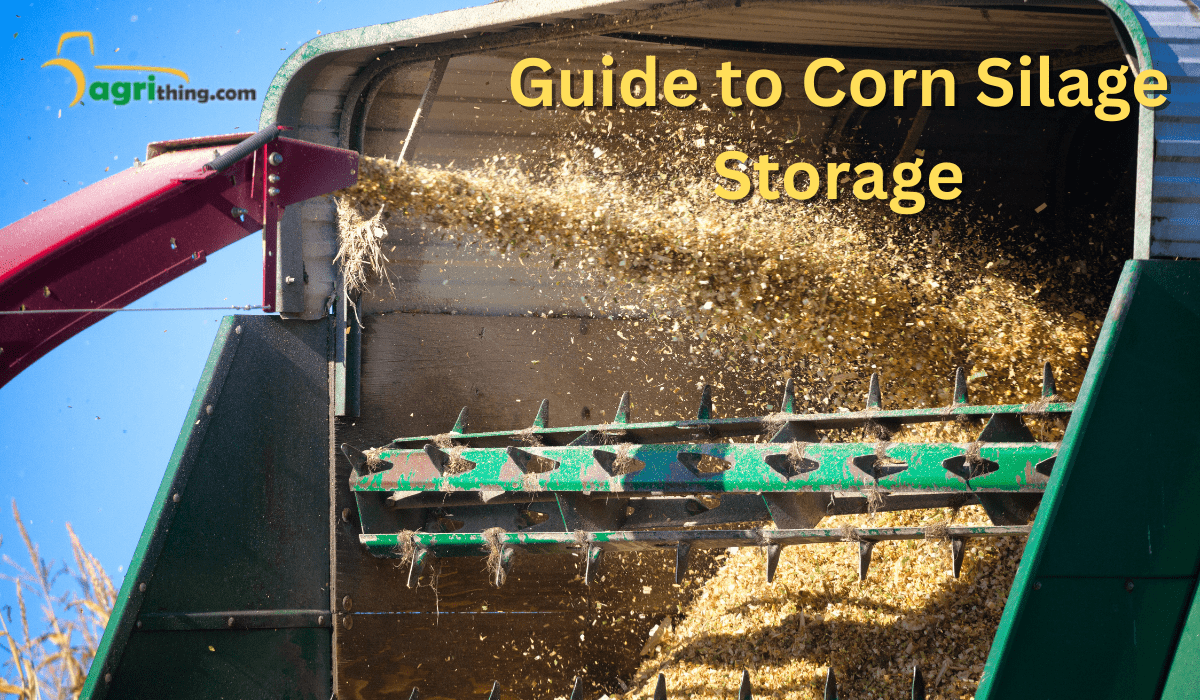
    Corn silage is an important food for animals. It gives them the stuff they need to stay healthy and strong. But to make sure it’s good and does its best, we have to pack it upright. This article talks about the best ways of corn silage packing techniques so it gets fermented well and keeps all its good nutrients.

    Introduction

    Corn silage packing is really important for making it into good and healthy food for animals. When we pack it right, it gets fermented properly and keeps all its important nutrients. To do this, we need to think about a few things and use certain techniques while packing it up. These things help create the right conditions and make sure we don’t lose any of the good stuff in the silage.

    Importance of Effective Packing

    Efficient Corn silage packing is important for creating a space without oxygen, which helps good bacteria grow and stops harmful microorganisms. When silage is packed correctly, the lack of oxygen helps sugars turn into organic acids, which lowers pH levels and stops them from spoiling. The best packing methods remove as much air as possible, which improves fermentation and keeps important nutrients preserved.

    Factors Affecting on corn silage packing for Fermentation

    Several factors of corn silage packing  can influence the fermentation process and ultimately impact the quality of corn silage. These factors include:

    1. Chop Length and Particle Size

    The length of the chop and particle size affect the compaction and density of the silage mass. Optimal chop length promotes better corn silage packing and reduces the presence of oxygen.

    2. Moisture Content

    The moisture content of corn silage directly affects the fermentation process. An ideal moisture range of 60-70% allows for proper compaction and limits the growth of spoilage organisms.

    3. Dry Matter Density

    Achieving adequate dry matter density ensures the proper exclusion of oxygen, enabling anaerobic fermentation. Higher densities enhance compaction and minimize aerobic deterioration.

    4. Type and Quantity of Additives

    Additives such as inoculants or microbial inoculations can positively influence fermentation. They introduce beneficial bacteria that aid in rapid pH drop and inhibit harmful microorganisms.

    5. Time Interval between Harvest and Packing

    Minimizing the time between harvesting and packing is crucial to maintain high-quality corn silage. Delayed packing allows for undesirable fermentation and nutrient losses.

    Equipment and Tools for corn silage packing

    To achieve the best results when corn silage packing, it’s important to have the right equipment and tools. Here are some essential items to consider:

    1. Tractor with a Front-End Loader You’ll need a tractor with a front-end loader to move and distribute the chopped corn evenly during packing.
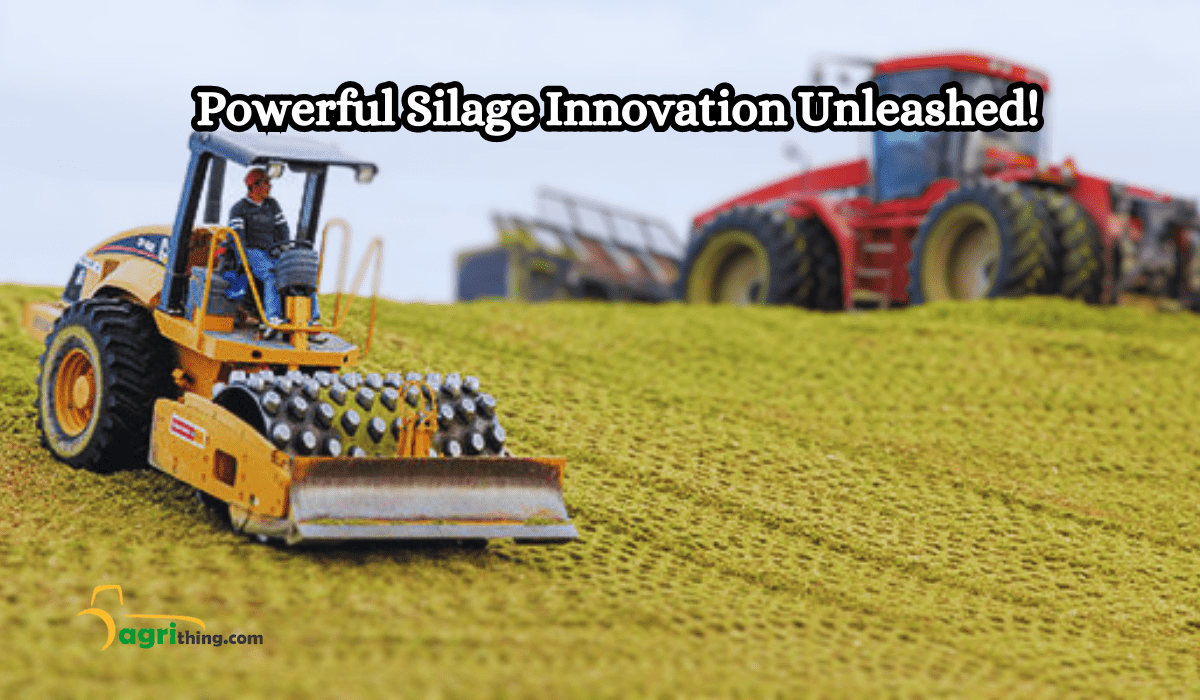
    2. Packing Tractor or Roller A packing tractor or roller is specially designed to compact the silage. It helps increase the density of the dry matter and gets rid of air pockets.
    3. Weighing Scale or Load Cells Using a weighing scale or load cells on the packing vehicle allows for accurate measurement of the amount of silage. This helps with feed management.
    4. Oxygen Barrier Films Using high-quality oxygen barrier films is crucial. They prevent air from getting in and reduce spoilage. Make sure the films are properly sealed to maintain the anaerobic conditions.
    5. Silage Covers and Securement Methods Choose durable and UV-resistant silage covers that can withstand the elements. Secure the covers tightly to prevent air from getting inside.

    Advantages of Corn Silage Packing

    ProsCons
    Enhanced fermentation: Effective packing techniques ensure optimal conditions for fermentation, leading to improved silage quality and nutrient preservation.Initial investment: Implementing efficient packing techniques may require an upfront investment in specialized equipment and tools.
    Higher feed value: Well-packed corn silage minimizes air pockets, reducing spoilage and nutrient loss, resulting in higher feed value for livestock.Time-consuming: Properly packing corn silage can be a time-consuming process, especially on larger farms with significant amounts of silage to pack.
    Improved storage stability: Adequate packing reduces the risk of spoilage and secondary fermentation, enhancing the storage stability of corn silage.Labor-intensive: Effective packing often involves manual labor, requiring additional workforce or machinery assistance.
    Increased dry matter recovery: Optimal packing techniques help achieve higher dry matter recovery rates, maximizing the overall efficiency of corn silage production.Skill requirement: Implementing effective packing techniques may require specialized knowledge and training to ensure proper execution.
    Reduced feed waste: Proper packing reduces the potential for spoilage, mold growth, and heating, minimizing feed waste and associated economic losses.Weather dependence: Weather conditions can impact the effectiveness of packing techniques, particularly in wet or rainy seasons.
    Improved palatability: Well-preserved corn silage through effective packing techniques enhances palatability, promoting higher feed intake and animal performance.Risk of inadequate packing: Inadequate packing can lead to poor fermentation, increased spoilage, and decreased feed quality.
    Environmental benefits: Efficient packing reduces the production of greenhouse gases, such as methane, during the fermentation process, contributing to environmental sustainability.Limited flexibility: Some packing techniques may restrict flexibility in accessing or removing silage from storage structures.

    Preparing for Corn Silage Packing

    Proper preparation is the key to successful silage packing. Follow these steps to ensure an effective packing process:

    1. Harvest at Optimal Moisture Content

    Harvest corn when the moisture content is between 60-70%. This moisture range provides an ideal environment for fermentation.

    2. Maintain Sharp Knives

    Ensure the knives on the forage harvester or chopper are sharp to achieve a consistent chop length, allowing for better compaction.

    3. Use a Kernel Processor (if applicable)

    If using whole-plant corn silage, consider using a kernel processor to break down the corn kernels. This step improves digestibility and aids in compaction.

    4. Check and Calibrate Equipment

    Before starting the corn silage packing process, inspect and calibrate the packing equipment to ensure proper functionality and accurate measurement of dry matter.

    5. Arrange Sufficient Labor

    Have an adequate number of skilled personnel available to manage the packing process efficiently. This ensures timely and effective compaction of the silage.

    Step-by-Step Packing Techniques

    Follow these step-by-step effective corn silage packing techniques to get the best fermentation results:

    Step 1: Layer the Silage Start by evenly spreading a layer of chopped corn silage on the packing area. Aim for a thickness of 6-8 inches for each layer.

    Step 2: Compact the Silage. Use a packing tractor or roller to firmly compress the layer. Apply enough pressure to remove air pockets and increase the density of the dry matter.

    Step 3: Repeat the Process. Keep adding layers of silage and compacting them until you reach the desired storage height. Maintain consistency throughout the packing process.

    Step 4: Pack the Edges. Give special attention to the edges of the silage pile. Use the tractor or roller to tightly pack the edges, creating a good seal.
    Step 5: Compact the Sidewalls If you’re using a bunker silo, compact the silage against the sidewalls to create a solid barrier. Proper compaction along the sidewalls reduces spoilage and prevents air from getting in.

    Monitoring and Adjusting Packing

    Monitoring and adjusting the corn silage packing process is important for achieving the best fermentation results. Consider the following:

    1. Check Dry Matter Density Regularly measure the dry matter density while packing. If the density falls below the recommended levels, adjust your packing techniques accordingly.
    1. Inspect for Air Pockets Frequently check the packed silage for any air pockets. Use a probing tool to identify areas that need additional compaction.
    2. Pay Attention to Edges and Sidewalls Make sure the edges and sidewalls are properly compacted. Revisit these areas if necessary to maintain a tight seal and keep out oxygen.
    3. Take Core Samples Take core samples from different parts of the silage mass to assess the dry matter content and pH levels. Adjust your packing techniques if necessary.

    Covering and Sealing Silage Bunkers

    After completing the corn silage packing process, it’s essential to cover and seal the silage bunkers properly. Follow these steps table:

    Steps and Description
    Step 1: Apply Oxygen Barrier Film: Place a high-quality oxygen barrier film over the entire surface of the packed silage. Ensure the film is intact and covers the edges securely
    Steps2: Overlap the Film Seams: Overlap the seams of adjacent film sections to create a continuous barrier. Use appropriate sealing methods, such as adhesive tapes or sandbags, to prevent air infiltration.
    Steps3: Weigh Down the Cover: Place heavy objects, such as tires or sandbags, on top of the silage cover to weigh them down. This helps maintain a tight seal and prevents wind damage.
    Steps4: Monitor Cover Integrity: Regularly inspect the silage cover for any damages or signs of air penetration. Repair any punctures or tears promptly to maintain anaerobic conditions.

    Evaluating Fermentation Quality

    To assess the fermentation quality of your corn silage, consider the following indicators:

    1. pH Level

    Measure the pH level of the silage using a pH meter. Well-fermented corn silage typically has a pH between 3.8 and 4.2.

    2. Aromatic Odor

    Properly fermented silage should have a pleasant, slightly acidic, and sweet aroma. Foul odors may indicate spoilage or undesirable fermentation.

    3. Visual Appearance

    Inspect the color and texture of the silage. Well-preserved corn silage is typically greenish-brown, with a uniform texture and absence of molds or visible spoilage.

    4. Dry Matter Content

    Determine the dry matter content of the silage to ensure it falls within the recommended range for your livestock’s nutritional needs.

    Benefits of Optimal Fermentation

    Implementing effective corn silage packing techniques and achieving optimal fermentation offers several benefits:

    Improved Nutrient Retention: Proper fermentation preserves valuable nutrients, ensuring that the feed maintains its nutritional value.

    Enhanced Digestibility: Well-fermented corn silage is more easily digested by livestock, leading to improved feed efficiency and performance.

    Reduced Spoilage and Waste: Optimal fermentation minimizes spoilage, reducing feed losses and saving valuable resources.
    Consistent Feed Quality: Properly packed and fermented corn silage provides a consistent feed source, promoting animal health and production.

    Common Mistakes to Avoid

    To optimize your corn silage packing, avoid these common mistakes:

    Insufficient Packing Density: When the corn silage is not packed tightly enough, it allows more oxygen to enter the fermentation process. This can harm the quality of fermentation and lower its effectiveness.

    Inconsistent Layer Thickness: Uneven thickness of the silage layers can lead to inconsistent fermentation and uneven distribution of nutrients throughout the feed.

    Improper Covering and Sealing: If the corn silage is not covered and sealed properly, air can get inside and spoil the feed, resulting in lower quality.
    Delayed Packing: Postponing the packing process allows for undesirable fermentation to take place, which reduces the quality of the feed and the retention of important nutrients.

    Frequently Asked Question

    What is the ideal chop length for corn silage?

     The best chop length for corn silage is usually 0.5 to 1 inch. This helps pack it well and reduces air space.

    Can I use additives to enhance fermentation?

    You can add substances like inoculants or microbial inoculations to introduce helpful bacteria. These bacteria help lower the pH quickly and prevent harmful microorganisms.

    How often should I monitor the packed silage?

    It’s important to regularly check the packed silage, especially at the beginning of fermentation, and make any necessary adjustments.

    What should I do if I detect spoilage or mold in the silage?

    If you find spoilage or mold in the silage, it’s very important to remove the affected parts. Make sure to pack and seal it properly to stop any more damage from happening.

    What is the recommended thickness for silage covers?

    To ensure durability and protect against environmental elements, silage covers should be at least 6 mils thick.

    Conclusion

    Properly corn silage packing is important for preserving nutrients and ensuring optimal fermentation. This article provides simple instructions to help you maintain high-quality silage for your animals. By following these steps, you can maximize the nutritional benefits of your corn silage and improve your farming outcomes. Good packing, covering, and monitoring are key to gaining uniform and dependable results.

    Want to purchase top-quality silage? Visit our Agricomplex website to explore our wide range of silage products.

    People Also Asked

    How do proper packing techniques help improve fermentation?

    Proper packing techniques increase density, remove oxygen, and create anaerobic conditions. This promotes efficient fermentation and reduces spoilage.

    What happens if corn silage is not packed correctly?

    If corn silage is not packed correctly, it can result in increased oxygen presence, poor fermentation, mold growth, loss of nutrients, and decreased feed quality.

    Is there a recommended moisture level for corn silage during packing?

    During packing, it is recommended to have a moisture level of around 65-70% for corn silage. This ensures optimal fermentation and preservation.

    Can silage additives improve the fermentation process?

    Yes, silage additives such as inoculants or microbial additives can enhance fermentation, prevent spoilage organisms, and improve silage quality.

    How long should corn silage be packed before covering it?

    Corn silage should be packed immediately after filling the silo, and it is advisable to cover it as soon as possible. This minimizes air exposure and helps maintain its quality.

    What are some signs of inadequate corn silage packing?

    Signs of inadequate corn silage packing include excessive heating, unpleasant odors, the presence of mold or yeast, high dry matter losses, and poor feed intake by animals.
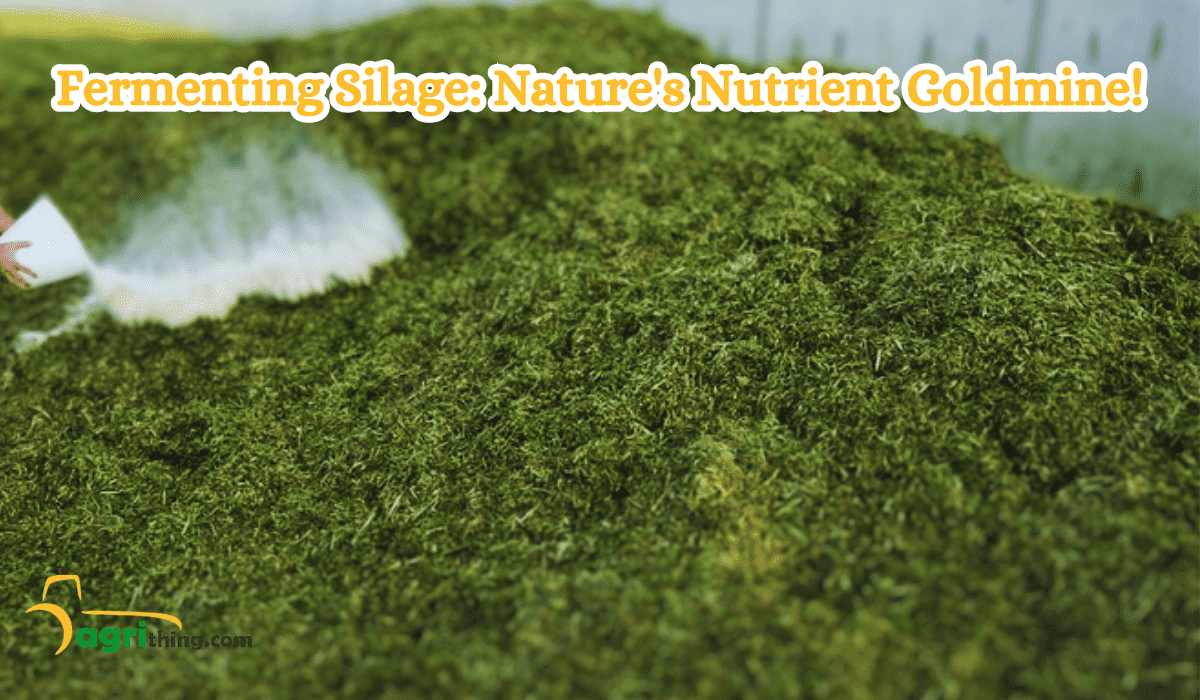
  • Master Silage Fermentation: Empower Your Farming Success

    Master Silage Fermentation: Empower Your Farming Success

    Silage Fermentation is important for feeding livestock. But ensuring the nutrients in the silage are available is challenging for farmers and nutritionists. To improve nutrient availability, we need to take a comprehensive approach. This means managing the soil, providing proper plant nutrition, preserving the silage, and using advanced technologies. This article will look at ways to make nutrients more accessible and get the most out of corn silage for feeding livestock.

    Introduction

    Silage Fermentation is a popular crop for feeding livestock because it produces a lot and has good nutrition. But the nutrients in Maize fodder can change depending on the soil, the type of corn, how it’s harvested, and how it’s stored. To ensure the animals get the best nutrition, we must deal with these challenges and use strategies that make the nutrients available.

    Understanding Nutrient Availability

    The amount of nutrients in the soil that plants can use is called nutrient availability. This is important for Silage Fermentation because it affects the plants’ nutrition. Several things can affect nutrient availability, like the pH of the soil, how much organic matter is in it, the balance of nutrients, and the presence of helpful microorganisms. The type of corn and how it’s grown also play a big part in how many nutrients the Maize fodder has and how easily it can be digested.

    Improving Nutrient Availability through Soil Management

    A healthy soil ecosystem is very important for providing enough nutrients for Silage Fermentation. Soil testing and analysis are helpful tools for finding out if there are any nutrient problems or imbalances. Once the results are known, the right soil amendments and fertilizers can be used to make sure the plants have the best nutrient balance for growing well. Taking care of the organic matter, planting cover crops, and rotating crops can also make the soil healthier and improve the availability of nutrients.

    Optimizing Nutrient Uptake through Proper Plant Nutrition

    To ensure Maize fodder has enough nutrients, giving the plants the right amount of nutrients they need is important. This includes macronutrients like nitrogen, phosphorus, potassium, and important micronutrients. Balancing these nutrients properly is crucial to help the plants grow well and take in as many nutrients as possible. The pH level of the soil is also very important for nutrient availability. Adjusting the pH to the right range can greatly affect how well the corn plants absorb the nutrients.

    Enhancing Digestibility and Fermentation of Silage

    How you harvest, and store Silage Fermentation can affect its nutrients and quality. Harvest when the moisture is right and chop it to the proper length to get it right. Additives like inoculants, organic acids, and enzymes can improve fermentation, help the nutrients get digested, and keep the silage in good condition.

    Preserving Nutrient Availability during Storage and Feeding

    Storing Corn forage properly is important for keeping its nutrients intact. It’s crucial to keep oxygen out, control moisture levels, and pack it tightly to achieve this. These factors affect the fermentation process and help prevent nutrient loss. By using good storage methods like covering silage piles and keeping storage structures airtight, you can preserve the nutritional value of the silage. Feeding it correctly is important, minimizing spoilage during feeding to ensure livestock gets the most out of the nutrients.

    Incorporating Advanced Technologies

    Technology advancements improve Silage Fermentation by making nutrients more available. Precision agriculture tools give accurate information on soil conditions, nutrient needs, and crop health. This helps us manage nutrients better. Better corn hybrids also make nutrients easier to get and digest. Scientists are always working on new ways, like adding helpful bacteria and special substances, to make silage better and use more nutrients.

    Optimizing Silage Fermentation: Effective Crop Management

    Soil preparation:

    First, test the soil for nutrients and pH levels. Then, use the right fertilizers and soil amendments based on the results to ensure the corn gets enough nutrients to grow well. It’s also important to have good soil drainage so the soil doesn’t get too wet and stop the crops from growing properly.

    Seed selection:

    Pick good corn seeds that are a good fit for your local weather and soil. Look for seeds that can produce a lot of corn, resist diseases, and grow quickly. It can also be helpful to plant corn seeds that have been genetically modified (GM) to tolerate herbicides or resist insects.

    Planting and spacing:

    Plant the corn seeds at the depth and spacing recommended for your chosen specific variety. Give enough space between each plant so that they get enough sunlight, air, and nutrients. Try to make sure the plants are evenly spread out to get the most corn in the end.

    Weed control:

    Create a plan to control weeds and reduce their impact on the corn plants. Weeds compete with corn for nutrients, water, and sunlight. You can use herbicides before and after the corn plants sprout or tools to physically remove the weeds. It’s also helpful to use a combination of different methods for weed management. Keep an eye out for weeds and take action promptly to keep them under control.

    Irrigation:

    Monitor soil moisture levels regularly and provide irrigation when necessary, especially during critical growth stages such as tasseling and silking. Avoid overwatering, leading to nutrient leaching and negatively impacting root development.

    Nutrient management:

    Create a well-rounded fertilization plan using information from soil tests, the nutrient needs of your crops, and recommended amounts to apply. Think about using natural sources of nutrients like compost or manure to improve the health of the soil. Dividing the application of nitrogen fertilizer can maximize nutrient absorption and reduce environmental harm.

    Disease and pest management:

    Keep a close eye on your corn plants for any signs of diseases, pests, or insect damage. If needed, use integrated pest management (IPM) techniques, which include cultural, biological, and chemical control methods. Remember to rotate your crops and maintain good field hygiene to reduce the risk of spreading diseases.

    Harvest timing:

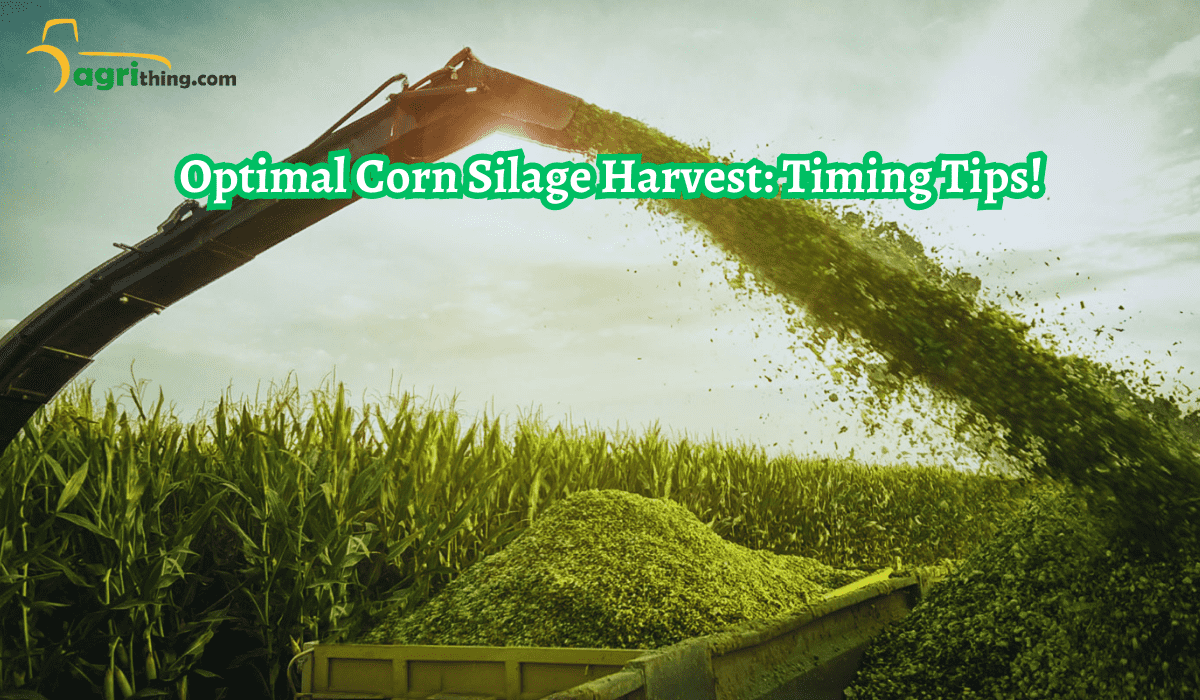
    Choose the right time to harvest Corn forage based on the desired moisture content and the crop’s maturity. Harvesting too soon can lead to lower yield and nutrient content, while delaying the harvest may decrease the forage quality. You can use moisture testers or observe plant indicators to determine the best time.

    Storage and fermentation:

    When assembling harvested Silage Fermentation, it’s important to do it correctly to prevent air from getting in and encourage anaerobic fermentation. Aim for a pH level of about 3.8-4.2, as it helps prevent spoilage and preserve the nutrient quality. Compact the silage adequately and cover it with an oxygen barrier film to promote successful fermentation and preservation.

    Feed analysis:

    Frequently analyze the Silage Fermentation to evaluate its nutritional composition, which includes protein, fiber, and energy levels. This data will assist you in creating well-balanced diets for your livestock, promoting their overall health and performance.

    Monitoring and Evaluation

    We need to monitor the nutrients and quality of silage to see if our strategies are working. By studying the nutrients, fermentation, and digestibility, we can learn how well our efforts to improve nutrients are doing. With the results, we can change our methods and ensure we have enough nutrients in Silage Fermentation.

    Conclusion

    Farmers should pay attention to soil management, plant nutrition, silage preservation, and advanced technologies to improve the nutrients in Silage Fermentation. Farmers can make Silage Fermentation more nutritious for animals by focusing on these things. To achieve this, they can use strategies like testing the soil, using the right amount of fertilizer, choosing the best seeds, controlling weeds, providing enough water, storing the silage properly, monitoring fermentation, and analyzing the feed. By keeping an eye on these strategies and making changes when needed, farmers can produce the best possible Corn forage, providing high-quality nutrition for animals.

    Frequently Asked Questions (FAQ’s)

    How is nutrient availability in Silage Fermentation enhanced?

    To improve the availability of nutrients in Silage Fermentation, it is important to use proper ensiling techniques and harvest it at the right time.

    Why is nutrient availability important in Silage Fermentation?

    Nutrient availability is crucial in Corn forage as it directly impacts the nutritional value and quality of the feed for livestock.

    What factors affect nutrient availability in corn silage?

    Many things affect the nutrients in Corn forage. These things include when it’s harvested, how it’s stored, and the activity of tiny organisms.

    Are there specific additives or treatments to enhance nutrient availability in corn silage?

    Certain additives, such as microbial inoculants, enzymes, and organic acids, can improve the availability of nutrients in Corn forage production.

    How does nutrient availability in corn silage impact livestock health?

    The nutrients in Corn forage affect the health of livestock. They give the animals what they need to grow, develop, and stay healthy.

    Want to purchase top-quality silage? Visit our Agricomplex website to explore our wide range of silage products.

    People Also Asked

    How long does it take for corn silage to ferment?

    Corn forage usually ferments for about three weeks, but the time can differ based on how wet the corn is, how long it’s chopped, and what additives are used.

    Can I use manure as a fertilizer for corn silage production?

    Manure is a great way to provide nutrients for growing corn silage. However, it’s important to use it correctly by following the right methods for applying it, choosing the right amount, and ensuring the nutrients are properly balanced.

    Are there any risks associated with using additives in silage?

    Using additives correctly can improve Silage fermentation, make nutrients more available, and prevent spoilage in silage. However, following the recommended amounts and application instructions is important to reduce any possible risks.

    Is it necessary to test the soil before planting corn?

    Before planting corn, it is strongly recommended to conduct a soil test. This test provides important information about the soil’s levels of nutrients and pH, which helps farmers make informed choices about how much fertilizer to apply and if any soil amendments are needed.

    What is the recommended moisture content for harvesting corn silage?

    Harvesting Corn forage is generally advised to aim for a moisture content of 60% to 70%. This range guarantees the right silage fermentation process and preserves the nutrients in the silage.

  • Forage Maize: Unleashing Growth and Well-being for Your Animals

    Forage Maize: Unleashing Growth and Well-being for Your Animals

    Forage Maize is a popular and nutritious food for animals. But there are some wrong ideas about it. In this article, we will debunk the top 5 Forage Maize myths and explain why it’s good for animals to eat.

    Introduction

    Silage maize is a type of food made from corn plants. It’s harvested at a specific stage and then fermented to keep its nutrients. Many people believe Forage Maize myths  that aren’t true. These myths can make farmers and animal owners miss out on the benefits of this great feed.

    Busting Forage Maize myths

    Myth 1: Forage Maize is low in nutritional value

    Many people wrongly believe that silage maize doesn’t have enough nutrients to help animals grow and be productive. But that’s not true at all. Forage Maize is actually very nutritious. It has a good mix of energy, protein, and fibre. It also has important minerals, vitamins, and carbohydrates that help animals stay healthy and perform well.

    Myth 2: Forage Maize is only suitable for cows

    There’s a common myth that Maize Forage is only for cows and not suitable for other types of animals. But that’s not true. Corn fodder  can actually be a good food choice for many animals, like goats, sheep, and even horses. The nutrients in silage maize make it a flexible option that can meet the dietary needs of different species.
    Myth 3: Forage Maize causes digestive issues in animals

    Many people think that feeding animals Maize Forage can give them digestive problems like acidosis or bloat. When corn fodder  is harvested and managed properly, it can be given to animals without any digestive issues. Following the right techniques, like checking moisture levels and using good inoculants, helps make sure the fermentation process produces high-quality silage that animals can digest well.

    Myth 4: Forage Maize is difficult to store and manage

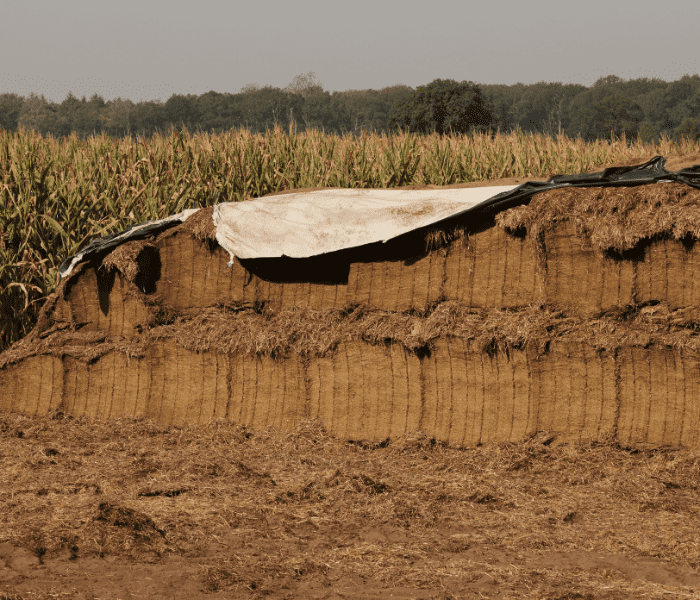
    Storing and managing Forage Maize can be seen as difficult, which makes some people think it’s not worth it. It’s true that silage maize needs the right storage places, like silos or bunkers, and it requires careful management. But it’s a manageable process with lots of benefits. By investing in the right storage structures and following recommended management practices, we can keep the corn silage  in good quality for a long time.

    Myth 5: Forage Maize is expensive and not cost-effective

    Some farmers are unsure about using Maize Forage because they think it’s expensive and not worth the cost. But that’s not true when you consider its nutritional value and benefits. Silage maize can actually be a cost-effective choice. It reduces the need to buy other feeds, helps animals perform better, and contributes to the overall profitability of the farm.

    Benefits of using Forage Maize

    Now that we’ve cleared up the misconceptions about Forage Maize. Let’s explore its many advantages:

    1. High nutritional value: Forage Maize contains a good balance of energy, protein, and fiber, meeting the dietary needs of different types of animals.
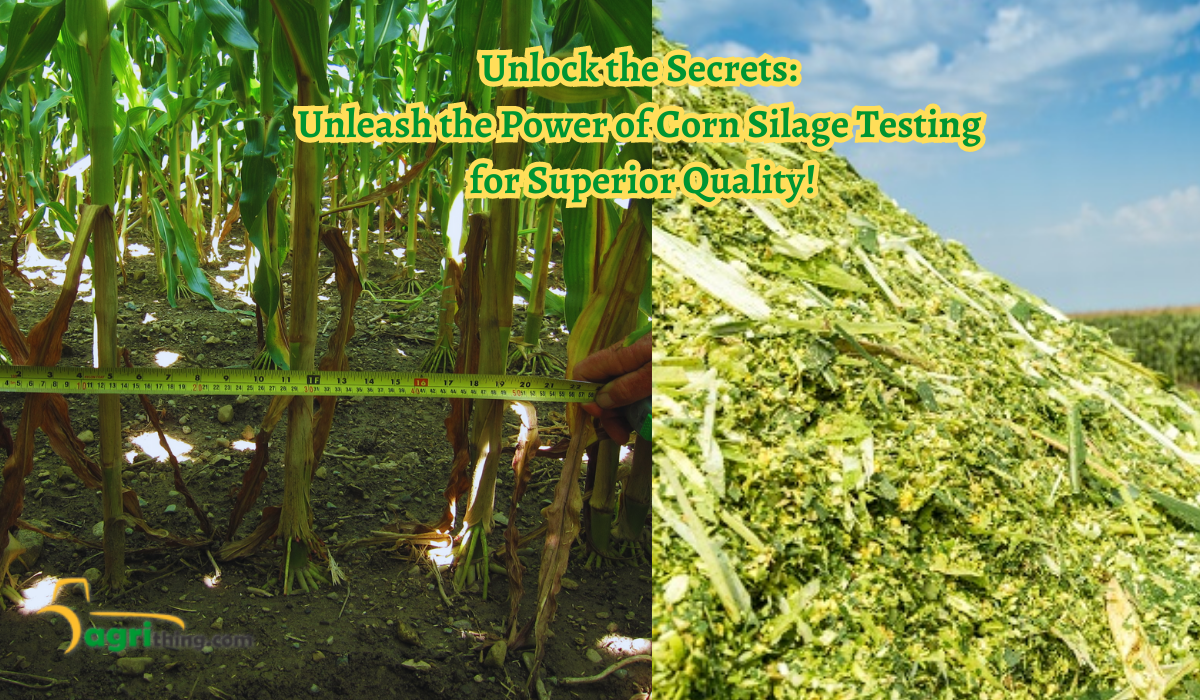
    2. Improved digestion: The fermentation process makes Forage Maize easier for animals to digest and use effectively.
    3. Efficient feed utilization: Maize Forage helps animals convert more of their food nutrients into productive outputs, improving overall feed efficiency.
    4. Flexible feeding options: You can use silage maize  as the main food source or mix it with other ingredients to create a varied diet for animals.
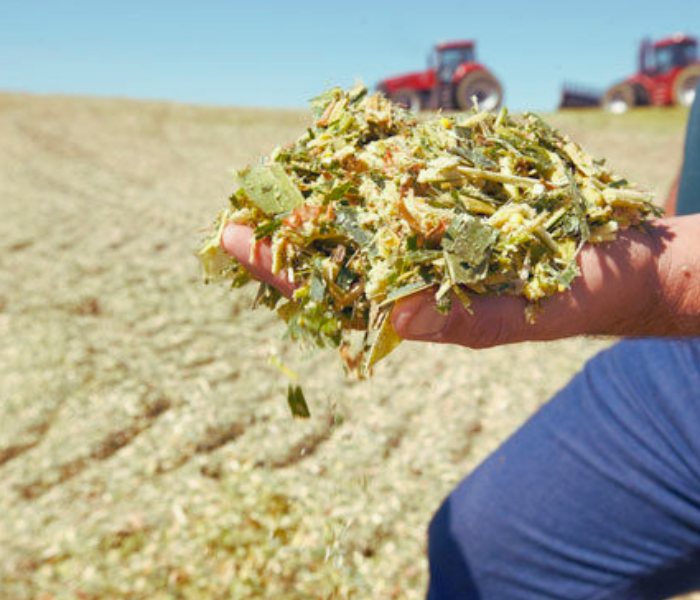
    5. Sustainable farming: By using maize forage, farmers can reduce their dependence on external feed sources, promoting sustainable farming practices.
    ProsCons
    Provides accurate informationMay require time and effort to dispel myths
    Enables informed decision-makingSome people may resist accepting new information
    Promotes better animal performanceMay face initial skepticism or resistance
    Supports sustainable farming practicesCan be challenging to change established beliefs
    Enhances livestock feed choicesRequires effective communication and education
    Improves nutritional valueMisinformation may still persist in some cases
    Increases digestibilityThe debunking process may need ongoing efforts
    Cost-effective feed optionPotential for misunderstandings or misinterpretations

    Debunking Myths About the Nutritional Value and Use of Maize Forage

    Myth debunked: Maize Forage is high in nutritional value

    Contrary to the myth, corn fodder is a highly nutritious feed option. Its balanced composition of energy, protein, fiber, and essential nutrients makes it an excellent choice for livestock.

    Myth debunked: Maize Forage is suitable for various livestock

    Corn fodder is not limited to cows; it can be successfully used in the diets of different livestock species, including goats, sheep, and horses.

    Myth debunked: Maize Forage is easily digestible

    When properly ensiled, corn fodder undergoes fermentation that enhances its digestibility, allowing animals to efficiently utilize the nutrients it contains.

    Myth debunked: Maize Forage can be efficiently stored and managed

    While Silage maize requires appropriate storage facilities and careful management, it is a manageable process with long-term benefits for farm operations.

    Myth debunked: Maize Forage is a cost-effective feed option

    Considering its nutritional value and benefits, Silage maize can be a cost-effective choice, reducing the need for purchased feeds and contributing to farm profitability.

    Conclusion

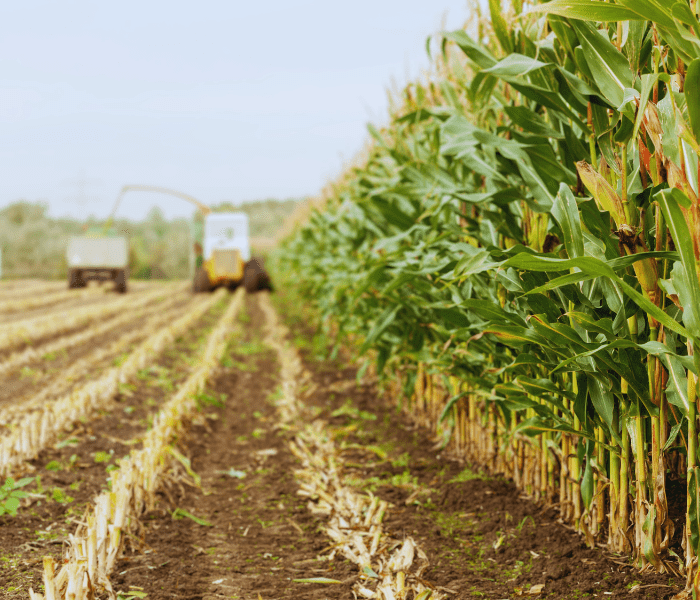
    Maize Forage is a good food option for farm animals. It has lots of important nutrients, is easy for them to digest, and is also affordable. By clearing up any false beliefs about Maize Forage, farmers and animal owners can decide if it’s a good choice for their animals. This helps the animals stay healthy and helps the farm operate in a sustainable way. By dispelling the corn silage myths surrounding it, we can promote informed decision-making and enhance sustainable agricultural practices.
    Frequently Asked Questions

    Can corn silage be fed to horses?

    Yes, corn fodder  can be fed to horses. It provides a good source of energy and fiber and can be included in their diet with appropriate supplementation.
    Is corn silage safe for small ruminants like goats?

    Certainly! Silage  maize can be safely fed to small ruminants like goats, as long as it is properly introduced into their diet and accompanied by other necessary nutrients.

    How long can corn silage be stored?

    With proper storage conditions, corn fodder  can be stored for several months to a year, ensuring a consistent feed supply throughout the year.

     What is the recommended feeding rate for corn silage?

    The recommended feeding rate of corn silage depends on the specific animal’s nutritional needs and dietary requirements. Consult with a nutritionist or veterinarian to determine the appropriate feeding rate for your livestock.

    Can corn silage be used in organic farming?

    Yes, corn fodder  can be used in organic farming. However, it’s important to ensure that the corn used for silage production complies with organic standards and regulations.

    Want to purchase top-quality silage? Visit our Agricomplex website to explore our wide range of silage products.

    People Also Asked

    What are the common myths about corn silage?

    Some people think corn silage is toxic to animals, but that’s not true. They also believe it causes bloat, but that’s not just a problem with corn silage. Additionally, some people think it leads to digestive issues, but when it’s balanced properly, it’s easy for animals to digest.

    How does corn silage affect animal nutrition?

    Corn silage provides energy, fiber, protein, vitamins, and minerals, which help animals stay healthy and grow.

    Can corn silage be harmful to livestock?

    If corn silage is harvested and fed correctly, it’s generally safe for animals. However, if it’s not fermented well, it can become contaminated with mycotoxins, which can be harmful. Also, high levels of nitrate in corn silage can be toxic, so protection is important.

    Is corn silage suitable for all types of animals?

    Suitability for animals: Corn silage is mainly suitable for animals with a ruminant, like cattle and sheep, because of how their digestive systems work.

    What are the advantages of using corn silage?

    Corn silage has many benefits. It provides a lot of energy, is cost-effective, can be stored for a long time, can be harvested at different times, and makes use of the whole corn plant, which helps animals use their feed efficiently.

  • Maize Fodder: Unlock Agricultural Success

    Maize Fodder: Unlock Agricultural Success

    Maize Fodder is an important food for animals on farms. It gives them energy, fiber, and nutrients to grow and stay healthy. Farmers use it to feed cows, pigs, chickens, and other animals. But giving each animal the right amount of corn fodder is important. In this article, we’ll talk about why giving animals the right amount of balancing corn silage rations is important and how to ensure they have a balanced diet.

    Understanding Corn fodder

    What is Maize Fodder?

    Maize silage is a forage made from the whole corn plant, including the grain and the stalk. It is harvested at a specific moisture content and ensiled to preserve its nutritional value. The fermentation process converts sugars in the plant material into organic acids, creating a stable feed source.

    Nutritional Value of Corn Fodder

    Corn fodder is an excellent source of energy and fiber. It contains carbohydrates, proteins, fats, minerals, and vitamins necessary for animal growth and maintenance. The nutritional composition of maize silage can vary depending on factors such as corn variety, maturity stage, and ensiling conditions.

    Balancing Maize Fodder Rations

    Importance of Balancing Rations

    Balancing rations involves formulating diets that meet the nutritional needs of livestock while optimizing production performance. By considering the specific requirements of each animal species, we can ensure a balanced intake of energy, protein, fiber, minerals, and vitamins, leading to improved growth, reproduction, and overall health.

    Factors to Consider

    When balancing maize fodder rations, several factors need to be considered. These include the animal’s age, weight, production stage, desired growth rate, and environmental conditions. It is essential to assess the nutrient content of maize silage and supplement it with other feed ingredients to achieve a well-rounded diet.

    Maize Fodder Rations for Dairy Cows

    Energy and Protein Requirements

    Dairy cows have high energy and protein demands due to milk production. Balancing their rations involves providing sufficient energy from balancing maize fodder ratios while ensuring an adequate protein source such as soybean meal or other protein supplements. The energy-to-protein ratio is crucial for maintaining milk production and reproductive performance.

    Mineral and Vitamin Supplementation

    In addition to energy and protein, dairy cows require specific minerals and vitamins for optimal health and milk quality. Balancing maize silage rations involves supplementing with minerals like calcium, phosphorus, magnesium and vitamins such as A, D, and E to meet their nutritional needs.

    Fiber Content and Digestibility

    Fiber is vital in maintaining rumen health and promoting proper digestion in dairy cows. Corn fodder is an excellent dietary fibre source, but its digestibility can vary. Balancing rations requires considering the fiber content and ensuring a balance between digestible and indigestible fiber to support rumen function

    Maize Fodder Rations for Beef Cattle

    Growth and Maintenance Requirements

    Beef cattle have different nutritional requirements based on their growth stage and purpose. Balancing corn fodder rations for beef cattle involves providing adequate energy for growth and maintenance. Depending on the desired endpoint, different energy-to-protein ratios can be adjusted to achieve the desired level of marbling and finish.

    Feeding maize Silage to Calves

    maize silage can be introduced to beef calves early to support their growth and development. However, care should be taken to ensure a gradual transition and avoid digestive upsets. Balancing rations for young beef calves involves providing a mix of milk replacer, starter feed, and small amounts of corn fodder.

    Feedlot Diets

    In the feedlot, maize silage serves as a staple component of finishing diets for beef cattle. Balancing rations requires considering energy density, protein supplementation, and the inclusion of other feed ingredients such as grains, protein concentrates, and roughage to optimize growth and meat quality

    Maize Fodder Rations for Swine

    Nutrient Requirements

    Swine have specific nutrient requirements for growth, reproduction, and overall health. Balancing maize silage rations for swine involves meeting their energy needs by including corn fodder and supplementing with other grains and protein sources to achieve the desired growth rate and lean muscle development.

    Feeding Strategies

    maize silage can be used as part of a balanced ration for swine, but its inclusion should be carefully managed. The high fibre content of corn fodder can impact nutrient digestibility and feed efficiency in swine. Balancing rations for swine involves adjusting the level of maize silage and incorporating enzymes or other additives to enhance nutrient utilization.

    Maize Fodder Rations for Poultry

    Energy and Protein Needs

    Poultry requires diets rich in energy and protein for growth, feathering, and egg production. Balancing corn fodder rations for poultry involves combining maize silage with other energy-dense ingredients such as grains, oilseeds, and protein supplements like soybean meal or fishmeal to provide a well-rounded diet.

    Supplementing with Other Feed Ingredients

    While maize silage can contribute to poultry diets’ energy and fiber content, it may not provide all the necessary nutrients. Balancing corn sillage rations for poultry includes supplementing with vitamins, minerals, and amino acids to meet their nutritional requirements and promote optimal growth and egg production.

    Considerations for Balancing Rations

    Feed Quality and Testing

    To accurately balance rations, it is essential to regularly evaluate the quality of corn fodder and other feed ingredients. Testing for moisture content, nutrient composition, and potential contaminants allows for precise formulation and adjustments to meet the nutritional needs of livestock.

    Adjusting Rations for Different Stages

    Livestock nutritional requirements vary at different growth, reproduction, and lactation stages. Balancing rations involves adjusting the proportions of corn fodder and other feed ingredients to meet the changing demands of animals throughout their life cycle.

    Optimizing Silage Rations: Key Considerations

    Assess the nutritional requirements of the animals: Determine the specific needs of the livestock in terms of energy, protein, fibre, vitamins, and minerals. This information can be obtained through professional consultation or referring to nutritional guidelines for the particular species.
    Analyze the quality of available silage: Conduct a laboratory analysis of the hay to assess its nutrient composition, including dry matter, crude protein, fiber levels, and energy content. This analysis helps determine the starting point for ration formulation.

    Meeting Livestock Nutritional Needs: Best Practices

    Assess nutritional requirements: Determine the specific needs of the livestock in terms of energy, protein, fibre, vitamins, and minerals. Consider factors such as age, weight, production stage, and breed to determine the nutritional requirements accurately.
    Analyze available feed sources: Evaluate the nutrient composition and quality of available feed sources, including forages, grains, concentrates, and supplements. Consider factors such as digestibility, protein content, energy content, and potential nutrient deficiencies.

    Effective Silage Feeding: Strategies for Success

    Proper storage and preservation: Ensure the silage is properly harvested, stored, and preserved to maintain its nutritional quality. Respond to moisture content, compaction, and additives like inoculants to enhance fermentation and minimize spoilage.
    Adequate feeding management: Implement a consistent feeding schedule and provide sufficient quantities of fodder to meet the animal’s nutritional requirements. When determining the feeding rate, consider the animal’s size, production stage, and environmental factors.

    Balancing Maize Fodder for Dairy Cows: Best Practices

    Formulate a balanced ration: Use the balancing corn fodder ration analysis and the cows’ nutritional requirements to formulate a balanced ration. As needed, add feed sources such as grains, forages, concentrates, and supplements to address any nutrient deficiencies or imbalances.
    Monitor performance and adjust: Regularly evaluate the cows’ milk production, body condition, and overall health to ensure the ratio meets their needs. Adjust the ratio based on observed changes, aiming for optimal milk production, reproductive performance, and cow well-being.

    Achieving Optimal Beef Cattle Rations with Maize Fodder

    Assess beef cattle nutritional requirements: Determine the specific nutritional needs of the beef cattle in terms of energy, protein, fiber, vitamins, and minerals. Consider age, weight, production stage, and breed to accurately determine their requirements.
    Analyze maize silage composition: Conduct a laboratory analysis to evaluate its nutrient composition, including dry matter, protein levels, fibre content, energy value, and mineral composition. This analysis helps determine the starting point for ration formulation.

    Optimizing Swine Rations with Maize Fodder

    Optimize inclusion levels: Determine the optimal inclusion levels of maize silage in the ration based on its nutrient composition and the nutritional requirements of the swine. Consider energy density, digestibility, and palatability to achieve an efficient and effective ratio.
    Seek professional advice: Consult with a nutritionist or swine industry expert to ensure the ration optimization process considers the swine herd’s specific needs, industry standards, and best practices for swine nutrition. Their expertise can provide valuable insights and guidance for achieving optimal swine rations with maize silage.

    Incorporating Corn fodder in Poultry Rations

    Consider digestibility and palatability: Evaluate the digestibility and palatability of corn fodder in poultry diets, making adjustments to the inclusion level and processing methods if necessary.
    Seek professional guidance: Consult a poultry nutritionist or industry expert to ensure the successful incorporation of corn fodder in poultry rations, taking into account industry guidelines and best practices

    Corn fodder nutritional value

    Maize Fodder is a valuable feed source with high energy due to its starch and fiber content. It is also fiber-rich, providing rumen fill and promoting proper digestion. Corn fodder contains essential minerals such as potassium, magnesium, and vitamins, including vitamins A and E. Its nutritional value makes it a beneficial component in animal diets for meeting energy requirements and supporting overall health.

    Maize Fodder versus haylage

    Corn fodder is a fermented forage made from whole corn plants and is high in energy, making it suitable for livestock with high energy requirements. Conversely, Haylage is fermented grass or legume forage and is typically lower in energy but higher in fiber compared to balancing corn fodder rations.

    Maize silage storage methods

    Corn fodder can be stored in bunker silos or silage bags, ensuring proper compaction and sealing to prevent air exposure and spoilage. Adequate storage methods help maintain corn fodderi’s quality and nutritional value for animal feeding

    Maize Fodder moisture content

    The moisture content of balancing maize silage rations typically ranges between 60% and 70%, depending on factors such as the maturity stage at harvest and desired fermentation process. Proper moisture content is crucial for successful fermentation and long-term storage of corn fodder

    Maize Fodder fermentation process

    During corn fodder fermentation, lactic acid bacteria convert sugars in the corn plant into lactic acid, reducing pH levels and preserving the forage. This process creates a stable and palatable feed with improved digestibility for livestock.

    Corn fodder additives

    Maize Silage additives such as inoculants or microbial additives can enhance fermentation and improve the stability and nutritional quality of the silage. Other additives like propionic acid can help inhibit spoilage organisms and extend the storage life of balancing corn fodder ration.

    Maize Fodder harvesting techniques

    maize silage can be harvested using a self-propelled harvester or a tractor-mounted forage harvester. The plants are chopped into small pieces, collected, and packed tightly to minimize air exposure for optimal fermentation.

    Conclusion

    Balancing maize fodder rations for different livestock species is crucial for optimizing animal health, growth, and production performance. By considering the specific nutritional requirements of dairy cows, beef cattle, swine, and poultry,
    farmers can create well-rounded diets that meet the needs of their animals. Regular testing and adjustments ensure that maize silage rations provide the necessary nutrients for livestock to thrive.

    Frequently Ask Questions (FAQ’s)

    How much corn silage should I feed my cows?

    The amount of maize silage to feed cows depends on factors such as their weight, production stage, and other feed ingredients in the ration. It is best to consult with a nutritionist to determine the appropriate quantity based on your specific herd’s needs.

    Can maize silage be used as the sole feed for pigs?

    Corn silage alone may not provide all the necessary nutrients for pigs. It is recommended to balance rations by including other feed ingredients to meet their specific nutrient requirements.

    What are the alternatives to corn fodder?

    Alternative forage options to maize silage include grass silage, alfalfa silage, and other legume forages. These can be used to diversify rations and provide a mix of nutrients for different livestock

    How often should I test the quality of my maize silage?

    It is recommended to test balacing corn fodder ration quality at least once a year before feeding to ensure accurate nutrient composition. Additional testing may be necessary if there are significant changes in crop conditions or storage practice

    Where can I find more information on balancing livestock rations?

    Consult with a qualified nutritionist or veterinarian for personalized advice on balancing livestock rations. Additionally, agricultural extension services, research institutions, and reputable online resources can provide valuable information and guidelines.

    Want to purchase top-quality silage? Visit our Agricomplex website to explore our wide range of silage products.

    People Also Ask

    Are there any risks or concerns when using corn silage in livestock feeding?

    Some risks and concerns are associated with using corn silage in livestock feeding. These include the potential for mycotoxin contamination, improper fermentation leading to spoilage or nutrient loss, and the need for proper ration formulation to ensure a balanced diet for the animals.

    How is corn fodder used in livestock feeding?

    maize silage is commonly used as a primary forage source in livestock feeding, providing energy and fibre for ruminants and monogastric animals. It is incorporated into rations or diets to meet the nutritional needs of livestock, supporting growth, production, and overall animal health.

    Why is balancing corn silage rations important?

    To meet their specific nutritional requirements, balancing maize silage rations is important to ensure that livestock receives the right proportions of nutrients, such as energy, protein, fiber, vitamins, and minerals. Proper balancing optimizes animal performance, growth, reproduction, and overall health.

    What are the key nutrients in corn fodder?

    The key nutrients in corn fodder include carbohydrates, such as starch and fiber, which provide animal energy. It also contains essential minerals and vitamins, including potassium, magnesium, A, and E.

    How do you balance corn fodder rations for dairy cows?

    To balance corn silage rations for dairy cows, assess their nutritional requirements and analyze the composition of maize silage. Adjust the inclusion levels of additional feed sources, such as grains, protein supplements, and forages, to meet the cows’ energy, protein, fiber, and mineral needs.

  • Corn Silage and Haylage: Discover the Secret to Thriving Animals

    Corn Silage and Haylage: Discover the Secret to Thriving Animals

    When farmers need to feed their livestock, they have different choices. Two common options are corn silage and haylage, which are both types of food that give animals important nutrients. It’s important for farmers to know the parallels and differences between corn silage and haylage, so they can decide which one is best for their farm. In this article, we will look at the qualities, advantages, and things to think about when choosing between corn silage and haylage.

    What is Corn Silage?

    Corn silage is a feed made from whole corn plants that are chopped, packed, and fermented in silos. It is a highly digestible forage, rich in energy and essential nutrients. Corn silage is typically harvested when the corn plant is at the optimal moisture level, ensuring proper fermentation and preservation.

     Benefits of Corn Silage

    High energy content: Corn silage provides a concentrated source of energy, making it suitable for high-producing dairy cows and beef cattle.

    Great in nutrients:

    It contains nutrients such as carbohydrates, proteins, and minerals, promoting healthy growth and milk production.

    Versatility:

    Corn silage can be easily mixed into a well-balanced diet for various livestock species.

    Consistent quality:

    When properly harvested and stored, corn silage offers uniform nutritional quality throughout the year.

    What is Haylage?

    Haylage, which is also called grass silage, is created by cutting grass or other forage crops and then immediately storing them without drying. The forage is tightly wrapped in plastic, creating an airtight environment for fermentation to occur. This process helps retain the nutrients in the forage and reduces the amount of dry matter lost.

    Benefits of Haylage

    Improved palatability: Haylage tends to be more appealing to livestock than dry hay due to its moisture content and enhanced aroma.

    Higher nutrient retention: The ensiling process helps retain a greater portion of the forage’s original nutrient content, resulting in improved feed efficiency.

    Reduced risk of mold and dust: The airtight wrapping minimizes exposure to external factors, reducing the chance of decay development and dust contamination.

    Enhanced digestibility: Haylage’s fermentation process breaks down complex carbohydrates, making it easier for animals to digest and absorb nutrients.

     Corn Silage vs. Haylage: Differences and Similarities

    Nutritional FactorsCorn Silage Haylage
    Moisture ContentHighModerate To Low
    Energy ContentHighModerate
    Protein ContentModerate to HighModerate
    Fiber ContentModerate to LowHigh
    Fat ContentLowLow
    Mineral ContentModerateModerate
    DigestibilityModerateModerate To High
    pH LevelSlightly AcidicSlightly Acidic
    Vitamin ContentModerateModerate

    Nutritional Content

    While both corn silage and haylage are nutritious forages, they differ in their nutritional composition. Corn silage tends to have higher energy content and lower fiber content compared to haylage. On the other hand, haylage contains more fiber, providing additional roughage to the animal’s diet.

    Fermentation Process

    Corn silage and haylage go through different fermentation processes. Corn silage ferments using lactic acid, while haylage undergoes both lactic and acetic acid fermentation. These differences in fermentation can affect how easily the forages are digested and how stable they are over time.

    Storage and Shelf Life

    Corn silage is usually stored in tall silos or wide bunkers, while haylage is stored in bales wrapped in plastic or stacked with plastic covering. The storage method chosen depends on the farm’s setup and how much feed is needed. When stored correctly, both corn silage and haylage can last a long time, giving farmers a year-round supply of feed for their animals.

    Factors to Consider

    Farming Conditions

    Farmers need to consider their farming conditions when deciding between corn silage and haylage. Factors such as climate, soil type, available land, and equipment play a role in determining the suitability of each forage option.

    Livestock Requirements

    When deciding between corn silage and haylage, it’s important to think about the nutritional needs of the animals. Different types of animals and different stages of production have different requirements for nutrients. By studying the animals’ dietary needs and getting advice from a nutritionist, you can figure out which forage option is best for them.

    Comparison Between Corn silage and haylage

    AspectCorn SilageHaylage
    DefinitionA type of forage made from whole corn plantsA type of forage made from grass or legumes
    ProductionHarvested when corn plants are mature and the grain is not fully developedHarvested when grass or legumes are in their optimal growth stage
    Nutrient ContentHigh energy and moderate protein contentModerate energy and variable protein content depending on the forage used
    DigestibilityHighly digestible due to the fermentation processDigestibility depends on the forage used, generally lower than corn silage
    Moisture ContentTypically higher moisture content (about 65-70%)Moisture content varies but is generally lower than corn silage
    FermentationFermented in an anaerobic environmentFermented in an anaerobic environment
    Fermentation TimeRequires several weeks of fermentation before it can be fed to livestockCan be ready for feeding in a shorter fermentation period
    StorageCan be stored in silos or bunkersCan be stored in silos or wrapped bales
    FeedingFed to dairy cattle and other livestock as a source of energy and fiberFed to livestock as a source of forage and fiber
    AdvantagesHigh energy content, good for milk productionSuitable for horses and animals with lower energy requirements
    DisadvantagesRequires specialized equipment for harvest and storageRequires careful monitoring of moisture levels to prevent spoilage

    Making the Right Choice

    Using corn silage or haylage depends on what the farm needs and wants. Things like how much you want to make, how big the packs are, what nutrients are needed, and what resources are available should help you make a choice. It’s a good idea to talk to a nutritionist or expert in farming to get advice that fits the farm’s situation.

    Conclusion

    Both corn silage and haylage are important choices for farmers who raise livestock. It’s important for farmers to know the variations in nutritional content, fermentation processes, and storage methods to make a smart choice. By considering their farming conditions and the needs of their animals, farmers can pick the best forage option for their farms. This helps keep their animals healthy and productive.

    Frequently Asked Questions (FAQ’s)

    Can corn silage and haylage be fed to all types of livestock?

    Corn silage and haylage can be fed to different types of livestock, such as dairy cows, beef cattle, horses, and goats. However, it’s important to remember that each species has its own unique nutritional needs. It’s necessary to consider these requirements and make adjustments to the feeding plan accordingly.

    How long can corn silage and haylage be stored?

    If stored correctly, both corn silage and haylage can stay fresh for a long time. Corn silage can last from a few months to a year, while haylage can remain usable for up to two years.

    Is haylage more expensive to produce than corn silage?

    The cost of producing haylage and corn silage can vary depending on factors such as labor, equipment, and forage quality. Generally, the cost of producing haylage may be slightly higher due to the additional steps involved in ensiling and wrapping the forage.

     Can corn silage and haylage be used together in a feeding program?

    Yes, corn silage and haylage can complement each other in a feeding program. Combining both forages can provide a balanced diet, combining the energy content of corn silage with the fiber content of haylage.

    Is there a specific time of the year to harvest corn for silage?

    The timing of harvesting corn silage depends on the desired moisture content of the plants. It’s usually done when the corn plants reach the right level of moisture, which can differ based on the region and the specific corn hybrid being used. Seeking advice from local agronomists or extension services can help determine the best time to harvest corn silage.

    Want to purchase top-quality silage? Visit our Agricomplex website to explore our wide range of silage products.

    People Also Asked

    What is corn silage and haylage?

    Corn silage is a type of forage made from whole corn plants. It is harvested when the plants are mature but before the grain fully develops. Haylage is a type of forage made from grass. It is harvested at an optimal growth stage and has a higher moisture content compared to dry hay.

    Which one is more nutritious for livestock?

    Corn silage is generally more nutritious for livestock compared to haylage. Haylage, on the other hand, has moderate energy content and variable protein levels depending on the forage used.

    Can both corn silage and haylage be used as feed for dairy cows?

    Yes, both corn silage and haylage can be used as feed for dairy cows. Corn silage is commonly included in dairy cow diets due to its high energy content. Haylage can also be part of dairy cow rations, providing fiber and nutrients.

    How do you store corn silage and haylage?

    Corn silage is typically stored in silos or bunkers. The chopped corn plants are packed tightly into the storage structure. The silo or bunker is then sealed to maintain proper conditions and prevent spoilage. Haylage is stored in a similar manner. It is often placed in silos or tightly wrapped in plastic bales to create an anaerobic environment.

    Can corn silage and haylage be used for horses?

    While corn silage and haylage can be fed to horses, they are not the most suitable options. Horses have specific dietary requirements, and their digestive systems are adapted for consuming primarily dry forage like hay or pasture.

  • The Ultimate Guide to Optimal Irrigation Systems

    The Ultimate Guide to Optimal Irrigation Systems

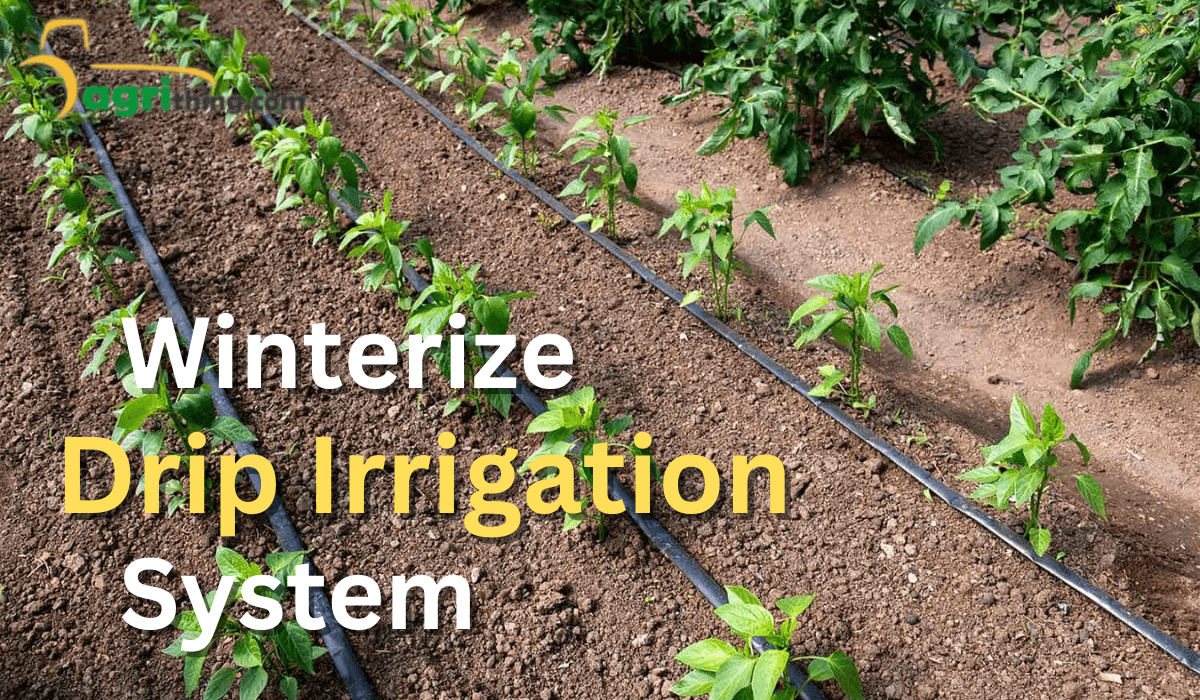
    Plants need water to grow. Old-fashioned ways of watering plants waste water and don’t give plants the nutrients they need. This can make plants unhealthy and reduce how much they produce. But now, there’s Drip Irrigation. It’s an excellent way for farmers and gardeners to keep plants healthy and save water. In this article, we’ll talk about the benefits of Irrigation system, what it’s made of, the different types, and how to Enhance Plant Health with Irrigation system.

    What is Drip Irrigation?

    Drip irrigation is an irrigation technique to water plants where the water goes right to the roots in a slow and controlled way. Instead of covering the whole field or garden with water, it comes out in drops. This saves water because less of it evaporates, and it’s used efficiently. With drip irrigation, plants have fewer weeds and less chance of acquiring disease.

    Advantages of Trickle Irrigation

    Drip irrigation offers numerous advantages over old irrigation methods:

    Saves Water:

    Drip irrigation can save up to 50% more water than old methods. It reduces evaporation and runoff, so less water is wasted.

    Improved Nutrient Efficiency:

    Water is distributed precisely to the plants’ roots with trickle irrigation. This helps plants absorb nutrients better, which improves their growth and overall health.

    Reduced Weed Growth:

    The surface remains dry since water is supplied directly to the root zone. This stops weed growth. Because weed needs water to grow. As a result, there is less competition for nutrients and water between the plants and the weeds.

    Prevention of Soil Erosion:

    Drip irrigation delivers water gently, which minimizes soil erosion. This means the soil particles are not displaced, keeping the land more stable and preventing erosion.

    Flexibility in Terrain:

    Drip irrigation is suitable for different terrains, including hilly or uneven landscapes. It can adjust to various land shapes and contours.

    Components of Micro Irrigation System

    A drip irrigation system has several important parts:

    Water Source

    You need a water source like a well, pond, river, or city water supply. It should be big enough to provide the water needed for irrigation.

    Mainline

    The mainline carries water from the source to where you want to irrigate. It’s usually made of PVC or polyethylene pipes. A filter and pressure regulator connect it to the water source.

    Sub-Mainline

    The sub-mainline takes water from the mainline and distributes it to different areas within the field or garden. It’s smaller and more flexible than the mainline.

    Drip Lines or Emitters

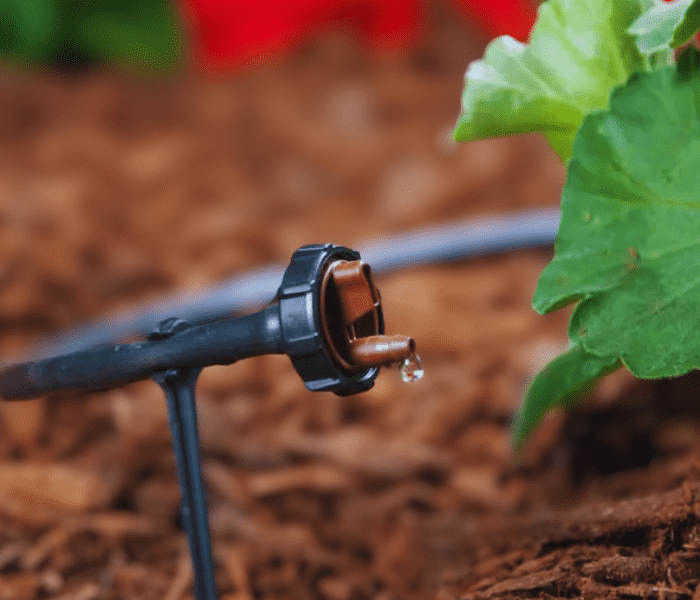
    Drip lines or emitters are responsible for delivering water right to the plants. They’re installed along the rows of crops or around individual plants and release water in controlled amounts.

    Filters

    Filters are critical because they remove dirt, sediment, and other impurities from the water before it reaches the emitters. This helps to prevent clogs and keeps the system working well.

    Pressure Regulators

    Pressure regulators make sure the irrigation system has the right amount of pressure. This helps protect the emitters from damage and ensures that water is distributed evenly.

    Backflow Preventer

    A backflow preventer stops water from flowing backward from the irrigation system into the main water supply. This helps to prevent contamination and keeps the water supply safe.

    Types of Drop-by-Drop Irrigation Systems

    Different types of drop-by-drop irrigation systems serve various purposes:

    Surface Drip Irrigation

    In surface drip irrigation, the drip lines are placed on the soil surface near the plants. This method works well for row crops, orchards, and vineyards.

    Subsurface Drip Irrigation (SDI)

    Subsurface drip irrigation involves planting the drip lines beneath the soil surface. This way, water is delivered directly to the root zone of the plants. SDI is commonly used for row crops, horticulture, and in greenhouses.

    Container Drip Irrigation

    Container drip irrigation is designed for potted plants, hanging baskets, and containers. It ensures proper and targeted watering while preventing water runoff.

    Greenhouse Drip Irrigation

    Greenhouse drip irrigation systems are designed specifically for greenhouse cultivation. They provide precise watering to potted plants or raised beds within the greenhouse.

    Designing a Drip Irrigation System

    When designing an efficient drip irrigation system, it’s essential to consider several factors:

    Crop Water Requirement:

    Understanding how much water the crop needs is essential. This ensures the irrigation system provides the right amount of water for optimal plant growth.

    Soil Type and Texture:

    The type and texture of the soil affect how water is absorbed and drained. This influences the placement and spacing of the emitters to ensure sufficient water distribution.

    Crop Spacing and Layout:

    The arrangement of plants and the distance between rows impact the distribution and coverage of the drip lines. Proper spacing and layout help ensure that each plant receives sufficient water.

    Water Quality:

    Assessing the quality of the water is essential. It helps to select suitable filters, preventing clogging or damage to the emitters caused by debris or impurities in the water.

    Pressure and Flow Rate:

    Calculating the pressure and flow rate of the system is vital. This ensures that the water is distributed evenly and consistently throughout the irrigation area. Thus, promoting uniform plant growth.

    Considering these factors during the design process helps create an efficient trickle irrigation system that meets the specific requirements of the crop and soil, optimizing water usage and promoting healthy plant growth.

    Installation and Maintenance of Drop-by-Drop Irrigation System

    Properly installing and maintaining a drop-by-drop irrigation system is crucial for optimal performance. Here are the steps for installation and guidelines for maintenance:

    Installation Steps:

    Prepare the Irrigation Area:

    Clear the area of debris and level the ground to ensure a smooth installation.

    Lay Out the Lines:

    Follow the design plan to lay out the mainline, sub-mainline, and drip lines in their designated positions.

    Connect Components:

    Connect all the necessary components, such as filters, pressure regulators, and backflow preventers, to the irrigation system.

    Test and Adjust:

    Test the system for leaks and make necessary adjustments to the pressure and flow rate to ensure proper functioning.

    Mulch Application:

    Cover the drip lines with mulch to help retain moisture in the soil and protect the lines from potential damage.

    Maintenance Guidelines:

    Regular Inspection:

    Check the system for any leaks, clogs, or damaged components that may hinder its performance.

    Clean and Flush:

    Regularly clean the filters and flush the system to remove any sediment or debris that may cause blockages.

    Emitter Adjustment:

    Adjust the emitters as needed to ensure water is evenly spread among the plants.

    Monitor Soil Moisture:

    Monitor the moisture levels in the soil and adjust the watering schedules accordingly to prevent over or under-watering.

    Winter Protection:

    If necessary, take steps to winterize the system and protect it from freezing temperatures that could cause damage.

    Following these installation steps and maintenance guidelines ensures that your drip irrigation system operates optimally, providing proper irrigation for your plants.

    Water Management and Efficiency Practices

    Efficient water management is essential in micro irrigation to maximize water usage. Here are some practices to optimize water efficiency:

    Irrigation Scheduling:

    Develop an irrigation schedule based on the crop’s water needs, weather conditions, and soil moisture levels. This ensures that plants receive sufficient water without excessive irrigation.

    Mulching:

    Apply organic or artificial mulch around the plants. This helps to preserve soil moisture, reduce evaporation, and stop weed growth, allowing more efficient water usage.

    Irrigation Timing:

    Water the plants during the early morning or late afternoon. This minimizes water loss due to evaporation, as these times have lower temperatures and reduced wind speed.

    Pressure Regulation:

    Maintain the suggested pressure in the drip irrigation system. This ensures uniform water distribution among the plants.

    By executing these practices, you can improve water management in trickle irrigation, optimize water usage, and promote healthier plant growth.

    Drip irrigation contributes significantly to enhancing plant health:

    Precise Water Application:

    Micro irrigation is a method of watering plants that send water to their roots, which helps prevent diseases caused by wet leaves.

    Reduced Soilborne Diseases:

    Using micro irrigation, the water in the soil stays more consistent, making it harder for harmful pathogens to survive and cause diseases.

    Root Development:

    A steady water supply in the root zone helps plants grow strong and healthy roots, allowing them to take in more nutrients.

    Reduced Nutrient Leaching:

    Using trickle irrigation also helps prevent nutrients from being washed away by too much water, which means plants can use the nutrients more effectively.

    Drop-by-Drop Irrigation System Nutrient Management

    Drip irrigation helps manage nutrients effectively for plants to grow their best:

    Fertigation:

    Fertigation means putting fertilizers or nutrients directly into the irrigation system. This makes sure that nutrients are delivered accurately and to the right places.

    Proper Nutrient Balance:

    Applying nutrients through the irrigation system makes it easier to keep a good balance of nutrients for each type of crop. This leads to healthier plants overall.

    Checking Nutrient Levels:

    Regularly testing soil and plant samples helps determine the right amount of nutrients based on the crops’ needs.

    Drip irrigation aids in Pest and Disease Control

    Controlling Pests on Leaves:

    Micro irrigation keeps the leaves dry, which makes it harder for pests like aphids, mites, and fungal diseases to thrive.

    Less Weed Growth:

    Micro irrigation limits the water weeds can access, stopping their growth and reducing resource competition.

    Integrated Pest Management (IPM):

    Combining drip irrigation with IPM techniques, such as helpful insects or organic pest control methods, can successfully manage pests.

    Weed Control by Drip Irrigation

    Drip irrigation is beneficial for managing weeds:

    Mulching:

    Placing mulch helps stop weeds from growing by blocking sunlight, which prevents weed seeds from sprouting.

    Targeted Watering:

    Drop-by-drop irrigation delivers water straight to the plants, keeping the soil surface dry and preventing weed seeds from germinating.

    Herbicide Drip Tape:

    Specialized drip tapes that contain herbicides can directly target and control weeds, reducing the need for spraying chemicals.

    Conclusion

    Drip irrigation system is a great way to improve plant health and save water. It allows for precise and controlled watering, helps manage nutrients effectively, and controls pests. These factors result in healthier plants, better harvests, and sustainable farming practices. Farmers and gardeners can use drip irrigation to make the most of water resources, minimize environmental harm, and enjoy long-term economic advantages.

    Frequently Asked Questions (FAQ’s)

    Can drip irrigation be used in all types of soil?

    Micro irrigation can be used in different soil types, such as sandy, loamy, and clayey soils. However, it’s essential to consider the characteristics of the soil when designing and managing the system.

    Is drip irrigation suitable for large-scale agriculture?

    Trickle irrigation is suitable for both small-scale and large-scale agriculture. It can be tailored to meet the specific needs of various crops and farming methods.

    Does drip irrigation require a constant water supply?

    Micro irrigation needs a steady water supply but generally uses less water than traditional irrigation methods.

    How often should I check and clean the filters in a drip irrigation system?

    It’s recommended to check and clean the filters in a micro irrigation system regularly, preferably once a month or whenever you notice a decrease in water flow or pressure.

    Are drip irrigation systems expensive to install?

    Although the initial cost of installing micro irrigation systems may be higher than traditional systems, the long-term savings in water usage and increased crop productivity often lead to a positive return on investment.

    Want to purchase a Drip irrigation system Accessories? Visit our Agricomplex website to explore our wide range of irrigation products.

    People Also Asked

    How does drip irrigation control weeds?

    Micro irrigation helps control weeds in three ways. First, it uses mulching to block sunlight and prevent weed growth. Second, it delivers water directly to the roots, keeping the soil surface dry and preventing weed growth. Third, it can use herbicide drip tape to directly control weeds.

    Can drip irrigation help with pests and diseases?

    Yes, trickle irrigation can help control pests and diseases. It keeps the leaves dry, which reduces the chances of pests and diseases spreading. It also reduces weed growth, which can hold pests. Additionally, trickle irrigation allows for integrated pest management techniques.

    How does drip irrigation assist with nutrient management?

    Micro irrigation helps manage nutrients by allowing for fertigation. Fertigation accurately delivers fertilizers or nutrients directly to the irrigation system. This ensures that plants receive the right balance of nutrients for optimal growth.

    What are the benefits of using drip irrigation?

    Using micro irrigation has several benefits. It improves plant health, conserves water, increases harvest yields, promotes sustainable farming practices, and provides long-term economic advantages.

    What are the different types of drip irrigation systems?

    There are four drop-by-drop irrigation systems: surface drip irrigation, subsurface drip irrigation (SDI), container drip irrigation, and greenhouse drip irrigation.

  • Nutrient Management: Unlock Optimal Growth and Yield

    Nutrient Management: Unlock Optimal Growth and Yield

    Corn silage nutrient management is important for feeding animals. It is nutritious and easy for them to digest. It helps them grow and perform well. This article will explain how to take care of corn silage so that it provides the most nutrition and keeps animals healthy.

    Introduction

    Livestock farmers know giving their animals a balanced and nutritious diet is crucial. Corn silage is made by fermenting chopped corn plants and is a great feed option. It has lots of energy and tastes good to animals. It’s a cheaper choice than regular crops and provides a steady supply of nutrients all year long. By corn silage nutrient management, farmers can make the animals healthier, improve how they digest their food, and make more money.

    Importance of corn silage storage

    Minimization of waste: Adequate storage reduces the risk of spoilage and deterioration of corn silage, minimizing feed losses and economic waste. Properly stored silage retains its nutrient content, allowing farmers to efficiently utilize their feed resources and optimize feed efficiency in livestock operations.

    Understanding Corn Silage Nutrition

    Analyzing the nutrient composition of corn silage through laboratory testing provides valuable information about its nutritional content. This includes assessing the levels of carbohydrates, protein, fiber, and minerals, which are essential for formulating balanced diets for livestock.
    Evaluating the dry matter content of corn silage helps determine its moisture level and nutrient concentration. Adjusting the dry matter intake according to the livestock’s nutritional requirements ensures optimal feed utilization and prevents under or overfeeding.

    The Benefits of Corn Silage

    Corn silage is a highly nutritious and cost-effective feed option for livestock. It provides a concentrated energy source and protein, promoting healthy growth and productivity in animals.
    The ensiling corn preserves nutrients and extends its shelf life, allowing farmers to store and use it throughout the year. This ensures a stable and consistent food supply for livestock, even during periods of scarcity or unfavorable weather conditions.

    Effective Nutrient Management Strategies

    Implementing soil testing and analysis helps determine the nutrient levels in the soil and allows for targeted fertilization. This enables farmers to apply fertilizers efficiently and appropriately, minimizing waste and potential environmental impacts.

    Adopting conservation practices like nutrient management planning and proper timing of fertilizer application helps prevent nutrient losses and improve crop uptake. These strategies promote sustainable agriculture by reducing nutrient runoff into water bodies and minimizing nutrient pollution.

    Boosting Feed Efficiency in Corn Silage

    Regular animal performance monitoring and assessment, such as growth rates and feed conversion ratios, allows for adjustments in feed formulation and management practices. This continuous evaluation helps identify areas for improvement and fine-tune feed efficiency in corn silage-based diets.

    Balancing the ration with other feed ingredients, such as protein sources and forages, helps optimize nutrient intake and digestion. A well-formulated diet that meets the specific nutritional requirements of the livestock can improve feed efficiency and overall performance.

    Essential Silage Preservation Methods

    Ensuring proper harvesting and timely forage ensiling is crucial for silage preservation. Harvesting at the correct moisture content, typically around 60-70%, and quickly packing the forage into a silo or bunker minimizes exposure to air and promotes anaerobic conditions necessary for fermentation.

    Ensuring proper sealing and covering of the silo or bunker is crucial to prevent air and water ingress. Using plastic sheets or oxygen barrier films and securing the edges tightly creates a barrier that maintains anaerobic conditions and prevents spoilage

    Optimal Forage Management Strategies

    Regular forage inventory and analysis helps determine the quantity and quality of available forage. This information enables farmers to make informed decisions regarding forage allocation and supplementation, ensuring optimal nutrition for livestock
    Implement proper grazing management practices and utilize effective harvesting and storage methods.

    Exploring Corn Silage Varieties

    Maturity: Corn silage varieties can be classified into early, mid, and full-season maturity types. Early maturity varieties have a shorter growing season and are suitable for regions with shorter growing seasons or for double-cropping. Mid and full-season varieties require longer growing seasons but often have higher yield potential.

    Disease and Pest Resistance: It is important to select corn silage varieties with good resistance to common diseases and pests in your region. Resistance to diseases such as corn leaf blight, gray leaf spots, and stalk rots can help ensure a healthier crop and reduce the need for chemical interventions.

    Maximizing Feed Efficiency: Harvesting

    Maximizing feed efficiency during the harvesting process is crucial for optimizing the nutritional value and minimizing losses of corn silage.

    Sealing and Covering: After filling the silo or bunker, it is essential to seal the corn silage to prevent oxygen exposure. Oxygen can lead to spoilage and nutrient losses. Cover the silo with an oxygen barrier film or use a well-sealed bunker cover. Regularly inspect the cover for any damage or holes and repair them promptly.

    Effective Silage Storage Practices

    Ensure proper compaction and sealing of the hay to minimize oxygen exposure and promote anaerobic fermentation, preventing spoilage and nutrient losses.
    Regularly monitor and maintain the silage face to minimize air penetration and prevent heating, mold growth, and nutrient degradation.

    Optimizing Farm Management for Efficiency

    Implement precision agriculture technologies, such as GPS guidance systems and yield monitoring, to optimize field operations, reduce input waste, and improve overall farm efficiency.
    Use data-driven decision-making by analyzing farm records, performance metrics, and cost-benefit analysis to identify areas for improvement, streamline processes, and allocate resources effectively.

    Corn silage feed management

    Adjust feeding rates: Calculate and adjust the appropriate feeding rates based on the animal’s requirements and the nutrient composition of the corn silage. Monitor animal performance and adjust feed amounts to achieve desired growth, milk production, or weight gain.

    Corn silage fermentation process

    Fermentation: Once the corn silage is packed, fermentation begins. The lactic acid bacteria naturally present in the plant material convert the sugars in the corn into lactic acid through anaerobic fermentation. This process lowers the pH, inhibits the growth of spoilage bacteria, and preserves the forage by preventing decay.

    Maximizing feed efficiency in dairy cattle

    Balanced ration formulation: Develop a balanced diet that meets the specific nutritional requirements of dairy cattle at different stages of lactation. Utilize high-quality forages, such as corn silage, and appropriate protein sources and supplements to optimize nutrient intake and utilization.

    Optimal corn silage harvesting practices

    Packing and compaction: Ensure proper packing and compaction of the harvested corn silage in the storage structure. Use heavy machinery to tightly pack the silage, removing as much oxygen as possible to create an anaerobic environment for fermentation.

    Nutrient requirements for silage

    The nutrient requirements for hay depend on the specific livestock being fed, their production stage, and their nutritional needs. Key nutrients to consider in silage diets include carbohydrates (energy source), protein (amino acids for growth and production), minerals (such as calcium and phosphorus), and vitamins. A balanced diet that meets these requirements ensures optimal nutrition and performance in animals consuming silage.

    Nutrient composition of corn silage

    Before delving into the intricacies of nutrient management, understanding corn silage’s composition is crucial. Corn silage is an excellent source of energy, protein, fibre, vitamins, and minerals, making it a well-rounded feed option for livestock. The energy content, measured in terms of digestible energy (DE) or metabolizable energy (ME), is a key consideration for farmers, as it directly influences animal performance. Additionally, corn silage is rich in carbohydrates, particularly starch, which provides a readily available source of energy for ruminants.

    Maximizing feed efficiency

    Feed efficiency is critical in livestock production, directly impacting overall profitability. Farmers can better convert feed into valuable products such as milk, meat, or eggs by improving feed efficiency. Efficient nutrient management is pivotal in maximizing feed efficiency, ensuring that animals receive the necessary nutrients to support growth, reproduction, and overall health

    Factors influencing nutrient management in corn silage

    Several factors influence nutrient management in corn silage production. Understanding these factors is essential for optimizing feed efficiency and maintaining a healthy herd. Factors such as planting density, hybrid selection, fertility management, and irrigation practices can significantly impact the nutrient composition of corn silage. Proper soil testing, crop rotation, and pest management also contribute to the harvested crop’s overall nutrient value and quality.

    Determining optimal harvest time

    Harvesting corn silage at the optimal time is crucial to ensure maximum nutrient content and feed efficiency. The ideal harvest time depends on maturity, moisture content, and nutrient composition. Monitoring the moisture content and performing kernel processing assessments are important in determining the optimal harvest window. Harvesting too early or late can result in suboptimal feed quality and reduced nutrient availability.

    Silage storage and preservation techniques

    Proper storage and preservation techniques are essential to maintain the nutrient value of corn silage throughout its storage period. Effective compaction and sealing of silage bags or bunkers minimize exposure to air, reducing the risk of nutrient degradation and mould formation. Adequate fermentation, achieved by maintaining the appropriate moisture level and adding a research-proven inoculant, ensures the preservation of nutrients and reduces the growth of undesirable bacteria.

    Enhancing nutrient value through processing techniques

    Processing techniques can further enhance the nutrient value of corn silage. Shredding or processing the corn plants before ensiling can improve digestibility by breaking down the plant’s structural components. Additionally, using a kernel processor can enhance starch availability, leading to better energy utilization by livestock. Farmers should consider their specific needs, equipment availability, and the target livestock species when deciding on the processing techniques to employ.

    Balancing nutrient needs for livestock

    Different livestock species have varying nutrient requirements, and it is crucial to balance the nutrient composition of corn silage accordingly. Dairy cows, for example, have high energy demands, requiring corn silage with adequate starch content. Beef cattle, on the other hand, benefit from corn silage with higher fibre levels to support rumen function. By understanding the specific nutrient needs of their livestock, farmers can tailor their corn silage management practices to optimize animal performance and health.

    Utilizing additives and supplements

    Additives and supplements can be utilized to enhance the quality and nutrient composition of corn silage. Research-backed additives, such as microbial inoculants or enzymes, can improve fermentation efficiency, nutrient digestibility, and animal performance. Supplements like minerals, vitamins, or specific amino acids can help address any nutrient deficiencies in the corn silage. However, consulting with a nutritionist or veterinarian before incorporating additives or supplements into the feeding program is crucial to ensure proper dosing and efficacy.

    Monitoring and testing for nutrient content

    Regular monitoring and testing of corn silage are essential to assess its nutrient content accurately. Analyzing the dry matter, starch, fibre, and protein content provides insights into the feed’s nutritional value. These tests enable farmers to adjust the feeding program and make informed decisions regarding supplementation or changes in feed rations. Utilizing the services of a reputable laboratory and establishing a regular testing schedule is crucial for effective nutrient management.

    Managing nutrient runoff and environmental impact

    Efficient nutrient management extends beyond the farm’s boundaries, encompassing environmental stewardship. Nutrients from corn silage, if not managed properly, can contribute to nutrient runoff and potential environmental pollution. Implementing best management practices such as proper manure management, buffer strips, and controlled application of fertilizers helps minimize nutrient runoff and protect water quality. Farmers should stay updated on local regulations and nutrient management and conservation practices recommendations

    Implementing best practices for feed management

    Efficient nutrient management extends beyond the farm’s boundaries, encompassing environmental stewardship. Nutrients from corn silage, if not managed properly, can contribute to nutrient runoff and potential environmental pollution. Implementing best management practices such as proper manure management, buffer strips, and controlled application of fertilizers helps minimize nutrient runoff and protect water quality. Farmers should stay updated on local regulations and nutrient management and conservation practices recommendations.

    Case studies and success stories

    Real-life case studies and success stories provide valuable insights into the practical application of corn silage nutrient management strategies. These stories highlight the benefits of implementing effective nutrient management practices, such as improved animal performance, reduced feed costs, and enhanced farm profitability. By learning from successful experiences, farmers can gain inspiration and knowledge to implement similar practices on their own farms.

    Efficient nutrient management extends beyond the farm’s boundaries, encompassing environmental stewardship. Nutrients from corn silage, if not managed properly, can contribute to nutrient runoff and potential environmental pollution. Implementing best management practices such as proper manure management, buffer strips, and controlled application of fertilizers helps minimize nutrient runoff and protect water quality. Farmers should stay updated on local regulations and nutrient management and conservation practices recommendations.

    Conclusion

    To sum up, taking care of the nutrients in corn silage nutrient management is important for making the animal feed work well and making the livestock perform their best. Farmers can do this by understanding what nutrients are in the corn silage, following the best ways to harvest, store, and process it, and thinking about what their animals need. This helps ensure the animals get a feed that has all the right nutrients and is of good quality. Taking care of the nutrients helps the farm make money but also helps protect the environment and keep agriculture sustainable

    Frequently Asked Question (FAQ’s)

    Q: Can corn silage be fed to all types of livestock?

    A: Yes, corn silage can be fed to a wide range of livestock species, including dairy cattle, beef cattle, sheep, and goats

    Q: How often should I test my corn silage for nutrient management?

    A: It is recommended to test corn silage at least once a year or before making significant changes to the feeding program. However, more frequent testing may be necessary if there are concerns about feed quality or nutrient imbalances.

    Q: Are there any risks associated with improper corn silage storage?

    A: Improper storage of corn silage can lead to nutrient degradation, mold growth, and the production of mycotoxins, which can negatively impact animal health. Following proper storage techniques is crucial to mitigate these risks.

    Q: What are the advantages of using microbial inoculants in corn silage?

    A: Microbial inoculants can improve fermentation efficiency, enhance nutrient digestibility, and extend the shelf life of corn silage. They can also help reduce spoilage and improve feed intake

    Q: How can I minimize nutrient runoff from my farm?

    A: Implementing practices such as proper manure management, maintaining vegetative buffer strips, and applying fertilizers based on soil test recommendations can help minimize nutrient runoff and protect water quality.

    Want to purchase top-quality silage? Visit our Agricomplex website to explore our wide range of silage products.

    People Also Asked

    What is corn silage nutrient management?

    Corn silage nutrient management refers to carefully managing the nutrients in corn silage to ensure optimal feed quality and animal performance. It involves understanding and balancing the nutrient composition of the silage to meet the specific nutritional needs of livestock.

    How can I maximize feed efficiency in corn silage?

    To maximize feed efficiency in corn silage, you can focus on implementing proper harvesting, storage, and processing techniques to preserve the nutrient value. Additionally, considering the specific dietary needs of the animals and ensuring a well-balanced ratio can contribute to improved feed efficiency.

    What are the key nutrients in corn silage?

    The key nutrients in corn silage include carbohydrates, proteins, fats, fibre, vitamins, and minerals. These nutrients are essential for animal growth, energy, and overall health.

    What impact does nutrient management have on livestock health?

    Effective nutrient management is crucial in promoting optimal livestock health and well-being. It helps provide balanced and appropriate nutrition, supporting growth, reproduction, immune function, and overall animal performance while minimizing the risk of nutritional deficiencies or imbalances that can lead to health issues.

  • 5 Surprising Ways to Super Charge Corn Silage Processing

    5 Surprising Ways to Super Charge Corn Silage Processing

    Corn silage processing, also known as making of maize silage , is a high-moisture forage made from chopped corn plants. It serves as a valuable feed for dairy and beef cattle, providing essential nutrients for their growth and well-being. The process of corn silage involves harvesting the entire corn plant, including the stalk, leaves, and ears, and storing it in silos for fermentation.

    Corn silage is produced by growing specific corn varieties that are harvested at a specific stage of maturity. The corn plants are chopped into small pieces, and the resulting material is tightly packed into silos or pits.

    Importance of Corn silage processing in Agriculture

    Corn silage is important for feeding animals because it has lots of energy and tastes good. It’s a good source of food for dairy and beef cows, especially in places where they can’t graze. It can also help cows make more milk and gain weight.

    The Process of Corn silage production

    Corn silage is a nutritious food for animals that are made by fermenting chopped corn plants. Let’s look at how Corn silage production it’s made.

     1: Harvesting 

    Corn is picked when it’s at its best. This is usually when the kernels are doughy or starting to dent. The corn has the most nutrients at this stage and still has enough moisture.

     2: Chopping 

    The harvested corn is cut into small pieces using a special machine called a forage harvester. These small pieces are called silage.

    3: Packing 

    The silage is quickly taken to a storage place where it’s compressed to remove as much air as possible. This is really important for the fermentation process. Tractors or machines pack the silage tightly into a bunker, silo, or plastic bag.

     4: Ensile

    The tightly packed silage is covered with plastic or a special film that blocks oxygen. This makes the silage airtight and prevents it from damaging. Something heavy, like tires or sandbags, is put on top to keep the pressure and airtight conditions.

     5: Fermentation 

    Without oxygen, bacteria in the silage turn the sugars in the corn into acids, mostly lactic acid. This is called fermentation, and it preserves nutrients and makes it easier for animals to digest.

     6: Storage and Feedout

     The silage ferments for a few weeks to a few months, depending on how good it needs to be. Once it’s done fermenting, it can be stored for a long time. When feeding the silage to animals, it’s important to take it out of storage carefully to keep its quality and stop it from going bad.

    Sustainable Practices in Corn silage processing

    To make corn silage in a way that doesn’t hurt the environment, we need to use sustainable practices. These practices can help us use fewer resources, take care of the soil, and make less of the gases that cause global warming.

    Efficient Irrigation Techniques

    Using efficient  irrigation methods like drip irrigation or precision sprinklers can improve. How we use water when growing corn for silage. These methods send water straight to the roots, which reduces water loss from evaporation and runoff. By keeping an eye on the moisture levels in the soil and using weather information, we can make irrigation even more effective.

    Soil Conservation Methods

    By using soil conservation techniques such as conservation tillage, shape plowing, and terracing, we can reduce the erosion of soil. These methods help keep the soil moist, increase the amount of organic matter in it, and protect its structure. Additionally, planting cover crops during periods of inactivity can shield the soil from erosion and improve the way nutrients are circulated.

    Alternative Energy Sources

    Exploring alternative energy sources, such as solar power or biogas, for corn silage production can reduce reliance on fossil fuels. Solar panels can power irrigation systems and other farm machinery, while biogas systems can convert corn silage waste into renewable energy. These options contribute to a greener and more sustainable production process.

    Crop Rotation and Cover Crops

    Enforcing crop rotation and cover cropping practices can improve soil health and break pain and disease cycles. Rotating corn with other crops like legumes or small grains can fill soil nutrients and reduce support on synthetic fertilizers. Cover crops, such as clover or rye, can suppress weeds, improve soil structure, and increase biodiversity.

    Economic Advantages of Corn silage processing

    CriteriaProduction Description
    Higher YieldCorn silage typically yields more biomass per acre compared to other forage crops, resulting in increased feed availability for livestock.
    Lower Production CostsCorn silage production can be more cost-effective than growing and harvesting other forage crops due to its higher yield potential and lower labor requirements.
    Reduced Storage CostsCorn silage can be stored and preserved for extended periods, reducing the need for frequent purchases of fresh forage. This lowers storage and transportation costs.
    Improved Feed EfficiencyCorn silage provides a high-energy feed source, promoting better digestion and nutrient absorption in livestock, leading to improved feed conversion and potentially reducing feed expenses.
    Drought ResilienceCorn silage is more resilient to drought conditions compared to other forage crops, as it can withstand dry spells and still provide a substantial feed source for livestock. This resilience can help mitigate the impact of water scarcity on farm operations.
    Versatility in Feeding ProgramsCorn silage can be used as a primary or supplementary feed source, allowing farmers to adjust feeding programs based on their livestock’s nutritional requirements and market conditions. This flexibility helps optimize feed costs.
    Value-added By-productsCorn silage production often results in valuable by-products, such as corn stover and cobs, which can be utilized for bedding, biofuel production, or as a source of additional revenue for the farm.
    Extended Grazing SeasonCorn silage can extend the grazing season for livestock, providing a reliable source of feed during periods when pasture availability may be limited. This can reduce the need for expensive alternative feed sources.

    Environmental Impact of Corn silage processing

    Corn silage has a big impact on the environment when it’s made. We need to know about these effects so we can find ways to make them in a sustainable way that doesn’t hurt the environment.

    1. Water Usage and Pollution:
      1. Corn silage processing requires significant water for plant irrigation, straining local water supplies and causing scarcity.
      2. Rainwater can wash fertilizers and pesticides from cornfields into lakes and rivers, polluting the water and harming aquatic life.
    1. Soil Erosion and Degradation:
      1. Intensive Corn silage processing contributes to soil erosion and degradation.
      2. Harvesting corn removes plant residue, exposing the soil to erosion by wind and water.
      3. Continuous cultivation of corn depletes soil nutrients, reduces organic matter, and impairs soil structure, negatively impacting fertility and productivity.
    1. Greenhouse Gas Emissions:
      1. Corn silage processing generates greenhouse gas emissions, primarily nitrous oxide, and carbon dioxide.
      2. Nitrous oxide is released from the breakdown of nitrogen-based fertilizers.
      3. Carbon dioxide is emitted during the fermentation process.
    1. Biodiversity Loss:
      1. Converting natural habitats to cornfields for silage production leads to biodiversity loss.
      2. Loss of diverse plant and animal species disrupts ecosystems, affecting pollination, pest control, and nutrient cycling.
      3. Pesticide use in corn production can harm beneficial insects and wildlife.

    Benefits of Sustainable Corn silage processing

    Adopting sustainable practices in Corn silage processing offers several benefits, both for the environment and the farming community.

    Reducing the Impact on the Environment

    To make corn silage more environmentally friendly, sustainable practices can be implemented. These practices can largely reduce the negative impact on the environment by conserving water, lowering greenhouse gas emissions, and improving soil health.

    Better Soil Health

    Sustainable methods for producing corn silage promote the health and fertility of the soil. Practices like growing cover crops and rotating crops help replenish nutrients, increase organic matter, and enhance the structure of the soil. Healthy soils result in improved crop yields, better retention of nutrients, and long-term sustainability in agriculture.

    Preserving Water Resources

    Efficient irrigation techniques and strategies for managing water help conserve water resources in Corn silage processing. By using water more wisely, farmers can lessen the burden on local water supplies and contribute to the conservation of this valuable resource.

    Addressing Climate Change

    Sustainable Corn silage processing plays a role in mitigating climate change by reducing greenhouse gas emissions. By adopting alternative sources of energy and implementing practices that conserve soil, farmers can contribute to the global effort to decrease carbon emissions and combat the impacts of climate change.

    Frequently Asked Question

    How does Corn silage processing impact water resources?

    Corn silage processing requires substantial water for irrigation, which can strain local water resources. Excessive water usage can lead to water depletion and scarcity. Moreover, runoff from cornfields can carry fertilizers and pesticides into nearby water bodies, causing water pollution.

    Can sustainable practices reduce greenhouse gas emissions from Corn silage processing?

    Using sustainable practices can help decrease greenhouse gas emissions from corn silage processing. By using alternative sources of energy, implementing efficient irrigation techniques, and adopting soil conservation methods, we can reduce the carbon footprint of producing corn silage.

    What are some alternative energy sources used in Corn silage processing?

    In Corn silage processing, there are alternative energy sources that can be used, such as solar power and biogas. Solar panels can generate electricity to power irrigation systems and farm machinery, reducing the need for fossil fuels. Biogas systems can convert waste from corn silage into renewable energy, making the process even more sustainable.

    How does Corn silage processing affect biodiversity?

    Converting natural habitats into cornfields for silage production can have negative effects on biodiversity. It leads to the loss of various plant and animal species, which disrupts ecosystems. This loss can impact important processes like pollination, pest control, and nutrient cycling. Additionally, the use of pesticides in corn production can harm beneficial insects and wildlife.

    Are there any economic benefits to adopting sustainable Corn silage processing methods?

    There are economic advantages to implementing sustainable practices in Corn silage processing. When resources are used efficiently and soil health improves, farmers can achieve higher crop yields and save on input costs. Furthermore, sustainable practices contribute to the long-term viability and profitability of farming operations.

    Conclusion

    Corn silage production is important for feeding livestock, but it can harm the environment. To reduce this harm, we need to use sustainable practices. This means using water wisely, taking care of the soil, using different types of energy, and growing different crops. These changes will make Corn silage processing better for the environment. Farmers can help by using these practices. They will protect the environment, make the soil healthier, save water, and fight climate change.

    Want to purchase top-quality silage? Visit our Agricomplex website to explore our wide range of silage products.

    People Also Asked

    How does corn silage production affect the environment?

    Corn silage production requires significant water usage, mainly for irrigation purposes. This can lead to increased pressure on water resources and potential water pollution from fertilizer and pesticide runoff.

    What are the water usage and pollution concerns in corn silage production?

    Corn silage production often involves the removal of natural habitats, leading to the loss of biodiversity. The monoculture nature of corn fields also reduces habitat diversity and can negatively affect wildlife populations.

    Are there any biodiversity impacts from corn silage production?

    Continuous corn silage production can contribute to soil degradation. Intensive tillage practices, erosion, and nutrient depletion can result in soil erosion, reduced fertility, and increased vulnerability to drought.

    How does corn silage production contribute to soil degradation?

    Corn silage production requires significant energy inputs, such as fuel for machinery, fertilizer production, and irrigation. This contributes to greenhouse gas emissions and the carbon footprint of the process.

    What are the energy requirements and carbon footprint of corn silage production?

    Alternative forage crops, such as alfalfa or perennial grasses, can be used instead of corn silage. These crops have lower water requirements, reduce soil erosion, and can support greater biodiversity.

  • 10 Best Drip Irrigation Accessories: Boost Efficiency

    10 Best Drip Irrigation Accessories: Boost Efficiency

    Drip irrigation is a highly effective method of providing plants with water. It is efficient because it delivers water directly to the roots through tubes and emitters. Having the right accessories is essential for the best performance of your micro irrigation system. This article discusses the best drip irrigation accessories that all gardeners and farmers should consider purchasing.

    Importance of Drip Irrigation Accessories

    Micro irrigation accessories are important because they improve the performance of irrigation. They offer several benefits:

    Efficiency

    The right supplements, such as tubes and emitters, deliver water directly to the roots of plants. They prevent evaporation and runoff, saving water.

    Accuracy

    Trickle accessories let us control the amount of water each plant receives. They ensure plants get the correct amount of water, stopping overwatering or under watering.

    Customization

    Using various accessories, we can customize micro irrigation systems to suit different plants, soils, and environments. Promotes healthy growth and vitality in plants.

    Sustainability

    Trickle irrigation accessories contribute to eco-friendly practices by conserving water and reducing the need for chemicals. They help protect the environment and preserve resources.

    Control Water Flow with Reliable Micro Irrigation Valves

    By following these steps, you can effectively control the water flow in your micro irrigation system using reliable micro irrigation valves.

    Install the valve in the irrigation system

    Identify the appropriate location in the irrigation line to install the trickle irrigation valve. Ensure that the valve is placed in a position that allows easy access for adjustment and maintenance.

    Connect the valve to the water source

    Use compatible fittings to connect the trickle irrigation valve to the water source, ensuring a secure and watertight connection.

    Adjust the valve settings

    Use the provided controls or mechanisms to adjust the water flow rate depending on the specific valve model. Depending on the valve type, this may involve turning a knob, using a lever, or utilizing digital controls.

    Regularly inspect and maintain the valve

    Periodically check the micro irrigation valve for leaks, blockages, or malfunctions. Clean or repair the valve to ensure proper functioning and accurate water flow control.

    Drip Irrigation System Components

    These micro irrigation components work together to deliver water precisely to the plants’ root zones:

    Drip Emitters

    These small devices regulate water flow and distribute it evenly to the plants.

    Drip Tubing:

    A flexible tube carries water from the primary water source to the plants. It is punctured with holes for the emitters.

    Pressure Regulators:

    These devices maintain a constant and appropriate pressure level within the system, preventing damage to the emitters.

    Filters:

    Filters remove debris, sediments, and particles from the water, ensuring the emitters don’t clog and the system functions smoothly.

    Backflow Preventers:

    Backflow preventers prevent water from flowing backwards into the main water supply, protecting against contamination.

    Now that we have a basic understanding of the system components, let’s explore the must-have accessories that can enhance the efficiency and convenience of a drip irrigation system.

    Essential Drip Irrigation Accessories

    Water Timers:

    These devices automate the process by scheduling specific watering times, helping conserve water and ensuring plants receive consistent moisture.

    Pressure Gauges:

    Pressure gauges allow you to monitor the water pressure within the system, which is crucial for maintaining optimal pressure levels and ensuring the proper functioning of emitters.

    Punch Tools:

    Punch tools create holes in the drip tubing for inserting emitters, connectors, and fittings, making installation quick and easy.

    Connectors and Fittings:

    These accessories enable you to connect and extend the drip tubing, allowing for customization and adaptability to different garden layouts.

    Stake and Riser Assemblies:

    These support structures keep the drip emitters in place and elevate them above the ground, ensuring precise water delivery to the plants’ root zones.

    Advanced Drip Irrigation Accessories

    For those seeking more advanced features and automation, here are some additional drip irrigation accessories to consider:

    Moisture Sensors:

    These sensors measure the soil moisture levels and activate the system only when necessary, preventing overwatering and promoting water efficiency.

    Flow Meters:

    Flow meters accurately measure the water flow through the system, enabling you to monitor water usage and detect any irregularities.

    Fertilizer Injectors:

    Fertilizer injectors allow for the simultaneous application of water and nutrients, ensuring plants receive the necessary nourishment for optimal growth.

    Automated Controllers:

    These controllers provide advanced scheduling options, allowing you to program specific watering durations, intervals, and frequencies.

    Weather-Based Sensors:

    Weather-based sensors adjust the irrigation schedule based on weather conditions, such as rainfall or temperature. They help optimize water usage and prevent wastage.

    Tips for Choosing the Best Drip Irrigation Accessories

    When selecting drip irrigation accessories, consider the following factors:

    Compatibility with Existing System:

    Ensure your chosen accessories are compatible with your existing drip irrigation system to avoid compatibility issues.

    Quality and Durability:

    Invest in high-quality accessories that are built to last. They should withstand outdoor conditions and provide reliable performance over time.

    Ease of Installation and Maintenance:

    Choose simple accessories to install and maintain. This way, you’ll save time and energy, allowing you to focus more on taking care of your plants.

    Water Efficiency and Conservation:

    Opt for accessories that promote water efficiency and conservation. Look for features like adjustable flow rates and water-saving technologies.

    Budget Considerations:

    Consider your budget when selecting accessories. While investing in quality is essential, options are available to suit different price ranges.

    Common Mistakes to Avoid in Drip Irrigation Accessories

    To ensure the success of your drip irrigation system, avoid the following common mistakes:

    Underestimating Water Requirements:

    It’s crucial to calculate the water needs of your plants accurately. Underestimating water requirements can lead to inadequate hydration.

    Incorrect Placement of Emitters:

    Place the emitters close to the plants’ root zones to ensure efficient water delivery. Improper placement can result in uneven watering or wastage.

    Neglecting Maintenance:

    Regularly inspect and clean your drip irrigation system. Neglecting maintenance can lead to clogged emitters, leaks, and reduced system efficiency.

    Choosing Poor Quality drip irrigation Accessories:

    Invest in reputable brands and high-quality accessories. Poor-quality components may not perform as expected and could result in system failure.

    Enhance Your Drip Irrigation with High-Quality Drip Emitters

    Assess Watering Needs:

    Determine the specific watering requirements of your plants, considering factors such as plant type, size, and soil conditions.

    Choose the Right Emitters:

    Select high-quality drip emitters that match your plants’ flow rate and water distribution needs. Consider adjustable or pressure-compensating flow emitters for precise and consistent watering.

    Placement and Spacing:

    Position the drip emitters near the base of each plant, ensuring that water is directly applied to the root zone. Space the emitters evenly to distribute uniform water across your garden or field.

    Install Emitters:

    Connect the drip emitters to the mainline tubing using appropriate connectors. Ensure a secure and watertight connection to avoid leaks.

    Test and Adjust:

    Turn on the water supply and observe the drip emitters in action. Check for proper water flow and coverage. Make adjustments to the emitter positions or flow rates to achieve optimal watering.

    Regular Maintenance:

    Inspect the drip emitters regularly to ensure they function correctly. Clean or replace any clogged or damaged emitters to maintain consistent water delivery.

    Effortless Hole Punching for Drop-by-Drop Irrigation Systems

    Select the appropriate hole-punching tool:

    Choose a hole-punching tool specifically designed for drop-by-drop irrigation systems. Look for a tool with sharp punches or blades that can penetrate the tubing material easily.

    Position the hole punching tool:

    Place the sharp punches or blades of the hole punching tool directly over the marked hole locations on the tubing.

    Apply gentle pressure:

    With the hole punching tool positioned correctly, apply gentle pressure to the tool, allowing the punches or blades to penetrate the tubing material. Avoid applying excessive force to prevent damage to the tubing.

    Repeat the process:

    Move along the tubing, repeating steps 3 to 5 to punch holes at all the marked locations. Ensure consistent spacing and alignment between the holes for even water distribution.

    Inspect the punched holes:

    After completing the hole-punching process, inspect them to ensure they are clean and free from obstructions or burrs. Use a small tool to remove any debris or rough edges from the holes if needed.

    Conclusion

    Investing in the best drip irrigation accessories is essential for achieving optimal results with your drop-by-drop irrigation system. From water timers and pressure gauges to moisture sensors and automated controllers, the right accessories can enhance water efficiency, promote healthy plant growth, and simplify maintenance tasks. Choose accessories that suit your needs, consider compatibility and quality, and enjoy the benefits of a well-designed drop-by-drop irrigation system.

    Frequently Asked Questions (FAQ’s)

    Can I use any water timer with my drip irrigation system?

    While most water timers are compatible with drop-by-drop irrigation systems, checking the specifications and ensuring compatibility before making a purchase is essential.

    How often should I clean the filters in my micro irrigation system?

    Cleaning the filters depends on the water quality and the amount of debris present. Checking and cleaning the filters at least once a month is recommended.

    Are moisture sensors necessary for a trickle irrigation system?

    Moisture sensors are not necessary, but they can significantly improve water efficiency. They ensure that plants receive water only when needed, reducing the risk of overwatering.

    Can I install a trickle irrigation system on my own?

    Yes, trickle irrigation systems are designed for easy installation. However, if you need more clarification or have a complex layout, seeking professional assistance is recommended.

    How can I ensure the longevity of my micro irrigation system?

    Taking care of your micro irrigation system by regularly cleaning filters, checking for leaks, and replacing worn-out parts will make it last longer.

    Want to purchase a drip irrigation accessories? Visit our Agricomplex website to explore our wide range of Drip Irrigation products.

    People Also Asked

    What are the must-have tools for drip irrigation?

    The must-have tools for drip irrigation include drip emitters for precise water delivery and tubing cutters for easy installation and maintenance.

    How do I choose the best drip irrigation accessories?

    Drip Irrigation accessories, consider your needs and requirements, and opt for accessories that are compatible with your system while prioritizing quality and reliability.

    Can drip irrigation accessories be used for outdoor gardens?

    Drip irrigation accessories can be used for outdoor gardens, providing efficient and targeted watering to plants while conserving water and simplifying maintenance tasks.

    Can I automate drip irrigation with accessories?

    Yes, you can automate drip irrigation with accessories such as timers and controllers, allowing you to set schedules and durations for watering, making the process more convenient and efficient.

    Where can I purchase high-quality drip irrigation accessories?

    High-quality drip irrigation accessories can be purchased from reputable gardening supply stores or online retailers specializing in irrigation equipment. This ensures access to reliable and durable products for your irrigation needs.

  • Corn Silage Testing: Ensuring Optimal Feed Quality

    Corn Silage Testing: Ensuring Optimal Feed Quality

    Corn silage testing is a vital component of the livestock industry, providing a highly nutritious and cost-effective feed option for cattle, dairy cows, and other ruminant animals. However, the quality of corn silage can vary significantly, and ensuring optimal feed quality is crucial for maximizing animal performance and maintaining herd health. This article explores the importance of corn silage testing for feed quality, the factors affecting its quality, testing methods, benefits, best practices, and common mistakes to avoid.

    Introduction

    Corn silage testing is important for livestock. It provides energy and fiber, so farmers like using it. But the quality can change because of things like when it was harvested, how it was stored, and how it fermented. To make sure the feed quality is good, it’s important to have the corn silage tested daily.

    Importance of Corn Silage Testing

    Testing corn silage is very important. It helps farmers and nutritionists know what nutrients it has and how good it is overall. They check things like how much water is in it, how acidic it is, what was produced during fermentation, and what nutrients it has. With this information, they can make smart choices about how to feed the animals. They can adjust the food mix to make the animals healthier, produce more milk, and have babies more easily.

    Benefits of Regular Corn Silage Testing:

    1. Ensures optimal feed quality for meeting animals’ nutritional requirements.
    2. Maintains a consistent nutrient profile to enhance feed quality efficiency and animal performance.
    3. Helps identify potential issues like mycotoxin contamination, mould growth, or inadequate fermentation.
    4. Promptly addresses issues to prevent health problems in livestock.

    Factors Affecting Corn Silage Quality

    Many things affect the quality of corn silage. It starts when the corn is fully grown. How it’s harvested, like how high it’s chopped and if the kernels are processed, also matters for the nutrients in the silage. The way it ferments and how it’s stored is important too. Packing it tightly, keeping out oxygen, and controlling the temperature all make a difference in how good the silage is and how long it will last.

    Testing Methods for Corn Silage

    Corn silage testing involves analysing various parameters to assess its nutritional value and overall quality. Key testing methods include determining the dry matter content, which affects storage stability and nutrient concentration. Monitoring the pH level indicates the effectiveness of the fermentation process.

    Testing MethodPurpose
    Dry Matter ContentDetermines moisture level in silage
    pH LevelMeasures acidity or alkalinity
    Fermentation AnalysisEvaluates fermentation quality
    Ash ContentDetermines mineral content
    Crude Protein ContentAssesses protein levels
    Fiber AnalysisMeasures fiber components
    Starch ContentQuantifies starch levels
    Lactic Acid Bacteria CountDetermines the bacteria population
    Aerobic StabilityEvaluates silage stability
    Mycotoxin AnalysisDetects the presence of toxins
    NDF (Neutral Detergent Fiber)Measures plant cell wall components
    ADF (Acid Detergent Fiber)Determines the lignin content
    Total Digestible Nutrients (TDN)Assesses nutritional value

    Factors to Consider for Effective Corn Silage Testing and Management

    1. Frequency of Testing:
      1. Conduct corn silage testing at various stages for maximum benefits.
      2. Test before harvest to determine optimal harvest timing.
      3. Regular testing during storage to prevent spoilage and nutritional losses.
      4. Test prior to feeding for adjustments in diet formulation based on nutrient content.
    2. Choosing a Testing Laboratory:
      1. Consider laboratory accreditation and certifications for accurate results.
      2. Evaluate the laboratory’s turnaround time for timely adjustments.
      3. Ensure testing cost aligns with a budget and provides value for money.
    3. Interpreting Test Results:
      1. Compare values to ideal ranges for dry matter content, pH level, fermentation byproducts, and nutritional composition.
      2. Deviations from ideal ranges may indicate potential issues.
      3. Promptly identify problems and make adjustments in harvesting, storage, or feed formulation for optimization.
    4. Incorporating Silage Additives:
      1. Silage additives enhance fermentation, feed stability, and prevent nutrient losses.
      2. Different types of additives are available, such as inoculants, acids, and enzymes.
      3. Select additives based on specific needs and consult with experts or nutritionists before incorporating them into silage management.

    Best Practices for Corn Silage Testing

    To ensure accurate and representative results, following best practices is essential. Proper sampling techniques, including randomization and sample size, should be employed during collection. Additionally, samples should be stored and transported under appropriate conditions to prevent contamination and preserve their integrity. Documenting information about the crop, harvesting, and storage conditions is vital for tracking changes over time and making informed decisions based on historical data.

    Common Mistakes to Avoid

    There are some mistakes that people make when testing corn silage:

    1. Not collecting enough or fair samples can make the results less accurate.
    2. Storing the samples in the wrong conditions, like where it’s hot, wet, or has oxygen, can affect their quality.
    3. Ignoring the test results or not doing anything to improve the feed quality, even when there are problems found, doesn’t help make things better.

    Conclusion

    Corn Silage testing is really important to make sure the feed quality is good for the animals. Farmers and nutritionists look at different things to help them decide how to manage the feed quality, make changes if needed, and add anything that might help. Doing regular tests helps find any problems early on, which means the animals will be healthier and do better overall. By making corn silage testing a priority and doing it right, farmers can improve their farms and take good care of their animals.

    Frequently Asked Questions (FAQ’s)

    How often should I test my corn silage?

    Testing corn silage is important at different times: before harvesting, while it’s stored, and before giving it to the animals. Doing tests regularly helps keep an eye on the quality and makes any changes that are needed.

    Can I conduct silage testing on-farm?

    There are methods to test silage on the farm, but usually, laboratory testing is more accurate and dependable. It’s a good idea to talk to experts or local agricultural extension services to get advice on how to do on-farm testing and what options are available.

    Are there any alternatives to laboratory testing?

    Laboratory testing is considered the best and most accurate way to test silage. However, there are on-farm testing methods available, like using handheld devices, that can give quick estimates of some parameters. It’s important to note that these on-farm methods may not be as precise as laboratory testing.

    What are the signs of poor corn silage quality?

    When corn silage is of poor quality, there are some signs to look out for. It might have a bad smell, you might see mold growing on it, it could get hot or spoil, the pH level might be high, or the nutrients might not be what they should be. These are all indications that the corn silage is not good.

    Can corn silage testing help improve feed efficiency?

    Testing corn silage is important because it gives precise information about the nutrients in it. This helps farmers create well-balanced diets for the animals. When the animals get the right nutrition, they perform better, and less food goes to waste. It’s all about making the feed as efficient as possible.
    • Unleash The Powerful Impact of Corn Silage

      Unleash The Powerful Impact of Corn Silage

      Discover the remarkable impact of corn silage at Agrithing! This highly nutritious feed not only boosts cow health but also saves farmers money. Packed with essential nutrients, corn silage fuels optimal growth, milk production, and overall animal well-being. Its versatility and cost-effectiveness make it a staple in livestock nutrition, maximizing resources and minimizing waste. Experience…


    • Ultimate100% Free Guide to Corn Silage Storage! Read Now!

      Ultimate100% Free Guide to Corn Silage Storage! Read Now!

      Unlocking the Power of Nutrient-Rich Harvest: Mastering Corn Silage Storage at Agrithing. Discover the game-changing secrets of preserving and maximizing the nutritional value of corn silage. Our expert strategies ensure optimal storage conditions, from moisture management to cutting-edge technology. Elevate your livestock feed with our proven methods for corn silage storage, guaranteeing healthy, consistent, and…


    • Timing Matters: Corn Silage Harvest Timing Secrets Revealed

      Timing Matters: Corn Silage Harvest Timing Secrets Revealed

      At Agrithing, we understand the critical importance of optimal corn silage harvest timing. Our expert team guides you on the precise moment to achieve the ideal balance of moisture and nutritional value. Timely harvesting ensures maximum yield and quality, delivering nutrient-rich silage for your livestock. Trust Agrithing for unmatched expertise in corn silage harvest timing,…


    Want to purchase top-quality silage? Visit our Agricomplex website to explore our wide range of silage products.

    People Also Asked

    Why is corn silage testing important for feed quality?

    Corn silage testing is important for feed quality as it helps assess its nutritional composition, including moisture content, energy value, protein content, and fiber levels.

    How is corn silage tested for quality?

    Corn silage is tested for quality through laboratory analysis. Samples are collected from different parts of the silage, and tests are conducted to measure parameters.

    What are the key parameters considered in corn silage testing?

    Key parameters assessed in corn silage testing include dry matter content, crude protein, fiber content (neutral detergent fiber and acid detergent fiber), lactic acid content, pH level, ammonia nitrogen content, and fermentation byproducts.

    What are the benefits of high-quality corn silage?

    High-quality corn silage provides several benefits, including improved animal performance, increased milk production, enhanced weight gain in livestock, better digestion, reduced feed wastage, and improved overall animal health.

    When is the best time to test corn silage?

    The best time to test corn silage is typically after the fermentation process has stabilized, which is usually around 30 to 45 days after ensiling.