Author: Usama Team

  • Essential Factors for Efficient Drip Line Irrigation

    Essential Factors for Efficient Drip Line Irrigation

    Drip line irrigation is a brilliant and widely used way of giving water directly to plant roots, ensuring they get the proper moisture and nutrients. This article will show you the essential things to consider when creating a drip irrigation system, so you can use water wisely and keep your plants healthy.

    Introduction to Drip line irrigation

    In our world today, where saving water is essential, we need to use irrigation methods that work well. Drip line irrigation, or micro-irrigation, is a great way to save water and help crops grow better. To ensure your micro irrigation system works the best it can, you need to consider a few essential things when designing it. This article will explain those critical things, give you some good tips, and talk about how to take care of your system so it keeps working well.

    Benefits of the Trickle Irrigation

    Drip line irrigation has lots of benefits compared to standard methods:

    1. It saves water by giving it right to the plant’s roots, so less water gets wasted from evaporation or wind.
    2. It helps plants get more nutrients and grow strong roots, making them healthier and better.
    3. It stops weeds from growing by making the ground dry between plants, so you don’t need to use as many weed-killing chemicals.

    Key Factors to Consider in Micro Irrigation Design

    The key factors are:

    Water Source and Availability:

    Find out where the water comes from and how much there is. Make sure the water is clean and has enough pressure. Avoid problems like clogs or damage to the system caused by dirt or other impurities.

    Crop Type and Water Requirements:

    Customize the Drip line irrigation for each plant’s water needs. Think about how fast the water evaporates, how far apart the plants are, and what growth stage they’re in.

    Soil Type and Texture:

    Figure out what kind of soil you have so you know how often to water and how far apart the water emitters should be. Sandy soil needs more frequent watering and closer emitters, while clay soil needs less frequent watering and wider emitter spacing.

    Topography and Slope of the Land:

    Consider the shape and slope of the land to avoid water running off and soil getting washed away. Adjust the Design to fit the natural curves of the land or create terraces to control how the water moves.

    Climate and Weather Conditions:

    Think about the local climate, like how hot or humid it is, how strong the wind is, and what the rainfall is like. This will help you use the water efficiently and avoid giving the plants too much or too little water.

    Determining Water Flow Rates

    Accurate determination of water flow rates is essential for designing an efficient Drip line irrigation system. This involves calculating the crop’s water requirements, determining emitter flow rates, and selecting appropriate lateral and mainline sizes.

    Calculating Crop Water Requirements

    To determine how much water your plants need, consider how fast water evaporates from the plants and the size of the area you’re watering. You can use information about the weather in your area, like how hot or humid it is and how much sunlight there is, to help with these calculations. There are different ways to calculate how much water your plants need, such as the Penman-Monteith equation or looking up reliable information online. These methods can give you a reasonable estimate of how much water your plants require.

    Calculating Emitter Flow Rates

    Emitter flow rates are crucial for delivering the right amount of water to each plant. These rates depend on the crop’s water requirements, the desired wetting pattern, and the soil’s infiltration capacity. Manufacturers provide flow rate specifications for different emitter types, and proper selection ensures uniform water distribution across the field.

    Determining Lateral and Mainline Sizes

    Picking the right size of pipes for the Drip line irrigation system is vital to keep the water pressure and flow just right. It would be best to consider how long the whole system is, how much water you want to flow through, and how much pressure might get lost. Using pressure regulators and special emitters that balance the pressure can also help ensure the water spreads evenly. All these things help you choose the best pipe sizes for your system.

    Designing the layout

    The layout of a Drip line irrigation system entails discerning the spacing and positioning of dispensers, computing the extent of lateral and sub-main lines, and considering both pressure-compensating and non-compensating dispensers.

    Spacing and Positioning of Dispensers

    The spacing of dispensers plays a pivotal role in ensuring the equitable distribution of water across the expanse. This spacing relies on the crop’s water requirements, the soil’s composition, and the desired pattern of moisture dispersal. Prudent dispenser positioning guarantees ample coverage of the root zones while curbing unnecessary water wastage.

    Determining the Extent of Lateral and Sub-main Lines

    The length of lateral and sub-main lines is determined by the dimensions of the field and the spacing between dispensers. Diligent consideration must be given to the pressure loss along the length of the pipes, as longer lateral lines necessitate larger pipe sizes to maintain sufficient water pressure.

    Considering Pressure Compensating and Non-compensating Dispensers

    Pressure compensating dispensers are crafted to deliver a consistent flow rate irrespective of pressure fluctuations, making them well-suited for regions characterized by changes in elevation or extensive lateral lines. Conversely, non-compensating dispensers yield a variable flow rate contingent upon the water pressure. The selection between these dispenser types hinges upon the topography of the field and the desired uniformity in the water distribution.

    System Maintenance and Troubleshooting

    Maintenance and troubleshooting are vital for efficient Drip line irrigation. Prevent clogging, detect leaks, and extend system lifespan.

    Regular Inspection and Cleaning.

    Regularly examining and purging system elements like dispensers, filters, and valves is imperative to eliminate obstructions caused by debris, sediment, or algae. This meticulous maintenance preserves the ideal water flow and averts potential malfunctions in the dispensers.

    Flushing and Purging the System

    Regularly flushing and purging the system helps remove built-up sediments and prevents emitter clogging. This involves opening valves or end caps to allow a strong water flow, effectively cleaning the pipes and emitters.

    Identifying and Fixing Leaks

    The Drip line irrigation system leaks in unnecessary water loss and decreased effectiveness. It is essential to conduct regular inspections to detect and repair any leaks promptly. Fixing damaged or faulty components guarantees the correct water distribution and safeguards against potential crop harm.

    Drip line irrigation design software

    Micro irrigation design software streamlines the process, saving time and reducing water waste. With advanced algorithms and user-friendly interfaces, it allows for efficient and precise designs, optimizing crop health and maximizing system productivity.

    Drip line irrigation installation guide

    Are you looking to install a Drip line irrigation system? Our concise guide provides step-by-step instructions, expert tips, and valuable insights to ensure a successful installation. From component selection to maintenance, this resource equips you with the knowledge for efficient implementation and improved crop yields.

    Drip line irrigation vs Sprinkler system

    Drip IrrigationSprinkler System
    Delivers water directly to plant roots, minimizing evaporation and water lossDistributes water through overhead sprayers or rotating nozzles
    Promotes healthier plant growth and reduces weed growthCovers larger areas with ease
    Suitable for areas with limited water availability or specific plant watering requirementsConvenient and versatile option for lawns, sports fields, and landscapes
    Requires careful system design and installation
    Relatively easier installation process
    Provides precise control over water applicationRequires higher water pressure for efficient operation

    Drip Irrigation System Cost

    Micro irrigation systems are a game-changer for efficient and cost-effective crop watering. This article explores their benefits and cost, helping farmers make sustainable choices

    Drop-by-drop Irrigation System Manufacturers

    Micro irrigation system manufacturers are the driving force behind efficient and sustainable agriculture. This article explores their contributions and innovations, shaping the future of farming one droplet at a time.

    Conclusion

    Designing an efficient and effective Drip line irrigation system requires careful consideration of various factors such as water source, crop type, soil conditions, topography, and climate. By considering these factors, farmers and gardeners can optimize water usage, enhance crop productivity, and contribute to sustainable water management. Trickle irrigation offers a practical solution for efficient water delivery, reducing water waste, and promoting healthy plant growth.

    Frequently Asked Questions (FAQ’s)

    How long do drip irrigation systems last?

    Micro irrigation systems can last for many years if properly maintained. With regular inspection, cleaning, and timely repairs, a well-designed system can have a lifespan of 15-25 years or more.

    Can I install a drip irrigation system myself?

    Yes, trickle irrigation systems can be installed by homeowners or gardeners with basic knowledge of plumbing and irrigation principles. However, for larger or more complex systems, it is recommended to consult a professional to ensure proper design and installation.

    What are the common challenges in trickle irrigation design?

    Some common challenges in trickle irrigation design include proper emitter spacing, selecting the correct pipe sizes, dealing with pressure variations, and preventing clogging due to sediments or organic matter. Addressing these challenges requires careful planning and consideration of site-specific factors.

    Are there any specific regulations or guidelines for drip irrigation?

    Regulations and guidelines for micro irrigation may vary depending on the region or country. It’s advisable to consult local agricultural authorities, extension services, or irrigation associations for specific guidelines and best practices.

    Can I use a drip irrigation system for all types of crops?

    Micro irrigation is suitable for a wide range of crops, including vegetables, fruits, field crops, and ornamental plants. However, certain crops with specific water requirements or root characteristics may need better-suited for trickle irrigation. Consulting agricultural experts or crop-specific guidelines is recommended to ensure the system’s compatibility with the chosen crops.

    Want to purchase top-quality Drip Irrigation Accessories? Visit our Agricomplex website to explore our wide range of irrigation products.

    People Also Asked

    What is drip irrigation?

    Drop-by-drop irrigation is a method of watering plants by delivering water directly to their roots through tubes with small emitters.

    How does drip irrigation work?

    Micro irrigation works by slowly releasing water directly to the plant’s roots through small emitters or drippers connected to a network of tubes.

    How do you calculate the water requirements for a Drop-by-drop system?

    To calculate water requirements for a Drop-by-drop irrigation system, consider factors like the plant’s water needs, local climate, and soil conditions and estimate based on evapotranspiration rates (water lost through evaporation and plant transpiration).

    Can a micro irrigation system be automated?

    Yes, a micro irrigation system can be automated using timers or sensors to control when and how long the system operates, ensuring plants receive water at the right time and in the right amounts, even when you’re not present.

    What are the advantages of trickle irrigation?

    1. Advantages of trickle irrigation:
    2. Water efficiency
    3. Improved plant health
    4. Precise water application
    5. Weed control
    6. Conservation of nutrients
    7. Versatility
  • Drip Irrigation for Small Spaces: Creative Solutions

    Drip Irrigation for Small Spaces: Creative Solutions

    Drip irrigation offers creative solutions and efficient watering techniques for small spaces, such as container gardens, raised beds, narrow strips, hanging baskets, and potted plants. By implementing drip irrigation systems in these areas, you can provide targeted and precise water delivery, ensuring optimal plant hydration while conserving water.

    These solutions maximize watering effectiveness in small spaces, promoting healthy plant growth and minimizing water waste. Explore the possibilities of drip irrigation to transform your small space into a flourishing and water-efficient garden.

    Understanding Drip Irrigation for small spaces

    Drip irrigation delivers water directly to the base of plants through a network of tubes, emitters, and connectors. This targeted approach ensures water is delivered precisely where needed, reducing evaporation and runoff. Unlike overhead sprinklers, which can wet foliage and increase disease risk, drip irrigation keeps leaves dry while supplying water to the roots.

    Assessing Small Space Watering Needs

    Watering small spaces effectively requires an understanding of the unique challenges they present. Limited space often means that traditional irrigation methods could be more practical and valuable.

    Additionally, different plants have varying water requirements, making it crucial to assess their specific needs. Considering these factors, you can tailor your drip irrigation system to optimize water usage and plant health.

    Planning Your Drip Irrigation System

    1. Careful planning is crucial when implementing drip irrigation in small spaces.
    2. Assess the size of the area and determine the optimal placement of irrigation components.
    3. Consider factors such as proximity to a water source, land slope, and plant arrangement.
    4. Strategically design your system to achieve efficient water distribution throughout the small space.
    5. Embrace creative solutions and effective watering techniques to maximize the benefits of drip irrigation in your small garden.

    Drip Watering Advisor for Vegetable Gardens.

    • The listed watering times assume well-composted soil with average consistency and drainage.
    • In sandy soil, which drains quickly, increasing both the duration and frequency of watering is necessary.
    • In hard-packed clay soil, it is advisable to reduce the watering duration to prevent overwatering and potential harm to the plants.
    • Certain plants, like squash and carrots, prefer moisture in the soil 4-8 inches below the surface. It is recommended to deeply water these plants once a week rather than providing light watering multiple times.

    Watering techniques for different plant types

    Regularly monitor mature plants for signs of dryness, especially on hot and dry days, as they may require increased watering. Pay attention to the specific water requirements of each plant and make necessary watering adjustments accordingly. By staying vigilant and responsive to changing conditions, you can ensure your plants receive the appropriate water throughout their growth stages.

    Plants typesWatering DevicesWater Needs per weekCool ClimateWarm/Humid ClimateWarm/Humid Climate
    Row Plants: Cauliflower, celery, corn, lettuce, etc..½” Emitter Tubing 0.9 GPH 12-inch or 18-inch spacing.
    ¼” Emitter Tubing 1.0 GPH 6-inch or 12-inch spacing
    2 gallons45 min. (2x/wk)60 min. (2x/wk)90 min. (2x/wk)
    OnionsDripper 0.5 GPH.5 to 1 gallons45 min. (1x/wk)60 min. (1x/wk)90 min. (2x/wk)
    Broccoli, brussel sprouts, squashDripper 1.0 GPH1 to 1.5 GPH45 min. (1x/wk)60 min. (1x/wk)75 min. (1x/wk)
    BeetsDripper 2.0 GPH1 gallon45 min. (1x biweekly)60 min. (1x biweekly)75 min. (1x biweekly)
    Tomatoes, peppersDripper 2.0 GPH2 gallons45 min. (2x/wk)60 min. (2x/wk)75 min. (2x/wk)
    CucumbersMicro Bubblers Adjustable 0-13 GPH2 gallons45 min. (2x/wk)60 min. (1x/wk)90 min. (2x/wk)
    BeansBubblers Adjustable 0-13 GPH1 gallon45 min. (1x/wk)60 min. (1x/wk)75 min. (1x/wk)

    Drip Irrigation Techniques for Small Spaces

    Container Gardening

    Drip irrigation can be achieved in container gardens using drip emitters or micro-sprinklers. These tiny devices are attached to a main supply line and provide a controlled release of water to individual containers.

    Save Water with Drip Irrigation

    Drip irrigation offers a creative solution for conserving water in small spaces. It ensures optimal hydration while minimizing water waste using targeted watering techniques, such as precise emitter placement and low-flow rates. Embrace the possibilities of drip irrigation to maximize water conservation and transform your small area into a flourishing oasis of greenery.

    Hanging Baskets and Potted Plants

    Hanging baskets and potted plants can also benefit from drip irrigation. Self-watering containers are equipped with built-in reservoirs that supply water gradually to the plants. Alternatively, drip stakes can be inserted directly into the soil of potted plants, providing a steady and controlled release of water.

    Installing Your Drip Irrigation System

    Steps to Install Drip Irrigation System:

    1. Gather the necessary components: tubes, connectors, emitters, and filters.
    2. Make sure you have the appropriate tools for the installation.
    3. Follow the manufacturer’s instructions for proper installation.
    4. Consider incorporating pressure regulators and filters to ensure proper water pressure and filtration.
    5. Connect the tubes, connectors, and emitters according to the system design.
    6. Securely attach the filters to prevent clogging.
    7. Test the system for leaks and make necessary adjustments.
    8. Install timers and controllers to automate your watering schedule.
    9. Set the desired watering frequency and duration on the timers or controllers.
    10. Regularly maintain and inspect the system for any issues or repairs.

    Maintaining Your Drip Irrigation System

    Regular inspections and maintenance are essential to keep your drip irrigation system in optimal condition. Check for leaks, clogged emitters, or damaged components, and address any issues promptly.

    Clearing debris and adjusting the system as plants grow will help maintain efficient water distribution. In colder climates, it’s essential to winterize your system by draining the water and protecting the components from freezing temperatures.

    ProsCons
    Efficient and targeted water delivery to plantsInitial installation costs can be higher
    Maximizes water conservationRequires regular maintenance and monitoring
    Provides optimal plant hydrationRisk of clogging emitters or lines
    Precise emitter placementThe limited water flow rate may not suit all plants
    Helps in preventing weed growthRequires proper planning and design
    Reduces water runoff and evaporationMay need adjustments for changing plant needs
    Can be automated for convenienceRequires a reliable water source
    Promotes healthier root growthIt may not be suitable for all soil types

    Maximizing the Efficiency and Water Conservation

    To make drip irrigation work better in small areas, you can use clever ideas and methods for watering. One way is to cover the soil with mulch and prepare it properly to keep the water in and stop weeds from growing.

    Another thing you can do is improve the soil’s quality by adding natural materials and other substances, which help it hold more water and nutrients. Another good idea is to collect rainwater and store it in your drip irrigation system. This way, you don’t have to use as much water from the city, and it’s better for the environment. These methods help save water and make watering small gardens more efficient.

    Essential Maintenance Tips for Drip Irrigation

    1. Regular Inspections: Make it a habit to check your drip irrigation system regularly. Look for any leaks or clogged emitters that might affect its performance.
    2. Addressing Leaks or Clogs: If you find any leaks or clogged emitters during your inspection, fix them promptly. Leaks, wastewater, and clogs disrupt the water flow, so it’s important to address these issues.
    3. Adjust the System as Plants Grow: As your plants grow, their watering needs change. Adjust the drip irrigation system accordingly to ensure that each plant receives the right amount of water for optimal growth.
    4. Promote Healthy Plant Growth: By maintaining your drip irrigation system properly, you can promote healthy growth in your plants. Consistent and efficient watering helps them thrive.
    5. Conserve Water Resources: Drip irrigation is a water-saving method, and by following these maintenance practices, you can further conserve water resources in your small garden.

    By following these tips, you can ensure that your drip irrigation system lasts longer and effectively nurtures your small garden, making it flourish sustainably.

    Conclusion

    Drip irrigation is a clever way to water small areas by delivering water directly to plants in an efficient and precise manner. It helps save water and keeps plants well-hydrated. By using techniques like placing the water emitters accurately and using low water flow rates, you can make the most of the water while ensuring plants get the right amount of water they need. It’s important to plan, install, and maintain your drip irrigation system properly to succeed in small spaces. Embrace the benefits of drip irrigation and turn your small area into a beautiful green space using effective watering methods.

    Frequently Asked Questions (FAQ’s)

     Can I use drip irrigation for indoor potted plants? 

    Absolutely! Drip irrigation offers a creative solution for small spaces, including indoor potted plants. By utilizing self-watering containers or drip stakes, you can ensure a controlled release of water directly to the plant’s root zones.

     How often should I water with drip irrigation?

    When implementing drip irrigation in small spaces, consider the watering technique that best suits your plants’ needs. Monitoring the soil moisture level and adjusting the watering schedule ensures optimal hydration.

    Can I connect a drip irrigation system to my existing sprinkler system?

    It is possible to connect a drip irrigation system to an existing sprinkler system. You must install a pressure regulator and appropriate connectors to ensure compatibility and efficient water distribution.

    How long should I run my drip irrigation system each time? 

    The duration of each watering session will depend on factors such as plant water requirements, soil type, and weather conditions. Adjust the runtime as needed to ensure the plants receive enough water without causing waterlogging.

    Can I install a drip irrigation system or hire a professional?

    By following the manufacturer’s instructions, you can ensure proper installation and efficient watering techniques. However, consulting a professional ensures optimal performance and accurate system installation for complex layouts or if you need more clarification.

    Want to purchase top-quality Drip Irrigation Accessories? Visit our Agricomplex website to explore our wide range of irrigation products.

    People Also Asked

    How do I choose the right drip irrigation system for my small space? 

    When selecting a drip irrigation system for a small space, consider the size and layout of your area. Look for compact and flexible components that can fit into tight spaces.

    What are the benefits of using drip irrigation in small gardens?

    Utilizing drip irrigation in small gardens offers several benefits. It directly delivers targeted water to the plant roots, minimizing water waste. Drip irrigation promotes efficient water usage and helps maintain optimal soil moisture levels in small gardening areas.

    Can I use drip irrigation for my balcony garden?

     Drip irrigation is suitable for balcony gardens in small spaces. It enables precise watering of plants in containers, ensuring efficient water distribution and minimizing the risk of overwatering

     How do I determine plant water requirements in a drip irrigation system?

    Determining the water requirements for plants in a drip irrigation system can be achieved through careful consideration. Factors such as plant type, soil conditions, and climate should be considered.

     Are there any special considerations for maintaining a drip irrigation system in small spaces? 

    Maintaining a drip irrigation system in small spaces requires special considerations. Regular inspections and maintenance are essential to ensure efficient water distribution and prevent issues such as clogged emitters or leaks.

  • Harness the Power of Corn Feedstock: Fueling Success for Livestock

    Harness the Power of Corn Feedstock: Fueling Success for Livestock

    In the world of corn feedstock nutrition, it’s crucial to give animals top-notch feed for their well-being and productivity. corn silage has become a game-changer in farming. This article will delve into its advantages, how it’s made, feeding tips, and more.

    What is Corn Silage?

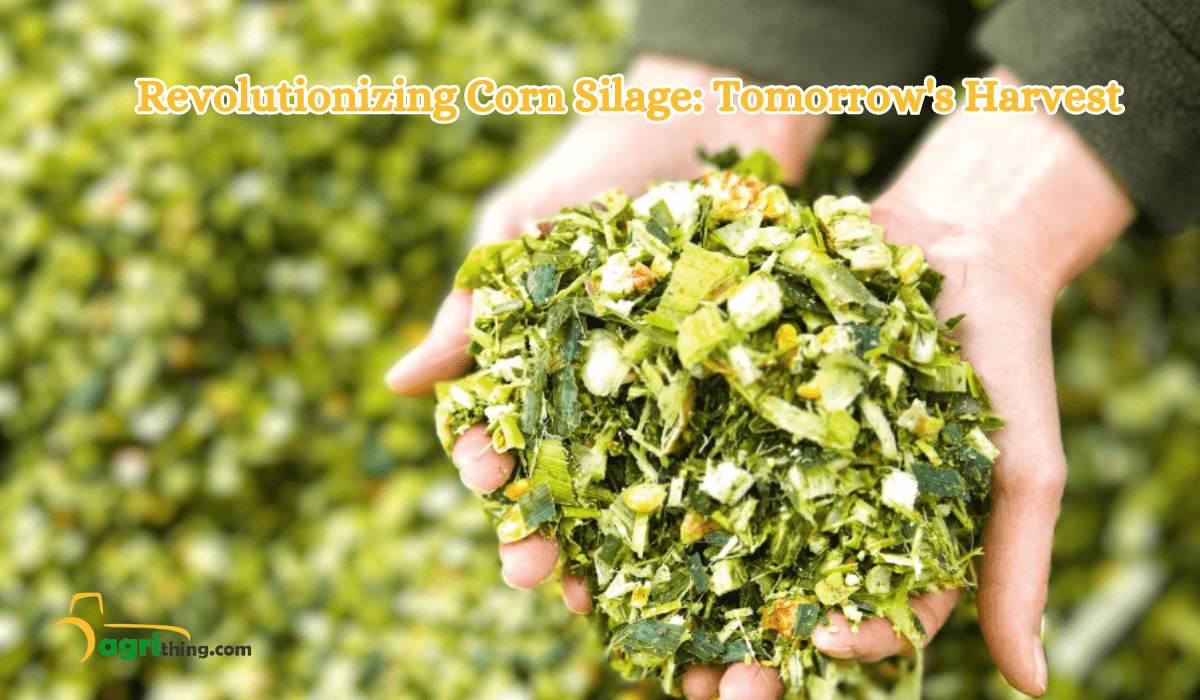
    Corn feedstock refers to the fermented and stored feed made from whole corn plants, including the stalks, leaves, and grain. It is harvested and ensiled at a specific moisture content to preserve its nutritional value. Maize silage serves as a valuable forage option for reflective animals, particularly dairy cows, beef cattle, and sheep.

    Benefits of Corn feedstock for Livestock Nutrition

    Maize silage is an excellent choice for feeding livestock due to its many nutritional benefits. Let’s explore some of its key advantages:

    High Energy Source

    Maize silage is known for containing a lot of energy, which makes it an ideal source of fuel for livestock. The grain component of the plant adds to this energy density. Provide animals with the necessary fuel for growth, maintenance, and production.

    Good Source of Fiber

    Fiber plays a crucial role in animal digestion and rumen function. Corn fodder contains both soluble and insoluble fiber. It is a balanced diet for ruminants. The fiber content helps to maintain rumen health and optimize the digestion process.

    Rich in Minerals and Vitamins

    Corn fodder is also great in essential minerals and vitamins. It contains minerals like potassium, phosphorus, and magnesium, which are vital for proper animal growth, bone development, and metabolic processes. Additionally, maize silage is a good source of vitamins A, E, and various B vitamins, supporting overall animal health and immunity.

    Increased Milk Production

    Dairy farmers rely on maize silage to enhance milk production. It’s a great source of food for cows, giving them lots of energy and making it easier for them to digest. This results in more milk and richer butterfat. Ultimately, it helps dairy cows be more productive.

    Health and Performance Benefits

    Adding corn fodder to animal feed has many positive effects on health and performance. Corn feedstock balanced nutrients help animals grow, reproduce, and stay healthy. It also keeps the stomach’s acidity stable, preventing digestive problems and imbalances in the body.

    Exploring the Livestock Nutrition Value of Corn feedstock

    NutrientComposition (%)
    Dry Matter30-38
    Crude Protein7-10
    Neutral Detergent Fiber (NDF)35-50
    Acid Detergent Fiber (ADF)20-30
    Non-Fiber Carbohydrates (NFC)30-40
    Ether Extract (EE)2-4
    Ash4-6
    Calcium (Ca)0.1-0.4
    Phosphorus (P)0.2-0.3
    Potassium (K)1.0-2.0
    Sodium (Na)0.02-0.10
    Magnesium (Mg)0.10-0.20
    Sulfur (S)0.10-0.20
    Vitamin A (IU/kg)15,000-30,000
    Vitamin E (IU/kg)30-50
    Niacin (mg/kg)50-100
    Thiamine (mg/kg)1-2
    Riboflavin (mg/kg)3-5
    Lysine (%)0.25-0.35
    Methionine (%)0.10-0.20
    Cystine (%)0.10-0.20
    Tryptophan (%)0.05-0.10

    The Process of Maize Silage Production

    To produce high-quality maize silage, several steps must be followed. Let’s explore the process of making maize silage:

    Planting and Harvesting Corn

    The process starts with planting corn specifically for silage production. Farmers choose corn hybrids with desirable features for silage, such as high yield and disease resistance. When the corn reaches the ideal growth stage, it is harvested by chopping the whole plant.

    Chopping and Fermentation

    After harvesting, the corn plants are chopped into small pieces to ensure proper particle size for fermentation. The chopped corn is then tightly packed and covered to create an environment without oxygen. This anaerobic condition allows for fermentation to happen, converting sugars into organic acids and preserving the feed.

    Storage and Preservation

    Proper storage and preservation techniques are required to maintain the quality of Corn feedstock. Farmers use silos or bunker storage systems to store the silage. The feed is packed to remove air, covered with a plastic layer, and weighted down to prevent spoilage and exposure to oxygen.

    Feeding Corn Fodder: How to Do It Right

    Feeding corn fodder requires careful attention to certain factors. Here are some guidelines on how to incorporate corn silage into livestock nutrition needs:

    Mixing and Rations

    To get the most benefits from maize silage, it should be mixed properly with other feed elements. The rations should be balanced to meet the specific nutritional needs of the animals. Dairy nutritionists and livestock advisors can help in creating balanced diets that effectively include corn silage.

    Storage and Handling Considerations

    Proper storage and handling of Corn feedstock are crucial to maintain its quality. Silos and storage structures should be regularly inspected for any damage or air leakage. It’s also important to prevent spoilage during feeding by using proper feed-out techniques and minimizing exposure to air.

    How to improve Corn feedstock Digestibility?

    To make Corn feedstock easier to digest, do the following steps:

    1. Pick the crops when they are fully ripe.
    2. Make sure to pack the crops tightly to keep air out.
    3. Keep the moisture level at around 65-70%.
    4. Use an appropriate inoculant to help with fermentation.
    5. Take measures to avoid any contamination.
    6. Include Balance nutrients with extra feeds
    7. Consider additives like enzymes or organic acids
    8. Follow good practices for monitoring and feeding the crops

    Corn Silage vs. Tradition Feeds

    Corn feedstock vs. other livestock Nutrition feeds:

    Livestock FeedPrice (PKR)DescriptionBenefitsDrawbacks
    Corn feedstock5000 per tonFermented corn plantsHigh energy content, a good source of fiberRequires storage facilities, can be expensive
    Hay3000 per tonDried grass or legumesGood source of fiber, low costLower energy content, lower nutrient levels
    Grain8000 per tonCereal crops (e.g., corn, wheat)High energy content, easily digestibleLimited fiber content, can be expensive
    Soybean Meal6500 per tonByproduct of soybean oil extractionHigh protein content, cost-effectiveLimited energy content, requires additional feed components
    PastureApproximately
    421800 per acre
    (depends on land availability)
    Fresh grass and vegetationNatural diet for grazing animals, low costSeasonal availability, variable nutrient levels

    What is the Impact of Corn feedstock on livestock performance?

    Corn fodder plays a significant role in meeting the nutritional needs of livestock. Here are the key impacts of Corn feedstock:

    1. Maize fodder is a popular feed for livestock, especially cattle.
    2. It is made from the entire corn plant, including stalks, leaves, and cobs, which are chopped and stored in a silo.
    3. Maize silage is a high-energy feed that provides carbs, fiber, and some protein to animals.
    4. The nutritional composition of Corn feedstock can vary depending on factors like corn plant maturity and fermentation process.
    5. Livestock can easily digest fodder silage, leading to improved feed efficiency.
    6. It is a cost-effective feed compared to other forages or concentrates.
    7. It is rich in energy, supporting weight gain and milk production in dairy cows.
    8. The fiber in corn fodder promotes rumen function and helps maintain a healthy digestive system in livestock.
    9. Various livestock species, including cattle, sheep, and goats, can include corn fodder in their diet.
    10. When properly balanced with other feeds, maize silage can positively impact livestock performance in terms of growth, milk production, and overall health.

    Conclusion

    Corn feedstock is a game-changer for livestock nutrition. It gives them lots of energy, fiber, minerals, and vitamins. It provides high energy, fiber, minerals, and vitamins. Dairy farmers rely on it for improved milk production and cow health. The production involves planting, harvesting, chopping, fermentation, and proper storage. Maize silage is better than regular feed because it has more energy and nutrients, and it’s cheaper and easier to digest. By understanding the production process, advantages, and feeding guidelines, farmers can optimize livestock nutrition and productivity.

    Frequently Asked Questions (FAQ’s)

    Is Maize silage good for all types of livestock?

    Maize silage is often fed to dairy cows and beef cattle. It can also be suitable for other animals like sheep and goats. However, it’s important to think about each animal’s specific needs and preferences.

    Can animals eat corn fodder all year?

    Yes, animals can eat corn fodder throughout the year. Storing it properly, using airtight structures, and good feeding practices keep the quality of Corn feedstock preserved for a long time.

    What’s the right amount of water in Corn feedstock?

    The ideal moisture content for corn silage is usually around 65-70%. This level of moisture helps with proper fermentation and nutrient preservation while preventing excessive dryness or spoilage.

    How does corn silage compare to other plant options?

    Corn silage has several advantages over other plants for feeding animals. It has high energy, is easily digested, and provides a balanced nutrition profile. This makes it a valuable choice for livestock, especially in intensive production systems.

    Can small-scale farms grow corn silage?

    Yes, small-scale farms can grow corn silage. However, they need to consider factors like available land, equipment, and storage capacity. Successful cultivation and use of corn fodder require farm-specific considerations and good management practices.

    Want to purchase top-quality silage? Visit our Agricomplex website to explore our wide range of silage products.

    People Also Asked

    What are the benefits of maize silage for livestock?

    Maize silage provides high energy, fiber, minerals, and vitamins, promotes milk production, and improves animal health and performance.

    How is corn silage made?

    Corn silage is made by harvesting corn plants at the ideal growth stage, chopping them into small pieces, and tightly packing and covering them to create an anaerobic environment for fermentation.

    How should corn fodder be fed to livestock?

    Corn fodder should be properly mixed with other feed elements, and balanced rations should be created to meet specific nutritional needs. Proper storage and handling are also important.

    How can corn silage digestibility be improved?

    To improve digestibility, corn silage should be harvested when fully ripe, packed tightly to exclude air, and maintained at the appropriate moisture level. Inoculants, additives, and good monitoring and feeding practices can also help.

    What is the impact of maize fodder on livestock performance?

    Maize fodder improves feed efficiency, supports weight gain and milk production, promotes rumen function, and positively affects growth, health, and overall performance in livestock.

  • The Bright Future of Corn Silage: Unleashing the Power and Promise

    The Bright Future of Corn Silage: Unleashing the Power and Promise

    Corn silage is a valuable feed and energy resource in the agricultural sector. It has been a staple for livestock farmers and biogas producers for decades. Its widespread use and versatility have made it necessary for modern farming practices. In recent years, the future of corn silage has been shaped by various innovations and emerging trends that aim to improve corn silage quality.

    Significance of Corn Silage in Agriculture

    Corn silage plays a vital role in livestock farming. It provides highly nutritious feed for dairy cows, beef cattle, and other ruminant animals. Maize silage is an excellent source of energy, protein, and fiber, contributing to the animals’ growth, health, and productivity. It is also used to make biogas, a renewable energy source that can make electricity and heat.

    Traditional Methods of Maize Silage Production

    Growing and Harvesting Corn

    To make corn silage, farmers first grow corn in special fields. They choose corn varieties that will give them a lot of corn, resist diseases, and work well in their local climate. They take good soil care, use fertilizer, control weeds, and manage pests throughout the growing season. When the corn is fully grown, it’s time to harvest it.

    Chopping and Storing

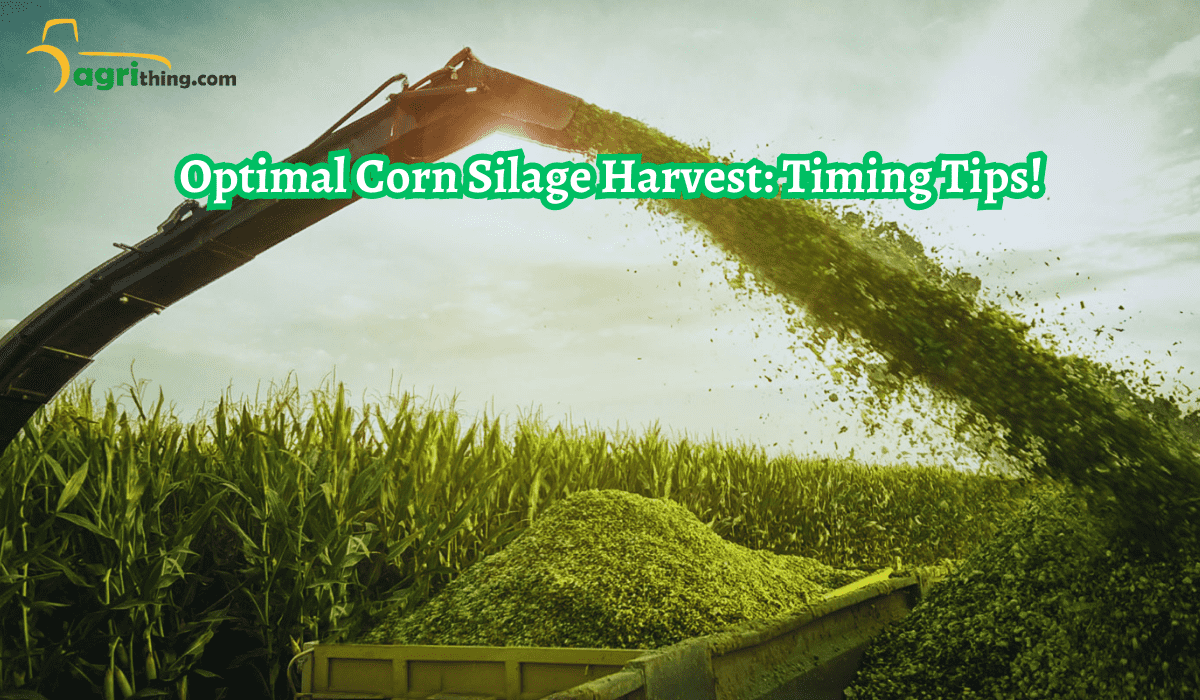
    After the corn is harvested, it is chopped into small pieces using special machines called forage harvesters. This helps to break it down and pack it tightly. The chopped corn is then quickly taken to storage structures where it will be stored.

    Fermentation

    In the storage structures, the corn goes through a fermentation process. Lactic acid bacteria help with this process. It keeps the nutrients in the corn and makes it easier for animals to digest. The storage structures are sealed tightly to keep out air and prevent spoilage and harmful bacteria. Over time, the corn ferments and gets a sour smell.

    Innovations in Corn Silage Production

    The future of corn silage is being improved through new ideas and technology to make it more efficient, nutritious, and high-quality.

    Better Corn with Genetic Modification

    Scientists have used genetic modification to create corn varieties with higher yields and better nutrition. These genetically modified organisms (GMOs) have more starch, are easier to digest, and can resist pests and diseases. Thanks to these improved crops, farmers can now grow more corn and produce higher-quality silage.

    Smart Farming and Monitoring

    New technologies like remote sensing, drones, and soil sensors are changing how corn silage is grown. Farmers can use these tools to watch how their crops grow, find out if they need more nutrients, use water more efficiently, and catch problems early. By using data to make smart choices, farmers can get better crops that yield more and are of higher quality.

    Improved Harvesting and Storage

    Modern machines for harvesting and storing corn fodder have improved greatly. They can cut the corn at the right length, pack it tighter, and keep air out during storage. These improvements help to keep the nutrients in the corn and prevent it from going rot.

    Adding Good Things to Silage

    Farmers are also using special products called silage inoculants and additives. These contain helpful bacteria, enzymes, or organic acids that improve fermentation, stop bad bacteria from growing, and make the silage easier for animals to digest. Using these additives makes the fodder more stable and nutritious, which helps the animals grow better.

    Corn silage is a valuable feed for livestock and has other important uses. Here are some notable trends in how it is used:

    Feed for Animals

    Livestock farmers depend on Maize silage to feed dairy cows, beef cattle, and other animals that chew their cud. It balances energy, protein, vitamins, and minerals well. This helps animals stay healthy, produce more milk, and gain weight. Maize fodder is a cost-effective option compared to feeding them grains, and it can be used in different feeding systems.

    Making Renewable Energy

    As the need for renewable energy grows, in future of corn silage it has become an important resource for producing biogas. Special plants use a process called anaerobic digestion to turn maize silage into biogas that is rich in methane. This biogas can make electricity, produce heat, or even power vehicles. Using corn fodder for biogas helps us move towards cleaner and more sustainable energy. It reduces the amount of greenhouse gases released.

    Corn Silage in Food

    Maize silage is finding new uses in the food industry as a useful ingredient and a source of dietary fiber. It can be added to bread, snacks, and breakfast cereals to make them more nutritious and better texture. This aligns with the increasing demand from consumers for natural and sustainable ingredients in their food. These trends show how versatile and important corn fodder is in different industries.

    Environmental Impact on Future of Corn Silage

    The impact on future of corn silage production and use is significant. To make it more sustainable, we can take certain steps:

    Farming Practices that Help the Environment

    Farmers can use sustainable practices like conservation tillage, rotating crops, and planting cover crops. These methods reduce soil erosion, improve soil health, and save water. Precision agriculture techniques and careful use of fertilizers and pesticides also lessen the environmental impact.

    Recycling and Reusing Byproducts

    The leftover parts of corn plants, after making silage, like stalks and cobs, can be recycled for different purposes. They can be used as animal bedding, turned into biofuel, or even used to make bioplastics. By recycling and reusing these byproducts, we reduce waste and use resources better.

    Reducing Methane Emissions

    When considering the future of corn silage, it becomes crucial to address the environmental impact of its fermentation process. Methane, a potent greenhouse gas, is released during this phase. However, farmers can adopt proactive measures to mitigate these emissions and ensure a sustainable future for corn silage. By optimizing silage storage techniques and promoting tight packing, farmers can minimize methane release.

    Additionally, embracing anaerobic digestion systems allows methane capture and utilization as a renewable energy source. These forward-thinking actions reduce greenhouse gas emissions and contribute to the fight against climate change, securing a greener future for corn silage. These measures can help make maize silage production and use more environmentally friendly.

    Common Challenges and Prospects and the Future of Corn Silage

    Although the future of corn silage is sustainable due to its great potential, but there are challenges to overcome:

    Adapting to Climate Change

    Climate change affects maize silage production by changing weather patterns, temperatures, and water availability. Farmers must adjust by using flexible cropping systems. Exploring corn varieties that can handle drought. Thus, improving water management.

    Investing in Research and Development

    Continuous research and development are crucial for innovation in corn fodder. This involves exploring new hybrid varieties. Improving fermentation processes. Developing new additives and studying the nutritional needs of livestock. Cooperation among researchers, farmers, and industry stakeholders can lead to advancements in corn silage technology.

    Market Demand and Consumer Preferences

    Understanding market demand and consumer preferences is vital. Consumers are becoming more aware of durable farming practices and prefer natural and healthy food products. Farmers and producers must adjust their practices and products to meet these changing demands.

    By addressing these challenges and investing in research, the future of corn silage can be promising as a sufferable and valuable resource.

    Conclusion

    The future of corn silage looks bright. Ongoing innovations and changing trends are improving how it is made, used, and sustained. Genetic modification, precision agriculture, better chopping and storing techniques, and additives improve maize silage. It is used for feeding animals and making biogas, and there is even interest in using it in food products. Securing the Sustainable Future of Corn Silage; Overcoming Challenges for Market Adaptation and Climate Resilience.

    Frequently Asked Questions (FAQ’s)

    What is the shelf life of maize silage?

    The shelf life of maize silage depends on factors like moisture content, compaction, and storage conditions. Corn silage can last 6 to 12 months or even longer when properly stored.

    In Future can silage be used instead of grain?

    Yes, In Future of corn silage we can be used as a substitute for grain in animal diets, especially for ruminant animals. It provides them energy, protein, and fiber, making it a valuable feed option.

    How does corn fodder contribute to the circular economy?

    The future of corn silage is bright. Corn fodder contributes to the circular economy by utilizing agricultural byproducts and converting them into valuable resources for feed and energy. This helps reduce waste and promotes efficient resource use.

    Are there concerns about using GMO corn for silage?

    Using GMO corn for silage production raises concerns about potential environmental impacts and the safety of genetically modified organisms. Regulations and scientific evaluations are in place to ensure GMO crops’ responsible and safe use.

    Can small-scale farmers benefit from producing corn silage?

    Yes, small-scale farmers can benefit from producing maize silage. It offers them a cost-effective feed option, improves animal nutrition, and can be integrated into sustainable farming systems. However, proper management practices and suitable equipment are important for successful corn silage production on a smaller scale.

    Want to purchase top-quality silage? Visit our Agricomplex website to explore our wide range of silage products.

    People Also Asked

    How is corn silage made traditionally?

    Corn fodder is made traditionally by cutting and fermenting entire corn plants to keep their nutrients.

    What is the impact of corn silage on the environment?

    Corn fodder impacts the environment, including the possibility of soil erosion, water pollution, and the release of greenhouse gases during production and storage.

    How can we make corn silage production more sustainable?

    In the Future of corn silage we can make silage production more sustainable by using preservation methods like planting cover crops and managing nutrients precisely.

    What are the challenges and future prospects for corn fodder?

    Challenges for corn fodder include unpredictable weather patterns, pests, and changes in market demands. The future prospects involve advancements in genetics and the efficient use of resources.

    What can we do about the future of corn silage?

    To secure the future of corn silage, we should concentrate on sustainable farming methods, genetic progress, better storage techniques, and effective use in animal feed.

  • Unveiling Water-Saving Power: Emitter-Based Irrigation Myths Exposed

    Unveiling Water-Saving Power: Emitter-Based Irrigation Myths Exposed

    Emitter-based irrigation is revolutionizing how farmers and gardeners irrigate their crops and landscapes. This highly efficient method delivers water directly to the roots, reducing waste and maximizing plant growth. However, several drip irrigation myths and misconceptions surround micro irrigation, preventing many people from harnessing its full potential. This article will debunk some common myths about micro irrigation and shed light on its numerous benefits.

    Introduction to Emitter-based irrigation

    Emitter-based irrigation is a watering technique that involves the controlled application of water directly to the root zone of plants. Unlike traditional sprinkler systems that spray water over a wide area, micro irrigation uses a network of tubes, valves, and emitters to deliver water precisely where needed. This targeted approach minimizes evaporation and ensures that every drop of water counts

    Micro irrigation has gained popularity recently due to its efficiency and sustainability. Providing water directly to the plants’ roots minimizes weed growth, reduces water runoff, and optimizes nutrient absorption. Despite its numerous advantages, several myths persist, leading to misconceptions about the effectiveness and practicality of micro irrigation systems. Let’s debunk these myths one by one.

    Myth 1: Emitter-based irrigation is Expensive

    One of the most common myths about trickle irrigation is that it is prohibitively expensive. While the initial investment may seem higher than traditional irrigation methods, micro irrigation offers long-term cost savings. Drip systems minimize water waste and lower utility bills by precisely delivering water to the roots. Additionally, the targeted water application reduces the need for herbicides, fertilizers, and labor, further cutting costs

    According to a study by the University of California, micro irrigation can save up to 60% of water compared to traditional sprinkler systems. These water savings translate into substantial financial savings over time, making trickle irrigation a wise investment for farmers and gardeners

    Myth 2: Emitter-based irrigation is Complicated to Install and Maintain

    Micro irrigation systems are highly customizable and can be adapted to various landscapes and crop types. They consist of three main components: a water source, a distribution network of tubes and valves, and emitters or drippers. These components are easy to assemble and can be customized based on specific requirements

    Maintaining a trickle irrigation system is relatively straightforward. Regular checks for clogs and leaks, as well as occasional flushing of the system, are usually sufficient to ensure optimal performance. Additionally, many manufacturers provide detailed guidelines and support to assist users in setting up and maintaining their systems effectively.

    Myth 3: Emitter-based irrigation is Inefficient

    Contrary to popular belief, micro irrigation is a highly efficient irrigation method. Delivering water directly to the root zone minimizes evaporation and reduces water loss due to wind or surface runoff. This efficiency is particularly crucial in arid and water-scarce regions, where every drop of water is valuable.

    Numerous studies have demonstrated the effectiveness of micro irrigation in conserving water. For example, a research study published in the Journal of the American Society for Horticultural Science showed that trickle irrigation resulted in higher crop yields and water-use efficiency than traditional irrigation methods. Additionally, micro irrigation promotes healthier plant growth by reducing foliar diseases caused by excessive moisture.

    Myth 4: Emitter-based irrigation is Only Suitable for Certain Crops

    Some believe micro irrigation is only suitable for specific crops, such as vegetables or orchards. However, micro irrigation is highly versatile and can be adapted to various crop types, including field crops, flowers, and trees.

    trickle irrigation systems allow precise control over water application, making them suitable for crops with different water requirements. The flexibility of drip systems enables farmers and gardeners to optimize water delivery based on the specific needs of each crop, promoting healthier growth and maximizing yields.

    Myth 5: Emitter-based irrigation Causes Soil Salinization

    Another myth surrounding micro irrigation is its alleged contribution to soil salinization. Soil salinization occurs when excessive salts accumulate in the soil, negatively affecting plant growth. While improper irrigation practices can contribute to salinization, micro irrigation, when correctly managed, minimizes the risk.

    micro irrigation can be combined with proper drainage practices to prevent the buildup of salts in the soil. Techniques such as leaching and periodic soil testing help maintain optimal soil salinity levels. Farmers and gardeners can effectively prevent soil salinization by carefully monitoring the soil’s electrical conductivity and adjusting irrigation schedules accordingly.

    Myth 6: Emitter-based irrigation Requires a Constant Water Supply

    A common misconception is that trickle irrigation relies on a constant water supply. While having a reliable water source is essential, micro irrigation systems can be designed to work with limited water resources.

    Water-saving techniques such as using pressure-compensating emitters and drip tapes with low flow rates ensure efficient water distribution. Additionally, incorporating water storage and recycling systems can help mitigate water scarcity issues.

    Farmers and gardeners can also implement intelligent irrigation controllers that adjust watering schedules based on weather conditions, plant needs, and soil moisture levels. These technologies optimize water usage, making micro irrigation a suitable option even in regions with limited water availability.

    Myth 7: Emitter-based irrigation is Prone to Clogging

    Clogging is a concern often associated with micro irrigation systems. However, with proper system design and maintenance, clogging can be minimized.

    It is crucial to use high-quality filters and flush the system regularly to prevent clogging. Sediment filters and screen filters effectively remove particles that can cause clogs. Additionally, selecting the appropriate emitter type based on water quality and employing chemical treatments when necessary can reduce the risk of clogging.

    Regular inspections and proactive maintenance, such as checking for leaks and cleaning filters, ensure the smooth operation of the micro irrigation system. Farmers and gardeners can prevent clogging by following recommended maintenance practices and maintaining the system’s efficiency.

    Debunking the Myth of Water Waste in Emitter-based irrigation

    Efficient Design:

    Properly designed systems ensure precise water distribution, reducing wastage.

    Regular Maintenance:

    Routine inspections and repairs prevent leaks and clogs, optimizing efficiency.

    Water Conservation:

    micro irrigation conserves water by only providing what plants need, avoiding excess usage.

    Maximizing Efficiency in Micro Irrigation Systems

    Design:

    Carefully plan the layout of your Emitter-based irrigation system, considering factors such as plant water requirements, soil type, and topography.

    Water source:

    Ensure a reliable water source with adequate pressure and flow rate to meet the system’s needs.

    Components:

    Choose high-quality components like emitters, drip lines, and filters to ensure efficient water distribution and prevent clogging.

    Installation:

    Properly install the drip lines, ensuring even spacing and appropriate placement of emitters for uniform water coverage.

    Myth-Busting: Plants Suitable for Trickle Irrigation short line
    Precise Watering:

    trickle irrigation provides precise and controlled watering, ensuring that each plant receives the appropriate amount of water.

    Plant Health:

    micro irrigation promotes healthier plants by delivering water directly to the roots, reducing the risk of foliage diseases.

    Scalability:

    micro irrigation systems can be customized for both individual plants and larger garden areas, accommodating different planting layouts

    Unveiling Water-Saving Techniques in Micro Irrigation

    Soil Moisture Monitoring:

    Utilize moisture sensors or probes to monitor soil moisture levels and adjust watering accordingly, preventing water excess.

    Mulching:

    Apply mulch around plants to retain soil moisture, reducing the frequency and duration of watering.

    Emitter-based irrigation vs. Traditional Methods: Breaking the Barriers

    Targeted Application:

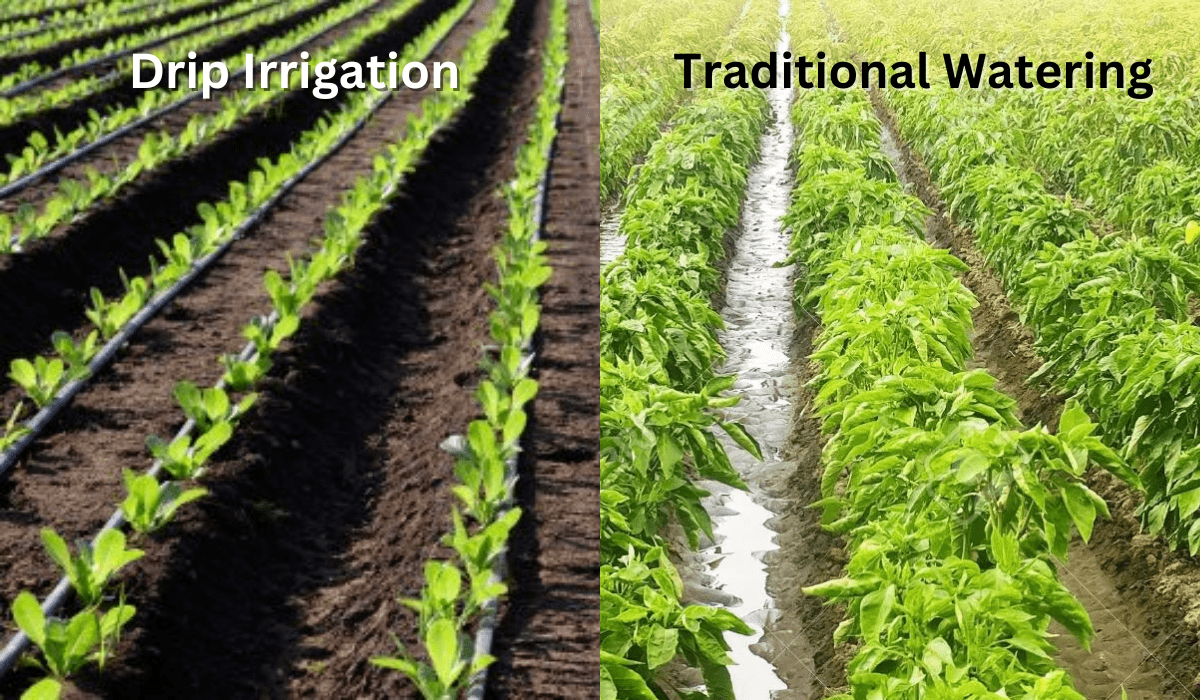
    trickle irrigation precisely targets water to plant roots, reducing weed growth and allowing for more efficient use of water resources, while traditional methods may water the entire area, including non-plant areas.

    Regular Maintenance:

    Conduct routine inspections, clean filters, and repair any leaks or clogs to ensure the system functions at its best, preventing water wastage.

    DIY Trickle Irrigation: Demystifying the Setup

    Install Emitters:

    Attach emitters to the drip lines at the desired intervals. Different types of emitters provide different flow rates, so choose the ones that suit your plants’ requirements.

    Test the System:

    Turn on the water supply and check for leaks or issues. Adjust the water flow rate if needed by adjusting the pressure regulator.

    Exploring Trickle Irrigation Components: The Truth Unveiled

    Mainline:

    The mainline is the primary pipe that connects the water source to the trickle irrigation system. It carries water from the source to various zones or sections of your garden.

    Valves:

    Valves are used to control the flow of water within the trickle irrigation system. They allow you to regulate water distribution to different zones or sections, providing flexibility in watering schedules

    Troubleshooting irrigation Debunking Maintenance Myths

    Clean or Replace Filters:

    Regularly clean or replace filters to prevent clogging and maintain water flow. Follow the manufacturer’s guidelines for proper maintenance.

    Mastering Micro Irrigation System Maintenance: A Myth-Busting Guide

    Replace Faulty Components:

    Replace any damaged or worn-out components such as emitters, drip lines, connectors, or filters to ensure the proper functioning of the system.

    Myth vs. Reality: Seasonal Adjustments in Trickle Irrigation

    Myth:

    micro irrigation requires the same watering schedule year-round. Reality: Seasonal adjustments in trickle irrigation are essential to meet changing plant water needs, considering weather, rainfall, and plant growth stages.

    Myth or Reality: Trickle Irrigation and Root Intrusion

    Myth:

    Roots will automatically grow towards drip emitters. Reality: Roots grow in search of water and nutrients, but proper watering and placement of emitters can encourage root growth away from the emitters.

    Achieving Optimal Soil Moisture: Debunking micro Irrigation Myth

    Myth:

    Emitter-based irrigation always keeps the soil uniformly moist.

    Reality:

    While micro irrigation provides efficient water delivery, it’s essential to consider rainfall and supplement irrigation to maintain adequate soil moisture levels.

    Conclusion

    trickle irrigation is a game-changer in the world of agriculture and landscaping, offering significant advantages over traditional irrigation methods. By debunking the common myths surrounding trickle irrigation, we have highlighted its cost-saving potential, ease of installation and maintenance, efficiency in water usage, versatility across various crops, soil salinity management, adaptability to limited water resources, and clogging prevention measures.

    Embracing trickle irrigation techniques can improve crop yields, water conservation, and sustainable farming practices. Whether you are a farmer, gardener, or landscape enthusiast, consider implementing micro irrigation to unlock its full potential and contribute to a greener and more efficient future.

    Frequently Asked Questions (FAQ’s)

    Can Trickle irrigation be used in hilly or sloping terrains?

    Yes, trickle irrigation systems can be installed on slopes or hilly terrains. Proper planning and installation techniques, such as using pressure-compensating emitters and designing the system to account for elevation changes, ensure effective water distribution

    What is the lifespan of a typical Micro irrigation system?

    The lifespan of a trickle irrigation system depends on various factors, including the quality of components, installation practices, and maintenance. With proper care, a well-designed and maintained drip system can last 10 to 20 years or even longer.

    Can I use fertilizers with a drip irrigation system?

    Yes, trickle irrigation systems can be used in conjunction with fertilizers. Fertilizers can be applied directly through the irrigation system, allowing for precise nutrient delivery to the plants’ root zones. Choosing fertilizers compatible with trickle irrigation and following recommended application rates is essential.

    Is drip irrigation suitable for large-scale agricultural operations?

    Yes, micro irrigation can be scaled up to meet the needs of large-scale agricultural operations. The versatility and efficiency of drip systems make them suitable for a wide range of applications, from small gardens to vast agricultural fields.

    How can I calculate the water requirements for my crops when using Micro irrigation?

    Calculating water requirements involves considering crop type, evapotranspiration rates, soil characteristics, and weather conditions. Consult local agricultural extension services, use online tools, or seek guidance from irrigation professionals to determine the precise water requirements for your specific crops.

    Want to purchase a Drip Irrigation Accessories? Visit our Agricomplex website to explore our wide range of irrigation products.

    People Also Asked

    What are the common misconceptions about Trickle irrigation?

    Common misconceptions about trickle irrigation include the belief that it leads to overwatering and is unsuitable for large-scale agriculture.

    Is drip irrigation more water-efficient compared to other irrigation methods?

    Trickle irrigation is generally considered more water-efficient than other irrigation methods. It delivers water directly to the plant roots, minimizing water loss through evaporation or runoff.

    Are there any maintenance requirements for drip irrigation systems?

    Regular Check-ups: Perform periodic inspections to identify and address any issues with the system, such as leaks, clogged emitters, or damaged tubing. Ensure all components are in good working condition and replace faulty parts as needed.

    Can drip irrigation systems be automated?

    Yes, micro irrigation systems can be automated using various methods. Automatic timers or controllers can be installed to schedule and regulate watering intervals, ensuring consistent and efficient irrigation.

    Does Micro irrigation work for all types of plants?

    Trickle irrigation can be used for various plants, including flowers, vegetables, shrubs, and trees. It provides precise and controlled watering, making it suitable for individual plants and larger garden areas.

  • Timing Matters: Corn Silage Harvest Timing Secrets Revealed

    Timing Matters: Corn Silage Harvest Timing Secrets Revealed

    Corn silage is a valuable feed option for livestock farmers, providing a nutrient-rich and easily digestible forage source. However, it is important to pick the right Corn silage harvest timing. It can significantly impact forage quality and nutritional value. If it’s harvested too soon or too late, the silage won’t be as good, and the animals might not do as well. This article will explore the key considerations for corn silage harvest timing, helping farmers make informed decisions to maximize their yields and optimize forage quality.

    Importance of Corn silage harvest timing

    The proper Corn silage harvest timing is vital for maximizing nutrient content. It affects the nutrients, taste, and how efficiently it’s used for feed. Harvesting at the right time ensures a good balance between quantity and quality. This means getting the most energy and nutrients from the crop. Harvesting on time is also important to avoid losing yield because of bad weather or other unexpected things.

    Factors Affecting Corn Silage Harvest Timing

    Here are some important factors affecting Corn Silage Harvest Timing:

    1. Maturation: The crop’s level of maturity is crucial. If harvested too early, the product may not be fully developed. On the other hand, waiting too long can result in overripeness or spoilage.
    2. Ripeness indicators: Some crops have visual cues that show they’re ready for harvest. These cues can include changes in color or texture. Monitoring these indicators helps determine the best time to harvest.
    3. Weather conditions: Weather plays a significant role in harvest timing. Temperature, rainfall, and sunlight can impact crop growth and readiness for harvest. Unfavorable weather may cause delays or expedite the harvest.
    4. Pests and diseases: Pests or diseases can affect when to harvest. Early harvesting may be necessary in some cases to prevent further damage or the spread of pests and diseases.
    5. Market demand: Harvest timing can be influenced by market demand and prices. Farmers may harvest earlier or delay harvesting to align with favorable market conditions and maximize profits.
    6. Machinery and labor availability: Machinery and labor also determine harvest timing. Having enough resources to efficiently harvest the crop is important and can impact the decision of when to harvest.

    Assessing Corn Plant Maturity: A Simple Guide

    How to Tell When Corn is Ready

    To know if corn is ripe, you can look at it. There are a few things to pay attention to:

    1. Color Changes: When the lower leaves of the corn plant turn brown, it means the plant is almost mature.
    2. Kernel Appearance: Check the kernels. If there is a black layer at the bottom, it means the corn is fully mature. The black layer is a thin, dark line at the tip of the kernel.
    3. Husk Drying: As the corn plant matures, the husks around the ears of corn dry out. Watching the husks dry can give you an idea of how mature the plant is.

    The Milk Stage

    The milk stage is an important sign of corn maturity. It shows the transition from a milky consistency to a doughy one. You can see a visible line on the kernels. Harvesting the corn when the milk line is at the right level ensures the best starch content. Look for a clear milk line moving down from the top of the kernel.

    Checking Moisture Content

    Knowing the moisture content of the corn plant is important for deciding when to harvest. Here are two ways to measure it:

    1. Moisture Meter: Farmers can use a special moisture meter for corn to get accurate measurements. This tool is quick and reliable.
    2. Representative Plant Samples: Drying a few plant samples in an oven can also help determine moisture content. You can estimate the moisture content by measuring the weight loss during drying.

    NDF Digestibility

    Another thing to think about when assessing corn maturity is NDF digestibility. NDF represents the cell wall content of the corn plant, and its digestibility can change as the plant grows. Harvesting the corn at the right time ensures better NDF digestibility and higher-quality forage.

    Impact of Weather Conditions on Corn Silage Harvest Timing

    The impact of weather on Corn Silage Harvest Timing varies depending on the crop grown. Factors influenced by weather conditions include:

    1. Growing season length: Weather variations, such as temperature, rainfall, and frost dates, can shorten or lengthen the growing season, affecting harvest timing.
    2. Temperature: Warmer temperatures accelerate plant development, while cooler temperatures slow it down. Extreme fluctuations can damage crops and impact harvest timing and quality.
    3. Rainfall: Adequate rainfall is necessary for crop growth. Insufficient or excessive rainfall can delay maturity or cause premature ripening, respectively. Excessive rainfall can also lead to waterlogging and diseases, requiring early harvest.
    4. Drought: Water stress from drought can stunt growth, reduce yields, and prompt early maturation. In severe cases, early harvesting may be necessary to salvage some yield.
    5. Pests and diseases: Weather conditions affect pest and disease prevalence. Favorable weather patterns can lead to outbreaks, necessitating early harvest to minimize damage and prevent further loss.
    6. Sunlight: The amount and intensity of sunlight impact photosynthesis and sugar accumulation in crops. Sufficient sunlight is crucial for optimal crop development. Cloudy or overcast weather can delay harvest by reducing sunlight availability.

    Forage Quality Objectives and Corn Silage Harvest Timing

    Forage Quality ObjectiveCorn Silage Harvest Timing
    Maximum Dry Matter (DM) ContentHarvest when the crop is between 30-38% DM
    Optimal Starch ContentHarvest when the crop has reached its maximum starch accumulation, typically at 35-45% DM
    Ideal Fiber ContentHarvest when the crop has an appropriate balance of NDF (Neutral Detergent Fiber) and ADF (Acid Detergent Fiber)
    Maximum NutrientDigestibility Harvest when the crop is at its peak digestibility, usually between 30-45% DM
    Optimal MaturityHarvest when the crop has reached the desired maturity stage, indicated by the presence of brownish-black layer at the base of the corn stalks
    Minimal Fermentation LossesHarvest before the crop becomes overripe and experiences excessive field losses

    Conclusion

    Corn silage harvest timing is a crucial decision that directly impacts the quality and nutritional value of the feed. It affects the quality and nutritional value of the feed. Farmers should consider moisture and starch levels, how much dry matter they’ll get, how good the forage is, and the environment. They should also check how mature the plants are. Farmers can get more corn silage and better feed by paying attention to these things. This will help their animals grow better and make more money.

    Frequently Asked Questions (FAQ’s)

    What is the ideal moisture content for corn silage harvest?

    The ideal moisture content for corn silage harvest ranges from 60% to 70%. Harvesting within this range ensures proper fermentation and minimizes nutrient losses.

    How can I assess the maturity of corn plants for silage harvest?

    You can assess corn plant maturity by considering visual indicators such as color changes, kernel appearance, and husk drying. Additionally, monitoring the kernel milk line and measuring plant moisture content can aid in determining the appropriate harvest timing.

    Why is starch content important in corn silage?

    Starch is a primary source of energy in corn silage. Harvesting at the right time allows for maximum starch accumulation in the grains, ensuring optimal energy levels for livestock and improved feed conversion efficiency.

    What are the key factors affecting corn silage harvest timing?

    Several factors influence corn silage harvest timing, including moisture content, starch content, dry matter yield, forage quality, environmental conditions, and assessing plant maturity. Considering these factors collectively helps farmers make informed decisions for optimal harvest timing.

    How can I preserve the nutritional value of corn silage during harvest?

    Employing proper harvesting techniques such as efficient chopping, adequate kernel processing, and timely packing and sealing of the silage is critical to preserving the nutritional value of corn silage. These steps ensure effective fermentation and minimize nutrient losses.

    Want to purchase top-quality silage? Visit our Agricomplex website to explore our wide range of silage products.

    People Also Asked

    What is the importance of corn silage harvest timing?

    Corn silage harvest timing is crucial for maximizing nutrient content, balancing quantity and quality, and avoiding yield losses due to bad weather.

    What factors affect corn silage harvest timing?

    Factors include crop maturation, ripeness indicators, weather conditions, pests and diseases, market demand, and machinery and labor availability.

    How can I tell when corn is ready for harvest?

    Look for brown lower leaves, a black layer at the bottom of kernels, and drying husks as signs of corn maturity.

    What is the ideal moisture content for corn silage harvest?

    The ideal moisture content for corn silage harvest is typically between 60% and 70%.

    Why is starch content important in corn silage?

    Starch is a crucial energy source in corn silage, and harvesting at the right time ensures maximum starch accumulation for livestock energy and feed efficiency.

  • 7 Common Corn Silage Pit Mistakes to Avoid! Ultimate Guide

    7 Common Corn Silage Pit Mistakes to Avoid! Ultimate Guide

    Corn silage is a feed source for livestock farmers, providing vital nutrients and energy. Managing the silage pit properly is crucial to maintain its quality and nutritional value. Unfortunately, there are common things that farmers often need to correct when dealing with corn silage pits. This article will delve into the details of Corn Silage Pit Mistakes and provide helpful tips on avoiding them.

    Introduction

    Corn silage pits are a popular method for preserving and storing corn crops, enabling farmers to accumulate large quantities of corn for livestock feed. However, by eliminating Corn Silage Pit Mistakes, significant losses in quality and nutrient content can be reduced. By familiarizing themselves with and steering clear of these common mistakes associated with corn silage pits, farmers can ensure a steady supply of high-quality hay throughout the year.

    Importance of Corn Silage Pits

    Corn silage pits play a vital role in livestock farming. They allow farmers to harvest corn at its peak nutritional value and store it for later use. The fermentation process in the silage pit preserves the corn, preventing spoilage and maintaining its nutritional content. To ensure a consistent and reliable feed source, avoiding common Corn Silage Pit Mistakes is crucial. Proper management of these pits becomes even more essential during periods of low forage availability.

    7 corn silage pit mistakes that farmers make. Helpful tips on avoiding them.

    Mistake #1: Inadequate Pit Design

    One of the most common Corn Silage Pit Mistakes farmers make is neglecting proper pit design. A well-designed silage pit ensures efficient packing, proper drainage, and reduced spoilage. It should have sufficient width and depth to accommodate the anticipated crop yield. The pit walls should also be adequately sloped to prevent collapse and allow for easy packing and hay removal.

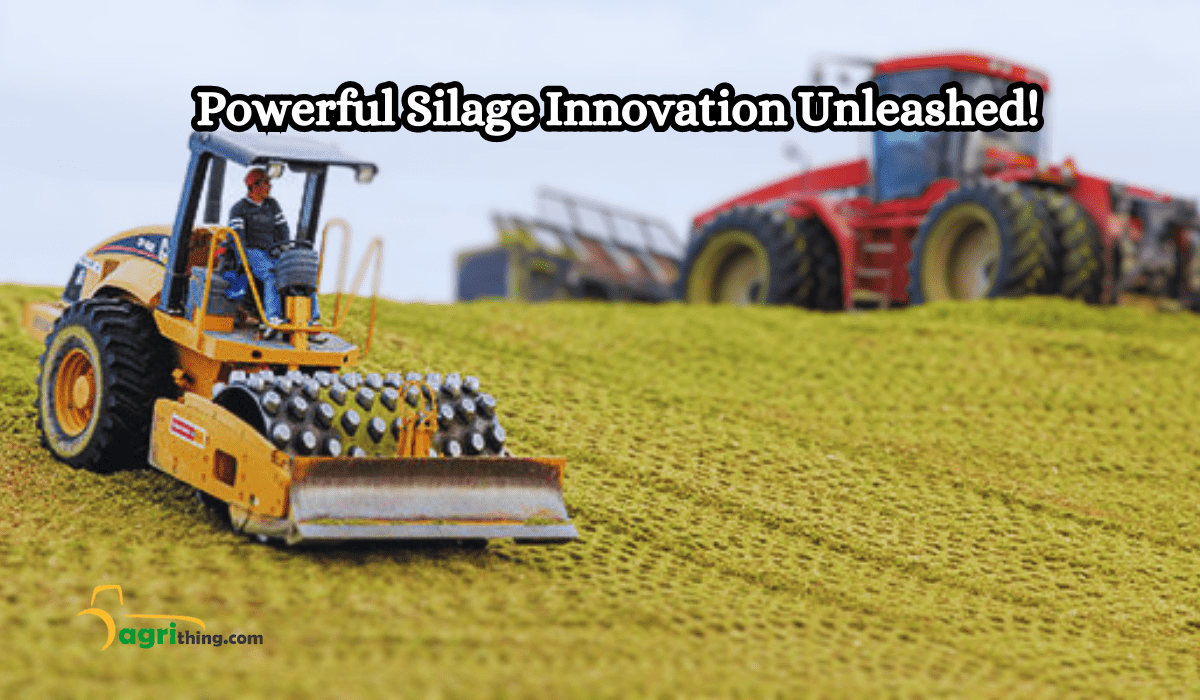
    Mistake #2: Poor Packing and Consolidation

    Proper packing and consolidation are essential for creating an anaerobic environment within the silage pit. Inadequate packing can result in the presence of oxygen, leading to inefficient fermentation and increased spoilage. Farmers should use heavy machinery to pack the silage tightly, ensuring no air pockets. Regular rolling or trampling of the hay also aids in consolidation.

    Mistake #3: Incorrect Harvesting Timing.

    Avoiding Corn Silage Pit Mistakes is crucial when it comes to harvesting corn at the right stage of maturity for optimal silage quality. Harvesting too early can lead to excessive moisture content, impacting fermentation and promoting mold growth within the pit. Conversely, harvesting too late can result in decreased nutritional value and reduced palatability. It is essential for farmers to closely monitor moisture levels and the kernel milk line to determine the ideal time for harvesting corn for silage.

    Mistake #4: Improper Moisture Content.

    Moisture content plays a crucial role in the fermentation process of corn silage. Incorrect moisture levels can lead to inadequate fermentation, excessive spoilage, and nutrient losses. It is essential to test the moisture content of the harvested crop and adjust it if necessary. The ideal moisture content for corn silage is typically between 60% and 70%, depending on the specific requirements of the livestock being fed.

    Mistake #5: Inadequate Covering and Sealing

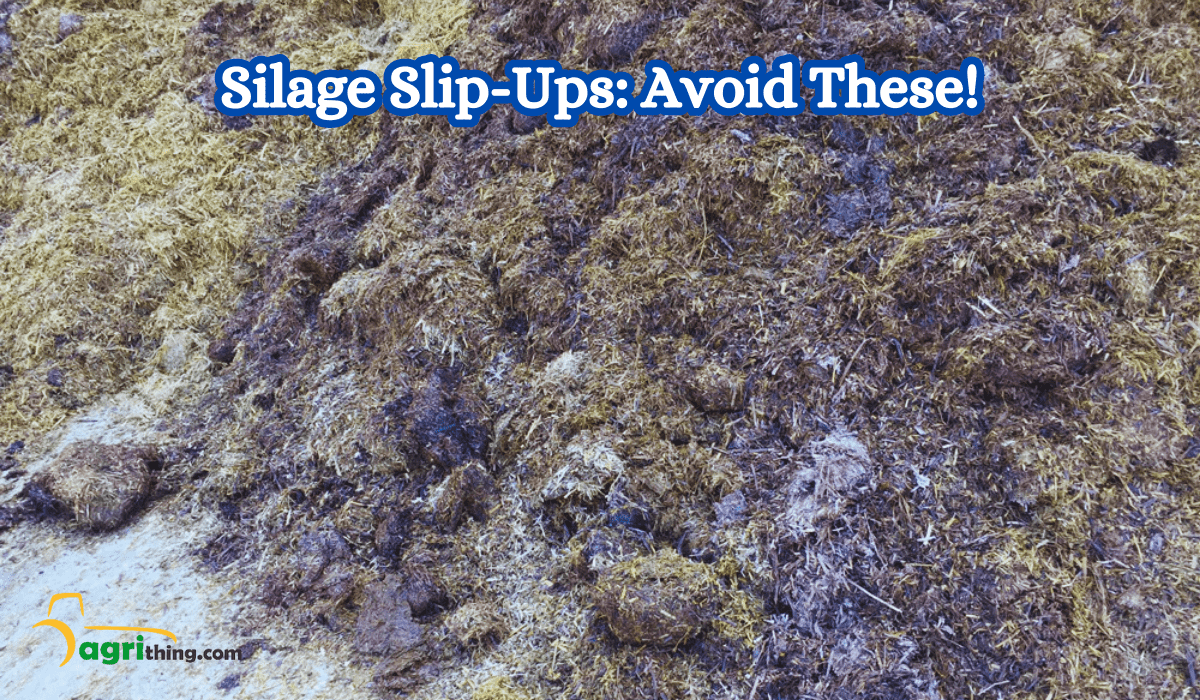
    Proper covering and sealing of the silage pit are crucial to protect the feed from air and moisture. Exposure to oxygen can lead to mold growth, heating, and nutrient degradation. Farmers should use high-quality plastic covers and seal the edges tightly to prevent air infiltration. Regular inspections should be conducted to identify and repair any damage to the cover, ensuring the integrity of the seal.

    Mistake #6: Insufficient Monitoring and Maintenance

    Regular monitoring and maintenance are crucial once the hay is stored to avoid common Corn Silage Pit Mistakes. This ensures the corn silage’s quality and integrity, helping maintain its nutritional value and prevent issues such as spoilage or deterioration. Farmers should regularly check for signs of spoilage, such as heating, off smells, or visible mold growth. Temperature probes can be used to monitor the internal temperature of the hay, as excessive heating indicates fermentation issues. Any damaged or spoiled silage should be promptly removed to prevent contamination.

    Mistake #7: Inadequate Feedout Management

    In order to avoid Corn Silage Pit Mistakes Proper feed out management is essential as it maintain corn silage’s quality and nutritional value during its use. Farmers should ensure a smooth and consistent feed-out rate to minimise exposure to air and spoilage. Removing silage from the pit in a wedge shape is recommended, starting from the top and moving down. Covering the exposed silage face with plastic sheets after each feed-out helps maintain quality.

    Tips for Avoiding Common Corn Silage Pit Mistakes

    To ensure high-quality corn silage and avoid the common Corn Silage Pit Mistakes mentioned above, farmers should follow these tips:

    1. Invest in proper pit design and construction to optimize storage capacity and facilitate efficient packing and removal.
    2. Utilise heavy machinery and proper techniques to achieve adequate packing and consolidation of the silage.
    3. Test and adjust the moisture content of the harvested crop to achieve the ideal range for corn silage.
    4. Use high-quality plastic covers and seal the silage pit tightly to prevent air and moisture infiltration.
    5. Regularly monitor the silage pit for signs of spoilage and promptly remove any damaged or spoiled silage.
    6. Implement proper feed-out management techniques, such as removing silage in a wedge shape and covering the exposed face with plastic sheets.

    Effective Sealing Techniques for Corn Silage Pits

    1. Compaction is crucial for effective sealing and for avoiding common corn silage pit mistakes. Pack the corn silage tightly to remove air pockets.
    2. Use a thick, UV-resistant plastic cover extending beyond the pit’s edges.
    3. Secure the cover using weighted tires or sandbags along the edges.
    4. Consider using oxygen barrier films below the plastic cover to further prevent air infiltration.
    5. 5.Seal the edges of the cover securely using soil, gravel, or tires to prevent common corn silage pit mistakes.

    Design Guidelines for Corn Silage Pits

    1. Location: Choose a well-drained area, away from water sources, to avoid common mistakes in corn silage pits.
    2. Size: Determine the appropriate capacity to minimize spoilage risks while accommodating the desired amount of corn silage.
    3. Walls: Construct sturdy walls to prevent collapse and ensure long-term durability, avoiding potential mistakes in corn silage pits.
    4. Floor: Design a level, smooth floor for easy silage removal and to prevent moisture accumulation.
    5. Slope: Create a gentle slope to facilitate drainage and minimise the risk of water pooling.
    6. Safety: Implement the safty measures, including the provision of ladders and emergency exist, to ensure worker safety and prevent corn silage pit mistakes during the emergencies and accidents.

    Preventing Mould Growth During Corn Silage Feed out

    1. Proper Feed Out: Remove the silage smoothly and avoid excessive disturbance to minimise oxygen exposure and prevent common Corn Silage Pit Mistakes
    2. Manage Feed Out Rate: Feed out the hay at a rate that ensures timely consumption, reducing the risk of prolonged exposure to air.
    3. Avoid Cross-Contamination: Avoid mixing spoiled or mouldy silage with fresh hay, as it can spread mould and impact overall feed quality.
    4. Cover Exposed Surfaces: Cover any exposed silage surfaces with plastic or oxygen barrier films to limit oxygen exposure and inhibit mould growth.
    5. Monitor Moisture Content: Regularly monitor and maintain the appropriate the moisture level during feed out to avoid excessive moisture which can lead to mold development and prevent corn silage pit mistakes .
    6. Regular Inspections: Regularly inspect the hay for signs of mould growth or spoilage and promptly remove any affected areas to prevent contamination and mistakes in corn silage pits.

    Conclusion

    Proper management of corn silage pits is essential for maximizing the quality and nutritional value of the stored Feed. By avoiding corn silage pit mistakes such as inadequate pit design, poor packing, incorrect harvesting timing, improper moisture content, inadequate covering and sealing, insufficient monitoring and maintenance, and inadequate feedout management, farmers can ensure they have high-quality corn silage throughout the year. Following the tips will help optimise the fermentation process and minimise nutrient losses, resulting in healthier and more productive livestock.

    Frequently Asked Questions (FAQ’s)

    Why is proper pit design important for corn silage?

    A: Proper pit design is important for corn silage to avoid common corn silage pit mistakes and ensure efficient packing, proper drainage, and reduced spoilage. This results in higher-quality corn silage.

    What is the ideal moisture content for corn silage?

    A: The ideal moisture content for corn silage is typically between 60% and 70%, depending on the specific requirements of the livestock being fed.

    How often should a corn silage pit be monitored?

    A: To avoid the Corn silage pits mistakes it is crucial to monitor the pits for spoilage indicators, conducting daily temprature check throughout the active fermentation periods.

    Can I use plastic sheets to cover the silage pit?

    A: Yes, high-quality plastic sheets covering the silage pit are recommended to prevent common corn silage pits mistakes. The sheets should provide a tight seal and effective protection against air and moisture.

    What are the consequences of poor feedout management?

    A: Poor feedout management can lead to increased exposure to air, resulting in spoilage, nutrient losses, and reduced feed quality.

    Want to purchase top-quality silage? Visit our Agricomplex website to explore our wide range of silage products.

    People Also Asked

    How can I determine the ideal moisture content for corn silage?

    To determine the ideal moisture content for corn silage and avoid common corn silage pits mistakes, farmers should regularly test the harvested crop and adjust the moisture content within the recommended range of 60% to 70%.

    What signs of spoilage should I look for when monitoring the silage pit?

    When monitoring the silage pit, signs of spoilage to look for include heating, off smells, visible mold growth, and changes in the color or texture of the hay.

    Can I use alternative materials instead of plastic sheets to cover the silage pit?

    To ensure effective coverage and prevent common corn silage pit mistakes, it is recommended to use high-quality plastic sheets as they provide the best seal against air and moisture infiltration. While alternative materials may be used, they should offer similar protective properties.

    How often should I remove damaged or spoiled silage from the pit?

    To avoid common corn silage pit mistakes, damaged or spoiled silage should be promptly removed from the pit as soon as signs of spoilage are detected. This helps prevent contamination of the remaining stored corn silage.

    Are there any specific techniques for properly packing and consolidating the hay in the pit?

    To avoid the corn silage pit mistakes, farmers should utilize heavy machinery and employ effective techniques such as rolling or trampling the silage.

  • Mastering Troubleshooting Corn Silage : Solutions and Expert Tips

    Mastering Troubleshooting Corn Silage : Solutions and Expert Tips

    Troubleshooting corn silage is important for making good feed for farmers. It means finding and fixing common problems in making Corn silage. This helps ensure the food has the right nutrients and is affordable for animals. In this article, we will talk about common issues in making Silo corn and give helpful solutions and tips to solve them.

    Introduction

    Maize silage is made by collecting and fermenting the entire corn plant, including the stalk, leaves, and grain. It is a valuable food choice, especially for dairy cows, because it gives them a steady and balanced diet all year round. But, it’s important to deal with any problems that might come up while making Silo corn to ensure the food is really good.

    Common Challenges in Troubleshooting Corn Silage

    Ensuring Optimal Moisture Content

    One important thing in making corn silage is to harvest the crop with the right amount of moisture. If harvested too early, it can be too dry, which makes the fermentation process bad and lowers its nutritional value. But if it’s harvested too late, it can be too wet, which can cause leaking, rotting, and mold to grow.

    Achieving Proper Fermentation

    Getting the fermentation right is important for keeping the nutrients and getting the most energy out of Maize silage. If it ferments enough, the food is easier for animals to digest, and they will perform better. To ensure the fermentation is the best, removing oxygen and creating a place with no air when storing the silage is important.

    Reducing Aerobic Spoilage

    Aerobic spoilage happens when oxygen gets into the silage and lets spoilage microorganisms grow. This can make the silage heat up, lose nutrients, and not taste as good. To prevent this, it’s really important to pack and seal the silage properly. That way, oxygen can’t get in, and the risk of aerobic spoilage is reduced.

    Managing Mycotoxin Contamination

    Fungi create dangerous mycotoxins that can infect corn silage, endangering farm animals. Contamination happens when crops are not well-taken care of or when the weather is bad. To stop mycotoxin contamination, storing and distributing corn properly is vital.

    Solutions to troubleshooting Corn Silage

    Harvesting at the Right Moisture Level

    Harvesting the crop when the moisture level is right is important to get the best quality corn silage. You can figure this out by regularly checking the moisture content using a reliable testing method like the kernel milk line or a moisture meter. Harvesting at the correct moisture level helps with proper packing density and encourages beneficial fermentation.

    Using Effective Inoculants

    Inoculants are substances with healthy bacteria that help start and improve Maize silage fermentation. They can make silage more stable, keep more nutrients, and reduce bad chances. Choosing the right inoculant for the situation and following the manufacturer’s instructions can really help the fermentation process work better.

    Implementing Proper Packing and Sealing Techniques

    It’s really critical to tightly pack the silage and seal it well to prevent oxygen from getting in and avoid spoilage caused by air. Using high-quality equipment like a tractor with a packing attachment can help you pack it tightly. Also, covering the top of the silage with a special film that keeps out oxygen and using the right weights to hold it down will ensure it’s sealed properly.

    Ensuring Proper Feed out Management

    Managing how you take out Maize silage is crucial to keeping it from going bad and ensuring food quality. It’s crucial to take it out evenly from the front and not leave it exposed to the air for too long. Putting a plastic sheet or a special cover on the silage left after putting out what you need can also help stop it from going off.

    Tips for Successful Troubleshooting Corn Silage

    Soil Fertility and Crop Selection

    To grow healthy and high-yielding corn crops, it’s critical to keep the soil fertile by testing it regularly and managing nutrients properly. Choosing corn varieties that have suitable traits for farming, resist diseases, and produce high-quality forage is also critical for making high-quality Silo corn.

    Harvest Timing and Processing

    Timing is critical for Maize silage harvests. Harvesting too early or too late can affect nutrients and fermentation quality. Checking the maturity of the corn crop using visual cues and reliable indicators can help decide the right time to harvest. It’s also important to process the crop properly, like breaking down the kernels for better digestion.

    Storage and Preservation Methods

    To keep feed quality high, it’s important to store and preserve it correctly. Making sure you have enough space in the bunker or silo, packing the feed properly, and regularly checking and fixing storage structures are all necessary. It’s also important to limit air exposure and protect the surface of the feed from the weather to maintain its quality.

    Monitoring and Testing for Quality Control

    It’s critical to regularly check and test corn silage during production to ensure the feed is safe and to catch any problems. Sampling the silage to check its moisture, fermentation, and mycotoxin levels can help us understand how to make it better. We can also fix any issues so the feed stays top-notch.

    Conclusion

    Corn silage troubleshooting challenges is crucial for high-quality feed. Fixing issues and using effective solutions ensures nutritious, affordable animal feed. Key areas to focus on: moisture level, fermentation, spoilage, and contamination. Employing reliable testing, proper packing, and feed-out management improves production. By following guidelines and adjusting, farmers produce top-notch feed for optimal animal performance.

    Frequently Asked Questions (FAQ’s)

    What are common challenges in troubleshooting corn silage ?

    Weather risks, moisture content management, fermentation optimization, storage conditions, and spoilage and mold growth prevention are common challenges in Silo corn production.

    How do you identify mold in troubleshooting corn silage ?

    Common methods to identify corn silage troubleshooting contain visually inspecting for visible mold growth, checking for a musty smell, looking for signs of heating, and observing any changes in texture or color.

    What is the ideal moisture content for corn silage?

    Silo corn should ideally have a moisture content of around 60% to 70%.

    How can I prevent aerobic spoilage in corn silage?

    To keep Maize silage fresh and prevent spoilage, it’s important to compact it well, seal it tightly, and maintain suitable storage conditions. This means keeping oxygen out and ensuring low temperatures.

    What are the signs of poor fermentation in corn silage?

    If Maize silage undergoes poor fermentation, you may notice certain signs. These include a sweet or alcoholic smell, excessive heating, a slimy or sticky texture, and yeasts or molds.

    Want to purchase top-quality silage? Visit our Agricomplex website to explore our wide range of silage products.

    People Also Asked

    What is the ideal moisture content for troubleshooting corn silage ?

    Silo corn should have a moisture content of about 60% to 70% for best results. Harvesting within this range helps fermentation and reduces the chance of it worsening.

    How can inoculants help improve Maize silage fermentation?

    Inoculants have good bacteria that can make the corn silage fermentation better. They make a perfect place without air, keep more nutrients, and lower the chance of going bad.

    What are the signs of aerobic spoilage in corn silage?

    When corn silage starts to spoil, some signs show it has been exposed to oxygen. These signs include heating up, mold growing, a bad smell, and becoming less tasty. These signs tell us that microorganisms cause spoilage growing in it.

    How can mycotoxin contamination be prevented in corn silage?

    To avoid mycotoxin contamination in corn silage, storing and managing it correctly is important. This involves using tightly sealed storage structures, reducing air contact, and regularly checking the levels of mycotoxins.

    How often should corn silage be tested for quality control?

    Regular testing of Silo corn throughout its lifecycle enables quality control assessment and necessary adjustments, including monitoring moisture content, fermentation quality and detecting mycotoxin contamination.

  • Silage Making Process: A Comprehensive Guide

    Silage Making Process: A Comprehensive Guide

    Corn silage plays a crucial role in livestock farming as a high-energy feed source. As the agricultural industry continues to evolve, emerging technologies are revolutionizing corn silage production, improving efficiency, and enhancing the quality of the feed. In this article, we will explore the latest advancements and their impact on Silage making process.

    Introduction

    Corn silage plays a crucial role in livestock farming as a high-energy feed source. As the agricultural industry continues to evolve, emerging technologies are revolutionising corn silage production, improving efficiency, and enhancing the quality of the feed. In this article, we will explore the latest advancements and their impact on Silage fermentation.

    Precision Agriculture and Silage making process

    Precision agriculture techniques have become popular in modern Silage making process. By using sensors, drones, and data analysis, farmers can make informed decisions to optimise yield and quality. These technologies allow for precise nutrient management, targeted pesticide application, and real-time crop health monitoring. They help farmers assess growth, soil conditions, and moisture levels accurately, improving efficiency and minimising environmental impact in Silage fermentation.

    Genetic Engineering and Corn Silage Quality

    Genetic engineering has advanced crop traits, including those of corn varieties for silage production. Scientists have modified corn plants to have better nutrition, higher digestibility, and improved resistance to pests and diseases. These developments contribute to higher-quality silage, benefiting animal performance and health in Silage fermentation.

    Robotics and Automation in Silage Harvesting

    Robots and automated machinery are now being used more in corn silage harvesting. Equipment like self-driving forage harvesters and robotic arms streamline the process and reduce manual labor. These technologies improve operational efficiency, cut costs, and minimise errors. Integration of artificial intelligence allows machines to learn and adapt, optimising harvest and storage conditions in Silage making process.

    Climate-Smart Farming Practices

    To combat climate change, sustainable farming methods are vital. Silage fermentation can benefit from climate-smart techniques like precision irrigation and water management. These practices conserve resources, reduce greenhouse gas emissions, and promote sustainability.

    IoT Applications in Silage Storage

    The Internet of Things (IoT) enhances Silage fermentation. Smart systems with sensors ensure optimal storage conditions. Real-time data analysis helps monitor and maintain high-quality silage. These technologies minimise losses and ensure year-round availability.

    Data Analytics and Predictive Modeling

    In Silage making process, big data analytics revolutionises farming. Predicting crop yield and optimizing feed rations for livestock become possible by utilising vast amounts of data. Predictive modelling informs decisions, allocates resources efficiently, and maximises profitability. Data-driven insights also contribute to sustainable practices and improving feed quality.

    The future of corn silage production brings exciting possibilities with advancing technology. Machine learning and artificial intelligence optimise farming operations, including planting, harvesting, and storage. However, challenges like initial costs and limited technology access need consideration. Balancing advancements with sustainability and ethics ensures long-term success in corn silage production.

    Advancements in Biotechnology for Silage making process

    Enhanced Corn Varieties: Biotechnology improves corn varieties for higher yield, quality, and disease resistance in corn silage production.
    Nutrient-Rich Hybrids: Biotech techniques create corn hybrids with improved nutrient content and stress tolerance, maximizing their suitability for silage production.
    Precision Breeding: Biotechnology enables selective breeding to develop corn hybrids specifically tailored for optimal corn silage production.
    Improved Fermentation: Biotech advancements contribute to enhanced fermentation processes, resulting in higher-quality corn silage.
    Targeted Breeding: Biotech tools facilitate targeted breeding strategies, allowing the selection of corn hybrids optimized for silage production.
    Sustainable Practices: Biotechnology promotes sustainable corn silage production by reducing inputs and improving overall production efficiency.

    Improving Fertiliser Efficiency in Silage making process

    Soil Testing and Nutrient Analysis:

    Conduct soil tests and analyse nutrient levels to determine the appropriate fertiliser requirements for Silage making process.

    Precision Application Techniques:

    This methods for precise and efficient fertiliser distribution through variable rate fertilisation and site-specific nutrient management.

    Balanced Nutrient Management:


    Balanced nutrient management optimises nitrogen, phosphorus, and potassium application, meeting crop needs while avoiding excess or deficiency.

    Timing of Fertiliser Application:

    Apply fertilisers at optimal timings aligned with corn growth stages for efficient nutrient uptake and minimal nutrient losses.


    Enhanced Fertiliser Formulations:

    Utilise advanced formulations like slow-release or controlled-release fertilisers to provide nutrients gradually, enhancing availability for corn plants.

    Cover Crops and Crop Rotation:

    Incorporate cover crops and practice crop rotation to improve soil fertility, reduce nutrient runoff, and enhance overall fertiliser efficiency in Silage making process.

    Conclusion

    Emerging technologies are transforming the landscape of Silage making process, improving efficiency, and enhancing the quality of feed for livestock. Precision agriculture, genetic engineering, robotics, climate-smart farming practices, IoT applications, and data analytics play vital roles in shaping the future of Silage making process. By adopting these technologies and practices, farmers can optimize yield, minimize environmental impact, and ensure the availability of high-quality silage for their livestock.

    Frequently Asked Questions (FAQ’s)

    What is the ideal moisture content for corn silage?

    The ideal moisture content for corn silage is typically between 60% and 70%. It ensures proper fermentation and storage stability.

    How does precision agriculture benefit corn silage production?

    Precision agriculture allows farmers to make data-driven decisions, optimizing nutrient management, and maximising yield and quality of corn silage.

    Are genetically modified corn varieties safe for livestock consumption?

    Extensive research and regulatory processes ensure the safety of genetically modified corn varieties for both livestock and human consumption.

    Can robots replace manual labour in silage harvesting completely?

    While robots and automation technologies improve efficiency, manual labor still plays a significant role in certain aspects of silage harvesting.

    How can data analytics help improve corn silage quality?

    Data analytics provides insights into crop yield, nutrient content, and feed optimization, enabling farmers to produce high-quality corn silage.

    Want to purchase top-quality silage? Visit our Agricomplex website to explore our wide range of silage products.

    People Also Ask

    What is the ideal moisture content for corn silage?

    The ideal moisture content for corn silage is typically between 60% and 70%, ensuring proper fermentation and storage stability in corn silage production.

    How does precision agriculture benefit corn silage production?

    Precision agriculture benefits corn silage production by enabling data-driven decisions, optimizing nutrient management, and maximizing yield and quality of corn silage.

    Are genetically modified corn varieties safe for livestock consumption?

    Extensive research and regulatory processes ensure the safety of genetically modified corn varieties for both livestock and human consumption in corn silage production.

    Can robots replace manual labour in silage harvesting completely?

    While robots and automation technologies improve efficiency, manual labor still plays a significant role in certain aspects of silage harvesting in corn silage production.

    How can data analytics help improve corn silage quality?

    Data analytics provides insights into crop yield, nutrient content, and feed optimization, enabling farmers to produce high-quality corn silage in corn silage production.

  • Master Corn Silage Preservation: Boost Productivity & Profitability

    Master Corn Silage Preservation: Boost Productivity & Profitability

    Corn silage is important for feeding livestock like cows. Their nutritional and energy requirements are met by it. Dairy cows, beef cattle, and other animals that chew their cud eat a lot of it. To make sure corn silage stays nutritious and lasts a long time, it’s important to corn silage preservation it properly. There have been exciting new ways for farmers to store and preserve corn silage, making it even better.

    Importance of Preserve Corn Silage

    Corn silage preservation is important for feeding livestock like cows. Nutrients and energy are provided by it. Dairy cows, beef cattle, and other animals that chew their cud eat a lot of it. To make sure corn silage stays nutritious and lasts a long time, it’s important to preserve corn silage properly. There have been exciting new ways for farmers to store and use corn silage, making it even better.

    Traditional Methods of Corn Silage Preservation

    Traditionally, farmers have used various methods to preserve corn silage, including chopping and packing, the fermentation process, and oxygen exclusion. These methods have been effective to some extent, but they often face challenges such as spoilage, nutrient losses, and decreased feed quality.

    Chopping and Packing

    The first step in corn silage preservation involves chopping the crop into small pieces, followed by tightly packing it into silos or storage structures.

    Fermentation Process

    After the corn silage is packed, it goes through a fermentation process. During this process, lactic acid bacteria change sugars into lactic acid, which makes the environment acidic and stops spoilage microorganisms from growing. To help preserve the silage even more, farmers cover it with plastic or special films that block oxygen. Mold growth is reduced as a result.

    Innovations in Corn Silage Preservation

    In the past few years, new and improved ways to preserve corn silage have been developed. These methods make storing and using corn silage much better and more efficient. Farmers now have innovative techniques that have changed the game when it comes to corn silage preservation and making it the most of this important feed.

    Biological Additives

    Biological additives, such as inoculants and microbial enzymes, have gained popularity in corn silage preservation. These additives contain beneficial microorganisms that enhance fermentation, improve nutrient retention, and reduce spoilage.

    Organic Acid Preservatives

    Organic acids, like propionic acid and acetic acid, are commonly used as corn fodder preservation. These acids help control the growth of spoilage microorganisms, ensuring the stability and quality of the stored silage.

    Inoculants

    Inoculants are specialized mixtures of bacteria, enzymes, and other compounds that improve the fermentation process. They aid in rapid acid production, inhibit harmful bacteria, and enhance the preservation of corn silage.

    Improved Packaging Methods

     Advanced packaging materials, such as oxygen barrier films and vacuum-sealed bags, have been developed to improve maize silage preservation. These materials prevent oxygen infiltration, reducing the risk of mold growth and maintaining the quality of the silage.

    Advanced Storage Techniques

    Innovations in storage techniques, such as silage inoculation systems, temperature-controlled silos, and airtight storage units, have significantly improved the preservation of corn silage. These methods create optimal conditions for fermentation and minimize nutrient losses.

    Benefits of Innovations in Corn Silage Preservation

    1. More Nutrients: These techniques help retain a higher amount of nutrients in the feed, ensuring animals receive optimal nutrition.
    2. Better Feed Quality: By minimizing spoilage and maintaining freshness, these methods result in higher-quality feed, leading to healthier livestock.
    3. Less Feed Loss: Effective preservation methods reduce the amount of valuable feed lost during storage, optimizing feed efficiency.
    4. Reduced Spoilage and Mold: Innovations in preservation decrease the risk of spoilage and mold growth, reducing the need for wasted feed and promoting better animal health.
    5. Improved Digestibility: Properly preserved corn silage is easier for animals to digest, allowing them to extract maximum nutrition from their feed.

    Building a Solid Foundation: Bunker Silo Construction

    Silage Storage Techniques Description
    Bunker Silos-Large, open-air structures for horizontal storage.
    Require proper compaction and covering.
    Silage Bags-Long plastic bags used for airtight storage.
    -Provide flexibility and easy access to different silage varieties.
    Silo Towers-Vertical structures for storing silage.
    -Come in various sizes and shapes.
    -Require proper packing to minimize air infiltration.
    Oxygen Limiting SilosTechniques to create an anaerobic environment. oxygen barrier films, exclusion systems.
    Reduce spoilage and preserve nutrient content.
    Silage Additives-Used in conjunction with storage techniques.
    -inoculants, acids, enzymes.
    -Enhance preservation, inhibit mold growth, improve digestibility.
    Proper Sealing and Covering-Essential for all storage techniques.
    -Use plastic sheets, tires, or weighted covers.
    -Maintain anaerobic conditions for fermentation and preservation.

    Case Studies: Success Stories of Innovations in Corn Silage Preservation

    Several case studies highlight the positive outcomes achieved through the adoption of innovative corn silage preservation techniques. These success stories showcase the practical benefits experienced by farmers who have embraced new methods.

    The field of corn fodder preservation continues to evolve, with ongoing research and development leading to new advancements. Some future trends that can be anticipated include the use of nanotechnology, precision fermentation, and data-driven preservation methods.

    Conclusion

    New methods of corn silage preservation have completely changed how farmers store and use this important feed. These innovations include things like biological additives, organic acid preservatives, better packaging, and advanced storage techniques. By using these methods, farmers can make sure that preserve corn silage keeps its nutritional value, lasts longer, and stays high quality. These silage innovations have many advantages, like keeping more nutrients in the feed, improving its quality, reducing waste, preventing spoilage, and making it easier for animals to digest.

    Frequently Asked Question

    How long can corn silage be stored using innovative preservation methods?

    Innovative preservation methods can extend the storage life of corn silage for up to several years, depending on the specific techniques employed and the quality of the silage.

    Are the innovative preservation methods suitable for small-scale farms?

    Yes, innovative preservation methods can be adopted by farms of various sizes. However, it’s essential to assess the cost-effectiveness and compatibility with existing practices before implementation.

    Do innovative preservation methods affect the taste of corn silage?

    No, when properly preserved, the taste of corn silage remains consistent, ensuring palatability for livestock.

    Are there any regulations or guidelines for using innovative preservation methods?

    Regulations and guidelines may vary depending on the region or country. It’s advisable to consult local agricultural authorities or industry experts for specific recommendations.

    Can innovative preservation methods be used for other types of silage besides corn?

    Yes, many of the innovative preservation methods can be applied to other types of silage, such as grass, legumes, or whole-plant crops, with suitable adjustments and considerations.

    Want to purchase top-quality silage? Visit our Agricomplex website to explore our wide range of silage products.

    People Also Asked

    What are the latest innovations in Preserve corn silage?

    New ways to preserve corn silage have been developed. These include using additives, better sealing, cutting with precision, and using advanced storage structures.

    How can corn silage be preserved for longer periods?

    Corn silage can be preserved for longer periods by harvesting at the right moisture level, proper compaction, airtight sealing, and using additives or inoculants.

    What are the benefits of using innovative methods for corn silage preservation?

    The benefits of innovative methods for corn silage preservation include improved nutrient retention, reduced losses, enhanced feed quality, and extended storage periods.

    Are there any risks or challenges associated with new corn silage preservation techniques?

    The benefits of innovative methods for corn fodder preservation include improved nutrient retention, reduced losses, enhanced feed quality, and extended storage periods.

    How do innovations in corn silage preservation contribute to sustainable farming practices?

    Innovations in maize silage preservation contribute to sustainable farming by reducing waste, optimizing feed efficiency, and minimizing environmental impact.