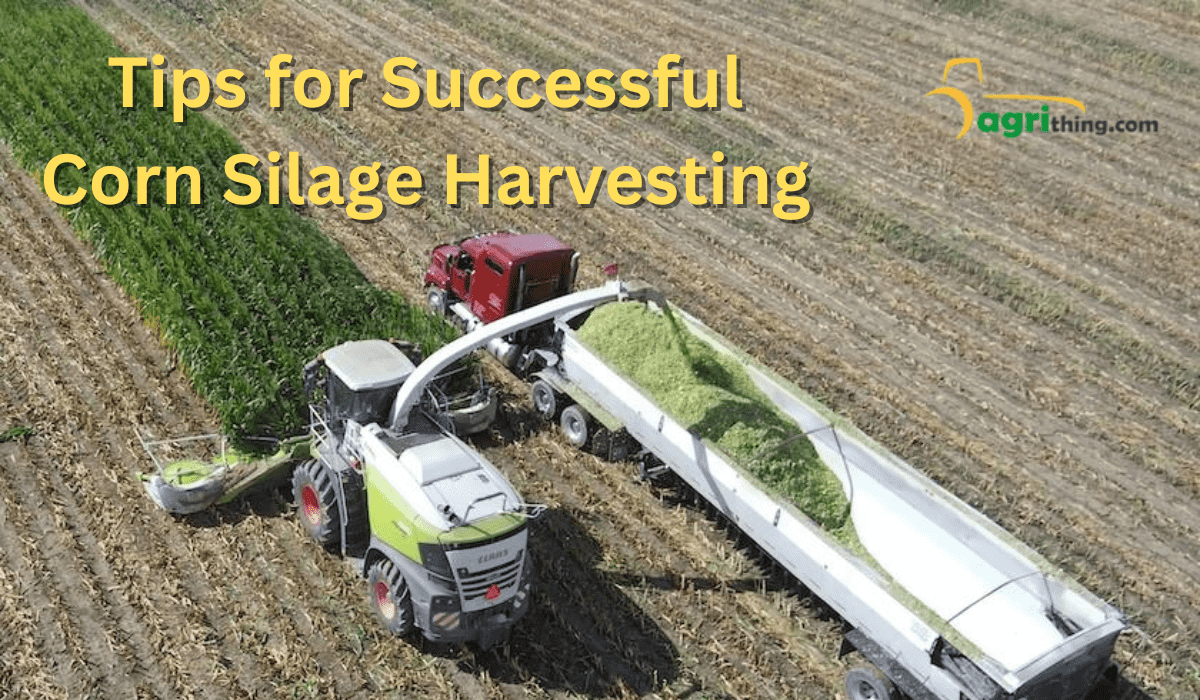
Corn silage is an essential food for farmers’ animals. It is nutritious and affordable. Corn silage Harvesting involves essential steps for good quality and amount. This article will give you ten crucial tips for harvesting corn silage. Let’s learn how to make the best maize silage!
Tips for Successful Corn Silage Harvesting
Selecting the Right Corn Variety
To have a successful corn silage harvesting:
- Select a suitable corn variety.
- Look for types that produce a lot and can resist diseases.
- Think about the corn’s maturity and moisture level to match when you want to harvest and the quality of the silage.
Timing for corn silage Harvesting
Timing is essential when harvesting corn silage. It’s crucial to keep an eye on the moisture levels of the corn plant to know the best time to harvest. If you harvest early enough, you may get less crop and higher nutrition. On the other hand, if you harvest too late, you may have less dry matter and reduced digestibility.
Equipment Preparation
Before you start harvesting corn silage, preparing and checking your equipment is essential. Make sure to inspect and maintain the forage harvester so that it’s working well. Also, check that other necessary equipment like tractors, wagons, and packing machinery is functioning correctly.
Field Preparation
Before you start harvesting corn silage, preparing and checking your equipment is essential. Make sure to inspect and maintain the forage harvester so that it’s working well. Also, check that other necessary equipment like tractors, wagons, and packing machinery is functioning correctly.
Chopping and Processing
Adjusting the equipment settings properly is essential to achieve the desired chop length. The chop length impacts how tightly the material is packed and how fermentation occurs. Make sure the equipment is calibrated correctly to match your specific needs.
Packing and Compaction
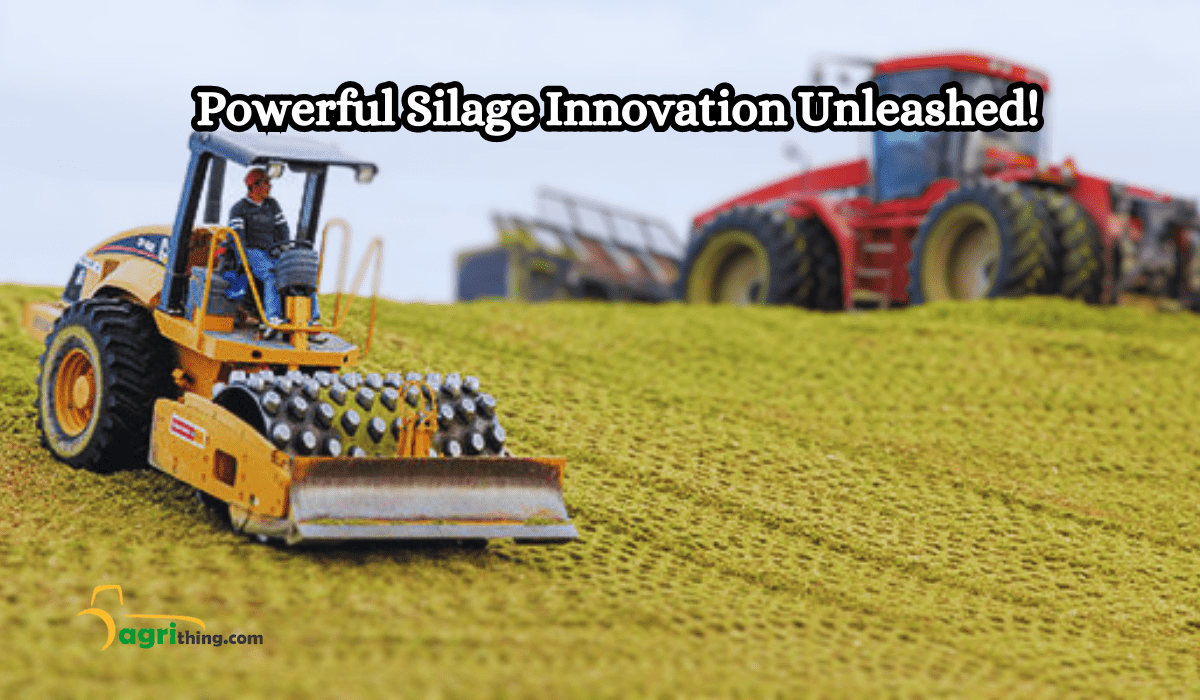
It’s crucial to carefully focus on the packing and compaction process to achieve high densities and avoid air pockets. Utilize specialized equipment like heavy tractors or rollers to ensure the silage mass is uniformly packed.
Covering and Sealing
To maintain the silage quality, covering and sealing the silage pile or bunker is crucial. Use top-notch plastic covers designed explicitly for silage protection. Make sure to seal it tightly to prevent oxygen from entering and to keep anaerobic conditions intact.
Monitoring and Managing Fermentation
During the fermentation process, monitor the temperature and pH levels regularly. These parameters are indicators of proper fermentation. Make necessary adjustments, such as adding inoculants or adjusting the moisture content, to optimize the fermentation process and enhance silage quality.
Feed out and Storage
When removing silage from storage, employ proper techniques to avoid spoilage. Maintain a smooth and even face as you remove silage to minimize exposure to air. Consider using a defacer or silage facer to maintain a clean feed-out surface and prevent heating.
Safety Considerations
Safety should always be a top priority during corn silage harvesting. Follow safety guidelines provided by the equipment manufacturers and local regulations. Identify potential hazards, such as moving machinery parts or confined spaces, and take appropriate precautions to ensure the well-being of yourself and others.
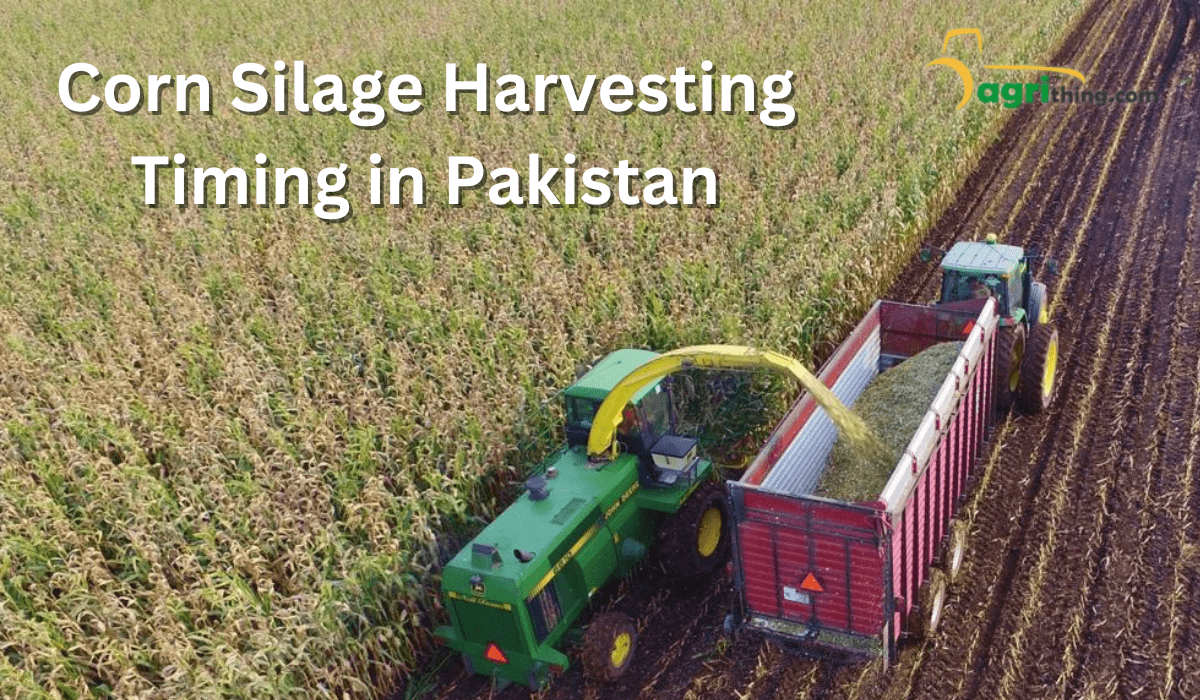
Corn silage harvesting timing in Pakistan
| Crop Stage | Timing |
|---|---|
| Slicing | July-August |
| Tasseling | August-September |
| August-September | September-October |
| Milk Line Formation | October-November |
| Physiological Maturity | November-December |
Maintaining Quality Throughout the Year
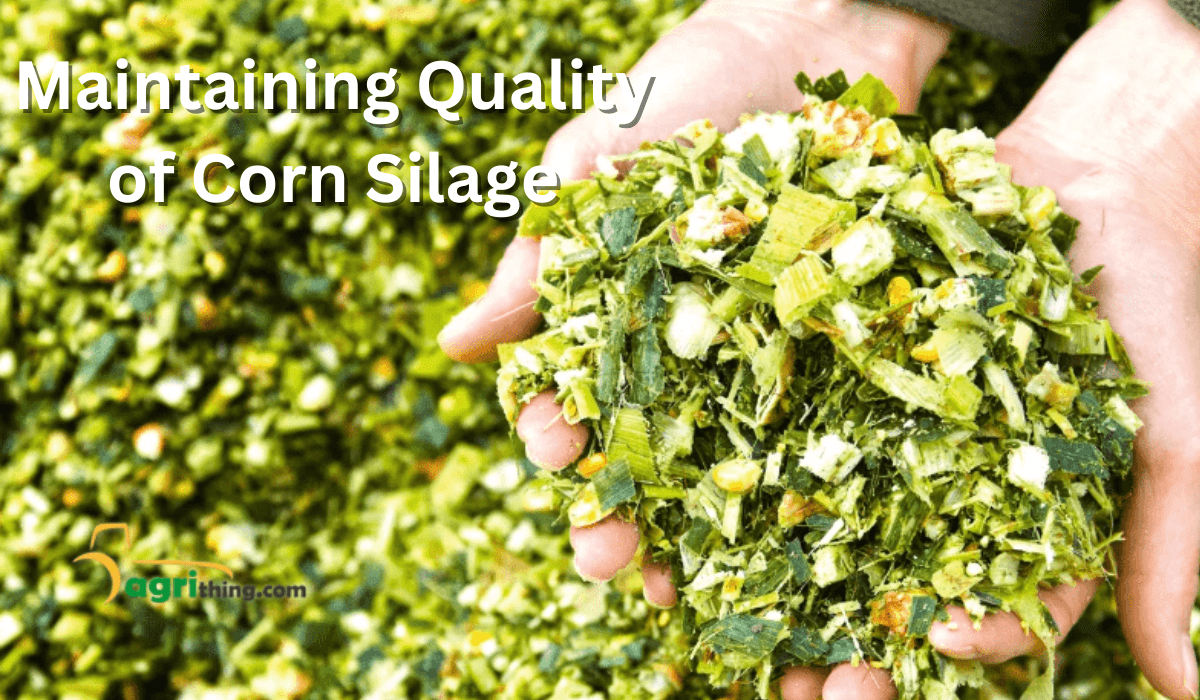
Follow the best practices for long-term storage to uphold silage quality all year round. This involves monitoring storage conditions, conducting regular inspections to check for cover damage, and promptly addressing any problems. Manage your inventory correctly to rotate the silage, reducing spoilage and keeping it fresh for your livestock.
Conclusion
To have a super corn adventure, you must plan carefully and pay close attention to all the little details. It’s essential to choose the right kind of corn, harvest it at the perfect time, and follow some special rules to make the corn super delicious and healthy. Safety is always super important, so be careful and watch the corn as it goes through a unique process called fermentation. Following these ten tips for corn adventures, you’ll become a corn silage expert in no time!
Frequently Asked Question (FAQ’s)
What are the best practices for corn silage harvesting?
How do I determine the right time to harvest corn silage?
What equipment is needed for corn silage harvesting?
How should I store corn silage after harvesting?
Can I use corn silage for other purposes besides livestock feed?
Related Articles
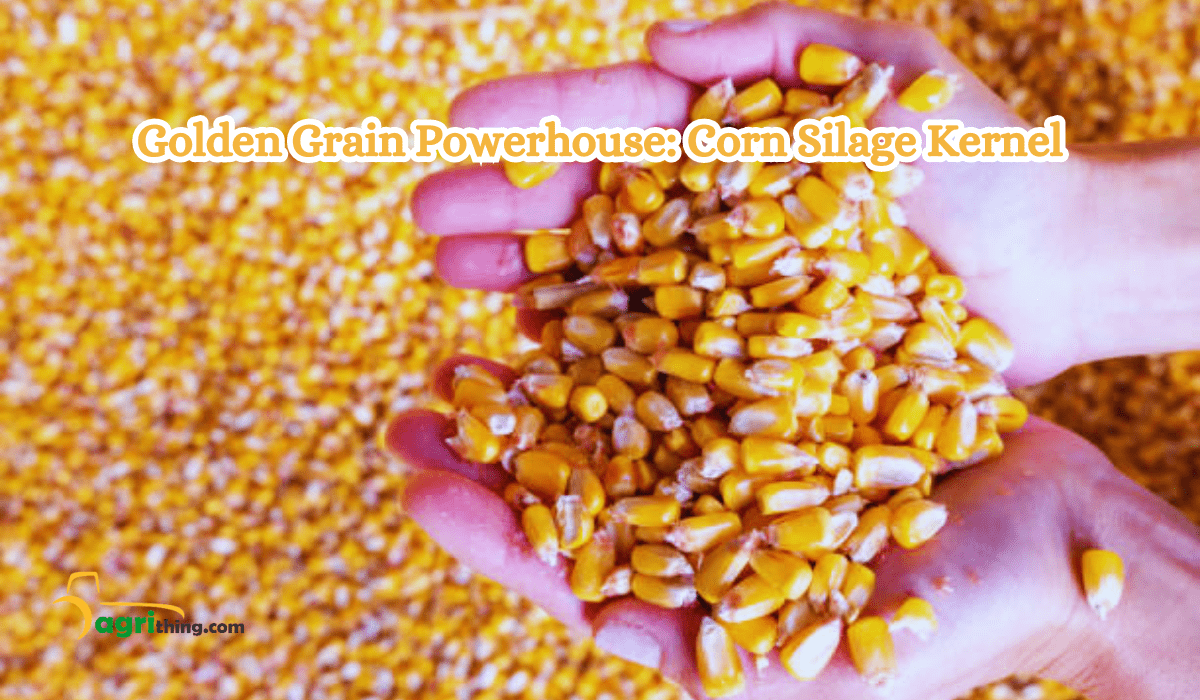
Want to purchase top-quality silage? Visit our Agricomplex website to explore our wide range of silage products.
People Also Asked
What is the ideal moisture content for corn silage?
For top-quality maize silage, closely monitor moisture levels, aiming for 60% to 70%, and avoid harvesting too early or too late..
Can I use corn varieties not bred explicitly for silage?
Although it is possible to use corn varieties not bred explicitly for silage, choosing varieties noted for their high yields, resistance to diseases, and proper maturity and moisture content for silage production is advisable.
How long can corn silage be stored without spoilage?
Depending on the storage conditions, properly stored corn silage can be preserved for several months to a year. Observing the fodder regularly is crucial, addressing any signs of spoilage promptly.
Is it necessary to test the corn silage for nutrient content?
Testing the nutrient content of corn silage is highly recommended as it informs ration formulation and enhances animal performance.
Can corn silage be used as a sole feed for livestock?
Corn fodder is significant in livestock diets as it supplies energy, fiber, and essential nutrients. However, it is generally advisable to supplement it with other feed sources alongside maize silage.
Leave a Reply