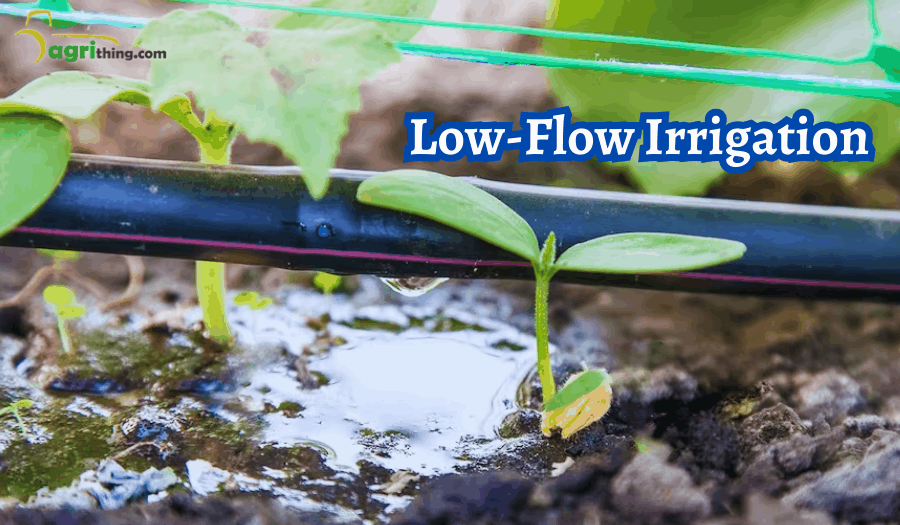
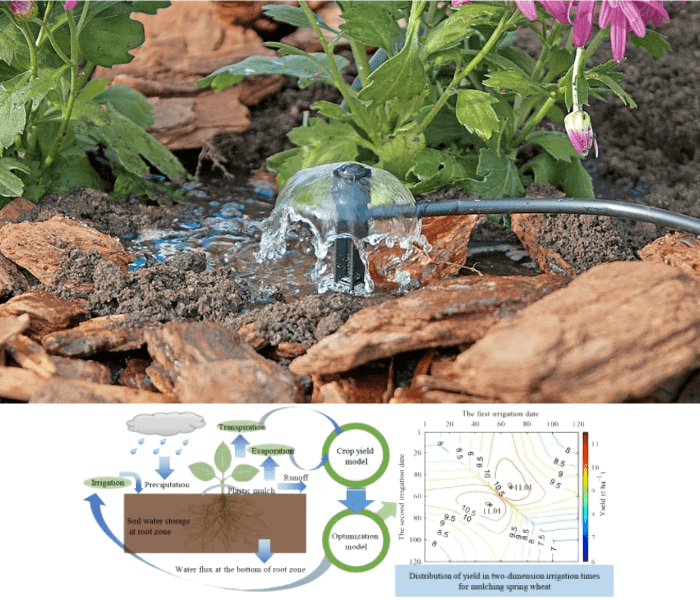
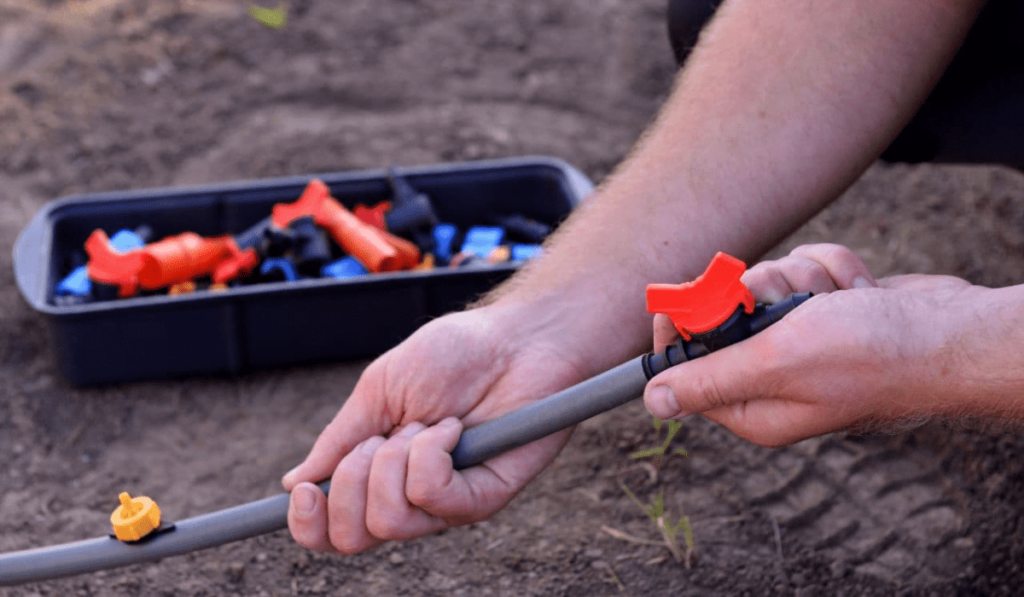
Exploring Drip Irrigation Advantages, this innovative agricultural technique provides many benefits that reshape how crops are watered. Drip irrigation minimizes water wastage and ensures optimal hydration by delivering water directly to the plant’s roots. It empowers farmers with precise control, boosting crop yields, conserving water resources, and promoting sustainable farming practices. This irrigation method ensures that your plants receive the right amount of moisture at the right time.
Whether you’re a seasoned gardener or just starting, incorporating drip irrigation into your gardening routine can significantly enhance your gardening experience and yield remarkable results. This article will discuss how to step up your garden game with drip irrigation. So let’s start.
What is Drip Irrigation?
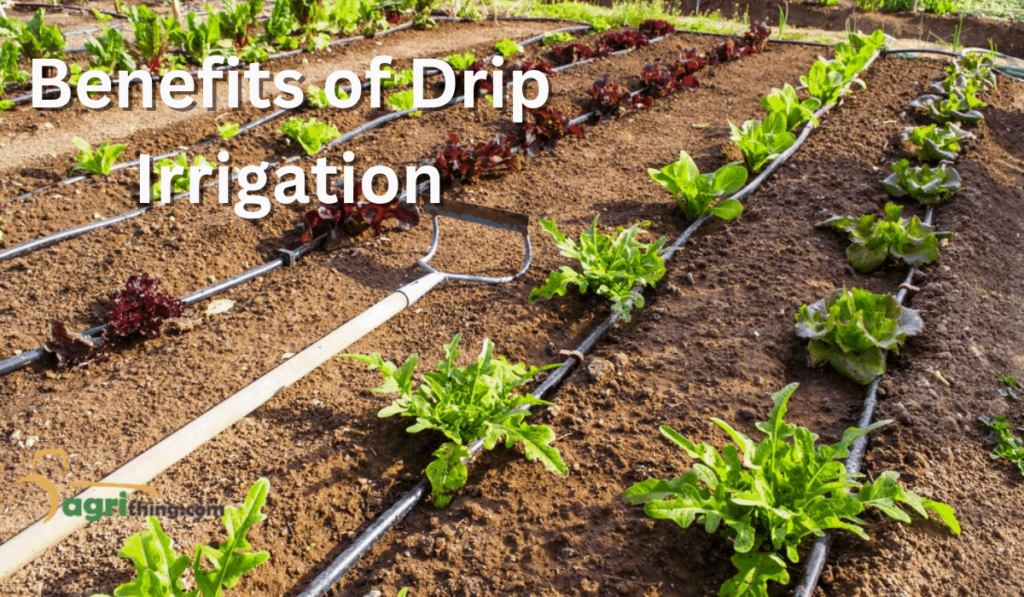
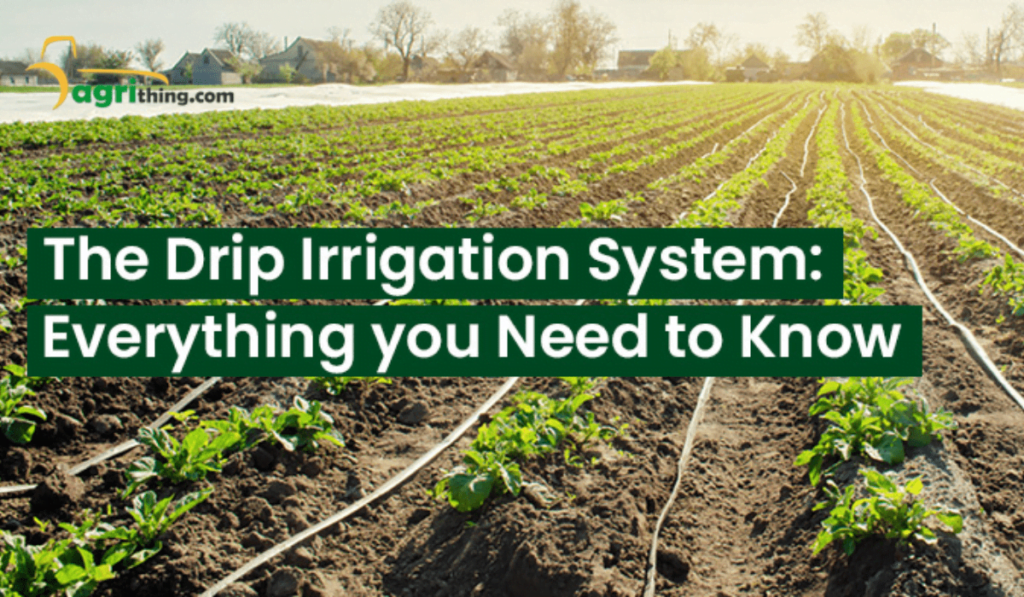
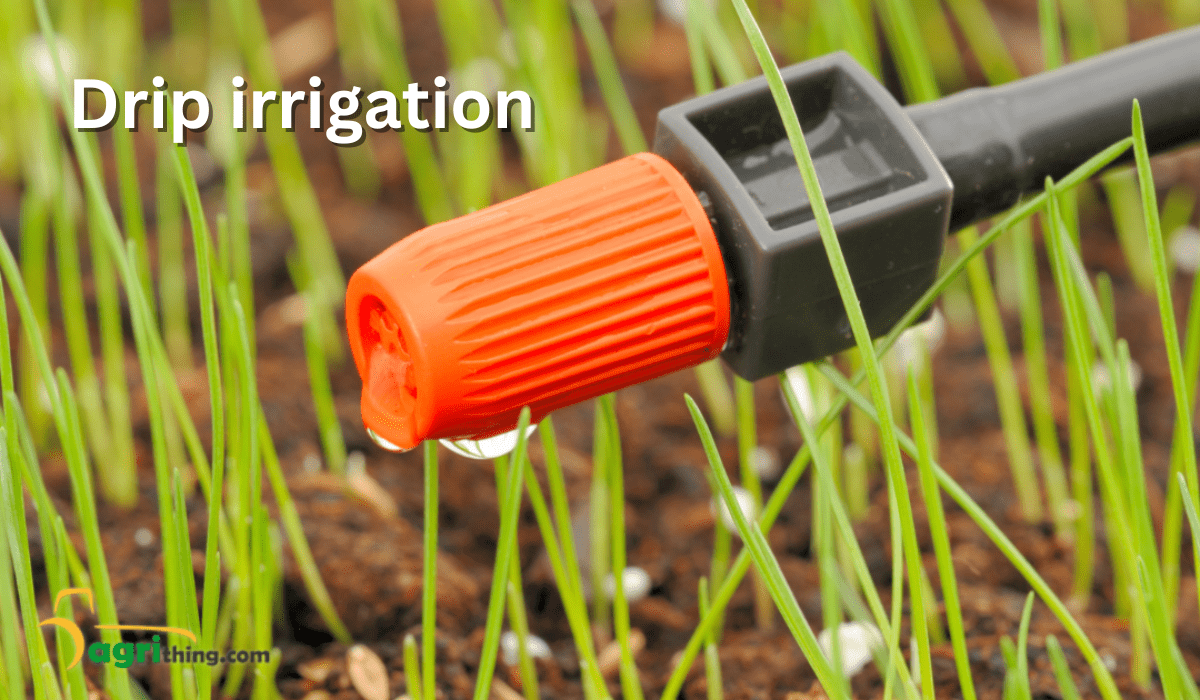
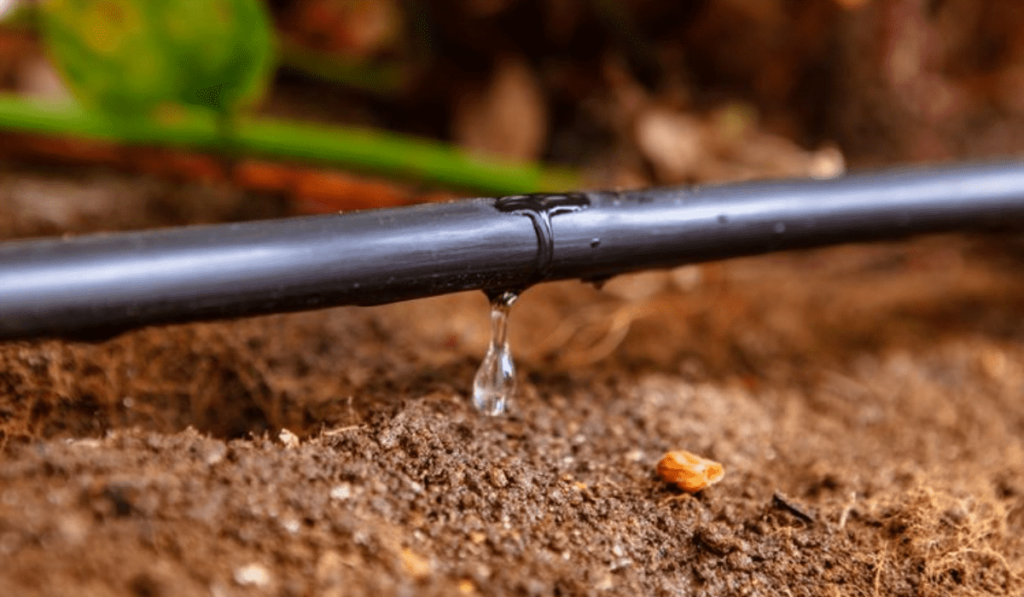
Drip irrigation is a watering method that involves the slow and precise application of water directly to the base of plants. It utilizes a network of tubing and emitters to deliver water in a controlled manner. Drip irrigation ensures that plants receive the right amount of water without excess evaporation or runoff by mimicking natural rainfall.
Step up Garden Game with Drip Irrigation
Drip irrigation is a game-changer for efficiently and effectively watering your garden. Delivering water directly to plant roots conserves water, promotes healthier plants, and saves you time and effort. To step up your garden game with drip irrigation, consider the following tips and tricks to enhance your gardening experience.
Assess Your Garden’s Watering Needs
Before installing a drip irrigation system, evaluate your garden’s watering requirements. Consider plant types, soil conditions, sun exposure, and climate. Some plants may have higher water needs, while others may thrive with less. Understanding your garden’s needs will help you design a tailored drip irrigation system.
Choose the Right Drip Irrigation System
Selecting the appropriate drip irrigation system is essential for success. Consider factors such as the size of your garden, water pressure, and flow rate requirements.
There are various types of drip irrigation available. These systems include soaker hoses, drip tapes, and micro-sprinklers. Choose the one that best suits your garden’s layout and watering needs.
Plan Your Drip Irrigation Layout
Create a detailed plan for your drip irrigation system’s layout before installation. Consider the placement of your plants, the water distribution requirements, and the nearness to a water source. Map out the tubing and emitter placement, ensuring optimal coverage and even water distribution.
Consider Water Source and Pressure
Check your water source and measure the water pressure. Ensure that the water source meets the requirements of your chosen drip irrigation system. Install a pressure regulator if necessary. This regulator will maintain consistent water flow and prevent damage to the system. Additionally, consider using a filter to prevent clogging of emitters and ensure clean water delivery.
Prepare Your Garden for Drip Irrigation
Before installing the drip irrigation system, prepare your garden for optimal performance. Remove weeds, stones, and debris from the planting area to avoid blockages or damage to the tubing. Level the soil and create furrows or basins around plants to help retain water and prevent runoff.
Install Drip Irrigation Components
Follow the manufacturer’s instructions to install the drip irrigation components correctly. Lay out the main tubing, and connect emitters or drippers. Secure them near the base of each plant. Use stakes or clips to secure the tubing and prevent movement. Ensure proper spacing between emitters to provide adequate water to each plant.
Adjust and Fine-Tune the System
After installing the drip irrigation system, make necessary adjustments and fine-tune it for optimal performance. Check the water flow rate, adjust emitter positions, and ensure even distribution. Periodically monitor the system and make any required modifications based on plant growth or changes in your garden.
Monitor and Maintain Your Drip Irrigation
Regularly inspect and maintain your drip irrigation system to keep it in excellent working condition. Check for clogged emitters, leaks, or damaged tubing. Clean or replace clogged emitters and repair any leaks promptly. Adjust the system as needed to accommodate changes in your garden.
Maintain Drip IrrigationBenefits of Drip Irrigation
Benefits of Drip Irrigation
Installing the proper drip irrigation system offers more benefits for the garden as well as for farmers. Here are some benefits.
Water Efficiency
One of the primary benefits of drip irrigation is its remarkable water efficiency. It minimizes water loss due to evaporation and ensures that plants receive optimal hydration. Drip irrigation systems can reduce water usage by up to 50%.
Weed Control
With traditional sprinkler systems, water is often wasted in areas where it is not needed. Drip irrigation minimizes water contact with the surrounding soil. Therefore it reduces weed germination and growth.
Reduced Soil Erosion
Drip irrigation provides a gentle and controlled water flow, preventing soil erosion. By delivering water directly to the roots, it reduces surface runoff. This can wash away topsoil and nutrients.
Customization and Flexibility
Drip irrigation systems offer a high level of customization and flexibility. You can adjust the flow rate, timing, and frequency of water delivery to meet the specific needs. So this allows you to tailor the watering regime accordingly.
To sum up, you can get above all benefits from drip irrigation on its proper installment. Gardens, as well as farmers, have advantages from these benefits.
Agrithing-Exploring Drip Irrigation Advantages
Components of a Drip Irrigation System
To set up a drip irrigation system, you will need various components that work together to ensure efficient water delivery. Here are the key elements:
Component
Description
Main Water Source
The primary water source for the entire drip irrigation system, such as a garden faucet or rainwater harvesting system.
Filters
Ensure the water flows in one direction, preventing water supply contamination and maintaining the integrity of the irrigation system.
Pressure Regulators
Help maintain steady and controlled water pressure throughout the system, preventing damage or inefficient water distribution.
Tubing and Emitters
Tubing carries water from the primary source to the plants, while emitters deliver water directly to the roots. Different types of emitters include drippers, micro-sprinklers, or soaker hoses.
Backflow Preventers
Ensure water flows in one direction, preventing water supply contamination and maintaining the integrity of the irrigation system.
Maintenance Tips for Drip Irrigation
To keep your drip irrigation system functioning optimally, regular maintenance is crucial. Follow these tips to ensure its longevity and efficiency:
Regular Inspections: Inspect the system periodically for any damage, leaks, or clogged emitters. Replace damaged components and clean or replace clogged emitters as needed.
Flushing and Cleaning: Flush the system periodically to remove sediment, debris, or mineral buildup. Cleaning the emitters and filters will maintain optimal water flow and prevent clogging.
Checking for Leaks: Inspect the connections, tubing, and emitters for any leaks. Repair or replace damaged parts to prevent water loss and ensure efficient watering.
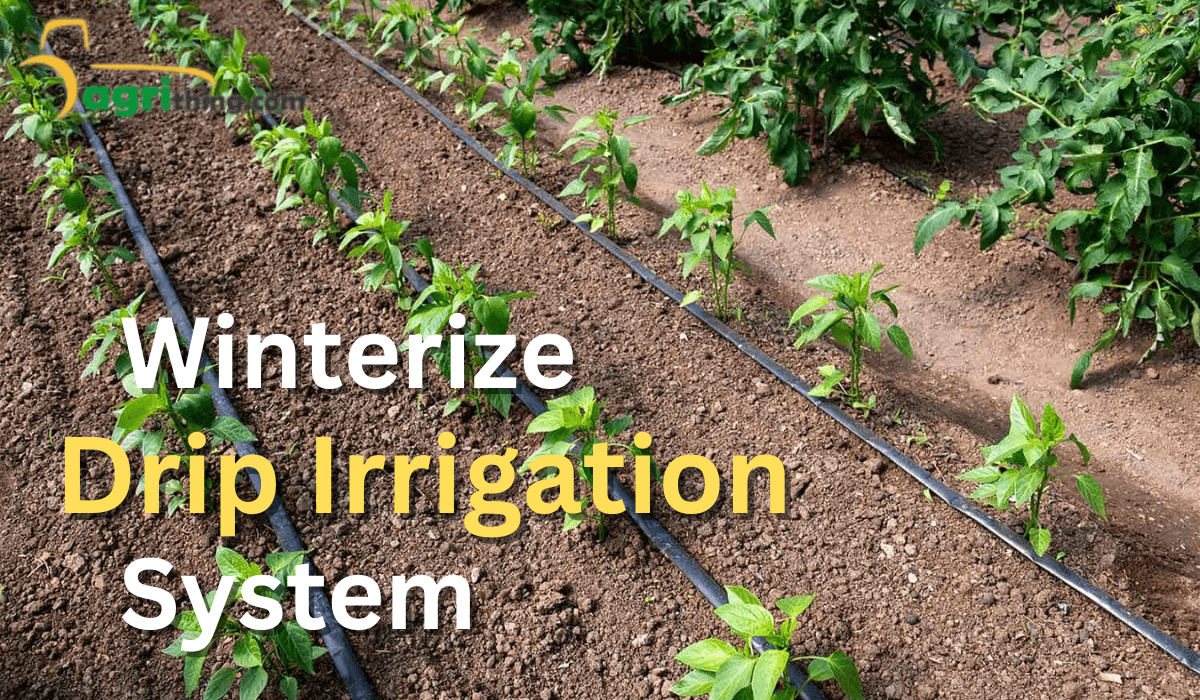
Winterizing the System: Make sure to winterize your drip irrigation system before the arrival of winter. Remove all water from the system to avoid freezing and potential harm. Safely store the components dry to shield them during the colder months.
Troubleshooting Common Issues
Proper maintenance protects you from troubleshooting. However, sometimes common issues may arise with your drip irrigation system. Here are some common problems and their solutions:
Clogged Emitters: If an emitter is clogged, carefully remove and clean it using a small tool or soaking it in vinegar. Ensure the emitter is clear of any debris before reattaching it.
Uneven Water Distribution: Uneven water distribution can occur due to uneven water pressure or incorrect emitter placement. Adjust the pressure regulators and reposition the emitters to achieve uniform watering.
Low Water Pressure: Low water pressure may result from a clogged filter or insufficient water supply. Clean or replace the filter and ensure that the primary water source provides adequate pressure for the system.
Pest Damage: Drip irrigation minimizes leaf wetness, reducing the risk of fungal diseases. Monitor your garden for pests and employ appropriate pest control measures.
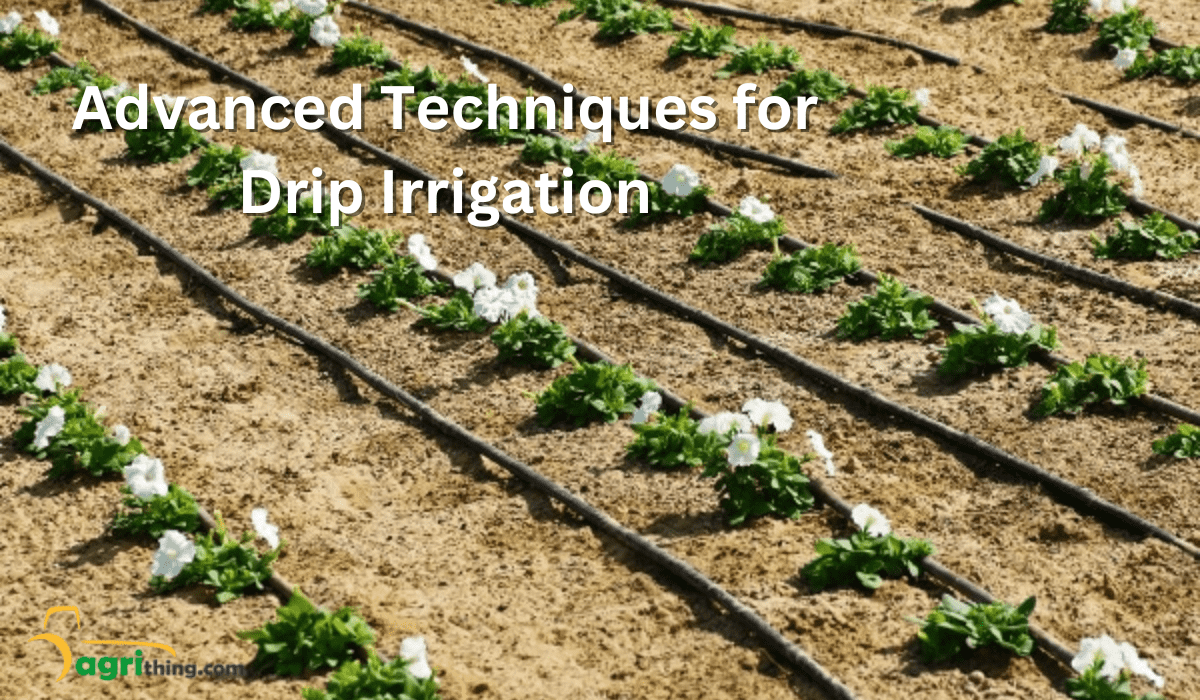
Advanced Techniques of Drip Irrigation
Techniques with drip irrigationBest Techniques for drip irrigation
To enhance the functionality and convenience of your drip irrigation system, consider these advanced techniques and accessories:
Fertilizer Injectors
Fertilizer injectors allow you to deliver nutrients directly to the roots through the drip system. This ensures efficient nutrient absorption by the plants, promoting healthy growth.
Timer Systems
Installing a timer system automates the watering process, allowing you to set specific watering schedules. This ensures consistent watering even if you are away or unable to tend to your garden regularly.
Rain Sensors
Rain sensors detect rainfall and temporarily pause or adjust the watering schedule accordingly. This prevents overwatering and conserves water during rainy periods.
Pressure Compensating Emitters
Pressure-compensating emitters ensure a consistent flow rate across varying water pressures. This is particularly useful in situations where water pressure fluctuates.
Drip Irrigation Advantages for Different Types of Gardens
Drip irrigation can be applied to various gardens catering to their specific needs. Here are some examples:
Garden Setting
Description
Vegetable Gardens
Drip irrigation provides consistent moisture to the root zone, promoting healthy growth and higher yields. It also reduces foliar diseases by minimizing leaf wetness.
Flower Beds
Drip irrigation benefits flower beds by providing targeted watering without wetting the foliage. This promotes vibrant blooms, reduces disease risks, and conserves water.
Container Gardens
Drip irrigation can be adapted for container gardens using adjustable emitters or micro-sprinklers. It simplifies watering and eliminates the need for individual plant watering, especially in larger container setups.
Greenhouses
Drip irrigation is beneficial in greenhouse settings as it allows for the precise watering of different plant species. It ensures a controlled environment and minimizes water wastage.
Environmental Impact of Drip Irrigation
In addition to its numerous benefits for plants and gardeners, drip irrigation also has a positive impact on the environment:
Water Conservation
Drip irrigation minimizes water wastage due to evaporation and runoff by delivering water directly to the roots. This helps conserve water, an increasingly scarce resource.
Energy Efficiency
Drip irrigation systems require lower water pressure compared to traditional sprinklers. As a result, they consume less energy for pumping, contributing to overall energy efficiency.
Chemical Reduction
With drip irrigation, you can apply fertilizers or other amendments directly to the root zone. This reduces the need for excess chemical usage, benefiting the plants and the environment.
Cost Considerations
While the upfront investment for a drip irrigation system may seem higher than traditional methods, it offers long-term savings and a favorable return on investment.
Upfront Investment
Setting up a drip irrigation system involves purchasing components such as tubing, emitters, filters, and regulators. However, the longevity and efficiency of the system make it a worthwhile investment.
Long-Term Savings
Drip irrigation significantly reduces water usage, lowering water bills over time. Additionally, it minimizes the need for herbicides and reduces plant loss due to underwatering or overwatering.
Return on Investment
Considering the savings on water bills, reduced plant loss, and improved plant growth, drip irrigation offers a favorable return on investment. It enhances the overall health and productivity of your garden.
Frequently Asked Questions (FAQs)
Can I install a drip irrigation system myself?
Yes, installing a drip irrigation system is a DIY-friendly project. With proper planning and guidance, you can set up the system yourself and enjoy the benefits of efficient watering.
How do I determine the water requirements of my plants?
Research the specific water needs of each plant species or guidelines on water requirements. Factors such as climate, soil type, and plant maturity also influence water needs.
Can I use drip irrigation in areas with low water pressure?
Drip irrigation systems are designed to work efficiently with low water pressure. Pressure regulators can help maintain a steady flow even in areas with low pressure.
Can I convert an existing sprinkler system to drip irrigation?
Yes, converting an existing sprinkler system to drip irrigation is possible. However, it may require some modifications to the system and the addition of drip tubing and emitters.
How long should I run my drip irrigation system?
The runtime of your drip irrigation system depends on various factors, such as plant needs, climate, and soil type. It is recommended to monitor the soil’s moisture level and adjust the runtime accordingly.
Conclusion
Drip irrigation is a game-changing technique that can revolutionize your gardening experience. Its water efficiency, weed control, reduced soil erosion, and customization capabilities make it an excellent choice for any garden. Following the planning, installation, and maintenance tips in this article, you can step up your garden game with drip irrigation. Enjoy healthier plants, save water, and create a thriving garden oasis.
A drip irrigation system delivers water directly to the roots of plants by using a network of tubes or pipes with emitters or drippers placed at specific intervals.
How do I install a drip irrigation system?
The installation process may vary depending on your specific needs. Still, it generally involves laying out the main water supply line, connecting smaller tubes or pipes, and placing emitters near plants.
How does a drip irrigation system work?
In a drip irrigation system, water is distributed through a central water supply line connected to smaller tubes or pipes with emitters. These emitters release water droplets or a slow stream of water directly at the base of plants, allowing it to seep into the soil and reach the root zone efficiently.
Are there any maintenance requirements for a drip irrigation system?
Drip irrigation offers several benefits, including water efficiency, improved plant health, weed control, versatility, and time-saving.
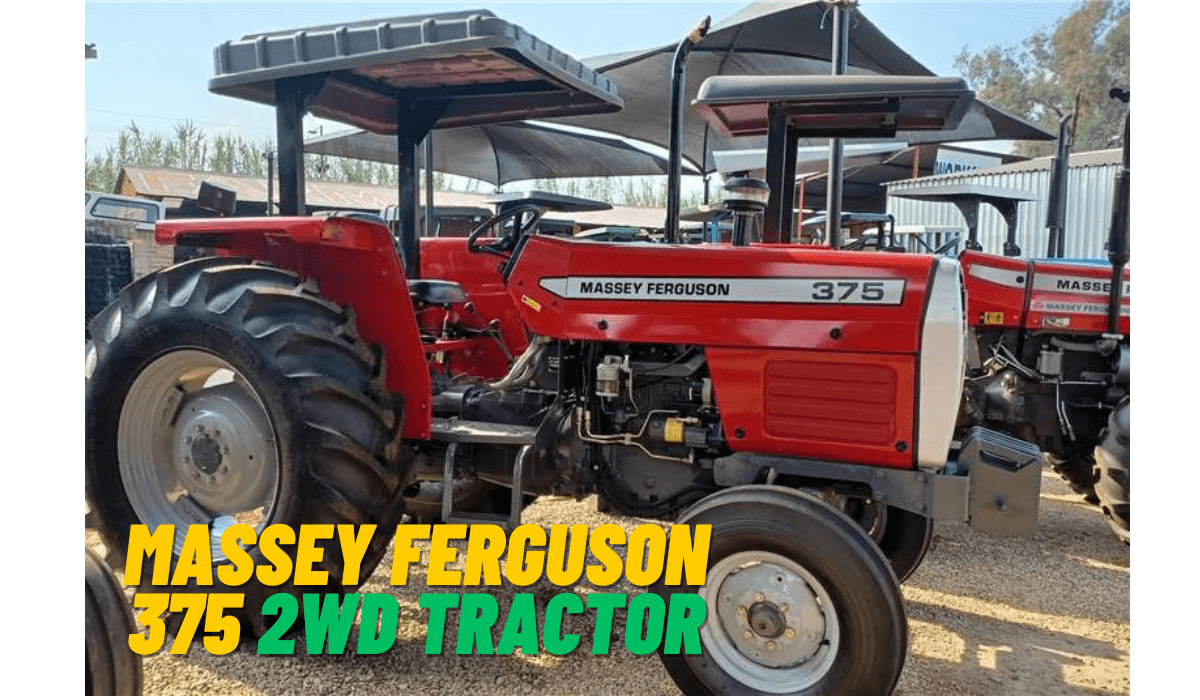
If you’re looking to purchase a robust, dependable, cost-effective Massey Ferguson 375 tractor in Pakistan, you’ve come to the perfect place. Here, we will explore the intricate details of this powerful machinery and explain why it is an excellent option to fulfill your agricultural requirements. Discover the advantages of the MF 375 tractor for sale in Pakistan, including its exceptional performance, reliability, and affordability. Whether you need an MF 375 tractor or seek a Massey Ferguson (2WD)375, rest assured that you’ll find the ideal MF 375 2WD tractor to meet your needs right here.
Overview of Massey Ferguson (2WD) 375 Tractor
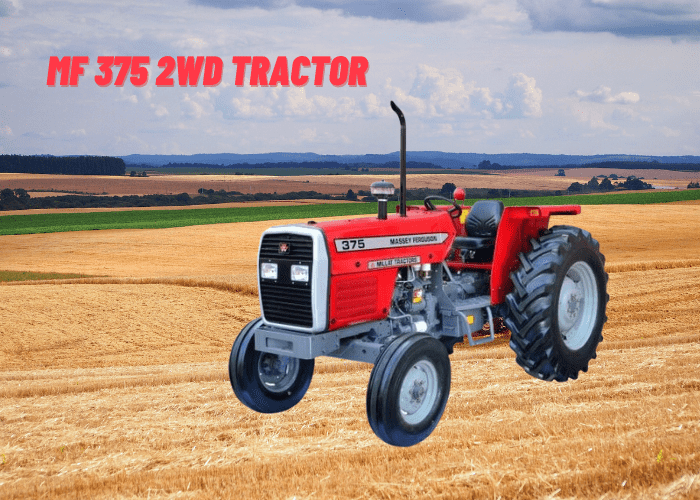
The Massey 375 tractor, a part of the globally acclaimed Massey Ferguson brand, is a two-wheel-drive (2WD) tractor known for its robustness and high performance. Not only does it offer exceptional power, but it also promises durability and fuel efficiency.
Key Features of MF 375 (2WD) Tractor
Now, let’s get down to the nuts and bolts of this mechanical beast and explore its key features.
Engine Specifications
The heart of the 375 tractor is its powerful 75 horsepower engine that ensures optimal performance across various farming operations. With a 4.41 L direct injection diesel engine, it guarantees powerful plowing and pulling ability.
Transmission Details
The tractor is equipped with a sliding spur type transmission, offering 8 forward and 2 reverse speeds. This broad range of speeds provides flexibility for different farming tasks, from plowing to transportation.
Fuel Capacity and Efficiency
With a fuel tank capacity of 108 liters, this Massey2WD tractor can operate for extended periods without frequent refueling. It is also designed for fuel efficiency, reducing operational costs in the long run.
Key Features
Description
Model
MF 375
Type
2WD Tractor
Engine Power
75 horsepower (HP)
Engine Type
Turbocharged, Direct Injection Diesel Engine
Transmission
8 Forward and 2 Reverse Gears
PTO (Power Take Off)
540 RPM and 1000 RPM
Hydraulic System
Live Hydraulic System with Position Control
Steering
Hydrostatic Power Steering
Fuel Tank Capacity
84 liters
Weight
2,175 kilograms
Tires
Front: 7.50-16, Rear: 18.4/15-30
Dimensions
Length: 3,730 mm, Width: 1,910 mm, Height: 2,600 mm
Why MF Tractor is a Great Choice
Now you may wonder, why should I choose the MF 375 (2WD)tractor?
Versatility and Utility:
The 375 tractor excels in various tasks, such as plowing, planting, harvesting, and haulage operations
Durability and Reliability:
Renowned for its robust construction and high-quality components, the 375 tractor ensures durability and consistent performance, even in challenging conditions.
Value for Money:
With its outstanding features, durability, and performance, the MF 375 (2WD)tractor provides excellent value for money. It proves to be a worthwhile investment in the long run.
MF 375 2WD Tractor: An Ideal Choice for Pakistani Farms
But why is the MF 375 particularly suitable for Pakistani farms?
Suitability for Pakistani Terrain
The 2WD version of the Massey Ferguson tractor is ideal for Pakistani terrain. It offers excellent maneuverability and control, making it perfect for the varied agricultural landscapes across the country.
Economical Maintenance
Another reason why the 375 tractor is popular in Pakistan is its economical maintenance. The tractor is designed for simple and low-cost upkeep, making it a practical choice for local farmers.
Availability of Spare Parts
One of the key factors in choosing a tractor is the availability of spare parts. With the Massey 375 tractor, finding spare parts in Pakistan is easy, reducing potential downtime due to repairs or replacements.
How to Buy a Massey Ferguson 375 Tractor in Pakistan
So, how do you go about buying agricultural machinery in Pakistan?
New vs. Used: Pros and Cons
Whether to buy a new or used(2WD) 375 tractor for sale is a major decision. A new tractor offers a manufacturer’s guarantee and often a higher level of performance. However, a used tractor can be a more affordable option, especially if it’s in good condition.
Checking the Tractor’s Condition
Before purchasing a used MF 375 agriculture machinery, it’s crucial to inspect its condition thoroughly. Look for signs of wear and tear, check the engine performance, and verify the overall functionality.
Negotiating the Price
Lastly, negotiation is part of the buying process. Always remember, the asking price is often flexible. Don’t be afraid to negotiate to get the best deal for your budget.
Ready to Power Up? Get Your MF 375 tractor at Agricomplex!
Reliable performance in various agricultural tasks
Limited range of transmission gears
Availability of spare parts and after-sales support
Higher fuel consumption compared to some models
Versatile compatibility with implements
Limited height adjustment for some attachments
Cost-effective and economical operation
Relatively higher weight
Wide availability in the Pakistani market
Limited seating capacity for operators
Trusted brand reputation of Massey Ferguson
Higher initial investment compared to smaller models
Conclusion
Whether you’re a small-scale farmer or managing a large agricultural enterprise, the MF 375 for sale in Pakistan can revolutionize your operations. With its exceptional power, long-lasting durability, versatile capabilities, and cost-effective maintenance, the375 tractor is the perfect solution for farming in Pakistan. Whether you specifically seek the MF 375 2WD tractor, this reliable machine will meet your needs and surpass your expectations. Get ready for a productive and successful farming journey with the Massey Ferguson tractor. Happy farming!
Frequently Asked Questions (FAQ’s)
What is the price range of the MF 375 tractor in Pakistan?
The price can vary depending on whether it’s new or used, and its overall condition. Always check with local dealers for the most accurate price.
Is the MF 375 tractor suitable for all types of farming activities?
Yes, the MF 375 tractor is versatile and can handle a wide range of farming tasks, from plowing to harvesting.
How fuel-efficient is the MF 375 tractor?
The MF 375 tractor is designed for fuel efficiency, which can significantly reduce operational costs over time.
Is it easy to find spare parts for the MF 375 tractor in Pakistan?
Yes, spare parts for the MF 375 tractor are readily available across Pakistan.
Can the MF 375 tractor operate on rough terrain?
Yes, the 2WD version of the MF 375 tractor is designed for excellent control and maneuverability on varied terrains.
Discover the best deals on the Massey Ferguson 375, a powerful MF 375 Tractor now available for sale in Pakistan. Explore MF 375 2WD Tractor models, trusted for their robust performance and versatility. Don’t miss out on your perfect MF 375 tractor for sale in Pakistan only on Agricomplex!
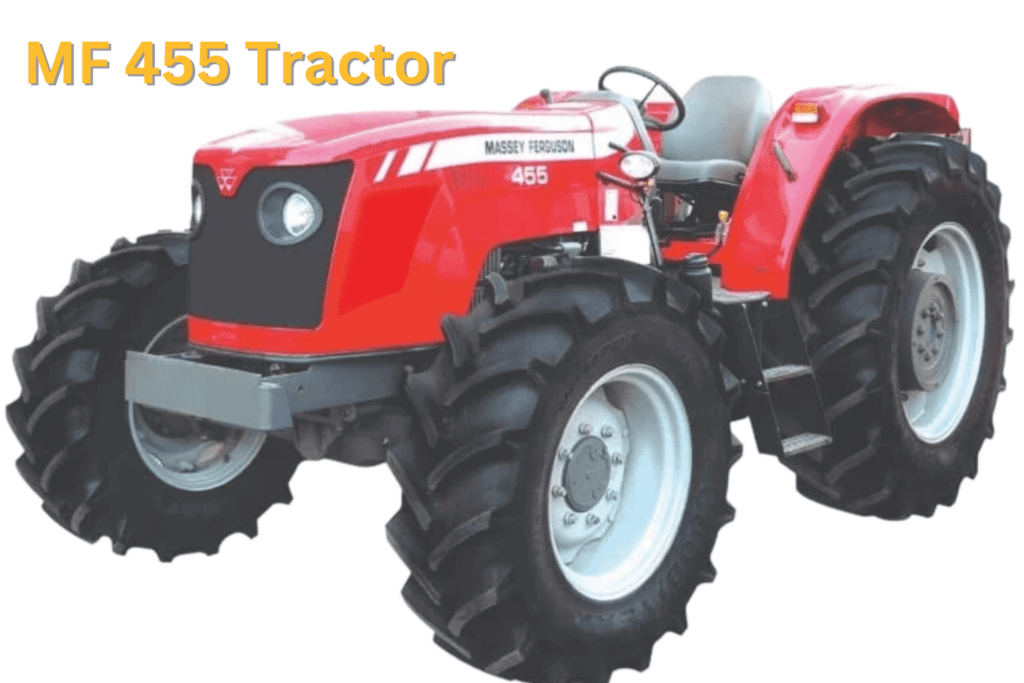
Experience power and performance with the MF 455 tractor at Agricomplex. This robust machine is designed to tackle the toughest farming tasks and offers unmatched reliability and efficiency. With advanced features and superior technology, the MF 455 tractor empowers farmers to maximize productivity and achieve exceptional results. Explore its capabilities and unleash the true potential…
Tractors are essential in farming as they help farmers do many jobs more efficiently. One brand that’s well-known and liked by farmers in Pakistan is Massey Ferguson. Massey Ferguson tractor prices in Pakistan vary based on the model, specifications, spare part availability, and market competition. To buy one, explore authorized dealerships, compare Massey Ferguson tractor…
looking to purchase a Massey Ferguson tractors? Visit our Agricomplex website to explore our wide range of Massey Tractors.
People Also Asked (PAA)
Where can I find a MF 375 tractor for sale in Pakistan?
You can find an MF 375 tractor for sale in Pakistan through local dealerships.
What is the price range for MF 375 tractors in Pakistan?
The price range for MF 375 tractors in Pakistan varies.
Can I get financing options for purchasing an MF 375 tractor in Pakistan?
Financing options are available for purchasing an MF375 (2WD) tractor in Pakistan.
Are spare parts readily available for MF 375 tractors in Pakistan?
Spare parts for MF 375 tractors are readily available in Pakistan.
Corn silage fermentation is a critical process in producing high-quality feed for livestock. As a livestock farmer or a professional involved in animal husbandry, understanding the importance of proper corn silage fermentation is essential to ensure the health and productivity of your animals. In this article, we will discuss the importance of proper corn silage fermentation as well as its benefits. Also, provide valuable tips for achieving optimal fermentation.
What is Corn Silage Fermentation?
Corn silage fermentation refers to the anaerobic breakdown of sugars in chopped corn plants through the activity of lactic acid bacteria. This fermentation process results in the preservation of nutrients and production of organic acids, making corn silage a valuable source of feed for livestock, particularly dairy cattle and beef animals. The fermentation occurs in a silo, where the chopped corn plants are packed tightly and ensiled.
Importance of Proper Corn Silage Fermentation
Proper corn silage fermentation plays a vital role in ensuring the nutritional value and palatability of the feed for livestock. Here are some key reasons why achieving optimal fermentation is of utmost importance:
Preservation of Nutrients The fermentation process helps preserve the nutrients present in corn plants, such as carbohydrates, proteins, and minerals. This preservation ensures that the livestock receives a balanced diet that supports their growth, reproduction, and overall health.
Enhanced Digestibility Through fermentation, corn silage becomes more easily digestible for animals. The breakdown of complex carbohydrates into simpler forms increases the availability of energy and nutrients, leading to improved feed efficiency.
Consistent Feed Quality Optimal fermentation ensures consistent feed quality throughout the year, even during periods of low forage availability. This Consistent Feed Quality allows farmers to maintain the nutritional needs of their animals and avoid fluctuations in productivity.
Improved Nutritional Value Proper fermentation enhances the digestibility and nutrient availability of corn silage. The breakdown of complex carbohydrates by lactic acid bacteria produces lactic acid and other organic acids, which help lower the silage’s pH. This decrease in pH preserves the nutrients, minimizes nutrient losses, and improves overall feed quality.
Enhanced Animal Performance High-quality corn silage obtained through proper fermentation promotes better animal health and productivity. The increased nutrient availability and improved digestibility lead to enhanced feed intake, improved milk production in dairy cows, and efficient weight gain in beef cattle. Additionally, well-fermented corn silage reduces the risk of metabolic disorders and digestive issues in livestock.
Cost Efficiency Optimal fermentation directly contributes to cost savings for farmers. Preserving nutrients during fermentation reduces the need for additional supplementation, reducing feed costs. Moreover, farmers can optimize their feed resources and reduce overall waste by preventing spoilage and minimizing nutrient losses.
Reduce Environmental Impact Proper corn silage fermentation has positive environmental implications. The reduced nutrient losses and efficient utilization of feed resources contribute to sustainable agricultural practices. Additionally, well-fermented silage produces fewer undesirable odors, minimizing the impact on the surrounding environment and improving the overall working conditions on the farm.
Factors Affecting Proper Corn Silage Fermentation
Several factors influence the quality of corn silage fermentation. Understanding these factors can help farmers optimize the process and improve the nutritional value of the feed. Some key factors include:
Moisture Content: The ideal moisture content for corn silage fermentation typically ranges between 60% and 70%. Excess moisture can lead to clostridial fermentation, while insufficient moisture can impede fermentation.
Chopping Length: The length at which the corn plants are chopped affects the packing density and compaction within the silo, which, in turn, influences the fermentation process.
Particle Size: The particle size of the corn plants affects the accessibility of the sugars by the lactic acid bacteria. Finely chopped silage promotes faster and more efficient fermentation.
Silo Management: Maintaining a good seal, avoiding oxygen ingress, and preventing spoilage organisms, are crucial for successful corn silage fermentation.
Tips for Achieving Proper Corn Silage Fermentation
Proper corn silage fermentation is vital in optimizing feed quality and ensuring the nutritional well-being of livestock. To ensure proper corn silage fermentation, follow these tips:
Right Harvesting: Harvest corn at the recommended moisture content, typically between 60% and 70%, to promote proper fermentation and avoid spoilage.
Adequate Packing and Compaction: Achieve good packing and compaction of corn silage within the silo to remove excess air and promote anaerobic conditions essential for fermentation.
Use a Quality Inoculant: Consider using a research-proven inoculant containing lactic acid bacteria to optimize fermentation and enhance nutrient preservation.
Monitor Silage Temperature: Regularly monitor the temperature of the hay to identify any signs of heating, which can indicate inadequate fermentation or spoilage.
Proper storage and feed out: Implement proper storage and feed-out practices to maintain feed quality over time. This Proper storage and feed out includes managing oxygen exposure, covering silage surfaces, and minimizing spoilage during feed out.
Common problems and possible troubleshooting steps
Despite taking preventive measures, issues can arise during the corn silage fermentation process. Here are some common problems and possible troubleshooting steps:
High pH
If the pH exceeds the target range, it may indicate inadequate fermentation. Evaluate the moisture content, packing density, and ensiling management practices to identify potential causes.
Heating and Mold Growth
Excessive heating or mold growth suggests poor fermentation or oxygen ingress. Ensure proper packing, sealing, and storage practices to prevent these issues.
Undesirable Odor
Foul or putrid odors may indicate clostridia fermentation or spoilage. Assess the ensiling process, moisture content, and sealing integrity to address the problem.
Frequently Asked Questions (FAQs)
Can corn silage be fed to all types of livestock?
Yes, corn silage can be fed to various types of livestock, including dairy cattle, beef animals, and even some types of poultry. However, it is essential to consider the specific nutritional requirements of each animal and ensure proper supplementation when needed.
How long does the corn silage fermentation process take?
The duration of the fermentation process can vary depending on several factors, such as moisture content, temperature, and the effectiveness of inoculants. Typically, the fermentation takes around 2 to 4 weeks to reach optimal levels.
Can spoiled corn silage be salvaged?
In most cases, spoiled corn silage should be discarded to avoid animal health risks. Feeding spoiled hay can lead to digestive issues and reduced feed intake. It is crucial to prioritize the health and well-being of the livestock and provide them with high-quality feed.
Is it necessary to test corn silage before feeding it to animals?
Yes, Testing corn silage can provide valuable information about its quality and suitability for feeding.
Can corn silage be stored for an extended period?
With proper storage practices, corn silage can be stored for an extended period, typically up to a year or more. However, monitoring the silage quality regularly and ensuring appropriate feed-out techniques to minimize spoilage and maintain nutritional integrity is essential.
Conclusion
In conclusion, the importance of proper corn silage fermentation cannot be overstated. It directly affects the nutritional value of feed, animal health and performance, cost efficiency, and environmental sustainability. By ensuring optimal fermentation conditions, farmers can enhance the overall quality of their feed, improve livestock productivity, reduce costs, and promote sustainable agricultural practices. Investing in proper corn silage fermentation is crucial for farmers seeking to optimize their operations and provide the best possible nutrition for their animals.
Want to purchase top-quality silage? Visit our Agricomplex website to explore our wide range of silage products.
People Also Ask
What factors contribute to proper corn silage fermentation?
Several factors influence proper corn silage fermentation, including moisture content, particle size, packing density, oxygen exclusion, and inoculants or additives. Each factor plays a crucial role in creating an environment conducive to fermentation.
Can improper corn silage fermentation impact animal health?
Yes, improper corn silage fermentation can negatively impact animal health. Insufficient fermentation can lead to the growth of harmful bacteria, molds, and toxins, which can cause digestive disorders, reduced feed intake, and overall poor animal performance.
What are some common challenges in achieving proper corn silage fermentation?
Common challenges include inadequate moisture content, poor compaction during storage, excessive oxygen exposure, inadequate fermentation time, and failure to maintain proper silage pH levels. Addressing these challenges is crucial for achieving optimal fermentation.
How can farmers ensure proper corn silage fermentation?
Common challenges include inadequate moisture content, poor compaction during storage, excessive oxygen exposure, inadequate fermentation time, and failure to maintain proper silage pH levels. Addressing these challenges is crucial for achieving optimal fermentation.
What are the implications of improper corn silage fermentation on farm economics?
Improper corn silage fermentation can lead to significant economic losses for farmers. Poor fermentation results in reduced feed quality decreased intake, and lower animal productivity, which can ultimately impact the profitability of livestock operations.
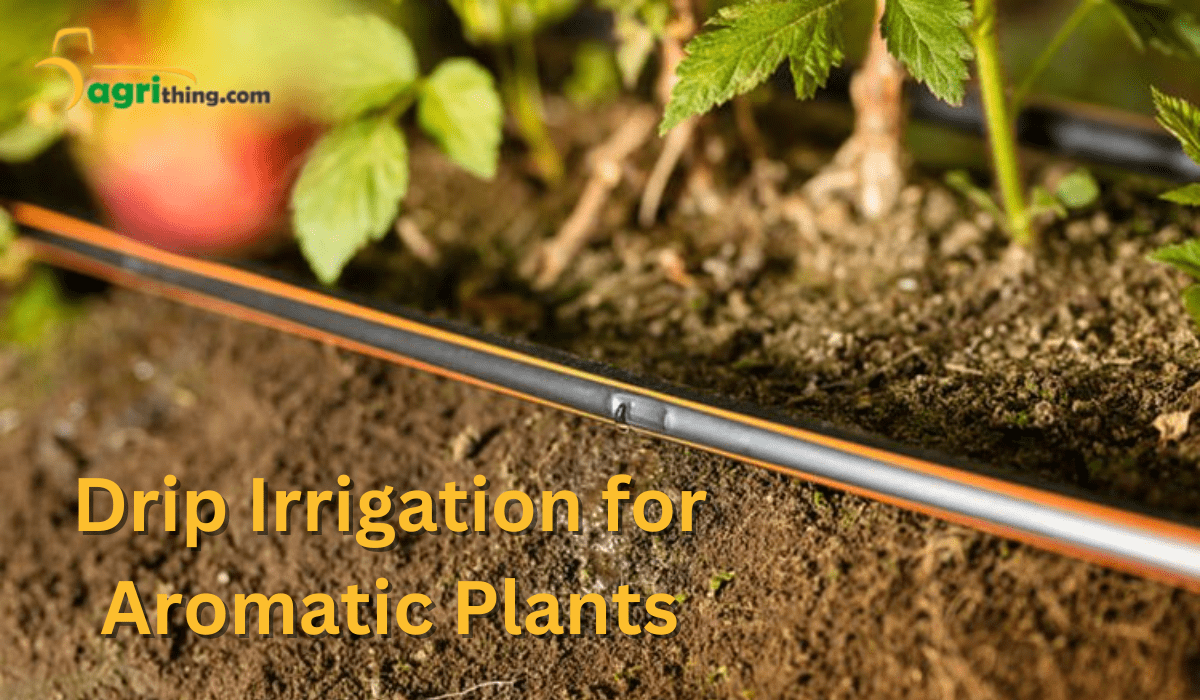
Aromatic plants have beautiful smells and colorful flowers that make a garden happy and calm. To help these plants grow well and release their delightful scents, it’s important to give them enough water without wasting it. That’s wheredrip irrigation comes in. In this article, we will learn about the amazing benefits of drop irrigation for fragrant plants, how to set it up, and how to take care of it.
Introduction to drip irrigation for aromatic plants
Aromatic plants, such as lavender, rosemary, and jasmine, require consistent moisture to flourish. Drip irrigation, a method that delivers water directly to the plant’s root zone, proves to be highly effective in meeting these plants’ watering needs.
Unlike traditional overhead sprinklers, drop irrigation minimizes water loss through evaporation and ensures targeted watering, promoting healthy growth and delightful scents.
Understanding the needs of aromatic plants
Before delving into the specifics of drip irrigation, it’s important to understand the special requirements of aromatic plants. These plants generally succeed in well-draining soil and prefer regular, deep watering. However, overwatering can be harmful to their health, directing to root rot and decreased fragrance. Therefore, it’s important to strike the right balance and provide good moisture without saturating the soil.
Benefits of drip irrigation
Drip irrigation offers several advantages when it comes to nurturing aromatic plants. Firstly, it conserves water by delivering it directly to the plant’s roots, reducing evaporation and runoff. This water-saving characteristic makes drop irrigation an environmentally friendly choice, especially in regions prone to drought or water scarcity.
Furthermore, drip irrigation helps prevent leaf diseases and fungal growth by keeping the foliage dry. By avoiding the use of overhead sprinklers, which often wet the leaves, dripple irrigation minimizes the risk of diseases caused by prolonged moisture on the plant’s surface.
Choosing the right drip irrigation system
Selecting the appropriate drip irrigation system for aromatic plants is required to ensure optimal performance. Consider the following factors when making your choice:
Components contained in a system include a main water source, tubing, emitters, and optional accessories like filters and pressure regulators.
Emitters play a crucial role in regulating water flow and distributing it evenly to the plants.
The choice of emitters depends on factors such as plant water requirements, soil type, and local climate conditions.
Different types of emitters include drip emitters, micro-sprinklers, and soaker hoses.
Determining the watering schedule involves understanding the specific watering needs of fragrant plants.
Factors such as plant species, growth stage, and environmental conditions influence the frequency and duration of irrigation sessions.
Types of Aromatic Plants
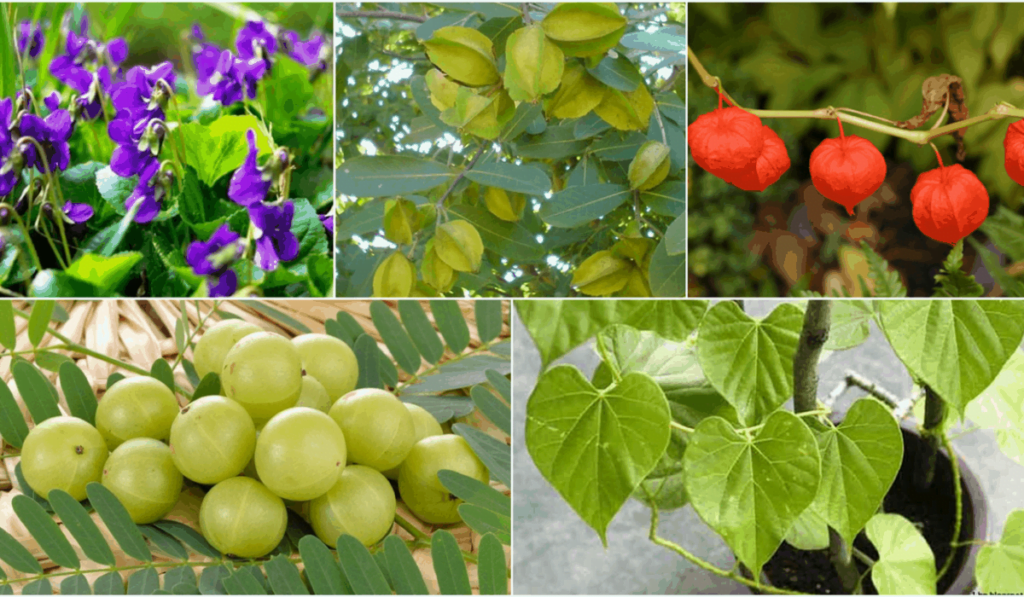
Here are some of the best aromatic plants for drip irrigation:
Lavender: Known for its soothing scent, lavender prefers moderate watering and well-drained soil.
Rosemary: This highly aromatic herb thrives in dry conditions, making it ideal for drop irrigation.
Thyme: With varieties like lemon thyme and creeping thyme, this herb enjoys moderate watering and well-drained soil.
Sage: Drought-tolerant sage has gray-green leaves and can withstand dry conditions, making it suitable for trickle irrigation.
Oregano: This flavorful herb requires moderate watering and well-drained soil.
Lemon Balm: Known for its calming properties, it prefers moist soil, which drop-by-drop irrigation can provide.
Mint: Refreshing and available in various flavours, mint needs consistently moist soil, achievable with micro irrigation.
Lemon Verbena: This shrub emits a strong lemon scent and prefers well-drained soil and regular watering.
Geranium: Geraniums come in different scents, like rose and lemon, requiring well-drained soil and moderate watering.
Eucalyptus: With its distinctive aroma, eucalyptus plants need regular watering, making drop irrigation suitable.
Types of Aromatic PlantsDiscover the Finest Aromatic Plants for Your Garden
Consider the specific needs of each plant and adjust your drip irrigation system accordingly. These fragrant plants will enhance your garden with delightful scents throughout the year.
Installing a drip irrigation system for aromatic plants
Now that you’ve chosen the suitable drip irrigation system for your aromatic plants, it’s time to install it. Follow these steps for a successful installation:
Preparing the soil: Before installing the drop irrigation system, ensure that the soil is ready. Loosen the soil and remove any weeds or waste that could block the water flow.
Setting up the main water source: Ensure that the connection is stable and doesn’t leak. You can use a backflow prevention device to prevent the water supply from getting contaminated.
Installing the drip lines and emitters: Place the drip lines along the area where you’re planting, keeping them near the roots of the plants. Attach the emitters to the drip lines and adjust their spacing based on the water requirements of the plants.
Maintaining a drip irrigation system
To ensure the proper functioning and longevity of your drop irrigation system, regular maintenance is necessary. Here are some important tasks you should perform:
Monitoring water usage
Regularly monitor the water usage of your micro irrigation for aromatic plants to ensure that your plants receive sufficient moisture without being overwatered. Keep an eye on the soil moisture levels and adjust the watering schedule as needed.
Adjusting the watering schedule
Weather conditions and the time of year can influence the water requirements of your plants. Therefore, you may need to adjust the watering schedule accordingly. Consider factors such as temperature, rainfall, and the size of your plants when making these adjustments.
Cleaning and maintaining the system
Periodically inspect the drip lines and emitters for clogs or damage. If you notice any blockages, clean them out or replace the affected parts. It is also advisable to flush the system occasionally to remove any dirt or debris that could obstruct the water flow.
Maximizing the effectiveness of drip irrigation for aromatic plants
Technique
Description
Mulching for moisture retention
Apply organic mulch around the plant’s base to retain soil moisture, control weed growth, and protect the roots.
Fertilizing techniques
Regularly fertilize fragrant plants with slow-release organic fertilizers or liquid fertilizers formulated for them
Pruning and training aromatic plants
Trim and shape the plants regularly to improve air circulation, sunlight penetration, and enhance scent production.
Troubleshooting common issues with drip irrigationTroubleshooting issues drip irrigation
Troubleshooting common issues with drip irrigation
Here are some common problems that can happen with drip irrigation systems and how to fix them:
Clogged emitters:
If the water flow is reduced or uneven, check if the emitters are clogged.
Clean the clogged emitters or replace them to make sure water flows properly.
Uneven water distribution:
Sometimes, the water might be distributed unevenly.
Check if the emitters are spaced correctly or if there are variations in water pressure.
Adjust the spacing of the emitters or install pressure regulators to make sure water is distributed evenly.
System leaks:
Inspect the drip lines and fittings for any leaks.
If you find any loose connections, tighten them.
If you see any damaged components, replace them to prevent water from being wasted and to keep the system working well.
Conclusion
In conclusion, drip irrigation is a highly effective method for nurturing aromatic plants. It provides targeted watering, conserves water, and reduces the risk of leaf diseases. By choosing the right components and maintaining the system, gardeners can create a thriving garden filled with delightful scents.
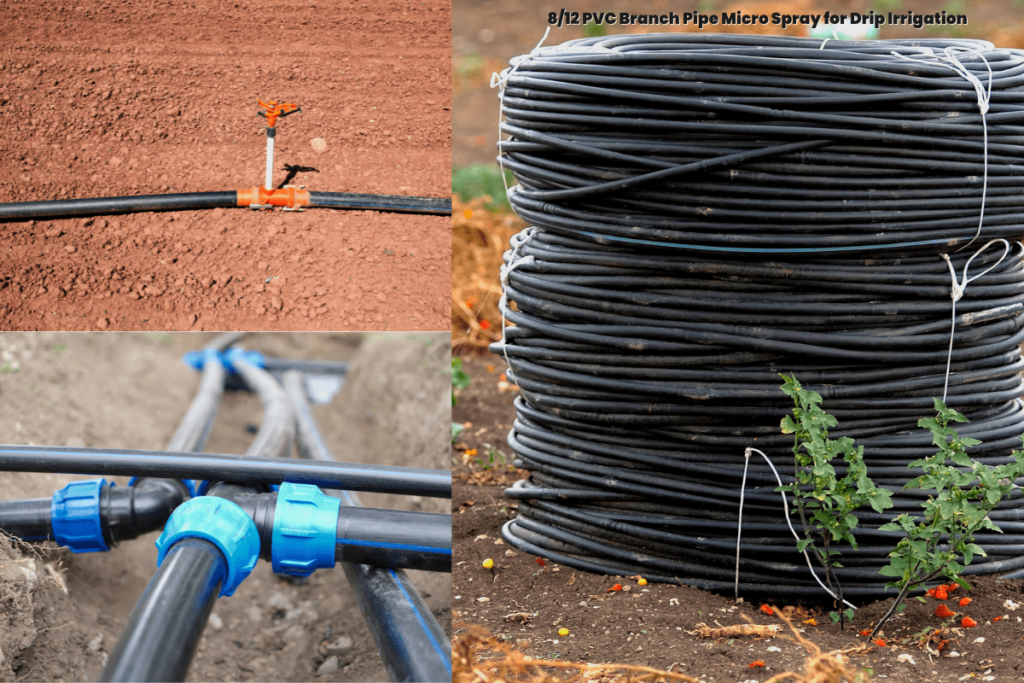
Get your 8/12 PVC Branch Pipe Micro Spray for Drip Irrigation, Garden Irrigation, and more at Agricomplex. Don’t wait, shop now!
How often should I water aromatic plants using drip irrigation?
Watering frequency depends on various factors, including plant species, climate, and soil conditions. Monitor the soil moisture and adjust the watering schedule accordingly, aiming for consistent but not excessive moisture.
Can I use a micro irrigation system for other types of plants in my garden?
Absolutely! Drip irrigation is a versatile watering method suitable for a wide range of plants, including vegetables, flowers, and shrubs. Adjust the system parameters to meet the specific needs of each plant.
Are there any maintenance tasks I should perform during the winter months?
During the winter, it’s essential to winterize your drop irrigation system to prevent freezing and damage. Drain the system, remove emitters, and store them in a frost-free location until the next growing season.
Can I install a drop-by-drop irrigation system myself, or should I hire a professional?
Installing a drop irrigation system can be a DIY project, especially for small gardens. However, if you have a large or complex landscape, it may be beneficial to seek professional assistance for proper design and installation.
How long should I run my drop irrigation system during each watering session?
The duration of watering sessions depends on factors like soil type, plant water requirements, and system flow rate. Experiment with different durations and monitor soil moisture to determine the ideal watering time for your specific setup.
What are the benefits of drop irrigation for aromatic plants?
Drip irrigation conserves water, promotes healthy plant growth, and reduces weed growth and disease risks.
Can I use drip irrigation for other types of plants?
Yes, soaker irrigation can be used for various plants, including vegetables, fruits, flowers, shrubs, and trees.
How do I set up a drip irrigation system for aromatic plants?
Determine plant water requirements, select appropriate components, layout tubing, install emitters, connect to water source, test and adjust.
Are there any disadvantages to using micro irrigation for aromatic plants?
Potential for clogging if not properly maintained, the initial cost may be higher, risk of overwatering or underwatering if not monitored closely. Regular maintenance is necessary.
Can I automate drop irrigation for aromatic plants?
Yes, use timers or smart controllers to schedule and regulate watering for convenience.
Drip irrigation is a brilliant and efficient way to water gardens, significantly when growing vegetables. It directly targets the roots of plants, providing them with the right amount of water. Compared to traditional watering methods, drip irrigation offers many advantages. In this article, we’ll guide you through planning, installing, maintaining, and troubleshooting a drip irrigation system for your vegetable garden.
Introduction
Vegetable gardens need proper watering to thrive. However, giving them too much or too little water can cause problems and hinder their growth. Drip irrigation is a precise method that delivers water directly to the roots of plants. It helps them grow healthy while conserving water. By learning and following the best drip irrigation practices, you can ensure your vegetable garden is healthy and productive.
Understands Drip Irrigation
How it works
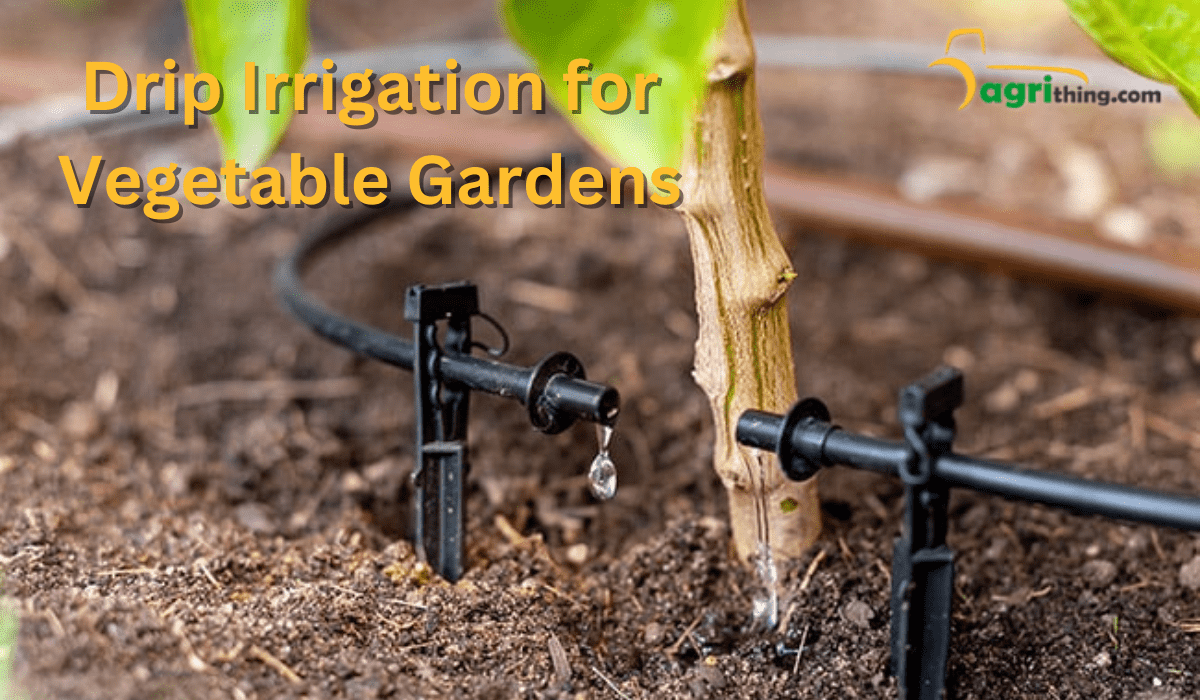
Drip irrigation slowly and steadily releases water through tubes and emitters placed near the base of plants. These emitters drip water directly to the roots, ensuring a consistent moisture supply. This method is highly efficient because it avoids wasting water through evaporation or runoff.
Components of a drip irrigation system
A typical drip irrigation system has several parts. These include a water source, a filter to prevent clogs, a pressure regulator to control the flow of water, tubing or drip lines, and emitters. You can also add optional components like timers, valves, and pressure-compensating emitters to make the system more efficient and automated.
Types of drip irrigation systems
There are different drip irrigation systems, each with benefits and things to consider. Some common types include surface irrigation, subsurface drip irrigation, and micro-sprinkler systems. The type of system you choose depends on factors such as how your garden is laid out, the types of plants you have, and the available water supply.
Planning and Designing a Drip Irrigation System
Before installing a drip irrigation system, careful planning and design are essential for optimal performance.
Assessing water requirements
To ensure your vegetable garden gets enough water, it’s essential to understand its water needs. It would help to consider the kinds of plants you have, the soil type, the weather, and how quickly water evaporates. This will help you determine how much and often to water your garden.
Calculating drip emitter spacing
To ensure water is evenly distributed in your garden, deciding how far apart to place the drip emitters is essential. This spacing calculation affects how close the plants are to each other, how fast the water flows, and your soil type. When the emitters are appropriately spaced, each plant gets enough water without any waste.
Discover Suitable Drip Emitters for Your Garden’s NeedsPrecise Drip Emitters: Watering Perfection
Choosing the suitable drip emitters
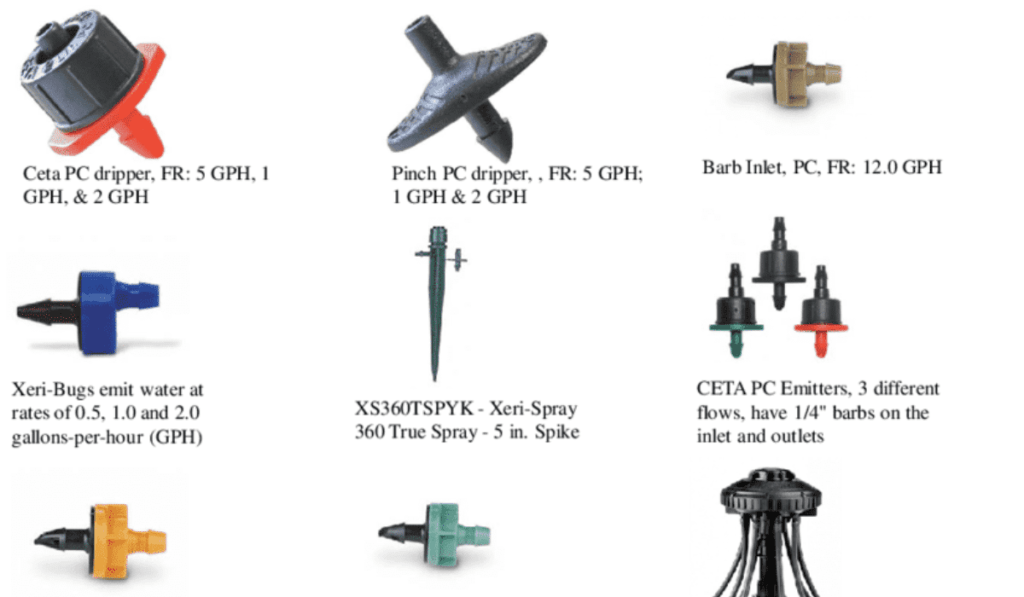
Plants have different needs when it comes to water. You can choose the suitable drip emitters for your garden to meet these needs. Adjustable and pressure-compensating flow emitters are good options because they let you customize the amount of water each plant gets. When picking emitters, think about how fast the water flows, how it spreads, and if any filters are needed.
Determining water pressure needs
The pressure of water has an impact on how well the drip irrigation system works. Knowing the water pressure at your source helps you choose the proper pressure regulator and plan the layout correctly. Low-pressure systems are great for gardens because they lower the chances of wasting water and causing damage to the system.
Designing the layout
When designing the layout for your irrigation system, you need to decide where to put the central, sub-main, and lateral supply lines. A well-planned layout ensures that water is distributed efficiently and that there are minimal changes in pressure throughout the system. Factors such as the size of your garden, how many plants you have, and where your water source is located should be considered when designing the layout.
Installation Process
Once you have planned the drip irrigation system, it’s time to install it in your vegetable garden.
Preparing the garden beds
Before installation, prepare the garden beds by removing weeds, rocks, and other debris. It’s also good to amend the soil with organic matter to improve water retention and drainage.
Installing the main water supply line
The main water supply line is like the backbone of your drip irrigation system. You must connect it to your water source using the right fittings and connectors. Installing a filter and a pressure regulator is essential to keep debris out of the system and maintain steady water pressure. These steps are crucial for protecting your irrigation system and ensuring it works properly.
Installing drip lines and emitters
Place the drip lines beside the rows of plants and hold them in place with stakes or clips. Connect the drip emitters regularly, ensuring they are close to the plants’ roots. Check the system for any leaks and fix them if needed.
Flushing and testing the system
Before putting your drip irrigation system into regular operation:
Flush the lines to remove debris or air bubbles.
Run the system briefly and check if all emitters are functioning correctly.
Adjust the flow rates or emitter positions to achieve uniform water distribution.
Maintenance and Operation
Proper maintenance and regular monitoring are crucial for the long-term success of your drip irrigation system.
Monitoring water usage
Keep an eye on how much water you’re using to make sure your plants get enough moisture without wasting any. Change your watering schedule depending on the weather, how your plants are growing, and how moist the soil is.
Adjusting watering schedules
As the seasons change, the amount of water your vegetable garden needs will change too. Adjust your watering schedule so you don’t water too little or too much. Please pay attention to how the plants react to water, which can help you fine-tune the schedules.
Cleaning and maintaining the system
Regularly clean and maintain your drip irrigation system to keep it working well and prevent blockages. Remove any dirt or particles from filters and flush the lines if needed. Check the system for leaks, broken emitters, or other efficiency problems.
Winterizing the drip irrigation system
In regions with freezing temperatures, preparing the drip irrigation system for winter is crucial to avoid damage. Remove all the water from the lines, emitters, and valves to prevent freezing and bursting. Disconnect the system components and store them dry until the next growing season.
Drip irrigation vs. soaker hose for vegetable gardens
Drip IrrigationSoaker Hose
Aspect
Drip Irrigation
Soaker Hose
Water Distribution
Emits water in controlled, precise droplets
Permeates water through the entire length of the hose
Water Efficiency
Highly efficient, minimizes water wastage
Moderately efficient, some water may be lost through evaporation or runoff
Installation
Requires a network of tubing and emitters
Simple setup, just lay the hose near the plants
Customization
Allows for precise positioning of emitters
Limited flexibility in adjusting water flow to specific plants
Uniformity of Watering
Provides even water distribution throughout the garden
Watering may vary, with more water reaching plants near the hose
Plant Health
Reduces the risk of fungal diseases and weeds
Can promote weed growth if not properly managed
Maintenance
Maintenance Requires periodic cleaning of emitters and filters
Generally low maintenance, occasional inspection may be required
Cost
Initial setup cost may be higher
Relatively affordable
Frost Protection
Can be equipped with anti-freeze devices
Not suitable for frost protection
Benefits of Drip Irrigation for Vegetable Gardens
Using drip irrigation in your vegetable gardens offers a range of benefits that contribute to the overall success of your crops.
Water efficiency and conservation
Drip irrigation is a great way to water plants because it delivers water right where the plants need it most, at their roots. This helps prevent water from evaporating or running off, so we don’t waste any. It’s an intelligent way to give plants the needed water while saving water.
Reduced weed growth
Drip irrigation systems deliver water directly to the plant roots, minimizing moisture on the soil surface where weeds often germinate. By reducing weed growth, drip irrigation helps maintain a cleaner and healthier vegetable garden, reducing the need for manual weed removal.
Disease prevention
Drip irrigation reduces the occurrence of foliar diseases by keeping the foliage dry. Unlike overhead watering methods, which can promote fungal growth, drip irrigation directs water to the soil, minimizing the risk of disease development.
Improved plant health and growth
Drip irrigation encourages healthy plant growth and development by providing a consistent and controlled water supply. Plants receive a steady moisture supply, reducing stress and ensuring optimum nutrient uptake. This results in healthier plants with higher yields.
Troubleshooting Common Issues
Despite their efficiency, drip irrigation systems may encounter some common issues that can affect their performance.
Clogged emitters
Clogged emitters can occur due to mineral deposits, algae growth, or debris. Regularly inspect and clean the emitters to ensure they function correctly. Use vinegar or a commercial emitter cleaner to remove mineral deposits.
Uneven water distribution
Uneven water distribution may occur if there are pressure deviations or clogged emitters in the system. Check the water pressure and adjust as needed. Inspect and clean or replace any faulty emitters to ensure uniform watering.
System leaks and breaks
Leaks or breaks in the drip irrigation system can lead to water wastage and reduced performance. Regularly inspect the system for any signs of leaks, such as water pooling or wet spots. Repair or replace damaged components promptly to maintain system efficiency.
Tips for Successful Drip Irrigation
Here are some additional tips to maximize the effectiveness of your drip irrigation system in your vegetable garden:
Mulching around plants
Apply a layer of organic mulch around the plants to conserve moisture, suppress weed growth, and maintain a more consistent soil temperature. Mulching also helps reduce evaporation, ensuring water reaches the plant roots efficiently.
Using timers and moisture sensors
Automate your drip irrigation system by using timers and moisture sensors. Timers allow you to schedule watering times, ensuring that plants receive consistent moisture. Moisture sensors measure soil moisture levels and trigger irrigation only when necessary, preventing overwatering.
Regularly inspecting the system
Perform routine inspections of your drip irrigation system to identify any issues or inefficiencies. Check for leaks, clogs, or damaged components. Promptly address any problems to maintain the system’s optimal performance.
Best drip irrigation kits for vegetable gardens
When choosing a drip irrigation kit for your vegetable garden, several excellent options are available. Here are a few top picks:
Rain Bird Drip Irrigation Kit:
Rain Bird is a well-respected brand famous for its top-notch irrigation products. Their drip irrigation kit is simple to set up and ensures accurate watering for your vegetable garden. It has everything you need, like tubes, emitters, connectors, and stakes.
Flaunter Garden Irrigation System:
The Flantor Garden Irrigation System is a complete small- to medium-sized vegetable garden kit. It has adjustable drippers that let you manage the water flow for various plants. The kit comes with tubing, connectors, emitters, and automated watering timers.
DIG Drip and Micro Sprinkler Kit:
The DIG Drip and Micro Sprinkler Kit is a flexible choice that offers both drip irrigation and micro-sprinkler features. It comes with various components to suit different garden designs and watering requirements. The kit can be expanded so that you can personalize it according to the size of your vegetable garden.
Netafim Drip Irrigation Starter Kit:
Netafim is a renowned brand in the irrigation industry. Their drip irrigation starter kit is specifically designed for vegetable gardens. It features pressure-compensating drippers that guarantee consistent watering and minimize water waste. The kit includes tubing, connectors, stakes, and a filter.
Antelco Drip Irrigation Kit:
The Antelco Drip Irrigation Kit is an affordable choice for small vegetable gardens. It provides a straightforward and effective method of delivering water directly to the roots of plants. The kit includes tubing, connectors, stakes, and adjustable drippers.
Get your 8/12 PVC Branch Pipe Micro Spray for Drip Irrigation, Garden Irrigation, and more at Agricomplex. Don’t wait, shop now!
Drip irrigation is a valuable tool for vegetable gardeners, providing efficient and precise watering that promotes healthy plant growth. By understanding the best practices and following the steps outlined in this article, you can design, install, and maintain a successful drip irrigation system for your vegetable garden. Enjoy the benefits of water conservation, improved plant health, and higher yields as you watch your vegetable garden thrive with the help of drip irrigation.
Frequently Asked Questions (FAQ’s)
Can I use drip irrigation for all types of vegetable plants?
Drip irrigation works for most vegetables, but plants with shallow roots or specific water needs may require alternative methods. Research plant water requirements and seek gardening advice for optimal irrigation.
How often should I water my vegetable garden with a drip irrigation system?
Watering frequency varies based on plant species, weather, soil, and growth stage; monitor soil moisture and adjust accordingly, favoring deep, infrequent watering for better root growth.
Can I connect a drip irrigation system to a rainwater harvesting system?
Connecting drip irrigation to a rainwater harvesting system is eco-friendly, utilizing collected rainwater to irrigate the garden and reducing dependence on the main water supply.
What is the lifespan of drip irrigation components?
The lifespan of drip irrigation components ranges from 5 to 15 years, depending on quality, usage, and maintenance; regular upkeep can prolong system longevity.
Can I install a drip irrigation system on my own?
Installing a drip irrigation system in your vegetable garden can be a DIY project with proper planning, guidance, or professional assistance for a smoother process.
Drip irrigation delivers water directly to the plant’s root zone through tiny tubes and emitters.
What are the benefits of drip irrigation for vegetable gardens?
The benefits of drip irrigation for vegetable gardens include water efficiency, reduced weed growth, minimized disease risk, and improved plant health and yield.
Is drip irrigation better than traditional sprinkler systems?
Drip irrigation is generally considered more efficient and effective than traditional sprinkler systems.
Can I install a drip irrigation system myself?
Yes, installing a drip irrigation system yourself with proper guidance and instructions is possible.
How do I design a drip irrigation system for my vegetable garden?
To design a drip irrigation system for your vegetable garden, determine water requirements, lay out the system, select appropriate components and consider factors such as plant spacing and water pressure.
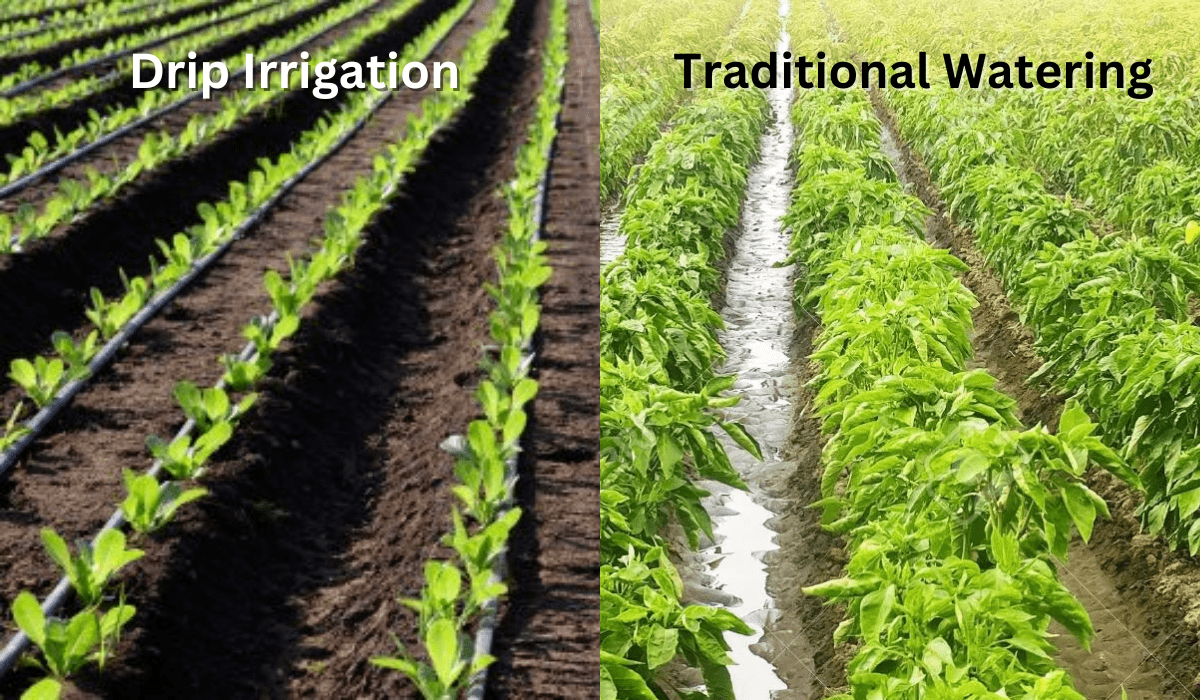
Effective watering methods are crucial for plants to grow well and for farms to produce more. Two commonly used methods are drip irrigation and traditional watering. This article explains these approaches’ costs, advantages, disadvantages, and financial impact.
Cost Factors in Irrigation
To better understand the costs of drip irrigation and traditional watering, it’s essential to consider the main factors contributing to an irrigation system’s overall expenses. These factors include the initial setup costs, water usage and efficiency, labor and maintenance expenses, and long-term investment and return on investment.
Drip Irrigation: Benefits and Costs
Drip irrigation is a modern method that brings water straight to the plant’s roots, reducing water loss from evaporation or runoff. This technique has many benefits and is popular among farmers and gardeners.
One of the most significant advantages of drip irrigation is how efficiently it uses water. By delivering water directly to the roots, drip systems save water and ensure plants get enough without wasting any. This method also helps save water in areas without much availability.
Drip irrigation also helps with weed control and prevents soil erosion. Giving water directly to the roots and not the surrounding soil stops weeds from growing. This means less manual weeding and fewer herbicides.
Moreover, drip irrigation allows the precise delivery of nutrients. Farmers can mix fertilisers or nutrients into the water so plants get what they need right at the roots. This helps plants grow healthier by absorbing and using the nutrients better.
There are some costs to consider with drip irrigation. Initially, you’ll need to buy drip lines, emitters, filters, and other equipment. If you need help setting it up, there may be labor costs. It would help to consider ongoing expenses like electricity and water, maintenance, and repairs.
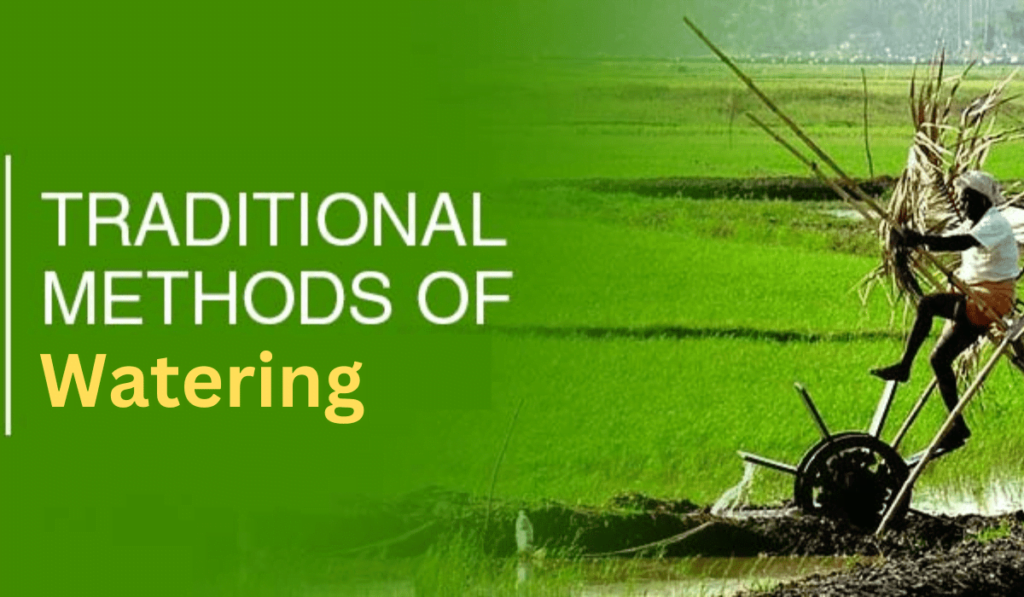
Traditional Watering Methods: Benefits and Costs
People have been using traditional watering methods like sprinklers and watering cans for a long time because they’re simple and affordable. These methods are accessible to small-scale gardeners and farmers.
One of the advantages of traditional watering methods is how easy they are to set up and use. With essential equipment like sprinklers or watering cans, anyone can water their plants without special knowledge or infrastructure. Plus, the initial cost of traditional methods is relatively low compared to more advanced irrigation systems.
However, some things could be improved to traditional watering methods regarding costs. One concern is the amount of water used and wasted. For example, sprinklers spray water everywhere, leading to water running off and evaporating. This can result in higher water bills and inefficiency, especially in places where water is scarce.
Furthermore, traditional watering methods can lead to overwatering and nutrient loss. Since it’s hard to control where the water goes, it often reaches beyond the plant’s roots. This wastes water and causes valuable nutrients to seep deeper into the soil, affecting plant health and requiring more fertilisers.
Comparing Costs: Drip Irrigation vs Traditional Methods
Let’s compare the costs of drip irrigation and traditional watering methods to understand how they impact farmers and gardeners financially.
To begin with, the initial setup costs of drip irrigation systems are generally higher compared to traditional methods. Purchasing drip lines, emitters, filters, and other components can be costly, especially for more extensive operations. However, it’s essential to consider drip systems’ long-term advantages and potential return on investment.
When considering long-term costs, drip irrigation systems are often more cost-effective. Their water efficiency leads to significant savings in water usage and related expenses. Furthermore, the reduced need for manual labor in watering and weeding can result in substantial time and labor savings, enhancing overall operational efficiency.
Additionally, drip irrigation systems contribute to environmental sustainability by conserving water resources and reducing the reliance on chemical interventions. This can have long-term financial benefits, particularly as farmers face increasing water scarcity or stricter water usage and pollution control regulations.
Drip IrrigationTraditional Sprinklers
Comparing water consumption of drip irrigation and traditional sprinklers
Drip Irrigation
Traditional Sprinklers
Water Consumption
Low
High
Efficiency
High
Medium
Water Savings
30-50%
Less than drip
Targeted Delivery
Yes
No
Weed Growth
Reduced
Potential for growth
Plant Health
Improved
Depends on coverage
Soil Erosion
Minimized
Possible erosion
Factors to Consider when Choosing an Irrigation Method
When deciding between drip irrigation and traditional watering methods, it’s essential to consider several factors:
Available resources and budget:
Assessing your financial capacity and the resources you have for installing and maintaining an irrigation system is crucial.
Crop type and water requirements:
Different crops have different water needs. Choosing an irrigation method that provides the right amount of water for optimal crop growth is essential.
Farm size and layout:
The size and layout of your farm will impact the practicality and efficiency of different irrigation systems. Consider what works best for your specific farm setup.
Soil conditions and topography:
Consider the type of soil you have, its drainage capabilities, and the topography of your land. These factors will influence water distribution and help prevent issues like soil erosion.
Cost-effective drip irrigation methods for small gardens
Drip irrigation is an efficient and cost-effective method for watering small gardens. It helps conserve water by delivering it directly to the plant’s roots, minimising evaporation and reducing water waste. Here are some cost-effective drip irrigation methods that you can consider for your small garden:
Drip Tape:
Drip tape is an affordable option for small gardens. It consists of a thin plastic tube with evenly spaced holes allowing water to drip. It is easy to install and can be used for row crops and individual plants.
Soaker Hoses:
Soaker hoses are another cost-effective option. They are made of porous material that allows water to seep out slowly along the entire length of the hose. You can place them around your plants or bury them under mulch for efficient watering.
Micro Sprinklers:
Small, low-pressure sprinklers deliver water in a fine mist or spray. They are suitable for watering small garden areas and can easily connect to a drip irrigation system. Micro sprinklers are cost-effective and provide good coverage for plants.
Drip Emitters:
Drip emitters are small devices that deliver water directly to the plant’s root zone. They can be attached to a main supply line or connected to a header line in a drip irrigation system. Drip emitters come in various flow rates, allowing you to customise the water delivery for different plants’ needs.
DIY Systems:
If you’re on a tight budget, you can create your drip irrigation system using recycled materials. For example, you can repurpose plastic bottles by making small holes in them and burying them near your plants. Fill the bottles with water, which will slowly seep through the holes, providing irrigation.
Rainwater Harvesting:
Utilising rainwater is an excellent cost-effective strategy for watering your small garden. Install a rain barrel or cistern to collect rainwater from your roof’s gutters. You can then connect a drip irrigation system to the rain barrel, providing an accessible and sustainable water source for your garden.
traditional watering methodsExploring Various Watering Methods for Your Garden
What is the environmental impact of traditional watering methods?
Traditional watering methods can harm the environment differently, mainly when used a lot or not used efficiently. Let’s look at some typical environmental problems caused by traditional watering methods:
Water Waste:
Traditional watering methods like overhead sprinklers or open hoses often wastewater. These methods don’t distribute water evenly, which causes too much water to run off or evaporate. This wastefulness adds to the problem of insufficient water, especially in places where water is already limited.
Energy Consumption:
Traditional watering methods that use mechanical pumps or electric systems consume energy. This energy consumption contributes to greenhouse gas emissions, especially if the energy comes from fossil fuels. The process of pumping water or operating irrigation systems requires a significant amount of energy, which harms the environment and contributes to climate change.
Soil Erosion:
When watering systems are poorly designed, they can cause soil erosion. Too much water flow or pressure can wash away the top layer of soil, which contains essential nutrients. This erosion disturbs the balance of the ecosystem and makes it unstable. Additionally, the eroded soil can end up in bodies of water, leading to sedimentation. This harms aquatic life and lowers the quality of water.
Chemical Runoff:
Traditional watering methods involve fertilisers or pesticides, which can add to chemical runoff. When there is too much water or heavy rainfall, these chemicals can be washed into nearby bodies of water, causing water pollution and harming aquatic organisms.
Disruption of Natural Water Cycles:
Traditional watering methods can interfere with the natural water cycles of an area. When there is excessive irrigation, it can artificially raise the water table, which means that groundwater resources get depleted. On the other hand, inadequate irrigation or inefficient watering can make the soil salty, reducing agricultural productivity.
Noise Pollution:
High-pressure sprinkler systems, commonly used in traditional watering methods, can create noise pollution. This noise can disrupt wildlife and hurt the balance of the ecosystem, especially in peaceful environments.
Conclusion
In conclusion, when comparing the costs of drip irrigation and traditional watering methods, it becomes clear that drip systems may require higher initial expenses. However, they offer significant long-term advantages and savings. Drip irrigation improves water efficiency, reduces labour needs, and allows better nutrient control, resulting in enhanced crop productivity and environmental sustainability. Nevertheless, the choice of irrigation method ultimately depends on the specific needs, available resources, and circumstances of each farming or gardening operation.
Get your 8/12 PVC Branch Pipe Micro Spray for Drip Irrigation, Garden Irrigation, and more at Agricomplex. Don’t wait, shop now!
Drip irrigation works well for many crops, like fruits, vegetables, and fields. However, crops with shallow roots need extra attention.
Are there government incentives or grants for drip irrigation?
Check with local agricultural agencies for potential financial assistance or incentives for using water-efficient irrigation methods in your region.
How often should drip irrigation systems be maintained?
Regular maintenance of drip irrigation systems, including checking emitters, fixing leaks, and ensuring proper functionality, should be done based on water quality and usage.
Can traditional watering methods be used with drip irrigation?
Combining traditional watering methods with drip irrigation offers flexibility, targeted watering, and the efficiency of drip systems.
How long does a drip irrigation system last on average?
With proper care and maintenance, a drip irrigation system can last between 10 to 20 years.
Experience the ultimate in water-efficient irrigation with Agrithing’s drip line irrigation solutions. Our advanced technology and high-quality products ensure precise and targeted water delivery, minimizing waste and maximizing crop yields. Discover the power of drip line irrigation at Agrithing and revolutionize your farming practices for optimal efficiency and sustainability.
Maximize Yield with Small Spaces: Discover the Efficiency of Drip Irrigation at Agrithing! Unleash the Potential of Every Inch with Precise Water Delivery and Optimal Nutrient Absorption. Boost Your Crop’s Health and Productivity in Limited Areas. Experience the Future of Farming Today!
Discover the ultimate water-saving solution with emitter-based irrigation at Agrithing. Our advanced systems ensure precise water delivery, maximizing efficiency and minimizing waste. Say goodbye to common myths and unleash the power of emitter-based irrigation for optimal crop health and yield. Visit Agrithing now and revolutionize your irrigation practices with our cutting-edge solutions!
People Also Asked
What is drip irrigation?
Drip irrigation is a method that delivers water directly to plant roots using tubes and emitters. This improves water efficiency and helps plants grow better.
How does traditional watering work?
Traditional watering usually involves manually applying water to the soil’s surface using sprinklers or hoses.
What are the benefits of drip irrigation?
Drip irrigation offers several benefits, including saving water, reducing weed growth, promoting healthier plants, and preventing soil erosion.
Are there any downsides to using drip irrigation?
Drip irrigation offers several benefits, including saving water, reducing weed growth, promoting healthier plants, and preventing soil erosion.
How much water can be saved with drip irrigation?
Drip irrigation can save 30% and 50% water compared to traditional watering methods.
The MF 455 tractor, a remarkable member of the Massey Ferguson family, has been creating a buzz in the farming community. Renowned for its outstanding performance and streamlined design, it has become a leading choice for farmers across the globe. Find top-rated MF 455 tractor dealers in Pakistan to experience this amazing machine.
Background of Massey Ferguson Tractors
Massey Ferguson, the company behind the Massey Ferguson 455 tractor, has a rich history OF producing high-quality machinery. It’s a name that has become synonymous with reliable and hardworking farm equipment.
Tractors in Pakistan’s Agricultural Landscape
In Pakistan, tractors are more than mere machinery – they’re a vital part of the agricultural lifestyle, significantly boosting the nation’s farming productivity. Experience this firsthand with the unmatched Massey Ferguson 455 tractor performance, playing its part in shaping the country’s agricultural landscape.
Key Features of Massey Ferguson 455 Tractor
Regarding features, the Massey Ferguson 455 tractor certainly doesn’t disappoint. Let’s explore some of its key attributes.
Engine and Power
The Massey Ferguson 455 tractor engine is a powerhouse, providing high torque even at low speeds. This robust machine, a true beast of burden, is crafted to tackle the most challenging agricultural duties effortlessly.
Durability and Reliability
The Massey Ferguson 455 tractor’s durability is a remarkable characteristic, ensuring it remains reliable over the years. Constructed for longevity, this tractor consistently offers top-notch performance, making it a wise investment for farmers who value the Massey Ferguson 455 tractor durability.
Operational Efficiency
The Massey Ferguson 455 tractor is known for enhancing farm productivity while reducing costs, thanks to its fuel efficiency of MF 455 tractor and intuitive controls. Its ‘easy-to-maintain MF 455 tractor‘ design further adds to its appeal among farmers.
Comparison between MF 440 and MF 455 Tractors
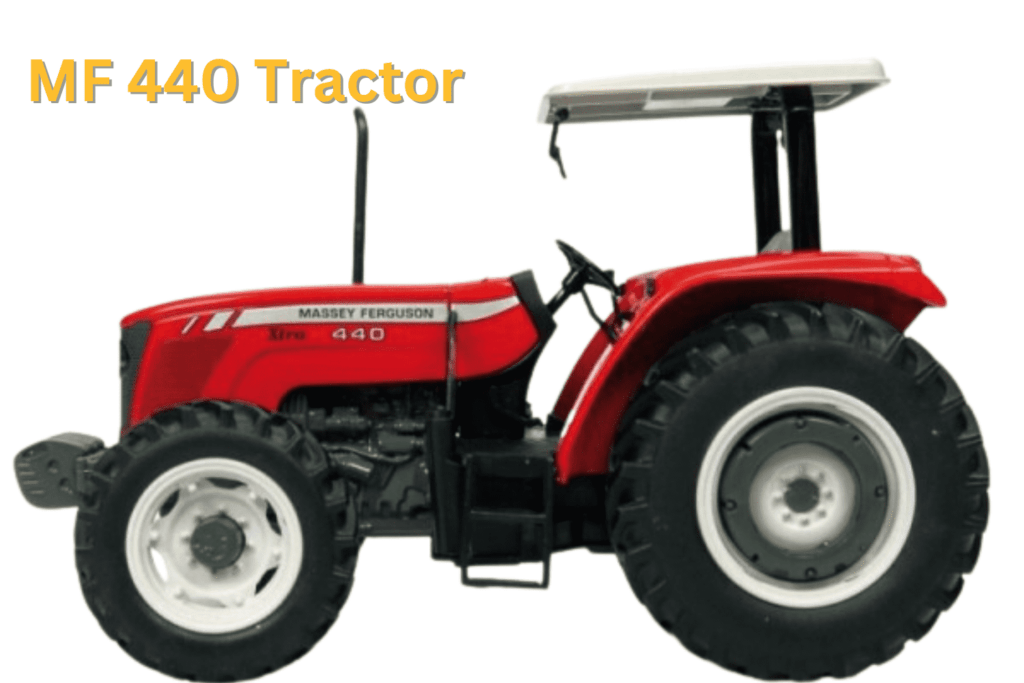
Efficiency and reliability with the MF 440 TractorPowerful and versatile MF 455 Tractors for all your farming needs
Several factors affect tractor MF prices in Pakistan, including import costs, taxes, and market demand.
Financing Options for MF 455 Tractor in Pakistan
If you’re searching for a reliable MF 455 tractor for sale in Pakistan, you’ll be pleased to know that affordable options are available. Authorized dealers offer the Massey Ferguson 455 at competitive prices, and to make it even more accessible, they also provide financing options. This means that potential buyers can explore different payment plans to facilitate their purchase of the MF 455 tractor.
Tips for buying MF 455 Tractor
Before you buy the MF Tractor, there are several things you should consider.
Where to Buy
If you’re searching for top-rated MF 455 tractor dealers in Pakistan, you’ll find a variety of options available. From official dealerships to online marketplaces, there are numerous avenues to explore. These reputable dealers offer the best MF 455 tractor deals in Pakistan, allowing you to find competitive prices and attractive offers while purchasing your desired tractor model.
Things to Look for When Buying
When considering the purchase of an Massey Ferguson tractor 455, it is essential to prioritize certain aspects. Focus on the durability of the tractor, examining its condition, service history, and potential signs of issues. Take your time during the process to guarantee that you invest in a reliable machine worth your money. Additionally, inquire about the Massey Ferguson 455 tractor warranty to ensure proper coverage and peace of mind.
Pros and Cons MF 455 Tractor
Pros of MF 455 TractorCons of MF 455 Tractor
Pros
Cons
High power and performance
Cost may be a consideration for some buyers
Durability and reliability
Specific features may vary based on the model
Versatility for various farming operations
Availability of spare parts in certain regions
Conclusion
The MF 455 tractor is a powerful and efficient machine well-suited for Pakistani farmers. Its reasonable price, reliability, and performance make it a valuable addition to any farm. However, before buying, compare it with other models, consider total costs, and explore financing options. Check the on-road price, specifications, warranty, and fuel efficiency. Read user reviews and choose reputable dealers for the best deals. Learn about maintenance and spare parts availability. The Massey Ferguson 455 tractor is highly regarded in Lahore and Pakistan for its affordability, reliability, and fuel efficiency.
Frequently Asked Questions (FAQ’s)
What is the fuel capacity of the Massey Ferguson 455 tractor?
The MF 455 tractor boasts an ample fuel tank, enabling prolonged operation without frequent refueling, although the precise capacity may vary based on the model’s specifications.
How does the Massey Ferguson 455 tractor compare to other models in its class?
Renowned for its impressive power, durability, and operational efficiency, the Massey Ferguson 455 tractor excels. However, your ideal tractor choice will ultimately hinge upon your requirements and budgetary considerations.
Where can I find spare parts for the Massey Ferguson 455 tractor in Pakistan?
Spare parts for the Massey Ferguson 455 are typically found at authorized Massey Ferguson dealerships and various online marketplaces.
What is the horsepower of the Massey Ferguson 455 tractor?
The MF 455 tractor offers impressive horsepower, making it suitable for heavy-duty farming tasks. The exact horsepower may vary slightly depending on the specific model.
Is the MF 455 tractor suitable for small-scale farming?
With its versatility, the MF 455 tractor proves to be a reliable choice for diverse farming operations, whether small-scale or large-scale.
Low-flow irrigation is a highly efficient method of watering crops by delivering water directly to the plant’s root zones. It is essential to calculate the water requirements accurately. By determining the right amount of water needed, farmers can avoid water wastage and promote sustainable agricultural practices. In this article, we will guide you through the water requirements for drip irrigation. We will explore elements such as the water requirement for drip irrigation, drip irrigation water calculation, and water usage.
Factors Affecting Water Requirements
Several factors influence the water requirements of crops in Low-flow irrigation systems. It is essential to consider these factors to accurately determine the water needs. The following are some of the critical factors:
Climate Conditions:
In Low-flow irrigation water calculation and determining water requirements for drip irrigation, the prevailing weather conditions play a significant role. Factors such as temperature, humidity, wind speed, and solar radiation directly impact the rate of evaporation and transpiration, which, in turn, affect the water requirements of plants. By considering these factors, farmers can accurately estimate the water needed for optimal crop growth.
Soil Type and Properties:
Different soil types have varying water-holding capacities and drainage characteristics. Soil texture, structure, and organic matter content impact the amount of water available to plants.
Crop Type and Growth Stage:
Different crops have varying water requirements at different growth stages. Young plants require less water than mature ones, and fruiting or flowering stages often demand additional water.
Irrigation System Efficiency:
Several factors need to be considered to assess the efficiency of the drip irrigation system. It ensures accurate drip irrigation water calculation, including the emitter flow rate, system uniformity, and potential losses caused by clogging or leaks. By evaluating these factors, farmers can determine the system’s water requirement for Low-flow irrigation and identify any areas of improvement. Maintaining a consistent and balanced flow rate among emitters promotes uniform water distribution and minimizes water waste.
Efficient Low-flow irrigation scheduling
Thriving Crops, Less Water! Discover the Power of Efficient Low-Flow Irrigation Scheduling at Agrithing!
Efficient Low-flow irrigation scheduling is essential for maximizing water use efficiency and promoting healthy plant growth. Farmers can optimize water delivery and minimize waste by developing a proper scheduling plan. Factors such as crop type, soil moisture levels, weather conditions, and evapotranspiration rates should be considered when determining the frequency and duration of irrigation events. Monitoring soil moisture levels using sensors or visual inspection can help fine-tune the irrigation schedule and prevent under or over-watering. Implementing smart controllers or timers can automate the scheduling process, ensuring consistent and timely irrigation.
Mastering irrigation time calculations
Mastering irrigation time calculations are crucial for efficient water management in irrigation systems. By accurately calculating the irrigation time, farmers can provide plants with the right amount of water without under or over-irrigating. Factors such as soil type, plant water requirements, and system flow rate should be considered in the calculations. The goal is to achieve adequate soil moisture while minimising water loss through runoff or deep percolation. Tools such as soil moisture sensors or evapotranspiration data can help refine the irrigation time calculation and optimise water use efficiency.
Determining Water Requirements
Specific formulas and concepts are utilised to accurately calculate the water requirements for drip irrigation. The following steps outline the process of determining water requirements.
Crop Water Requirement Formula
The crop water requirement (CWR) is calculated using the formula CWR = ETc x Kc, where ETc represents the reference evapotranspiration, and Kc is the crop coefficient. ETc accounts for water lost through evaporation from the soil surface and transpiration from the plants.
Evapotranspiration and Crop Coefficient
Evapotranspiration, which includes both evaporation and plant transpiration, is crucial in calculating water requirements for Low-flow irrigation. Weather data is used to estimate the reference evapotranspiration (ET0), which serves as a baseline for these calculations. The crop coefficient (Kc) is applied to adjust the ET0 for specific crops. The crop coefficient (Kc) accounts for variations in water requirements by considering crop type, growth stage, and environmental conditions. By incorporating the crop coefficient into drip irrigation water usage calculations, farmers can accurately determine the water needed for optimal crop growth.
Maximize Yield with Evapotranspiration and Crop Coefficient: The Winning Formula at Agrithing!Thriving Harvests, Customized for Your Soil and Climate! Unlock Agricultural Success with Adjusting for Soil and Climate Factors at Agrithing.
Adjusting for Soil and Climate Factors
Soil and climate factors modify the crop water requirement. Adjustments are made based on soil moisture holding capacity, water infiltration rate, and climate-related factors like wind or temperature.
Estimating Irrigation System Efficiency
The efficiency of the drip irrigation system is considered to account for any losses or inefficiencies in water delivery. The system’s efficiency can be determined through various methods, such as conducting a distribution uniformity test or consulting manufacturer specifications.
Steps to Calculate Water Requirements
Now let’s delve into the step-by-step process of calculating water requirements for Low-flow irrigation.
Necessary Information
Gather essential information such as crop type, growth stage, weather data, soil properties, and details about the Low-flow irrigation system in use.
Calculate Crop Water Requirement:
Use the crop water requirement formula (CWR = ETc x Kc) to determine the water requirement for the specific crop at its current growth stage.
Adjust for Soil and Climate Factors:
Make adjustments to the crop water requirement based on soil properties and climate factors. For example, sandy soils may require more frequent irrigation than clay soils.
Determine Irrigation System Efficiency
Several factors need to be considered to assess the efficiency of the Low-flow irrigation system and ensure accurate drip irrigation water calculation, including the emitter flow rate, system uniformity, and potential losses caused by clogging or leaks. By evaluating these factors, farmers can determine the system’s water requirement for Low-flow irrigation and identify any areas of improvement. Maintaining a consistent and balanced flow rate among emitters promotes uniform water distribution and minimizes water waste.
Calculate Total Water Requirement
Multiply the adjusted crop water requirement by the irrigation system efficiency to determine the total water requirement for the specific crop and irrigation system.
Example Calculation
Let’s illustrate the water requirement calculation with an example scenario:
Crop: Tomato Growth Stage:
Fruit development (Kc = 1.2) Reference Evapotranspiration (ET0): 5 mm/day Soil Type: Loam (holding capacity = 15 mm/cm) Irrigation System Efficiency: 90%
Crop Water Requirement (CWR) = ETc x Kc CWR = 5 mm/day x 1.2 = 6 mm/day.
Total Water Requirement = Adjusted CWR ÷ Irrigation system efficiency Total Water Requirement = 9 mm/day ÷ 0.9 = 10 mm/day. Therefore, in this example, the tomato crop would require approximately 10 mm of water per day using Low-flow irrigation.
Crack the Code! Unleash the Power of Accurate Water Calculation in Drip Irrigation at Agrithing.Maximize Crop Success! Mastering Drip Line Length and Run Time Calculation at Agrithing.
How to Calculate Drip Line Length and Run Time
1. Drip Line Calculations:
Calculate Required Litres per day: Area x Average water loss = Required Litres per day.
Calculate Litres per hour (L/h): (Dripline length in meters ÷ Dripper spacing in meters) x Litre output = L/h.
Convert L/h to L/m: L/h ÷ 60 = L/m.
Calculate Run time: Required Litres per day ÷ L/m = Run time.
2. Raised Bed:
The raised bed measures 4m x 2m, which equals 8m².
On a dry day, an average plant needs 4 – 5mm (4.5mm) of water to replace the average water loss.
We will use 1.8 L/h with 30cm spacing and a 13/14mm Drip Line. Each dripper outlet soaks into a cone shape of 30cm on each side, ensuring water reaches the plant’s roots.
3. Raised bed watering requirements per day:
To calculate the required water for the raised bed, multiply the bed size (in square meters) by the water loss on a dry day. 8m² x 4.5mm = 36 liters per day.
4. Establishing Your Drip Line: Proposed method:
Use elbow and tee connectors to create a grid formation.
Lay the Drip Line pipe in rows, with the same distance apart as the dripper spacing.
Ensure an adequate wetting pattern by spacing rows of pipe 30cm apart (if the dripper spacing is 30cm).
Secure the pipe using stakes and an end piece to close the system.
For the given scenario of using 16m of Drip Line with a spacing of 30cm: (16m ÷ 0.3m) x 1.8 L/h = 96 L/h. Convert L/h to L/m: 96 L/h ÷ 60 = 1.6 Liters per Minute (L/m). Run time of Drip Line: 36L ÷ 1.6 L/m = 22.5 minutes. Run time = 22.5 minutes.
5. Testing Soil Water Distribution and Wetting Patterns:
Depending on soil type and climate, you may need to adjust watering times. Follow these steps to check water distribution:
Look for a wet spot of 8-10cm in diameter from the drip emitter.
Test the wetting pattern by running the system for 30 minutes.
Stop the water flow for another 30 minutes.
Dig into the soil below the emitter to see how far the water has moved vertically and horizontally.
Ideally, there should be a 30cm wetting area around the emitter.
The Role of Pressure Regulators in Low-flow irrigation
Pressure regulators are vital in Low-flow irrigation systems by maintaining consistent and optimal water pressure. They prevent excessive pressure that could damage the emitters or cause water waste. By reducing the pressure to the desired level, pressure regulators ensure even water distribution and prevent variations in flow rate among different parts of the system. This element helps to maximize the efficiency of water delivery to plants and promotes uniform plant growth. Properly installed and calibrated pressure regulators contribute to a Low-flow irrigation system’s overall effectiveness and success.
Tips for Efficient Water Use
To maximize water efficiency in Low-flow irrigation systems, consider implementing the following tips.
Proper Scheduling and Timing:
Irrigate during more excellent parts of the day, such as early morning or late evening, to minimize evaporation losses. Develop a watering schedule based on the specific crop’s needs and growth stage.
Use of Soil Moisture Sensors:
Install soil moisture sensors to monitor the moisture content at different depths. This aspect helps determine when irrigation is necessary, preventing under or overwatering.
Mulching and Water-Saving Techniques:
Apply mulch around the plants to reduce evaporation, conserve soil moisture, and suppress weed growth. Explore water-saving techniques like using pressure-compensating emitters or employing drip irrigation in combination with other water-saving methods.
Conclusion
Calculating water requirements for Low-flow irrigation is essential for optimizing plant growth, minimizing water waste, and promoting sustainable agricultural practices. By considering climate conditions, soil properties, crop type, and irrigation system efficiency, farmers can accurately determine water needs. Implementing efficient water usage strategies and drip irrigation techniques help conserve water resources and support sustainable food production. Factors such as drip irrigation water usage and pressure requirements are crucial in achieving these goals. Low-flow irrigation systems ensure efficient water distribution through accurate calculations and proper implementation, ultimately reducing water usage while maximizing crop yield.
Frequently Asked Questions (FAQ’s)
Why is it important to calculate water requirements for Low-flow irrigation?
Calculating water requirements ensures that plants receive the right amount of water, promoting their healthy growth while avoiding water wastage and optimizing irrigation efficiency.
Can I use the same water requirement calculation for all crops?
No, different crops have varying water requirements. It’s essential to consider the specific crop’s characteristics, growth stage, and water needs when calculating water requirements.
What factors should I consider when determining irrigation system efficiency?
The efficiency of drip irrigation water usage is influenced by factors such as emitter flow rate, system uniformity, clogging or leakage issues, and maintenance practices. These factors play a crucial role in ensuring the proper delivery of water to the crops, minimizing water wastage, and maximizing the effectiveness of the drip irrigation system.
How often should I adjust the water requirements calculation?
Water requirement calculations should be adjusted periodically, considering changes in crop growth stage, weather conditions, and any modifications to the irrigation system or soil properties.
Are there any tools or software available to help with water requirement calculations?
Various tools and software are available to calculate the water requirement for drip irrigation. These tools consider factors like weather data, crop coefficients, and soil properties to provide accurate estimations, facilitating efficient water management for different crops and irrigation systems. Utilizing such tools ensures optimal water usage in drip irrigation practices.
looking to purchase a Drip irrigation accessories? Visit our Agricomplex website. Easy and helpful information just for you!
People Also Asked
How do you calculate water requirements for drip irrigation?
Water requirements for drip irrigation can be calculated by multiplying the crop water requirement (CWR) with the crop coefficient (Kc).
What factors influence the water requirements in drip irrigation?
Water requirement for drip irrigation is influenced by factors such as climate conditions and crop type, which directly impact the evapotranspiration rate and crop water needs. Additionally, soil properties, including texture and water-holding capacity, play a crucial role in determining the optimal water usage.
Why is it essential to consider climate conditions in Low-flow irrigation water calculation?
Low-flow irrigation water calculation is essential, considering climate conditions, as factors such as temperature, humidity, wind speed, and solar radiation directly influence the rate of evaporation and transpiration. These factors have a direct impact on the water requirements of plants, making accurate water calculation crucial for effective Low-flow irrigation practices.
What is the role of irrigation system efficiency in determining water requirements for drip irrigation?
Irrigation system efficiency plays a crucial role in determining water requirements for drip irrigation by considering factors such as emitter flow rate, system uniformity, and potential losses, ensuring accurate water calculation and minimizing wastage.
Are there any tools or methods available to assess the efficiency of a drip irrigation system?
Yes, tools and methods are available to assess the efficiency of a drip irrigation system, such as conducting distribution uniformity tests and consulting manufacturer specifications.
Precision irrigation is a cool way to water plants smartly and carefully. It sends water to the roots, avoiding waste and making plants happy. But sometimes, drip irrigation can face problems that make it less effective. This article discusses these common issues and gives some simple steps to fix them.
Introduction
Precision irrigation, also known as Drip irrigation, is like a special water system for plants. It uses tiny tubes or hoses with little water droppers near the roots of the plants. These droppers release water slowly and carefully, letting it soak into the soil where the plants need it. This way, it saves water, stops pesky weeds from growing, and helps the plants grow big and strong.
Common Issues in Drip Irrigation
Clogged Emitters:
Blocked holes are a big problem in Precision irrigation. Tiny bits of dirt, leaves, or hard stuff can clog up the little openings in the water sprayers. The water can’t come out or drips out very slowly when that happens.
Uneven Water Distribution:
Uneven water distribution can occur if there are variations in water pressure or if some emitters are clogged. This can result in excessive watering in certain areas while causing insufficient watering in others.
Pressure Problems:
Low or very strong water pressure can make Precision irrigation systems useless. If the pressure is too low, not enough water will come out. If the pressure is too high, it can break the water drippers or make them leak.
System Leaks
System Leaks can occur in Precision irrigation systems due to damaged tubing, loose connections, or faulty fittings. Leaks waste water and can also lead to reduced system efficiency.
Root Intrusion:
Plant roots may intrude into the tubing or emitters, causing back-ups or damage to the system. This can be a common issue in older systems or when plants are not adequately spaced.
Solve Drip Irrigation Hurdles with Agrithing! Overcome Common Issues and Ensure Smooth Water Flow.Drip Irrigation Made Easy! Troubleshoot Common Issues for a Hassle-Free Watering Experience at Agrithing.
Troubleshooting Steps for Common Issues
Identifying clogged emitters:
Inspect the emitters regularly for signs of clogging, such as reduced water flow or uneven distribution.
Clearing clogged emitters:
Remove them and soak them in a mild cleaning solution or vinegar to dissolve any deposits. Use a small brush or pin to clear any remaining blockages.
Ensuring even water distribution:
Check the water pressure at different points in the system using a pressure gauge. Adjust the flow regulators or install pressure-compensating emitters to ensure uniform water distribution.
Adjusting water pressure:
Install a pressure regulator to maintain optimal water pressure within the recommended range for your specific system. This helps prevent damage to the emitters and ensures efficient water delivery.
Fixing system leaks:
Inspect the system for leaks and repair any damaged tubing or fittings. Use proper connectors and secure all connections tightly to prevent leaks.
Prevent root intrusion:
To stop plant roots from getting into the system, you can put up special barriers or use tubes that don’t let roots in. Keep an eye on the area around the tubes to see if any roots are sneaking in, and if you find any, take action to fix the problem.
Troubleshooting problems and their solutions
Here’s a table outlining common problems in Precision irrigation systems and their solutions:
Problem
Solution
Clogged Emitters
Remove clogged emitters and clean them thoroughly. Install a filter or a screen at the water source to prevent debris from entering the system. Use chemical cleaners or vinegar to dissolve mineral deposits.
Uneven Water Distribution
Check for any leaks or damaged tubing and repair or replace them. Ensure that the water pressure is consistent throughout the system. Adjust the flow rate or use pressure-compensating emitters to achieve uniform distribution.
Low Water Pressure
Check for any obstructions or kinks in the tubing and remove them. Increase the diameter of the mainline or reduce the length of the tubing to improve pressure. Clean or replace clogged filters and pressure regulators.
High Water Pressure
Install a pressure regulator to reduce the water pressure to the recommended range. Inspect and repair any leaks or damaged components caused by excessive pressure. Use pressure-compensating emitters to maintain consistent flow rates.
System Leakage
Inspect all connections and fittings for leaks and tighten or replace them as necessary. Check for cracks or damage in the tubing and repair or replace affected sections. Ensure that the system is properly flushed and drained during winter or periods of inactivity.
Additional Tips for Effective Precision irrigation
Regular System Maintenance:
To keep your Precision irrigation system working well for a long time and ensure it works efficiently, you need to do a few important things. First, clean the filters regularly. This helps remove any dirt or debris that might clog the system. Second, wash the system now and then. Flushing means you let water flow through all the pipes and emitters to clean them out. And finally, check for any damage or signs of wear.
Using Proper Filtration:
Install filters to remove waste and residue from the water supply. This prevents the clogging of emitters and ensures the uninterrupted flow of water.
Choosing the Right Emitters:
Select emitters suitable for your garden’s specific plants and soil conditions. Different plants may require different emitter types or flow rates.
Managing Water Quality:
Using clean water for your drip irrigation system is important. That means water without a lot of dirt or chemicals in it. If the water has too much of those things, it can cause problems for the system. It can get plugged up and even get damaged. So, make sure the water you use is good and clean. If unsure, you can use a special system to treat and improve the water for your plants.
Embrace the Future: Precision Irrigation vs Traditional Irrigation – Unlocking Unparalleled Efficiency at Agrithing!Take Your Precision Irrigation to the Next Level! Discover Additional Tips for Maximum Efficiency at Agrithing!
Troubleshooting Analysis: Precision irrigation vs. Traditional Irrigation
Drip and traditional irrigation methods are commonly used to water plants and crops. While traditional irrigation involves flooding or spraying water over a large area, Precision irrigation delivers water directly to the roots of plants through a network of tubes or pipes with small emitters. Here’s a troubleshooting analysis comparing the two methods:
Water Efficiency:
Drip Irrigation:
Drip irrigation systems are highly efficient in water usage. They deliver water directly to the plant’s root zone, minimizing water loss due to evaporation or runoff.
Traditional Irrigation:
The old way of watering plants can waste a lot of water. When we use traditional methods, like sprinklers, the water can disappear because of the sun or wind or run away on the ground. This means the plants might not get enough water, and it’s not used efficiently. But there’s a better way! With new methods like drip irrigation, we can give water directly to the roots so the plants get what they need. It saves water and helps the plants grow better too!
Precise Water Delivery:
Drip Irrigation:
Drip systems deliver precise water to individual plants, allowing customization based on specific water requirements. This accuracy reduces water wastage and ensures plants receive the right amount.
Traditional Irrigation:
Using traditional methods to water plants can sometimes cause problems. The water may not be spread evenly, which means some areas get too much water and others don’t get enough. This cannot be good for the plants because they might get too wet or dry. It can even make the soil wash away or erode. So, it is important to find a better way to water the plants and ensure they all get the right amount of water to stay healthy.
Weed Control:
Drip Irrigation:
Drip systems minimize water exposure to non-cultivated areas by delivering water directly to plant roots, reducing weed growth. The controlled water application limits moisture availability for weed germination and growth.
Traditional Irrigation:
Traditional methods may increase weed growth due to excessive water spread throughout the field. Weeds compete with crops for resources, adversely affecting plant growth and yield.
Labor and Maintenance:
Drip Irrigation:
Drip systems require regular maintenance to ensure emitters function correctly and prevent clogging. However, once properly installed, they require less manual labor for watering, as the system can be automated.
Traditional Irrigation:
Traditional methods often demand more labor-intensive tasks, such as setting up sprinklers, moving hoses, or managing flood irrigation. Manual labor is required for proper water distribution and monitoring.
Initial Investment:
Drip Irrigation:
Drip systems generally involve higher upfront costs due to the need for materials like tubing, emitters, and filtration systems. However, the long-term water savings and increased crop productivity can offset this initial investment.
Traditional Irrigation:
Traditional methods often have lower initial costs since they primarily rely on basic equipment like sprinklers, hoses, and pumps. However, the higher water consumption and potential yield loss may lead to increased costs in the long run.
Tips to Avoid Precision irrigation Troubleshooting
Plan Your System Properly:
Before installing a Precision irrigation system, plan the layout and design carefully. Consider factors such as the type of plants, water requirements, soil type, and slope of the land. A well-planned system reduces the chances of issues arising later.
Use Quality Components:
Invest in high-quality Precision irrigation components, including pipes, emitters, filters, and pressure regulators. Cheap or substandard components are more likely to malfunction or clog, leading to troubleshooting.
Install Filters and Pressure Regulators:
Install appropriate filters and pressure regulators in your system. Filters prevent debris from clogging the emitters, while pressure regulators maintain consistent water pressure throughout the system. Proper filtration and pressure control help prevent common issues like clogging and uneven water distribution.
Regularly Inspect and Clean:
Conduct routine Precision irrigation system inspections to identify potential problems. Check for leaks, clogs, or damaged components. Clean the filters regularly to remove accumulated debris that could block the water flow.
Monitor Water Pressure:
Keep an eye on the water pressure within your system. High pressure can lead to emitter blowouts or leaks, while low pressure can result in inadequate water distribution. Install pressure gauges to monitor and adjust the pressure as needed.
Adjust Emitter Spacing:
Ensure proper emitter spacing based on the water requirements of your plants. Inadequate spacing can lead to over or under-watering. Follow manufacturer guidelines or consult experts to determine the appropriate spacing for your specific plants.
Mulch and Maintain Soil Moisture:
Apply mulch around the plants to conserve soil moisture and minimize evaporation. Mulching helps maintain a more stable moisture level, reducing the reliance on irrigation and minimizing the risk of issues caused by dry or waterlogged soil.
Regularly Check Emitters and Drippers:
Inspect the emitters and drippers periodically to ensure they work properly. Clean or replace any clogged or malfunctioning emitters promptly.
Schedule Irrigation Appropriately:
Set a watering schedule based on the water requirements of your plants, weather conditions, and soil moisture levels. Avoid overwatering, as it can lead to root rot and other problems. Consider using smart irrigation controllers that adjust watering based on real-time weather data.
Keep Records and Observe Plant Health:
Maintain a record of your irrigation activities and observe the health of your plants. This will help you identify any patterns or issues that may require troubleshooting. Address any problems promptly to prevent further damage.
Conclusion
Precision irrigation is a great way to give water directly to the plants’ roots. It helps them grow strong and healthy while saving water too. Sometimes, there can be a few problems, like water getting stuck in the tubes, going to some plants more than others, or even leaks in the system. But don’t worry! You can fix these issues by checking the system and ensuring everything works well. Regularly taking care of the system, using the right filters and choosing the right parts for the water will help keep your Precision irrigation setup working perfectly.
Frequently Asked Questions (FAQ’s)
Q: How often should I check my Precision irrigation system for issues?
It is recommended to check your Precision irrigation system at least once a month to promptly identify and address any potential issues.
Q: Can I use chemicals or bleach to clean clogged emitters?
No, using chemicals or bleach to clean clogged emitters is not recommended, as they can damage the emitters. Mild cleaning solutions or vinegar are safer options
Q: How can I prevent root intrusion in my drip irrigation system?
Installing root barriers or using root-resistant tubing can help prevent roots from entering the system. Regular monitoring and taking prompt action can also prevent root intrusion.
Q: Should I use the same emitter type for all my plants?
Different plants have different water requirements. It is advisable to choose emitter types or flow rates based on the specific water needs of your plants.
Q: Can I automate my drip irrigation system?
You can automate your drip irrigation system using timers or controllers. This allows for convenient scheduling and efficient water management.
looking to purchase a Drip irrigation accessories? Visit our Agricomplex website. Easy and helpful information just for you!
People also Asked
How do I fix a clogged emitter?
A thin wire or needle gently clears the blockage to fix a clogged emitter.
Why is my drip irrigation system leaking?
Your drip irrigation system may leak due to damaged or worn-out connectors or fittings.
What can cause low water pressure in a Precision irrigation system?
Clogged filters, insufficient water supply, or a malfunctioning pressure regulator can cause low water pressure in a Precision irrigation system.
How often should I water my plants with drip irrigation?
The frequency of watering plants with drip irrigation depends on factors such as plant type, soil conditions, and climate, but typically, watering once or twice a week is common.
How do I prevent root intrusion in a drip irrigation system?
To prevent root intrusion in a drip irrigation system, consider using root barriers or applying periodic root treatments to inhibit root growth near the system.
Drip irrigation maintenance is crucial for preserving the longevity and optimal performance of these highly efficient and water-saving systems, whether used in gardens, landscapes, or agricultural settings. In this article, we will delve into valuable tips and practices for ensuring the upkeep of your micro irrigation system, enabling it to operate efficiently for many years. By following these guidelines, you can maximize the benefits of your micro irrigation system and minimize the risk of potential issues.
Introduction
Maintaining your drip irrigation system is crucial for maximizing efficiency and effectiveness. Regular maintenance helps prevent leaks, clogs, and uneven water distribution, ensuring your plants receive the clean water they need. By following these maintenance tips, you can extend the lifespan of your micro irrigation system and save time, money, and water in the long run.
Understanding Drip Irrigation Systems
A drip irrigation system consists of several key components:
Water Source
A water source is essential for various purposes, including drinking, irrigation, and industrial use. It supports basic needs and economic development and promotes a sustainable environment.
Backflow Preventer
A backflow preventer is designed to prevent the reverse flow of water in a plumbing system, safeguarding potable water from contamination. It ensures that water flows in only one direction, preventing unwanted backflow. Backflow preventers are commonly employed in residential, commercial, and industrial settings to maintain water quality and safety.
Filter
A filter is a device that removes impurities or particles from a fluid or gas, enhancing its quality. It captures unwanted substances and allows the filtered fluid or gas to pass through. Filters are widely used in various areas, such as water purification, air conditioning, oil filtration, etc.
Pressure Regulator
A pressure regulator is a device that controls and maintains a consistent pressure level in a fluid or gas system. It reduces high pressure to a desired lower pressure, ensuring safe and efficient operation. Pressure regulators are commonly used in plumbing, gas pipelines, pneumatic systems, and other applications requiring precise pressure control.
Distribution Tubing
A flexible pipe transports water or other fluids to various locations in a system, such as in irrigation or plumbing setups. It enables efficient and convenient fluid distribution without the need for rigid pipes.
Emitters
Emitters are small devices attached to distribution tubing in irrigation systems, responsible for delivering water directly to plants or specific areas. They regulate the flow rate and ensure targeted watering, promoting efficient water usage and plant health.
The Importance of Drip Irrigation Maintenance
Here is a step-by-step guide for micro drip irrigation maintenance:
Inspect the System: Thoroughly examine the entire micro drip irrigation maintenance system, checking for any visible leaks, damaged tubing, or loose connections. Make sure that all parts are in good shape.
Check Emitters: Inspect each emitter to ensure they are functioning correctly. Clean or replace any clogged or damaged emitters to ensure even water distribution.
Adjust Pressure Regulators: Verify that the pressure regulators are set appropriately for your needs. Adjust them if necessary to maintain optimal water flow and pressure.
Flush the System: Run the system for a few minutes to flush out any remaining debris or sediment. This helps prevent clogging in the future and ensures the smooth operation of the micro irrigation system.
Inspect for Leaks: Monitor the system while running to identify any leaks or drips. Repair or replace any damaged parts or connections to prevent water wastage.
Check Timers and Controllers: If you have timers or controllers in your micro irrigation system, ensure they are functioning correctly and programmed according to your watering schedule.
Mulch and Weed Control: Apply a layer of mulch around the plants to help retain moisture and reduce weed growth. This aids in efficient water usage and minimizes competition for water from weeds.
Drip System MaintenanceSteps for Drip System Maintenance
Easy Steps for Drip Irrigation Maintenance System
Here are some easy steps for drip Irrigation maintenance system:
Visual Inspection
Regularly inspect the drip system for any visible leaks, damaged tubing, or clogged emitters.
Clean Filters
Clean the filters to prevent clogging. Remove them from the system, rinse off debris or sediment, and reinsert them.
Check Emitters
Examine the emitters to ensure they are delivering water evenly. Clean or replace any clogged or malfunctioning emitters to ensure proper irrigation.
Adjust Pressure
Verify that the pressure regulators are set appropriately for your system. Adjust as needed to maintain optimal water pressure and avoid over or under-irrigation.
Flush the System
Clean the system by letting water flow through it for a few minutes.
Monitor for Leaks
Check for leaks or drips during system operation. Repair any leaks promptly to prevent water wastage and ensure efficient water distribution.
Mulch and Weed Control
Apply mulch around plants to retain moisture and suppress weed growth. This reduces water evaporation and minimizes competition for water.
Essential Tips for Drip Irrigation Maintenance System
Regularly inspect the system: Inspect your micro irrigation system at least once a month to ensure no leaks, clogs, or damaged components.
Clean filters and emitters: Clean the filters regularly to prevent clogging. Remove any debris or sediment accumulating in the filters, emitters, or tubing.
Check water pressure: Monitor the water pressure in your system to ensure it falls within the recommended range.
Mulch and weed control: Apply a layer of mulch around the plants to help conserve moisture and reduce weed growth. Weeds can compete with plants for water and nutrients, which can affect the efficiency of the micro irrigation system.
Check for leaks: Regularly check for tubing or connection points leaks. Leaks can result in water wastage and uneven irrigation.
Winterize the system: If you live in an area with freezing temperatures, it’s essential to winterize your micro irrigation system to prevent damage.
Monitor plant water needs: Monitor your plants’ water requirements and adjust the irrigation schedule accordingly. Depending on the season or their growth stage, some plants may need more or less water.
Regular Maintenance Practices
To keep your drip irrigation system in excellent condition, it’s important to perform regular maintenance tasks. Here are some practices you should incorporate into your maintenance routine:
Inspecting and Cleaning Filters
Regularly inspect and clean the filters in your micro irrigation system. Filters prevent debris from entering the system and clogging the emitters. Clogged filters can lead to reduced water flow, uneven distribution, and even damage to the emitters. Clean the filters according to the manufacturer’s instructions, ensuring they are free from blockages or build-up.
Checking for Leaks and Clogs
Inspect your system for leaks, especially at connection points and around emitters. Leaks can result in wasted water and reduced system efficiency Fix any water drips or leaks right away to stop more harm from happening.. Additionally, check for clogged emitters and clear them if necessary. Clogged emitters can disrupt water distribution and harm your plants.
Adjusting Water Flow and Pressure
Periodically check the water flow and pressure in your system. Adjust the flow rate and pressure according to the specific needs of your plants. High pressure can damage emitters, while low pressure may result in inadequate water supply. Ensure that the water flow and pressure are optimized for efficient operation.
Seasonal Maintenance Tips
In addition to regular maintenance, seasonal maintenance is crucial to adapt your drip irrigation system to changing weather conditions and preserve its longevity.
Winterizing the System
Before winter arrives, it’s important to prepare your drip irrigation maintenance system for the cold weather. Start by draining all the water from the system to prevent freezing and potential damage. Remove any excess moisture from the lines and store them in a dry place to prevent cracking or breakage.
Preparing for Spring
As spring approaches, it’s time to assess the condition of your drip irrigation maintenance system. Look for any problems or broken things that might have happened during the cold winter. Inspect the emitters, tubing, and connections for wear and tear. Replace any damaged components and perform a thorough cleaning before resuming regular operation.
Summer Maintenance Considerations
During the hot summer months, it’s essential to adjust your drip irrigation system to meet the increased water demands of your plants. Regularly monitor the water supply and make adjustments to ensure your plants receive adequate hydration. Consider adding additional emitters or extending the irrigation time if needed.
Fall Maintenance Practices
In the fall, prepare your drip irrigation system for the upcoming winter. Clear any debris that may have accumulated throughout the growing season. Inspect the entire system for leaks, clogs, or damaged components. Address any issues promptly to prevent them from worsening during the winter months.
Despite regular maintenance, you may encounter some common issues with your trickle drip irrigation maintenance system. Here are a few troubleshooting tips to help you identify and resolve these problems:
Identifying and Fixing Leaks
If you notice water pooling or damp spots around the system, it may indicate a leak. Inspect the entire system and look for damaged or loose connections, cracked tubing, or faulty emitters.
Dealing with Clogged Emitters
Clogged emitters can disrupt water distribution and negatively impact plant health. To unclog an emitter, remove it from the tubing and soak it in warm, soapy water. Gently clean the emitter with a small brush or use a pin to clear any debris. Rinse thoroughly and reattach the emitter to the system.
Managing Pressure Problems
Inconsistent water pressure can cause emitters to malfunction or produce uneven water distribution. Ensure that your pressure regulator is functioning correctly and adjust it as needed. Consider installing a pressure gauge to monitor and maintain optimal pressure levels throughout your system.
Extending the Lifespan of the System
To maximize the lifespan of your drip irrigation maintenance system, there are additional measures you can take:
Protecting the Drip Lines
Avoid direct exposure of drip lines to sunlight and extreme weather conditions. Prolonged exposure to UV rays can cause degradation and damage to the tubing. Cover the lines with mulch, use protective tubing, or bury them underground to shield them from the elements.
Using Mulch and Ground Covers
Applying mulch or ground covers around your plants helps retain moisture, reduce weed growth, and regulate soil temperature. This, in turn, reduces the water requirements of your plants and minimizes the strain on your micro irrigation system.
Preventing Root Intrusion
Regularly check for root intrusion into your drip lines. Roots can clog emitters and cause damage to the system. Install root barriers or use physical methods to prevent roots from infiltrating the tubing and disrupting water flow.
Regular System Upgrades and Updates
Stay up to date with the latest advancements in micro irrigation technology. Periodically assess your system and consider upgrading outdated components or incorporating new features that enhance efficiency and water conservation. Consult with professionals or research reputable sources for guidance on system upgrades.
Enhancing Water Efficiency in Drip Irrigation
The step-by-step guide to enhancing water efficiency in drip irrigation:
Design the system
Plan your trickle irrigation system by considering crop water requirements, soil type, and spacing between emitters.
Install soil moisture sensors
Integrate soil moisture sensors into your trickle irrigation system. These sensors will provide real-time information about the moisture levels in the soil.
Use pressure regulators
Install pressure regulators in the system to maintain consistent water pressure. This ensures that each emitter delivers water at the desired rate.
Apply mulch
Spread mulch around your plants to minimize evaporation and suppress weed growth.
Addressing Drip System Issues: Tips and Solutions
Drip System Issue
Tips and Solutions
Clogged emitters
Remove clogged emitters and clean them thoroughly. Use a small brush or pin to dislodge debris or mineral buildup. Rinse emitters with water to ensure they are clear.
Leaks
Locate the source of the leak. Repair or replace damaged connectors, tubing, or fittings. Use appropriate sealing materials or tape to fix leaks.
Uneven water distribution
Evaluate emitter spacing and adjust it as needed. Ensure spacing is appropriate for crop water requirements. Achieve more uniform water distribution.
Water pressure issues
Measure water pressure using a gauge. Adjust pressure regulators to maintain consistent pressure within the recommended range.
Filter clogging
Regularly check and clean filters to prevent clogging. Replace damaged or excessively clogged filters.
System flushing
Periodically flush the entire system to remove sediment, debris, or salts. Ensure optimal performance and prevent clogging issues.
Regular maintenance
Monitor the system for recurring issues. Conduct regular inspections and clean filters. Address problems promptly to maintain efficiency.
Frequently Asked Questions (FAQ’s)
How often should I inspect my drip irrigation system?
Inspecting your drip irrigation system at least once a month is recommended to identify any potential issues or maintenance requirements.
Can I use regular tap water in a drip irrigation system?
In most cases, regular tap water can be used in drip irrigation. However, suppose your tap water is tough or contains high minerals. In that case, you may need to consider using filtered or treated water to prevent clogging of the emitters.
What should I do if my emitters are spraying water unevenly?
Uneven water distribution from the emitters can be caused by clogs or pressure inconsistencies. Check for clogged emitters and clean or replace them as needed. Additionally, ensure the water pressure is consistent throughout the system and adjust the pressure regulator accordingly.
How can I protect my drip lines from pests?
To protect your drip lines from pests, use physical barriers, such as mesh or tubing, to prevent access. Regularly inspect the system for signs of pest activity and take appropriate measures, such as applying organic pest repellents or removing nearby attractants.
Is professional maintenance necessary for drip irrigation systems?
While regular DIY maintenance is usually sufficient for drip irrigation systems, professional maintenance can benefit more complex or extensive systems. Professionals can provide expert guidance, identify potential issues, and offer specialized services to optimize system performance.
Conclusion
Proper drip irrigation system maintenance is essential to ensure its longevity and optimal performance. By incorporating regular maintenance practices, addressing seasonal considerations, troubleshooting common issues, and implementing strategies to extend the system’s lifespan, you can enjoy the benefits of efficient irrigation while conserving water and promoting healthy plant growth.
Drip irrigation systems work by delivering water directly to the root zone of plants through a network of tubing and emitters. The water is released slowly, drop by drop, minimizing water loss through evaporation and runoff.
How do I clean clogged drip emitters?
To clean clogged drip emitters, first, remove them from the system. Then, soak them in water and vinegar for a few hours. Finally, use a small brush or pin to remove any remaining debris before reattaching them to the system.
Can I install a drip irrigation system myself?
Yes, drip irrigation systems can be installed as DIY projects. Many kits are available that provide all the necessary components and instructions for installation. However, if you’re unsure or have a complex garden layout, it’s advisable to seek professional assistance.
How do I determine the right size of drip irrigation system for my garden?
The size of the drip irrigation system depends on factors such as garden size, plant types, and water requirements. Calculating the total flow rate needed and considering the layout of your garden will help determine the appropriate system size.
Are drip irrigation systems suitable for all plants?
Drip irrigation systems are suitable for a wide range of plants, including vegetables, flowers, shrubs, and trees. However, some plants, such as water-loving species, may require additional watering methods or specialized emitters.