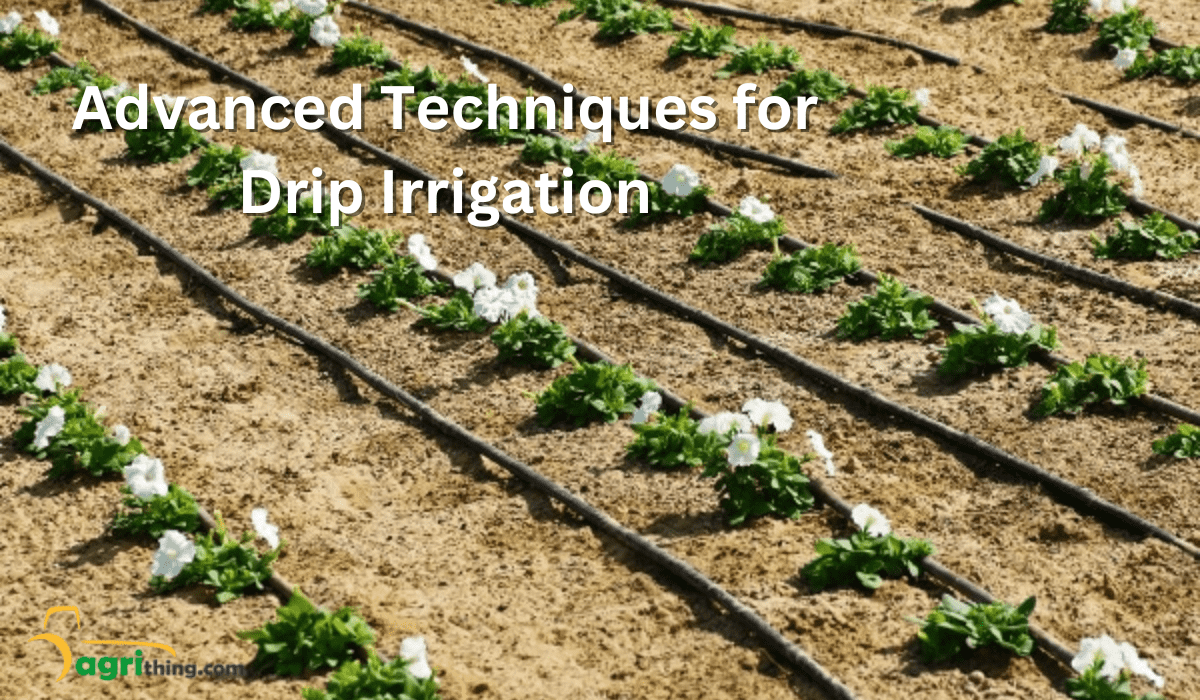
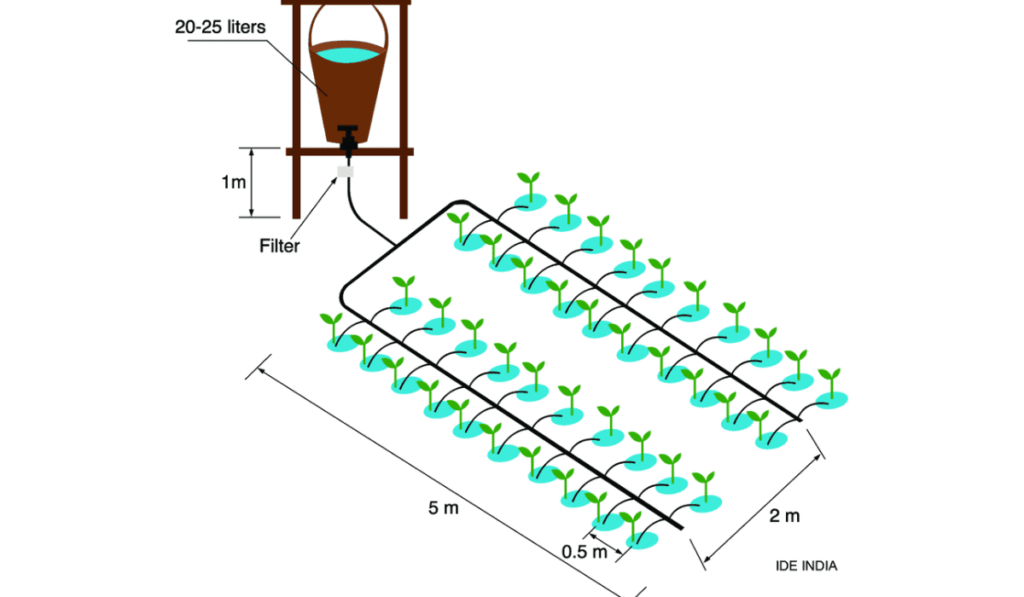
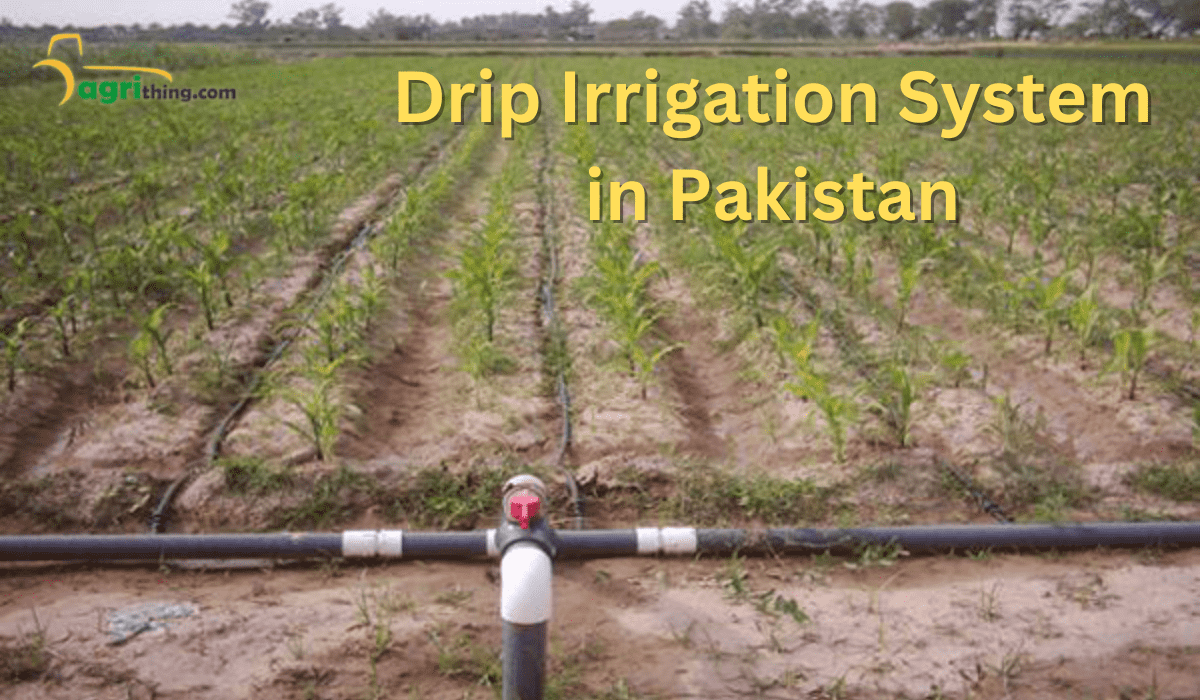
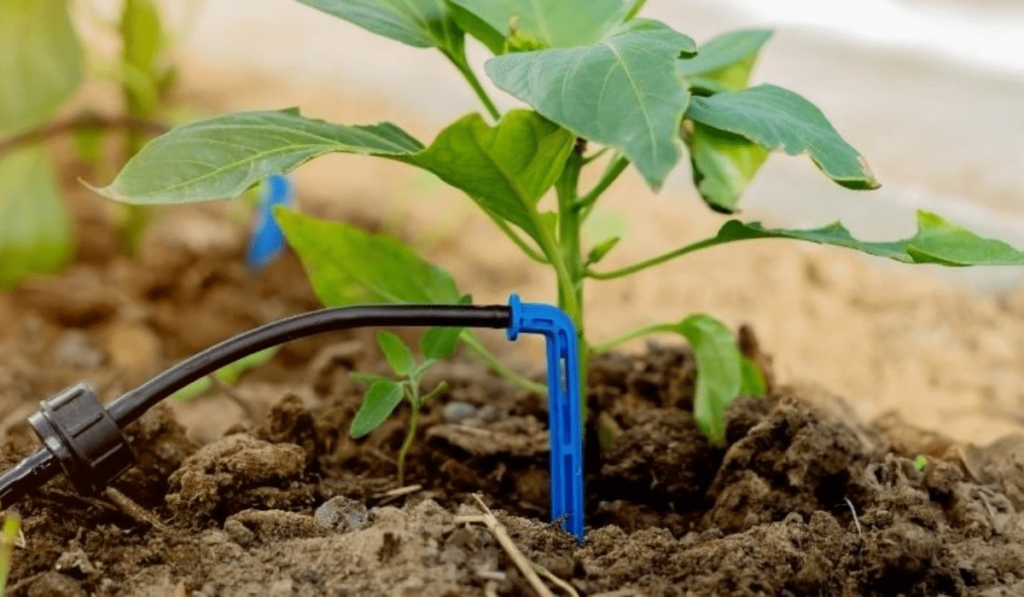
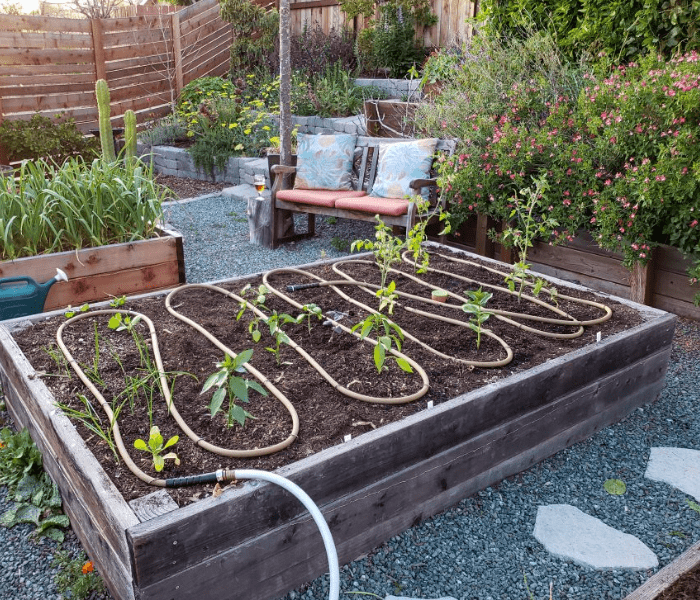
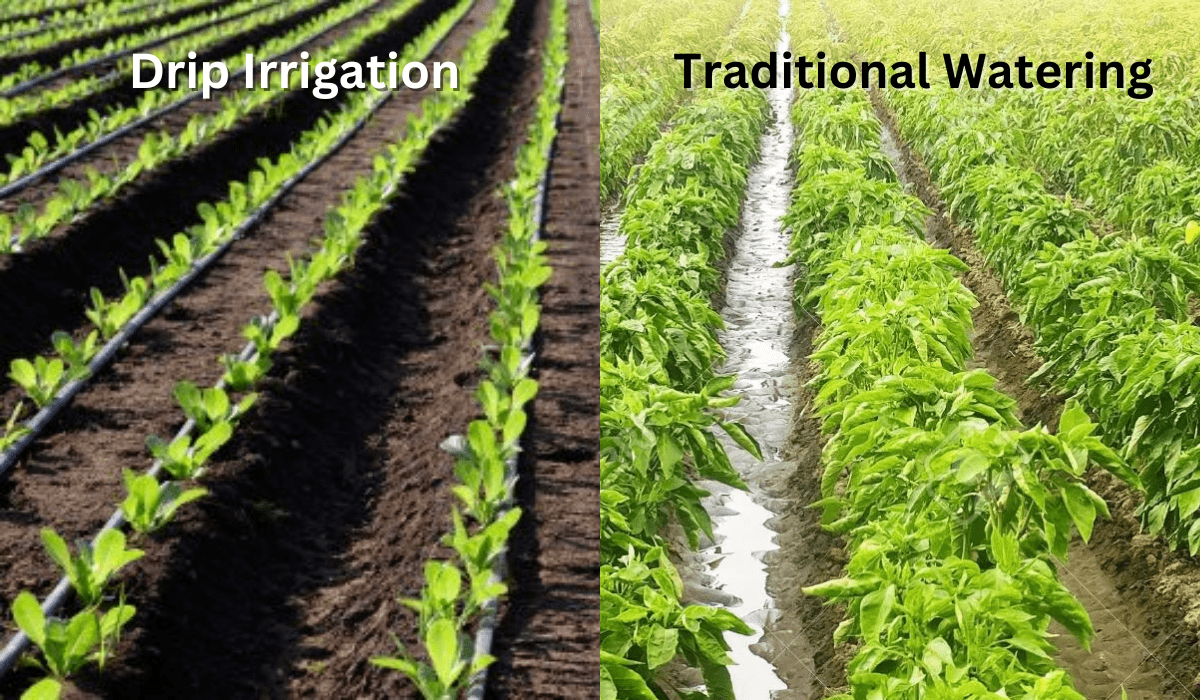
Drip irrigation is a type of irrigation system that delivers water directly to the roots of plants, providing them with a controlled and efficient water supply. It involves using narrow tubes or pipes with small openings called emitters or drippers. This article will guide you on How to Maximize Efficiency with Drip Irrigation in Pakistan.
These drippers release water slowly and evenly near the base of each plant. This method allows for precise water application, reducing waste and optimizing water usage. This article will discuss how to Maximize Efficiency with Drip Irrigation. Let’s start.
Maximizing Efficiency with Drip Irrigation-Tips and Tricks
Drip irrigation is a revolutionary technique. It has transformed the way we irrigate our crops and gardens. It offers a more efficient and precise method of delivering water directly to plant roots. As a result, significant water savings and improved plant health. Here are some tips and tricks to maximize efficiency with drip irrigation:
Design an Efficient System
Analyze your site’s specific needs and layout before designing the system.
Select high-quality drip irrigation components, including pipes, emitters, and filters.
Ensure proper spacing and layout of drip lines and emitters to evenly distribute water.
Use Water Wisely
Monitor and manage water usage by scheduling irrigation based on plant needs.
Incorporate soil moisture sensors to determine when and how much to irrigate.
Avoid overwatering by adjusting the irrigation schedule according to weather conditions.
Maintain System Performance
Regularly inspect and clean emitters and filters to prevent clogging.
Check for leaks, damaged tubing, or faulty emitters and repair them promptly.
Perform routine system maintenance to ensure optimal performance.
Optimize Nutrient Delivery
Incorporate fertilizers and nutrients directly into the drip irrigation system.
Choose the right type and dosage of fertilizers based on plant requirements.
Monitor nutrient levels and adjust the application as needed.
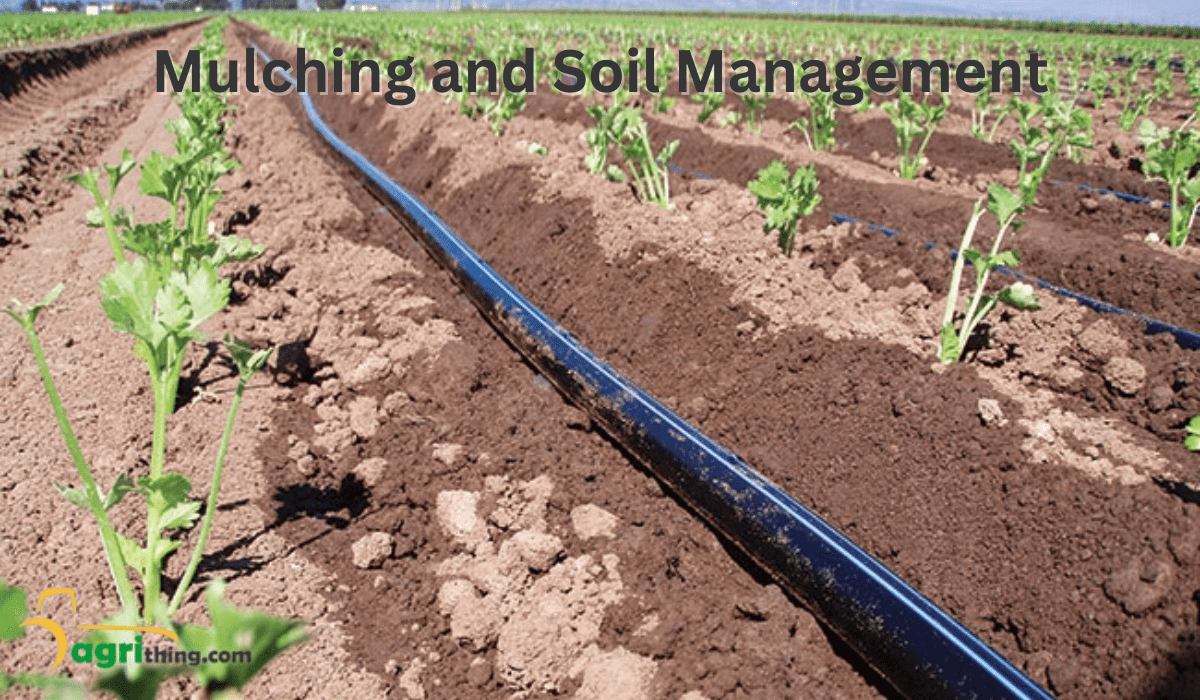
Mulching and Soil Management
Apply organic mulch around plants to reduce evaporation and conserve soil moisture.
Maintain proper soil structure through regular cultivation and amendment.
Implement soil conservation practices to prevent erosion and promote healthy root growth.
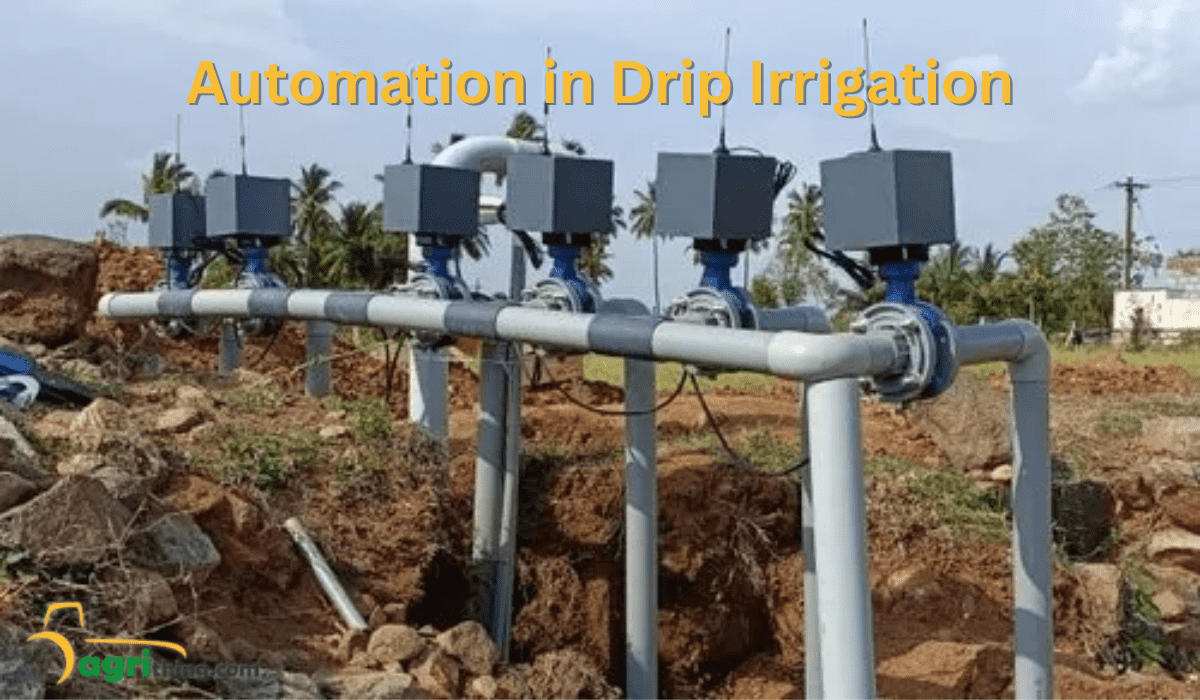
Mulching and Soil Management in drip irrigationConsider Automation drip irrigation
Consider Automation
Install automation and control systems to manage irrigation timing and duration.
Utilize weather-based controllers that adjust irrigation based on local weather conditions.
Use remote monitoring technology to track system performance and make adjustments as needed.
Educate and Train
Provide training to farmers and gardeners on drip irrigation techniques and best practices.
Educate users about the importance of water conservation and efficient irrigation methods.
Share resources and information on drip irrigation maintenance and troubleshooting.
Monitor Soil Moisture
Use soil moisture sensors or tensiometers to monitor the moisture level in the root zone.
Adjust irrigation frequency and duration based on the moisture readings.
Aim to keep the soil moisture within the optimal range for the specific grown plants.
Implement Zone Irrigation
Divide your irrigation system into zones based on plant water requirements.
Group plants with similar water need together in each zone.
Adjust each zone’s irrigation schedule and duration to avoid over or under-watering.
Consider Subsurface Drip Irrigation
Explore the option of subsurface drip irrigation (SDI) for specific crops or situations.
SDI reduces water loss through evaporation and minimizes weed growth.
It also allows for better control over water and nutrient delivery to the plant roots.
Regularly Inspect and Maintain Emitters
Check the emitters regularly for proper functioning and uniform water distribution.
Clean or replace clogged or damaged emitters to ensure optimal irrigation.
Use emitter flow rate regulators to maintain consistent water flow across the system.
Cover Ground Around Plants
Apply organic mulch around the base of plants to conserve moisture and suppress weed growth.
Mulch helps regulate soil temperature, reducing water evaporation from the soil surface.
It also improves soil structure and fertility over time.
Perform Regular System Audits
Conduct periodic audits to evaluate the overall efficiency of your drip irrigation system.
Check for leaks, pressure variations, or areas of inadequate coverage.
Make necessary adjustments or repairs to optimize system performance.
Consider Pressure Compensating Emitters
Pressure-compensating emitters deliver a consistent flow rate despite changes in water pressure.
They ensure uniform water distribution even in areas with varying topography or long irrigation lines.
Schedule Irrigation for Early Morning or Evening
Irrigate during the cooler parts of the day to minimize water loss due to evaporation.
Early morning or evening irrigation also reduces the risk of fungal diseases caused by prolonged moisture on plant foliage.
Finally, maximizing efficiency with drip irrigation is an ongoing process. Maximizing efficiency with drip irrigation requires careful planning and regular maintenance with proper water management. Monitor, assess, and adjust to ensure optimal water usage, healthy plants, and sustainable irrigation practices.
Remember, implementing these tips and tricks can optimize water usage, improve plant health, and promote sustainable agriculture practices.
Frequently Asked Questions(FAQs)
What are the advantages of drip irrigation over traditional irrigation methods?
Drip irrigation offers several advantages, including reduced water waste, improved plant health, precise water application, minimized weed growth, and efficient nutrient delivery.
How to maximize efficiency with drip irrigation?
By following all the above tips, you will know the secret of maximizing efficiency with drip irrigation.
How do I determine the appropriate spacing for drip lines and emitters?
The spacing of drip lines and emitters depends on soil type, plant water requirements, and water pressure. It is recommended to consult irrigation experts or refer to spacing guidelines provided by manufacturers.
Can I automate the drip irrigation system to adjust watering based on weather conditions?
Automation and control systems can be installed to adjust irrigation timing and duration based on local weather conditions. Weather-based controllers are particularly useful in optimizing water usage and adapting to changing weather patterns.
What maintenance tasks are required for drip irrigation systems?
Regular maintenance tasks for drip irrigation systems include inspecting and cleaning emitters and filters, checking for leaks or damaged tubing, and performing routine system audits to ensure optimal performance. Prompt repair of any issues is essential.
Is mulching necessary in drip irrigation systems?
Mulching is highly recommended in drip irrigation systems as it helps conserve soil moisture, suppress weed growth, regulate soil temperature, and improve soil structure and fertility over time. Organic mulch is commonly used for these purposes.
Maximizing efficiency with drip irrigation is crucial for water conservation and enhancing crop health and productivity. Farmers and gardeners can unlock the full potential of this irrigation method by mastering the components, design considerations, and maintenance practices. Learn “How to Maximize Efficiency with Drip Irrigation” to transform landscapes and promote a greener, more sustainable future.
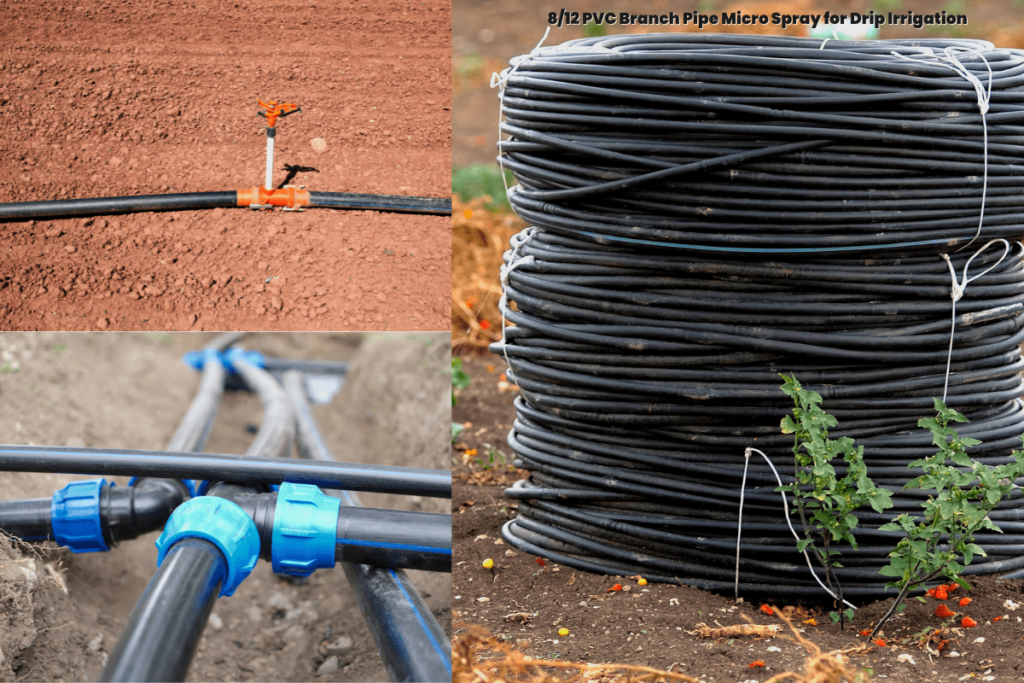
Get your 8/12 PVC Branch Pipe Micro Spray for Drip Irrigation, Garden Irrigation, and more at Agricomplex. Don’t wait, shop now!
Drip irrigation has become popular among farmers and people who have gardens at home because it saves water and ensures that plants grow well. Choosing a suitable drip irrigation kit is important if you’re considering using a drip irrigation system in your garden. Many options are available, so it can be a bit confusing. But don’t worry. This article will help you pick the right drop irrigation kit for your needs. That way, your garden will thrive, and you’ll be able to save water too.
Introduction
Drip irrigation waters plants directly at the roots through tubes and emitters. This system provides a slow and steady water supply, minimizing evaporation and runoff and promoting healthier plant growth. A drip irrigation kit simplifies installation by bundling all necessary components into a convenient package.
What is a drip irrigation kit?
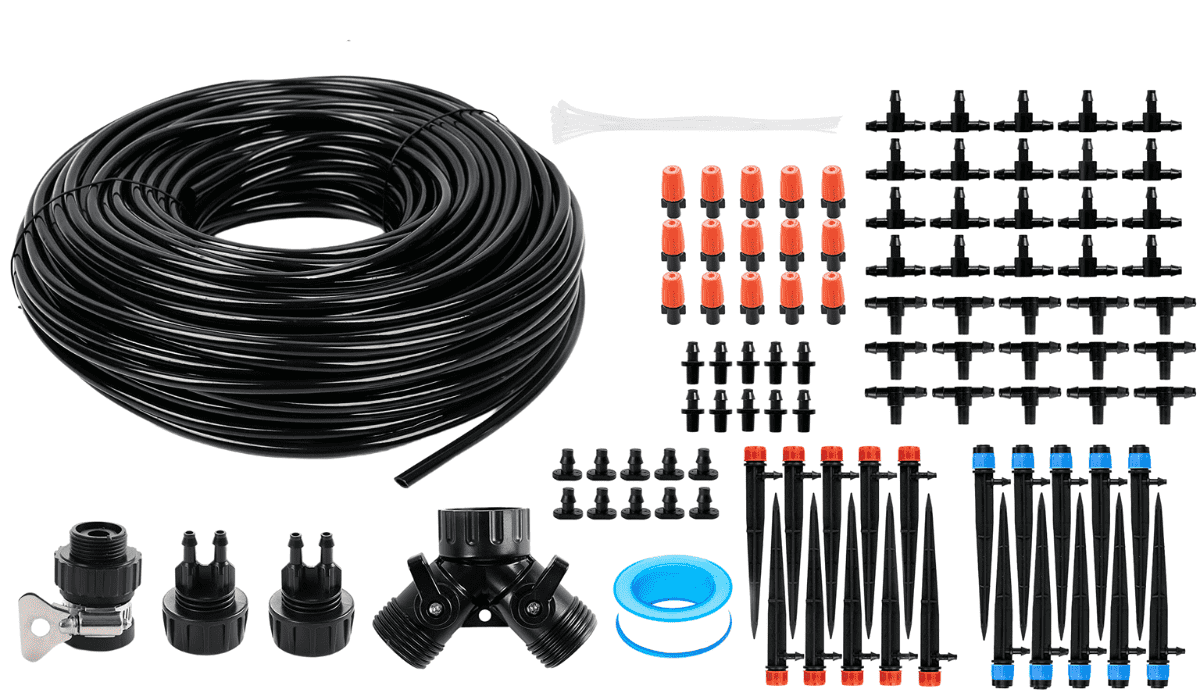
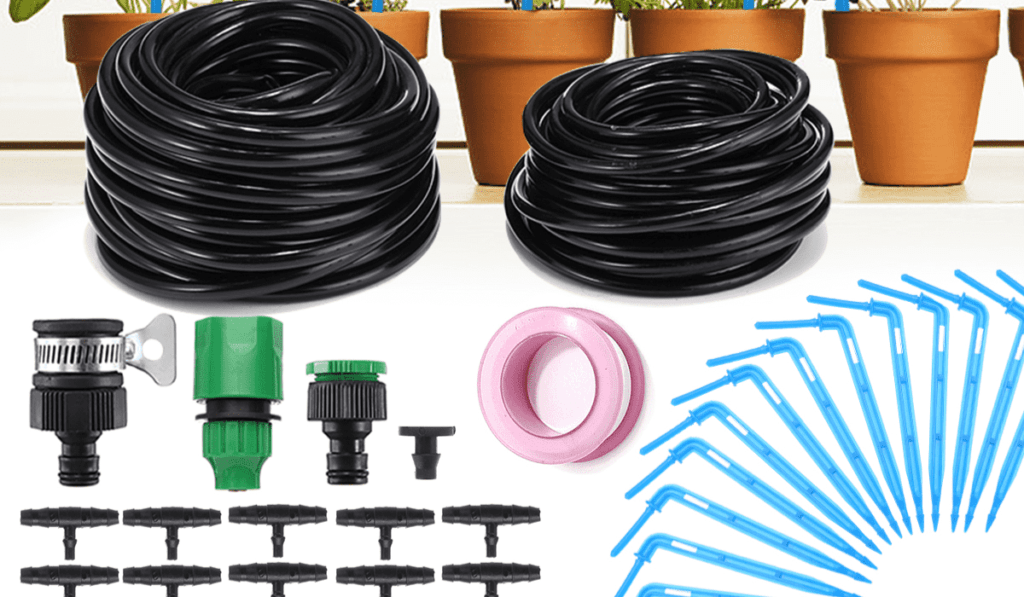
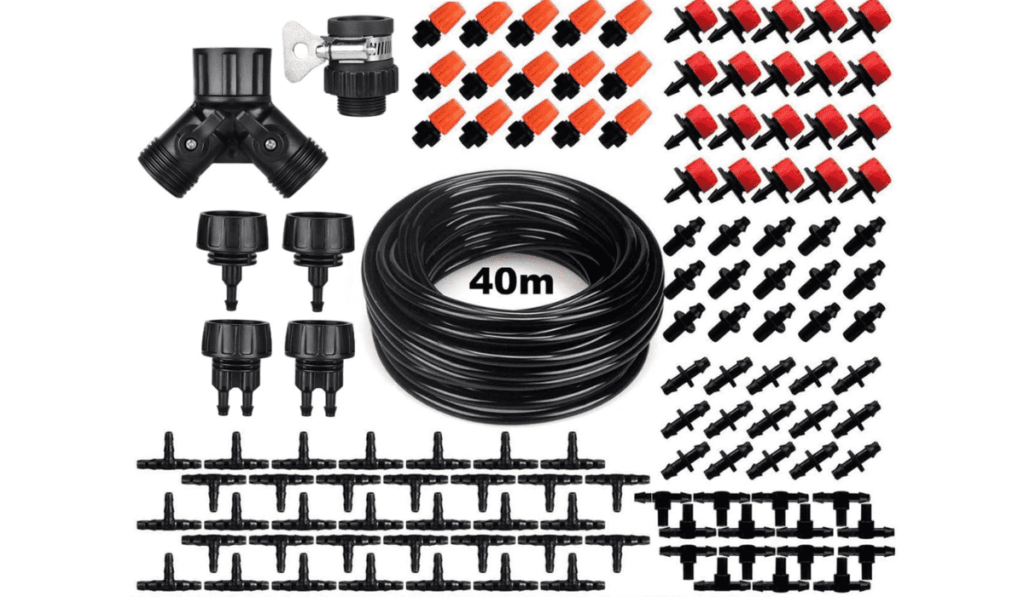
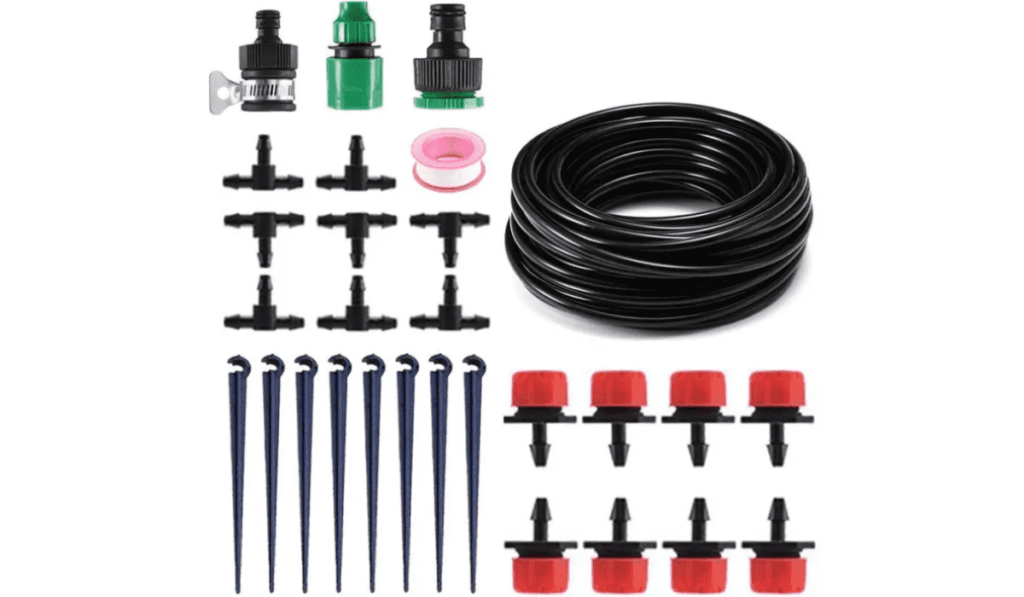
A drip irrigation kit usually has everything you need to set up a drip irrigation system. It includes tubes, small devices called emitters or drippers that release water, connectors to join everything together, regulators and filters to control the water pressure and keep it clean, and timers or controllers to schedule when the water flows. Having all these components in a kit saves you time and effort because you don’t have to find and collect each item separately.
Benefits of using a drip irrigation kit
A drip irrigation kit offers several benefits for farming and garden water management.
Firstly, it ensures that plants receive water exactly where they need it, reducing water waste and improving water uptake efficiency.
Additionally, drip irrigation kits help to control weed growth by delivering water directly to the plant roots, minimizing moisture on the soil surface. This targeted watering approach also reduces the risk of plant diseases caused by wet foliage.
Lastly, drip irrigation kits are relatively easy to install and maintain, making them a practical choice for beginners and experienced gardeners.
Factors to consider when choosing a right drip irrigation kit
To select the most suitable drip irrigation kit for your garden, several factors should be taken into account:
Garden size and layout:
onsider the size and layout of your garden or landscape. Determine the number of plants and their arrangement to estimate the length of tubing and the number of emitters required.
Water source and pressure:
Evaluate the available water source and pressure in your area. Some drip irrigation kits require a minimum pressure level to function optimally. If your water pressure is low, you may need a kit with water pressure regulators to ensure consistent water flow.
Plant types and watering needs:
Different plants have varying watering requirements, such as water consumption rates and preferred moisture levels. Look for kits that offer adjustable emitters or drippers, allowing you to customize the water flow for different plant types.
Budget:
Consider your budget when selecting a drip irrigation kit. Kits vary in price depending on their features and components.
Ease of installation and maintenance:
Look for a drip irrigation kit that is easy to install and maintain. Clear instructions and user-friendly components can make the installation process smoother, especially for beginners.
Components of a drip irrigation kit
Mainline tubing
The backbone of the drip irrigation system carries water from the source to the emitters. It should be durable, flexible, and resistant to UV rays and chemicals.
Emitters or drippers
Release water at a controlled rate near the plant roots. They come in different types, such as inline drippers, micro-sprayers, or micro-sprinklers.
Connectors and fittings
Join different tubing sections, ensuring a secure and leak-free connection. Common types include tees, elbows, couplings, and connectors with shut-off valves.
Pressure regulators
Maintain consistent water pressure within the drip irrigation system. They are beneficial when the water source pressure exceeds the recommended level.
Timers and controllers
Automate the irrigation process by regulating the timing and duration of watering cycles. They offer comfort and allow you to set specific schedules, ensuring your plants receive water even when you’re away.
Types of drip irrigation kits
Drip irrigation kits come in various types to cater to different gardening needs. Understanding the available options will help you choose the most suitable kit for your requirements:
Basic drip irrigation kits:
These kits provide the essential components for a basic system. They are ideal for small gardens or beginners who want a straightforward solution without too many customization options.
Customizable drip irrigation kits:
These kits offer flexibility in design and components. You can tailor the system to your garden’s layout and plant watering requirements. They are suitable for more extensive gardens or those with unique arrangements.
Micro-irrigation kits:
These kits are specifically designed for accurate and efficient watering in containers, hanging baskets, or small garden beds.
Evaluating the quality of a drip irrigation kit
To ensure the longevity and performance of your drip irrigation system, consider the following factors when assessing the quality of a kit:
Material durability:
Choose a kit with high-quality materials that are resistant to UV rays, chemicals, and physical damage.
Water flow rate and coverage:
Check the specifications of the emitters or drippers included in the kit. Ensure they provide a sufficient water flow rate for your plants’ needs and effectively cover the desired area.
Ease of adjustment and control:
Some kits offer adjustable emitters or drippers, allowing you to customize the water flow for individual plants.
Compatibility with other irrigation systems:
if you have an existing irrigation system or plan to expand in the future, ensure that the drip irrigation kit is compatible with other systems.
Additional features to consider
Certain additional features can enhance the functionality and convenience of your drip irrigation system:
Rain sensors:
Rain sensors detect rainfall and automatically suspend irrigation to avoid overwatering. They conserve water by ensuring the system operates only when necessary.
Automatic shut-off valves:
Automatic shut-off valves stop water flow when a leak or breakage is detected in the system. These valves prevent water wastage and potential damage to the garden.
Wireless connectivity and innovative features:
Some advanced drip irrigation kits offer wireless connectivity and intelligent features. These include smartphone apps, Wi-Fi compatibility, and integration with weather forecasts.
How to design Drip Irrigation system:
Sure! Here’s a short paragraph on “How to design a drip irrigation system?” presented in bullet form:
Plan the layout considering plant spacing, water pressure, and flow rate.
Choose suitable drip emitters for precise water delivery to the root zone.
Install a filtration system to prevent clogging of emitters.
Incorporate a pressure regulator and backflow preventer for optimal performance and safety.
Lay out the main supply line and branch off with lateral lines.
Position emitters near each plant for efficient water distribution.
Test the system for leaks and make necessary adjustments.
Regularly maintain the system by flushing lines, cleaning filters, and checking emitters.
Achieve precise watering, minimize waste, and promote healthy plant growth.
Discover affordable drip irrigation kits at Agrithing.com. These kits provide efficient watering solutions without costing a fortune. These kits are designed to fit different budgets, allowing you to find an option that suits your needs without breaking the bank.
With budget-friendly drip irrigation kits, you can water your garden efficiently while saving water and reducing expenses. These kits offer adjustable flow rates, various emitter types, and components that promote water efficiency.
You can achieve effective irrigation by choosing a budget-friendly drip irrigation kit without spending too much money.
How To Calculate Gallons Per Minute (GPM):
To calculate how many gallons of water flow out per minute (GPM), you will need a 5-gallon bucket and a stopwatch.
Follow these steps:
Place the 5-gallon bucket under the water source.
Turn on the water and start the stopwatch at the same time.
Let the water run for 15 seconds.
Turn off the water and measure the amount of water in the bucket.
Multiply the number of gallons by 4 (15 x 4 = 60 seconds = one minute). This will give you the GPM of your water source.
GPH (Gallons Per Hour) is simply GPM multiplied by 60. GPH is commonly used for drip irrigation systems that release water slowly over time. The irrigation run times for these systems are measured in hours.
For example, if you have drip tubing with 1 GPH emitters spaced at 12 inches and the tubing is 100 feet long, it will require 1.67 GPM. This calculation is done by multiplying 1 GPH by 100 (the number of emitters when spaced at 12 inches in a 100-foot run), which equals 100 GPH. Then, divide 100 GPH by 60 (minutes per hour), resulting in 1.67 Gallons Per Minute.
This example shows how simple the design can be for a drip system using tubing or tape. But what about individual emitters? Sometimes we want to water specific plants in our landscape or containers, hanging baskets, or other irregularly shaped plantings. This is where individual emitters come in handy.
Steps to choose the right drip irrigation kit
Follow these steps to select the right drip irrigation kit for your garden:
Assess your garden’s needs:
Evaluate the garden size, layout, and watering requirements.
Consider plant types, sun exposure, and soil conditions.
Research available options:
Explore different drip irrigation kits in the market.
Read product descriptions, reviews, and specifications.
Read customer reviews and ratings:
Check feedback on drip irrigation kit performance and reliability.
Consider both positive and negative reviews.
Compare prices and warranties:
Compare prices of drip irrigation kits.
Consider features, quality, and warranty coverage.
Consult with experts or professionals:
Seek advice from gardening experts or professionals.
Get personalized recommendations for your garden.
Get your 8/12 PVC Branch Pipe Micro Spray for Drip Irrigation, Garden Irrigation, and more at Agricomplex. Don’t wait, shop now!
Tubing with drip emitters embedded at a specified spacing along its length
Drip Tape
Flexible, collapsible tubing that lays flat when not in use with drip emitters embedded at a specified spacing
Supply Line
The hose, pipe, or tube bringing water into the system
Emitters
(drippers) Used to control the flow of water, embedded in tape tubing or individual ¼” barbs for use on ¼” tube
Filter
A screen, sieves, or discs used to trap small particles in supply water
Fertigation
A method of nutrient application where fertilizers are injected through an irrigation system
Backflow Preventer
A check valve to ensure no water is allowed to flow back into the supply water
Conclusion
Picking the right drip irrigation kit ensures water is distributed effectively and efficiently in your garden. You can make a good choice by thinking about how big your garden is, where your water comes from, what types of plants you have, and how much you want to spend. Look at the quality of the parts and any extra features the kit offers to ensure you get a system that will last and be easy to use. Remember to follow the assessment, research, and consultation steps to find the best kit for your garden’s needs.
Frequently Asked Questions (FAQ’s)
How do I determine the water pressure in my area?
To determine the water pressure in your area, you can use a pressure gauge that attaches to an outdoor tap. Simply connect the gauge to the faucet and turn on the water. The gauge will display the pressure level, allowing you to assess if it meets the requirements of your chosen drip irrigation kit.
Can I install a drip irrigation kit myself?
Drip irrigation kits are designed for easy installation and can often be installed by homeowners.
Are drip irrigation kits suitable for all types of plants?
Drip irrigation kits are suitable for a wide range of plants, including vegetables, flowers, shrubs, and trees. However, some plants may have specific watering requirements or may not be suitable for drip irrigation.
Can I expand my drip irrigation system in the future?
Yes, many drip irrigation kits are expandable, allowing you to add more tubing, emitters, or zones as your garden grows. Consider choosing a kit that offers scalability and compatibility with additional components or systems.
How often should I maintain my drip irrigation system?
Regular maintenance is essential to ensure the optimal performance of your drip irrigation system. Inspect the emitters, tubing, and filters periodically for clogs or damage. Clean or replace clogged emitters and filters as needed. Additionally, check for leaks or breaks in the tubing and repair them promptly. Proper maintenance will help prolong the lifespan of your system and ensure efficient water distribution.
How do I select the right drip irrigation kit for my garden?
Consider garden size, plant water requirements, soil type, and budget. Look for adjustable flow rates compatible with your water source and durable materials.
Can I customize a drip irrigation system?
Yes, drip irrigation systems are highly customizable. You can adjust the spacing and emitter types and add timers, filters, and pressure regulators.
Are drip irrigation kits suitable for all types of plants?
Drip irrigation kits are generally suitable for various plants, but research specific watering needs. Some plants with specialized requirements may need improvement.
How often should I water my plants with a drip irrigation system?
Watering frequency depends on plant species, soil type, weather, and plant needs.
Do drip irrigation kits save water?
Drip irrigation kits are water-efficient, delivering water directly to roots and minimizing evaporation and runoff. They save water compared to traditional methods.
Hydroponics is an excellent way to grow plants using water instead of soil. Drip irrigation is a unique method of providing water to the plants. It’s like giving them a little drink through tiny tubes. This article will provide more information about the Drip Irrigation system in Pakistan and how it contributes to the growth of plants in hydroponic systems. You will also learn how to establish and maintain a drop-by-drop irrigation system for your hydroponic garden.
What is Hydroponic?
Have you ever heard of growing plants without using soil? It’s called hydroponics, and it’s fantastic! An essential aspect of hydroponics in Pakistan is providing plants with water and nutrients uniquely through a drip irrigation system. It’s like giving them a drink directly to their roots. This article will teach you about the importance of the drip irrigation system in Pakistan and how it helps plants grow strong and healthy.
What is Drip Irrigation?
Do you know how plants are usually watered in Pakistan? Well, there’s a unique method called the drip irrigation system in Pakistan. Instead of flooding the entire area, water is delivered slowly and directly to the plants’ roots. It’s like giving them a little sip right where they need it. Trickle irrigation in Pakistan saves water, keeps plants healthy, and enables them to absorb all the necessary nutrients for growth.
Components of Drip Irrigation system
A Drop-by-drop irrigation system consists of the following components:
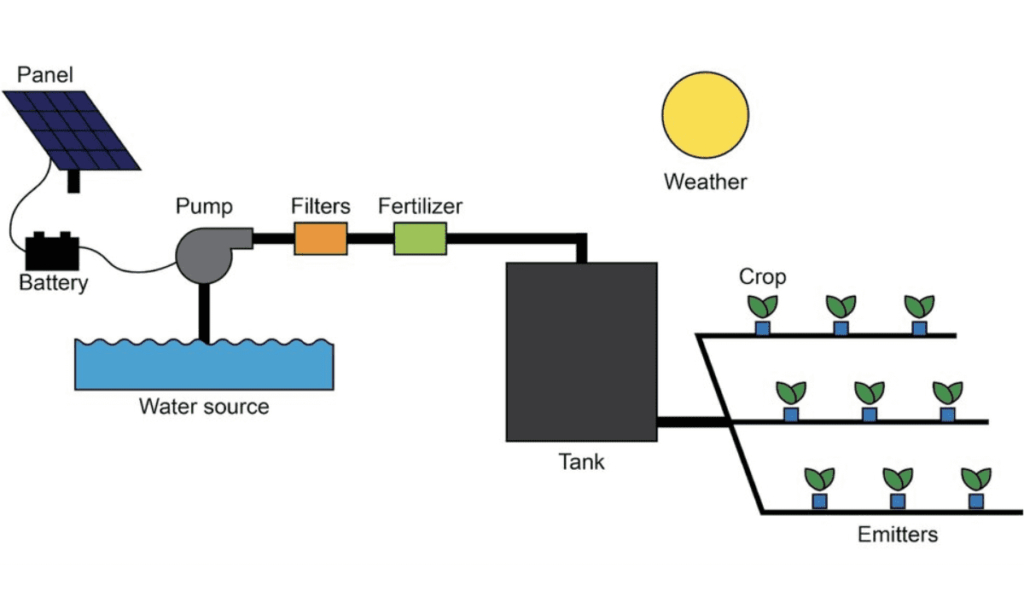
Water Source: A reliable water supply, such as a reservoir or water connection, is required for a Micro-irrigation system.
Pump: A pump may be necessary for larger setups to maintain proper water pressure and flow rate.
Filters: Filters remove debris, sediment, and other impurities that could clog the drip emitters.
Mainline: The mainline carries water from the source to the irrigation zone.
Distribution Lines: These lines deliver water from the mainline to the plants, often using polyethylene tubing.
Emitters: Emitters are devices that control the flow rate and distribute water to individual plants.
Timer or Controller: A timer or controller automates the irrigation schedule and ensures consistent watering.
Variations of the Drip System:
Depending on how excess water is managed, drip systems have two main variations. These variations can be implemented in various configurations to suit specific circumstances.
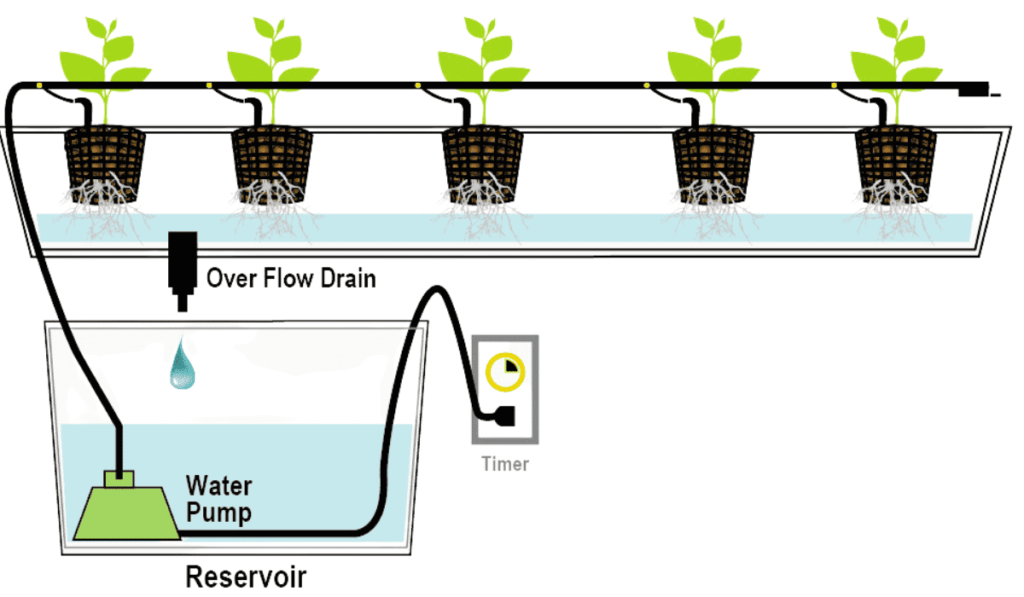
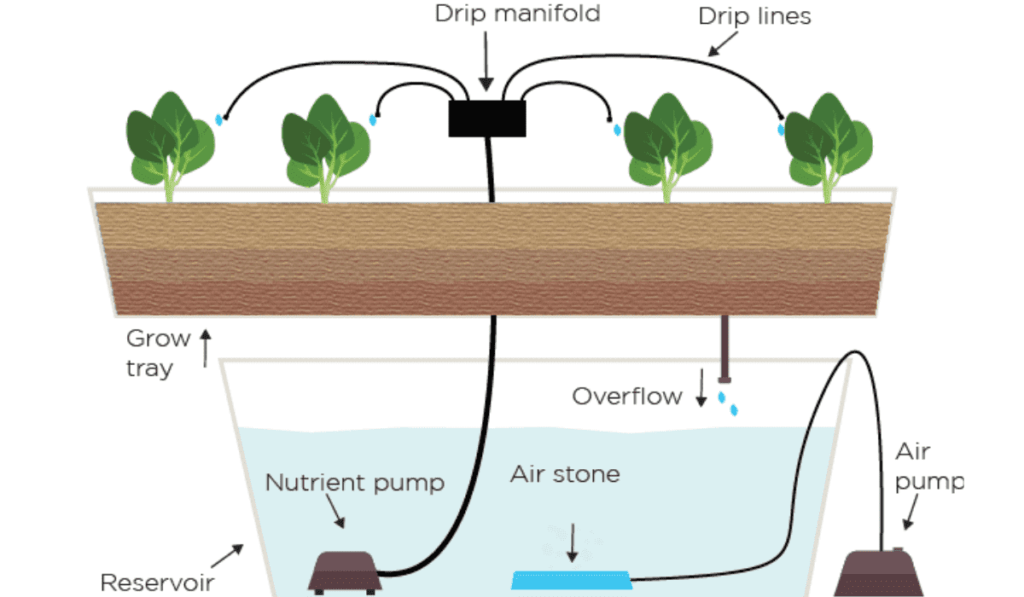
Recirculating/Recovery Systems:
In drip hydroponic systems, only some of the water added to the growing medium is absorbed by the plant roots. There are two main variants of drip irrigation system in Pakistan based on how they handle this excess water. One variant is the recovery system, commonly used in smaller, home-based setups.
In a recovery system, the excess water in the growing medium can flow back into the reservoir. This approach is known for its efficient use of water and nutrients. However, it also has some disadvantages.
In the context of drip irrigation systems in Pakistan, one drawback is that the wastewater flowing back to the reservoir can affect the pH level of the water. Hence, regular maintenance is necessary for recovery systems. In Pakistan’s drip irrigation system, it is important to periodically check the reservoir water to ensure optimal pH and nutrient levels. Fortunately, this task is easier and more cost-effective, especially in smaller drip systems implemented in Pakistan.
Non-Recovery/Non-Circulating System:
In this type of drip system,
Known as the waste or non-recovery system, any extra water is discarded. Usually, wasting water and nutrients is not desirable, but drip systems are already highly efficient in water conservation, so the amount of waste is manageable.
Large farms and gardens often utilize this system. The individuals managing extensive plantations can use advanced timers to control the water supply, saving time precisely.
There’s another reason why the drip irrigation system in Pakistan is excellent for large farms. It requires less maintenance for the water tank. There’s no need to worry about recycled water altering the tank’s acidity level or nutrient composition.
In summary, the waste system is suitable for large farms because it helps save water and simplifies water tank maintenance.
Best plants for a drip irrigation system
A drip system is highly beneficial for cultivating various plants and herbs, providing precise control over water and nutrient distribution. It is compatible with different growing media, further expanding its versatility.
Here is a list of plants that thrive in a hydroponic drip system:
Lettuce
Leeks
Onions
Melons
Peas
Tomatoes
Radishes
Cucumbers
Strawberries
Zucchini
Pumpkins
Drip systems are particularly advantageous for larger plants that require substantial amounts of moisture. By using a slow watering method, these plants can receive adequate hydration and nutrition within a drip setup.
When implementing a drip irrigation system in Pakistan, using a slow-draining medium to achieve optimal outcomes is advisable. The most popular options in this category, such as Rockwool, peat moss, and coconut coir, are commonly used. However, drip irrigation system in Pakistan, alternative media like clay pellets, perlite, and gravel can also be employed successfully for effective plant growth.
Drip Irrigation in Hydroponic Systems
Hydroponics and the Drip Irrigation System in Pakistan make a great team because they work together well. Trickle irrigation helps plants in hydroponic systems in Pakistan grow better and stay healthy. It’s like giving the plants in the drip irrigation system in Pakistan exactly the right amount of water they need, and it helps them grow faster and more robust.
Advantages of Drip Irrigation in Hydroponics
Nutrient Delivery: Drop-by-drop irrigation systems are like magic tubes that deliver water and particular nutrients to the plant’s roots. This makes the plants happy and healthy, helping them grow strong and absorb all the good stuff they need to grow big and strong.
PH and EC Management:
Micro-irrigation in the drip irrigation system in Pakistan lets us quickly adjust the water’s pH and electrical conductivity levels to make it suitable for plants. This capability helps create the perfect environment for the plants in Pakistan’s drip irrigation system to grow happily and healthily. It’s like giving them a cozy home in Pakistan with just the right conditions!
Reduced Water Usage:
Did you know that the drip irrigation system in Pakistan, especially in hydroponics, helps save a lot of water? It’s much better than other systems that use excessive amounts of water. With micro-irrigation, we can provide the plants in Pakistan’s drip irrigation system with the precise amount of water they need to stay hydrated and healthy. It’s like a unique water-saving superpower.
Considerations for Drip Irrigation in Hydroponics
While Drop-by-drop irrigation offers numerous advantages, specific considerations are essential for successful implementation in hydroponic systems.
System Design:
When setting up our plant system, we have to think about important things like how much space each plant needs, where to put the water tubes, and what each type of plant likes. This helps us ensure that every plant gets what it needs to grow strong and happy!
Nutrient Delivery:
We must be careful and ensure our plant food has all the right stuff in it. Each plant is like a special friend and needs different things to grow well. So, we mix up exceptional plant food with exactly what each plant needs. This helps them stay healthy and grow super tall!
Regular Maintenance:
We must also take care of our drip irrigation system in Pakistan and the plant water system. We have to clean the little parts of the drip irrigation system in Pakistan that give water to the plants and ensure they’re not blocked. This way, the water can always reach the plants in the drip irrigation system in Pakistan, and they’ll be happy and hydrated!
Setting up a Drip Irrigation System for Hydroponics
Drip Irrigation System for HydroponicsHydroponics Drip Irrigation System
To set up a drip irrigation system in Pakistan for hydroponics, several steps should be followed to ensure an efficient and effective setup.
Choosing the Right Drip Irrigation System
When selecting a drip irrigation system in Pakistan, consider the following factors:
Flow Rate and Pressure:
When picking the special water sprinklers for your plant system, choose the ones that match how much water you want to give and how strong the water should come out. It’s like finding the perfect sprinkler for your garden.
Emitter Spacing:
Did you know that each type of plant likes to have its own space to grow? It’s true! When we set up our plant water system, we must choose suitable sprinklers and tubes that match how much space each plant needs.
Durability:
We must choose solid and strict parts when assembling our plant water system. These parts can handle challenging situations in our unique plant home. This way, our plant system will stay strong and keep working well, no matter what!
Designing the System Layout
Designing an appropriate layout is essential for optimizing water distribution and minimizing wastage. Consider the following aspects:
Plant Spacing:
Determine the spacing between plants and adjust the emitter and distribution line placement accordingly.
System Zoning:
Divide the hydroponic setup into irrigation zones based on plant varieties, growth stages, or specific water requirements.
Water Source Location:
Place the water source and pump near the irrigation system for easy access and maintenance.
Installing and Maintaining the System
Proper installation and regular maintenance are crucial for the long-term success of a drip irrigation system.
Installation:
Follow manufacturer guidelines and ensure proper connection of all components, including filters, mainlines, distribution lines, and emitters.
Flushing and Cleaning:
Regularly flush the system to prevent clogging and clean filters and emitters to maintain optimal water flow.
Periodic Inspections:
Check for leaks, damaged components, or any signs of reduced water flow. Address issues promptly to avoid crop damage.
Best Practices for Drip Irrigation in Hydroponics
To maximize the benefits of Micro-irrigation in hydroponics, following best practices for efficient water and nutrient management is essential.
Monitoring and Adjusting Irrigation Levels
Regularly monitor soil moisture levels and adjust the irrigation schedule accordingly. Factors such as plant growth stage, temperature, and humidity influence water requirements.
Proper Water Filtration
Install and maintain appropriate filters to remove waste, deposits, and other impurities that can clog emitters. Clean or replace filters as needed to ensure uninterrupted water flow.
Preventing Clogging and Algae Growth
We must take some special steps to keep our drip irrigation system in Pakistan healthy and clean. First, we use filters to catch unpleasant things that could stop our system. Then, we flush out the system with water regularly to keep it fresh and clean. We also treat the water with great stuff to ensure no icky algae grows. These steps help our plants stay happy, and our water system works smoothly.
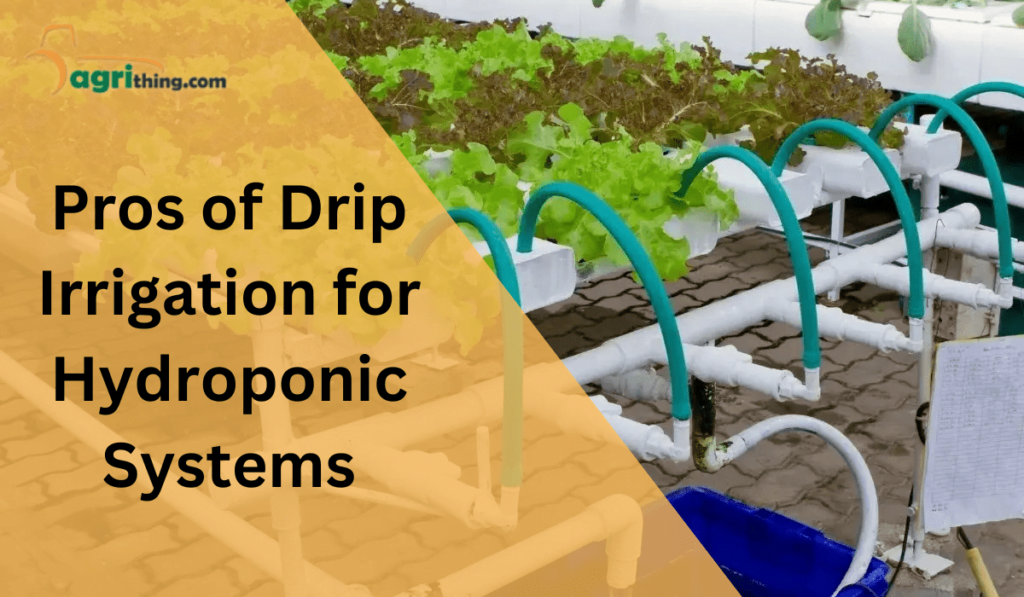
Pros and Cons of Drip Irrigation for Hydroponic Systems
Pros of Drip Irrigation for Hydroponic SystemsCons of Drip Irrigation for Hydroponic Systems
Pros
Cons
Precise water and nutrient delivery to plants
Initial setup costs can be higher than other systems
Efficient water usage, reducing waste
Requires regular maintenance and monitoring
Reduced risk of overwatering and waterlogging
Potential clogging of drip emitters
Lower labor requirements for watering
Requires a reliable water source
Flexibility in adjusting water and nutrient delivery
Sensitivity to water quality and pH
Minimizes the risk of foliar diseases
Requires proper filtration to prevent clogs
Suitable for a wide range of plant types and sizes
Potential uneven distribution of water and nutrients
Can be automated for consistent and precise irrigation
Not suitable for certain crop varieties
Conclusion
Drip irrigation System in Pakistan is a superb way to water plants in a specific plant home. It delivers clean water and nutrients right where the plants need them and helps save water too! Using Micro-irrigation makes plants grow well and saves resources. If we learn about the essential parts and factors to consider, we can use the drip irrigation system in Pakistan in our plant home and experience all its benefits.
Get your 8/12 PVC Branch Pipe Micro Spray for Drip Irrigation, Garden Irrigation, and more at Agricomplex. Don’t wait, shop now!
Can drip irrigation be used for all types of plants in hydroponics?
Customization of Micro-irrigation systems is essential to meet the specific requirements of different plant varieties in hydroponics.
How often should I water my hydroponic plants using Drop-by-drop irrigation?
Monitor soil moisture levels and adapt watering frequency based on plant species, growth stage, and environmental conditions.
Is drip irrigation expensive to set up in hydroponics?
The initial investment in a Micro-irrigation system for hydroponics may vary, but its long-term water and resource-saving advantages surpass the costs.
Can I reuse the nutrient solution with drip irrigation in hydroponics?
Regular monitoring and adjustment of nutrient levels are essential for maintaining optimal plant nutrition through recirculating and reusing nutrient solutions in Micro-irrigation.
Can I automate a drip irrigation system for hydroponics?
Micro-irrigation systems can be automated using timers or controllers. Automation allows for precise control over watering schedules and ensures consistent delivery of water and nutrients.
How does drip irrigation work in hydroponic systems?
Drip irrigation in hydroponic systems involves delivering nutrient-rich water directly to the plant roots through a network of tubes with emitters.
What are the benefits of using drip irrigation in hydroponic cultivation?
The benefits of using Micro-irrigation in hydroponic cultivation include: Efficient water and nutrient delivery. Reduced water usage. Minimized nutrient waste. Improved plant growth and yield.
Can drip irrigation be used for all types of hydroponic plants?
Dip irrigation can be used for all hydroponic plants, providing clear water and nutrient delivery to support their growth.
What is the recommended drip irrigation system for hydroponics?
The recommended Micro-irrigation system for hydroponics is a well-designed system with quality components, such as pressure-compensating emitters and a reliable timer, tailored to the specific needs of the cultivated plants.
How often should I water my hydroponic plants with drip irrigation?
Hydroponic plants with Drop-by-drop irrigation should be watered regularly, typically 2-4 times daily, depending on the specific plant’s needs and environmental conditions.
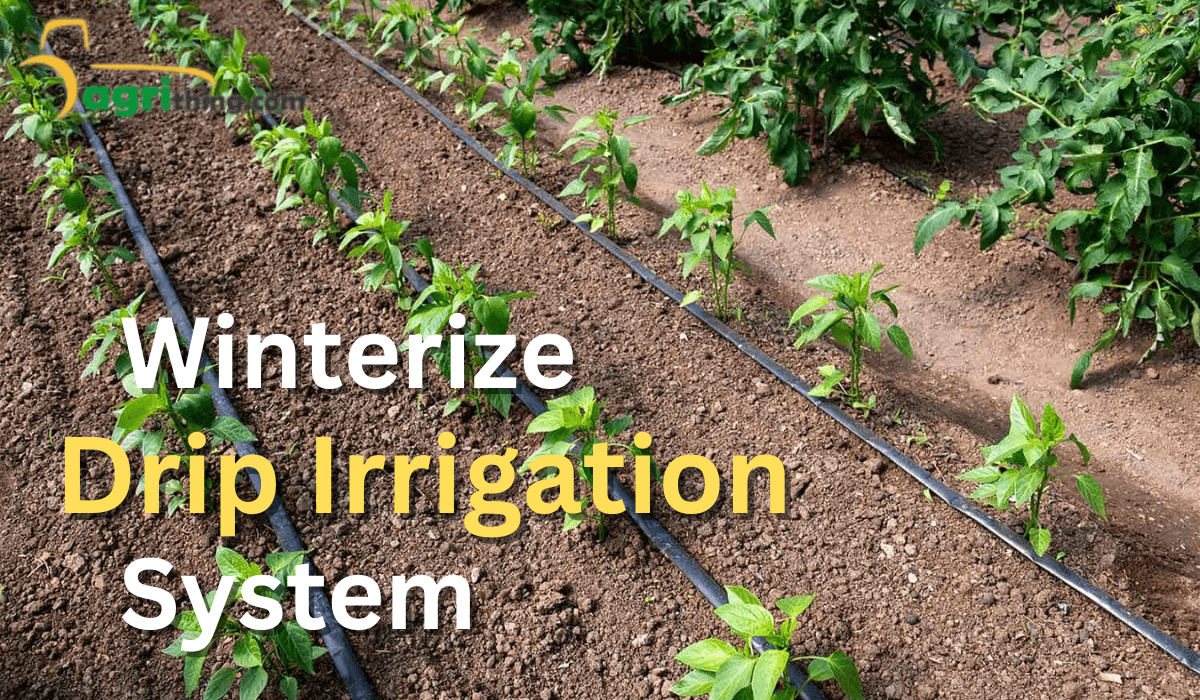
Winter can be tough on your winterizedrip irrigation system if you don’t get it ready for the cold weather. When it freezes, the pipes can burst and ruin your system. This means you’ll have to spend a lot of money to fix it in the spring. To prevent these problems and make sure your irrigation system lasts a long time, it’s really important to prepare it for winter before the first frost comes. In this article, we’ll explain the step-by-step process of getting your winterize drip irrigation system. By doing this, you can protect your investment and be prepared for the next growing season.
Drip Irrigation Introduction
Drip irrigation is a smart way to water plants by providing them with water directly at their roots. It saves water, prevents weed growth, and promotes plant health. However, during winter, the freezing cold can pose a threat to various components of the system, such as pipes, valves, and emitters. That’s why it’s crucial to prepare your winterizedrip irrigation system for winter. This process, known as winterizing, is essential for safeguarding the system from damage and ensuring its optimal performance when spring arrives.
Turn off the Water Supply in winterize drip irrigation
To prepare your winterize drip irrigation system for winter, follow these steps:
Locate the main water valve that supplies water to your irrigation system and turn it off. This will halt the flow of water through the system and minimize the risk of freezing.
After closing the valve, open all the faucets and low points in the system. This will facilitate the draining of any remaining water, preventing it from freezing and causing potential damage.
Clear the Lines of drip irrigation system winterize
To prevent damage caused by freezing water in the lines, it is necessary to remove any remaining water. A highly effective method is to utilize compressed air.
Connect an air compressor to the mainline or the point of connection and gradually increase the pressure to expel the water through the open taps. It is crucial to adhere to the manufacturer’s instructions regarding air pressure to avoid any harm to the system.
Furthermore, you can enhance the protection of your drip system by installing a drain valve at the lowest point. By opening the drain valve, you can ensure the complete removal of any remaining water from the lines. This guarantees that your system is entirely free from water, significantly reducing the risk of freezing and potential damage.
Remove and Store Emitters of drip irrigation
Remove all the emitters from your winterizedrip irrigation system. These small devices are susceptible to damage in freezing temperatures. Clean the emitters by soaking them in warm water and delicately scrubbing off any dirt or debris. Once cleaned, ensure they are thoroughly dry and store them in a sealed container or a plastic bag to protect them from dust and moisture. Remember to label them for easy identification when reinstalling them in the spring.
Pros and Cons of Winterize Drip Irrigation System
Pros of Winterize Drip Irrigation SystemCons of Winterize Drip Irrigation System
Pros
Cons
Protects the system from freezing and damage during winter
Requires time and effort to complete the winterization process.
Prevents water waste by draining the system
It may require purchasing additional materials or equipment for winterization
Extends the lifespan of the system components
May require professional assistance for complex systems or larger setups
Reduces the risk of leaks and water damage due to freezing
May need to flush the system, which uses water
Saves money on repairs and replacements.
May need to remove or store certain system components temporarily
Ensures a smooth start-up and operation in the following spring
It may disrupt the watering schedule during the winter season
Protects plants and vegetation from cold and frost damage
It may not be necessary for regions with mild or no freezing temperatures
Protect the Valves of the irrigation system
Protecting the valves in your winterizedrip irrigation system from freezing is of utmost importance. Start by insulating the valve boxes using foam insulation. This will help maintain a stable temperature and prevent freezing. Next, wrap the valves themselves with insulation tape or foam pipe insulation. This additional layer of protection safeguards the valves from freezing and the potential risk of cracking.
Insulate the Pipes
To prevent freezing and mitigate potential damage in your winterizedrip irrigation system, follow these steps:
Apply pipe insulation sleeves to all exposed pipes. Make sure to cover the mainline, lateral lines, and distribution lines. This insulation helps maintain the temperature and prevents freezing.
Consider using heat cables specifically designed for irrigation systems. These cables provide a consistent heat source to prevent freezing, especially in extremely cold temperatures.
You can find insulation sleeves and heat cables at hardware stores. They are readily available and accessible.
Installation of insulation sleeves and heat cables is relatively simple and can be done with ease.
By following these steps, you can provide an extra layer of protection to your winterizedrip irrigation system and safeguard it from freezing and potential damage.
Cover the System
Protect your winterizedrip irrigation system during winter by adding a layer of cover. Use organic mulch or straw to wrap the pipes and valves that are exposed. These natural materials help keep the system warm and prevent freezing. You can also create a protective enclosure around the system using plastic or plywood. This enclosure offers more insulation and shields the system from bad weather.
Regular Maintenance During Winter
Even though you’ve taken the necessary steps to winterize your winterizedrip irrigation system, it’s important to perform regular maintenance throughout the winter months. Periodically inspect the system for any signs of damage or leaks.
Remove any snow or waste that may get on top of the cover or section. This aggressive approach secures that your system remains in good condition and helps you identify and address any issues before they escalate.
Spring Startup
Steps
Benefits
Reconnect the emitters and valves that were removed and stored during winterize
Restores the functionality of the system.
Ensure all connections are secure and check for leaks
Allows an efficient water delivery to plants Prevents water wastage and potential damage to the system
Flush the system thoroughly to remove debris and sediment that may have accumulated during winterize
Promotes efficient water flow and prevents potential
Conclusion
Winterizing your drip irrigation system is a crucial step in maintaining its longevity and optimal performance. By following the steps outlined in this article, you can protect your system from freezing temperatures, prevent damage, and be prepared for the next growing season. Remember to turn off the water supply, clear the lines, remove and store emitters, protect the valves, insulate the pipes, cover the system, perform regular maintenance, and conduct a thorough spring startup. By taking these measures, you’ll ensure that your winterizedrip irrigation system continues to deliver water efficiently and effectively.
Upgrade Your Irrigation System with 8/12 PVC Branch Pipes Today!
Can I use antifreeze in my drip irrigation system?
No, it is not recommended to use antifreeze in your drip irrigation system. Antifreeze can be harmful to plants and the environment. It’s best to follow the winterization steps outlined in this article to protect your system.
How often should I check my system during winter?
It’s a good practice to check your system at least once a month during winter. This allows you to identify any issues early on and take necessary actions to prevent damage.
Can I winterize my drip irrigation system myself, or should I hire a professional?
Winterizing your drip irrigation system can be done yourself, especially if you’re familiar with the components and steps involved. However, if you’re unsure or don’t have experience, it’s recommended to hire a professional to ensure proper winterization.
What if I live in a region with mild winters? Do I still need to winterize my system?
Even in regions with mild winters, it’s still a good idea to winterize your system. Sudden drops in temperature or unexpected frost can occur, which can damage your system. It’s better to be safe and protect your investment.
Is it necessary to remove all the water from the system during winterization?
Yes, it’s important to remove as much water as possible from the system during winterization to prevent freezing. Any remaining water can expand when frozen and cause pipes to burst. Properly clearing the lines and using compressed air are effective methods to remove water.
How often should I winterize my drip irrigation system?
You should winterize your drip irrigation system once a year before the winter season begins
What are the steps to winterize a micro irrigation system?
To winterize your drip irrigation system, follow these steps: a. Turn off the water supply to the system. b. Open all the valves and allow the water to drain from the system. c. Disconnect the drip tubing and remove any filters or pressure regulators. d. Store the disconnected components in a dry place.
Can I use my drip irrigation system during winter?
It is generally not recommended to use a micro irrigation system during winter, as freezing temperatures can damage the system and its components.
Do I need to drain the water from my drip irrigation system before winter?
Yes, it is important to drain the water from your drop irrigation system before winter. This helps prevent freezing and damage to the system.
Should I remove the drip emitters during winter?
It is a good idea to remove the drip emitters from your system during winter. This ensures that water doesn’t remain trapped in the emitters, which can freeze and cause damage.
The drip irrigation system is the answer if you’re looking for an efficient and water-saving method to irrigate your garden or farm. Drip irrigation, or micro-irrigation, uses a network of tubes or pipes to deliver water directly to the plant’s root zone. Unlike traditional sprinkler systems that spray water over a large area, drip irrigation provides water precisely where needed, minimizing evaporation and runoff. Drip irrigation has numerous benefits, including water conservation, improved plant health, and reduced water waste. This ultimate guide will walk you through the drip irrigation installation process, covering everything from the basics to advanced tips and techniques.
What is Drip Irrigation?
Drip irrigation is a fantastic and highly efficient method of irrigation that offers targeted watering. This irrigation system utilises a well-designed network of tubes or pipes to deliver water directly to the plant’s root zone. Unlike traditional sprinkler systems, drip irrigation ensures water is supplied precisely where needed, reducing evaporation and minimising runoff. Proper drip irrigation system installation is crucial for optimising water usage and promoting plant health.
Save water with Drip Irrigation
Efficient Water Delivery:
Drip irrigation delivers water directly to plant roots, minimizing wastage. The water is released drop by drop, ensuring efficient utilization.
Precise Targeting:
Drip irrigation directly targets the plant’s roots, unlike traditional sprinklers. Water goes where needed, avoiding unnecessary watering of surrounding areas, thus conserving water.
Easy Setup and Maintenance:
Setting up a drip irrigation system is simple. Attach a hose to a water source and connect small tubes with tiny holes near the plants. This user-friendly system requires minimal maintenance.
Water Conservation:
Drip irrigation prevents runoff and reduces evaporation, conserving water resources. It keeps the soil consistently moist without water loss, leading to significant water savings.
Weed Reduction:
Drip irrigation deprives weeds of the moisture they need to grow by delivering water directly to plant roots. This aspect reduces weed growth, minimizing the need for manual weeding.
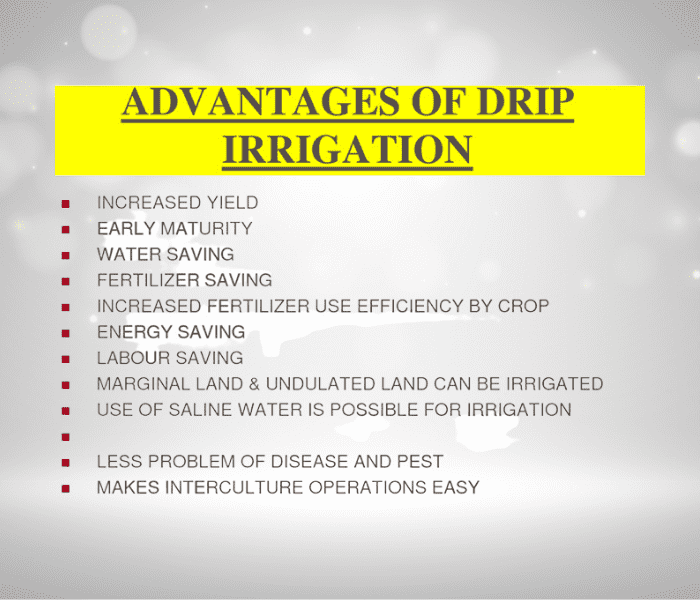
Advantages of Drip Irrigation
Water Efficiency:
Drip irrigation can reduce water usage by up to 50% compared to traditional sprinkler systems. The water is delivered directly to the roots, minimizing evaporation and wind drift losses.
Improved Plant Health:
Drip irrigation ensures that plants receive a consistent and controlled water supply by delivering water directly to the root zone. This promotes healthier root development and reduces the risk of diseases caused by overwatering or moisture imbalance.
Weed and Disease Control
Since the water is targeted at the plants’ roots, there is minimal water contact with the surrounding soil, reducing weed growth and the spread of foliar diseases.
Soil Erosion Prevention
Drip irrigation applies water slowly and evenly, preventing soil erosion and nutrient leaching.
Key Components of Drip Irrigation System
Water Source
This can be a tap, well, or water storage tank.
Backflow Preventer
A device that prevents water from flowing back into the main water supply, protecting the water source from contamination.
Filter
Removes debris and sediment from the water, preventing clogging of emitters and drippers.
Pressure Regulator
Maintaining consistent water pressure throughout the system prevents damage to the components.
Tubing
Carries water from the source to the emitters. Usually made of polyethylene or PVC.
Emitters and Drippers
Devices that release water at a slow and controlled rate. Depending on the specific watering needs, they can be adjustable or fixed flow.
Connectors and Fittings
Used to connect tubing, emitters, and other components.
Planning and Designing a Drip Irrigation System
planning a drip irrigation systemdrip irrigation system
The following table’s parameters are considered when designing a Drip Irrigation system.
Parameter
Definition
Measurement
Units
Q
Dripper flow rate
Amount of water provided by the dripper at a given time unit during the irrigation process
l/hr – litres per hour
D
Distance between drippers
Distance between two drippers on a distribution pipe
m – meters
E
Distance between dipperlines
Distance between two dipperlines
m- Parameters
Pr
Precipitation rate
Amount of water per Area for a specified period of time
mm/hr millimeter per hour
HIR
Hourly irrigation rate
Quantity of water the system will irrigate during one hour for a specified Area
m3/Ha/hr – cubic meter per
DWR
Daily water requirement
Quantity of water the corp requires per day based on Pan evaporation
mm/d – millimeters per day, or m3/Ha/d -cubic metre per
T
Irrigation time
Quantity of water the corp requires per day based on Pan evaporation
hr- hour
S
Shift number
Shift number of each irrigation shift into which the irrigation time is required
Integer
N
Daily shift hour
Shift the number of each irrigation shift into which the irrigation time is required
h- hour
Steps for Designing a Drip Irrigation System
Designing a drip irrigation system involves several essential steps to ensure its effectiveness and efficiency. Let’s explore each step in detail.
Assessing Water Source and Requirements:
Before proceeding with drip irrigation installation and design, assessing the water source’s capacity and availability is crucial.
Mapping the Area to be Irrigated:
Create a map or layout of the area you intend to irrigate. Identify the plant locations, their water requirements, and any potential obstacles.
Choosing the Right Components:
Based on your water source, map, and plant requirements, select the appropriate components, such as tubing, emitters, fittings, filters, and regulators.
Determining the Layout Plan:
Determine the system’s layout, including the mainline, sub-mainlines, and lateral lines. Ensure proper water distribution to all plants.
Calculating Water Flow and Pressure:
Several factors should be considered, including elevation changes and the number of emitters in the system. This information is crucial for an effective drip irrigation design and ensuring the system delivers water efficiently to the plants.
Selecting Emitters and Drippers:
Choose suitable emitters and drippers based on plant types, water requirements, and soil conditions. Consider adjustable emitters for areas with varying water needs.
Develop an Irrigation Schedule:
Based on plant water requirements, climate, and soil conditions. Consider using a timer or intelligent controller for automated scheduling.
Installing the System:
Follow the manufacturer’s instructions to install the mainline, sub-mainlines, lateral lines, emitters, and other components. Ensure proper connections and secure placement.
Testing and Adjusting:
After installation, test the system for leaks, proper water distribution, and coverage. Make necessary adjustments to achieve uniform watering.
Maintenance and Troubleshooting:
Regular maintenance is essential to ensure efficient operation and cost-saving benefits of a drip irrigation system. By prioritizing drip irrigation maintenance and troubleshooting, you can maximize the system’s lifespan and enjoy long-term cost savings.
How to Troubleshoot your Drip Irrigation system?
Troubleshoot Drip Irrigation systemDrip Irrigation system leak repair
Problem
Caused By
Solution
Leaks in the system
Improper connections or damaged components
Check all connections for leaks and tighten them if necessary. Replace damaged components.
Uneven water distribution
Clogs in emitters or uneven pressure
Clean or replace clogged emitters. Ensure consistent water pressure throughout the system.
Insufficient water flow
Inadequate water source or clogged filters
Check the water source capacity and flow rate. Clean or replace clogged filters.
Emitter or dripper blockages
Sediment or debris in the water
Flush the system to remove sediment and debris. Install filters to prevent future blockages.
Inadequate coverage
Incorrect placement of emitters or lateral lines
Adjust emitter spacing for better coverage. Ensure proper placement of lateral lines.
Excessive water usage or waste
Overwatering or leaks
Follow recommended watering schedules for plants. Regularly inspect the system for leaks.
Pressure fluctuation
Inconsistent water supply
Install a pressure regulator to maintain stable water pressure. Check for water source issues.
System damage due to freezing
Freezing temperatures
Insulate the system or use freeze-resistant components. Drain the system before winter.
Emitters blow off tubing
High pressure or improper installation
Install a pressure regulator to maintain a safe pressure level. Ensure proper installation of emitters.
Emitters blow apart
Pressure too high
Install a pressure regulator to maintain a safe pressure level. Check and adjust pressure settings.
Inadequate coverage
Incorrect placement of emitters or lateral lines
Adjust emitter spacing for better coverage. Ensure proper placement of lateral lines.
Little or no water at top of hill
Running tubing up too steep a hill
Change the configuration to run downhill. Adjust the slope of the tubing for proper water flow.
The Cost of Drip Irrigation
Worth the Investment
Drip irrigation is a cost-effective investment considering the long-term savings, low maintenance requirements, and positive impact on plant health.
Initial Investment
Drip irrigation systems may require upfront costs for materials and installation, but the long-term benefits make it a worthwhile investment.
Water Savings
Drip irrigation reduces water usage compared to traditional methods, resulting in lower water bills and potential long-term savings.
Maintenance and Efficiency
Once installed, drip irrigation systems require minimal maintenance, saving time and effort. They also maximize water efficiency, making them environmentally friendly.
Plant Health and Growth
Precise water delivery to plant roots promotes healthier growth and reduces the risk of plant diseases, potentially saving money on replacements.
Pros and Cons of Drip Irrigation System
Pros
Cons
Efficient water delivery
Initial investment cost
Precise targeting of water
The system can be complex for beginners
Reduced water wastage
Regular maintenance may be required
Minimises evaporation
Potential clogging of emitters
Reduces weed growth
Risk of damage from rodents or pests
Customizable to plant needs
Dependency on a reliable water source
Environmentally friendly
Limited coverage for larger areas
Saves time and energy
Requires proper planning and design
Conclusion
Implementing a drip irrigation system is a wise choice for anyone looking to water plants efficiently and conserve water resources. By understanding the principles of drip irrigation design and following proper installation techniques, you can establish an effective system that delivers water directly to the plant’s root zone. The advantages of utilizing drip irrigation include water savings, improved plant health, and reduced maintenance. Embracing the benefits of a drip irrigation system can make your gardening or farming practices more sustainable and environmentally friendly. Consider investing in drip irrigation to optimize water usage and promote the health and growth of your plants.
Get your 8/12 PVC Branch Pipe Micro Spray for Drip Irrigation, Garden Irrigation, and more at Agricomplex. Don’t wait, shop now!
Is drip irrigation installation suitable for all types of plants?
Drip irrigation suits many plants, including vegetables, flowers, and shrubs. It allows for precise water delivery, accommodating various watering needs.
Can I install a drip irrigation system or need professional help?
Establishing a drip irrigation system can be a DIY project, especially for smaller areas. However, larger or more complex systems may require professional assistance.
How much water can be saved with a drip irrigation system?
Drip irrigation can save up to 50% water compared to traditional spraying methods. The precise water delivery reduces wastage due to evaporation and runoff.
Can I automate my drip irrigation system?
You can automate your drip irrigation system using timers or intelligent controllers. This allows you to set watering schedules and conserve water even when you’re away.
Are government incentives or rebates available for installing the drip irrigation method?
Depending on your location, government incentives or rebates may be available for installing water-efficient irrigation techniques like drip irrigation. Check with local authorities or water agencies for more information.
What are the benefits of drip irrigation installation?
Drip irrigation installation offers water efficiency, improved plant health, reduced water waste, weed suppression, and easy installation and maintenance.
How do I calculate the water flow rate and pressure for optimal drip irrigation system performance?
Consider factors such as elevation changes and the number of emitters. Measure the flow rate in litres per hour (l/hr) or gallons per hour (mph). Determine the required pressure based on the specific emitters and plants being irrigated.
What are the maintenance requirements for a drip irrigation setup?
Regular maintenance for a drip irrigation system includes inspecting for clogs, leaks, and damaged components and cleaning filters and flushing the system periodically. Prompt repairs are necessary to prevent water waste and maintain optimal performance.
What are some common issues in a drip irrigation network, and how can they be resolved?
Common issues in a drip irrigation network include leaks and uneven water distribution. They can be resolved by checking and tightening connections, replacing damaged components, cleaning or replacing clogged emitters, and ensuring consistent water pressure throughout the system.
How can drip irrigation help save costs?
Drip irrigation saves costs by reducing water usage and bills, minimizing labour and maintenance requirements, and promoting efficient water usage and plant health.
DIY Drip irrigation is a highly efficient and water-saving method of watering plants in your garden or landscape. By delivering water directly to the root zone of plants, it minimizes water waste and ensures that plants receive the precise amount of water they need for healthy growth. In this step-by-step tutorial, we will guide you through the process of setting up your own drip irrigation system, allowing you to save time, conserve water, and maintain a thriving garden.
Introduction to DIY drip irrigation
DIY Drip irrigation is a method of irrigation that involves the slow and controlled application of water directly to the root zone of plants. Unlike traditional overhead sprinkler systems, which can result in water loss through evaporation and runoff, drip irrigation delivers water efficiently and precisely, minimizing waste and maximizing plant health.
Benefits of drip irrigation
Drip irrigation offers numerous benefits for both gardeners and plants. Some key advantages include:
Water efficiency:
Drip irrigation uses water more efficiently than other irrigation methods, reducing water waste and promoting conservation.
Targeted watering:
Water is delivered directly to the root zone of plants, minimizing water loss due to evaporation and ensuring that plants receive the right amount of water.
Reduced weed growth:
By delivering water only where it’s needed, drip irrigation helps prevent weed growth in areas between plants.
Disease prevention:
Drip irrigation keeps foliage dry, reducing the risk of plant diseases caused by wet leaves.
Time savings:
Once set up, drip irrigation systems require less maintenance and manual effort compared to hand watering or sprinkler systems.
Pros and Cons of DIY Drip Irrigation
Pros
Cons
Efficient water usage
Initial setup can be time-consuming.
Customizable to specific plant needs
Requires regular maintenance and monitoring
Reduces water waste
Potential for clogging or leakage in the system
Saves time and effort in watering
The Initial cost of materials and equipment
Promotes healthier plant growth
Requires knowledge of system design and setup
Unlocking Efficiency: The Pros of Drip Irrigation!Navigating the Challenges: The Cons of Drip Irrigation!
DIY Drip Irrigation: Step-by-Step
Assess your garden’s needs:
Determine the specific water requirements of your plants, including their spacing and size. This will help you determine the number and placement of drip emitters.
Create a layout:
Sketch a garden diagram indicating the location of plants, water source, and main line. Plan the tubing route, ensuring efficient water distribution and minimal pressure loss.
Choose the correct components:
Select drip emitters, tubing, connectors, and other necessary components based on your garden’s layout and water requirements. Ensure compatibility and durability of the chosen components.
Install the system:
Start by connecting the main line to the water source, then lay out the tubing, placing drip emitters at appropriate intervals. Secure all connections and thoroughly test to check for leaks or issues.
Monitor and adjust:
Inspect the system for leaks, clogs, or uneven water distribution. Adjust as needed to ensure all plants receive adequate water. Check the emitters for clogs, observe the water distribution pattern, and modify the flow rate if necessary.
Testing and adjusting the system:
Once the system is connected, turn on the water supply and observe the performance of the drip emitters. Adjust the water flow or emitter positions to ensure even watering throughout the garden.
Maintaining your drip irrigation system:
Regular maintenance is essential for the longevity and effectiveness of your drip irrigation system. Some maintenance tasks include inspecting and cleaning filters, checking for leaks, and replacing damaged emitters or tubing.
Troubleshooting common issues:
Drip irrigation systems occasionally need help with problems despite their efficiency. Some common issues include clogged emitters, leaks, and uneven water distribution. This section will provide troubleshooting tips and solutions to address these challenges.
Drip irrigation system components Equipment
The components of a drip irrigation system include:
Tubing
Emitters (such as drippers or sprayers)
Connectors
Caps
Pressure regulators (if needed)
Timers (optional)
Stakes or clips for securing the tubing
Water source (such as a garden hose)
Tips for maximizing the effectiveness of your drip irrigation system
Mulch around plants to reduce evaporation and weed growth.
Schedule irrigation during the early morning or late evening to minimize water loss due to evaporation.
Regularly monitor plant health and adjust watering schedules as needed.
Conduct periodic inspections of the system to identify and address any issues promptly.
Drip irrigation vs soaker hose: which is better?
The choice between drip irrigation and a soaker hose depends on factors such as the specific needs of your garden and personal preferences. Drip irrigation offers precise and targeted watering, ideal for individual plants, while a soaker hose provides even and gentle watering along a larger area. Consider factors like plant types, water requirements, and garden layout to determine which option is better suited for your needs.
DIY drip irrigation for small gardens
Use a compact drip irrigation kit with adjustable emitters for DIY drip irrigation in small gardens. Lay out the main tubing along the planting areas, insert emitters near each plant, and secure the tubing with stakes or clips. Regularly monitor and adjust the system to meet the specific water needs of your plants.
DIY Drip irrigation for container plants
Drip irrigation can be used for container plants by inserting emitters directly into the soil or using a drip system designed specifically for containers. Ensure proper spacing of emitters, monitor soil moisture levels, and adjust watering frequency based on the specific needs of the container plants.
DIY drip irrigation for flower beds
For DIY drip irrigation in flower beds, lay out the main tubing along the bed’s length, position emitters near each plant, and secure the tubing with stakes. Adjust the system as flowers grow, monitor moisture levels, and enjoy efficient and targeted watering for your flower beds.
Drip System Maintenance
To maintain a drip irrigation system, regularly check for leaks or clogs in the tubing, clean or replace emitters as needed, monitor water pressure, and adjust the system to accommodate plant growth. Additionally, flush the system periodically, inspect filters for debris, and ensure proper drainage to prevent waterlogging and root rot.
Troubleshooting
When troubleshooting, identify the issue by observing the symptoms, examine the affected components for damage or malfunction, and systematically check for possible causes such as clogs, leaks, or electrical problems. Then, take appropriate steps to resolve the issue, including cleaning or replacing parts, adjusting settings, or seeking professional assistance.
Conclusion
By following this step-by-step tutorial, you can successfully create your own DIY drip irrigation system. With its water-saving benefits and targeted watering approach, drip irrigation offers an efficient and environmentally friendly way to maintain a healthy garden or landscape. Enjoy the convenience and effectiveness of this system while conserving water resources.
Get your 8/12 PVC Branch Pipe Micro Spray for Drip Irrigation, Garden Irrigation, and more at Agricomplex. Don’t wait, shop now!
A Perfect Fit: 8/12 PVC Branch Pipe for Optimal Irrigation!
Want to purchase Drip Irrigation accessories? Visit our Agricomplex website to explore our wide range of irrigation products.
Frequently Asked Questions (FAQ’s)
How much water does a drip irrigation system save compared to traditional sprinklers?
A drip irrigation system can save up to 50% or more water than traditional sprinkler systems. Delivering water directly to the plant roots, it minimizes evaporation and runoff.
Can I install a drip irrigation system myself, or should I hire a professional?
Drip irrigation systems are generally DIY-friendly and can be installed by homeowners. However, consulting a professional for guidance might be beneficial if you have a large or complex landscape.
Can I use a drip irrigation system for all types of plan?
Drip irrigation is suitable for a wide range of plants, including flowers, vegetables, shrubs, and trees. By customizing the system to meet the specific needs of each plant, you can ensure optimal growth and water efficiency.
How often should I water with a drip irrigation system?
The frequency of watering will depend on various factors such as plant type, weather conditions, and soil moisture levels. Monitor your plants regularly and adjust the watering schedule as needed to avoid over or under-watering.
Can I expand my drip irrigation system in the future?
Yes, one of the advantages of drip irrigation systems is their scalability. You can easily expand the system by adding additional emitters, tubing, or zones to accommodate new planting areas.
Yes, drip irrigation can be installed in various sizes and types of gardens. It is particularly well-suited for vegetable gardens, flower beds, shrub borders, and container gardens.
Can I use drip irrigation for potted plants?
Yes, drip irrigation can be used for potted plants. It effectively provides water directly to the root zone of potted plants, promoting efficient water usage and healthy growth
How do I design a drip irrigation system?
To design a drip irrigation system, follow these steps: Assess your garden or landscape and determine the areas that require irrigation. Consider the water requirements of different plants and group them accordingly.
How long should I run a drip irrigation system?
The duration of a drip irrigation system depends on factors such as plant water requirements, soil type, and weather conditions. It is recommended to run the system long enough to moisten the root zone without causing waterlogging, typically for shorter durations and more frequent intervals.
How do I maintain a DIY drip irrigation system?
Regularly check for leaks, clogs, or damaged components to maintain a DIY drip irrigation system. Clean or replace emitters as needed to ensure consistent water flow and adjust watering schedules based on seasonal changes and plant requirements
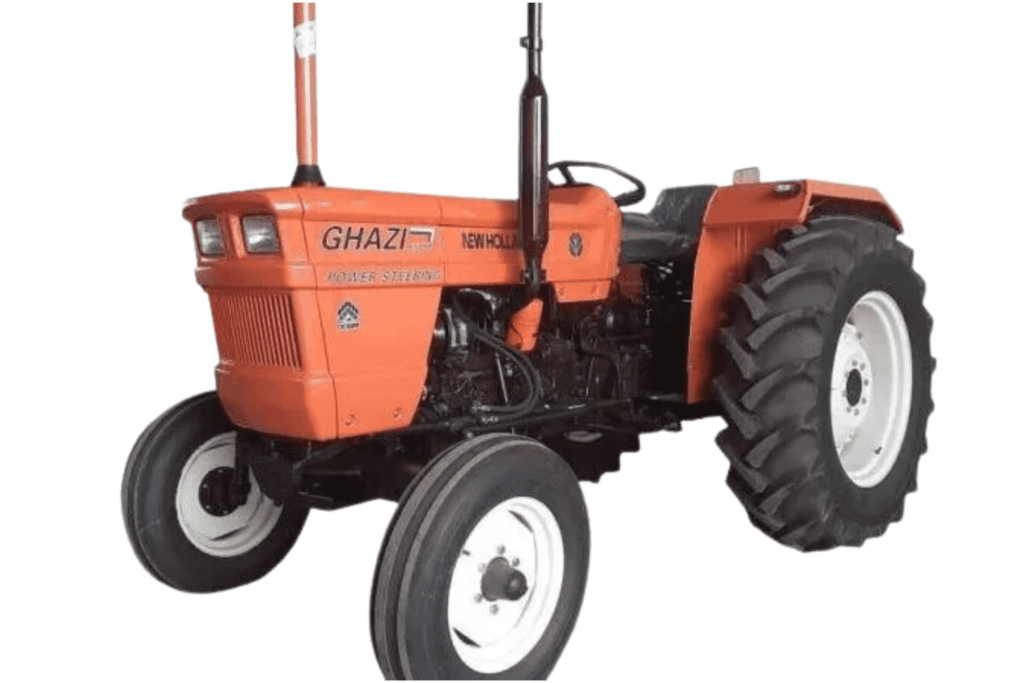
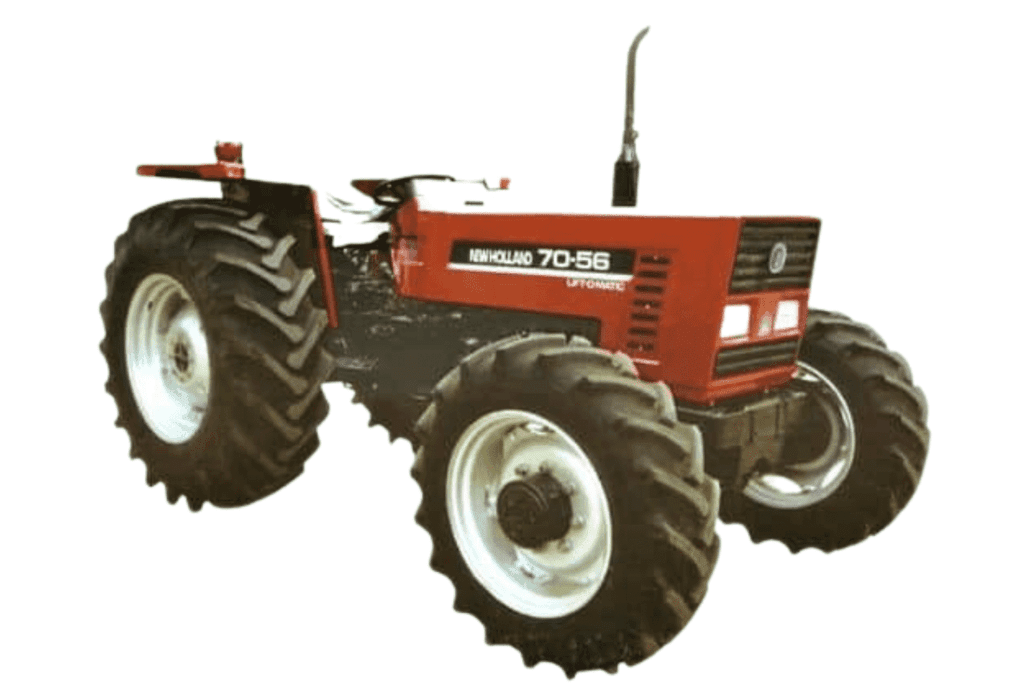
Welcome to our guide on the “New Holland Tractor Prices in Pakistan.” If you’re in Pakistan and interested in purchasing a New Holland tractor, you’ve come to the right place. New Al-Ghazi is a renowned brand known for its high-quality agricultural machinery, including tractors.
This article will explore the prices of Fiat tractors available in Pakistan. Helping you decide when investing in a reliable and efficient farming companion. Whether you’re a small-scale farmer or a large landowner. Understanding the prices of New Holland tractors in Pakistan is vital for planning and budgeting. So let’s dive in and discover the costs associated with these robust and reliable machines.
What Are New Holland Tractors?
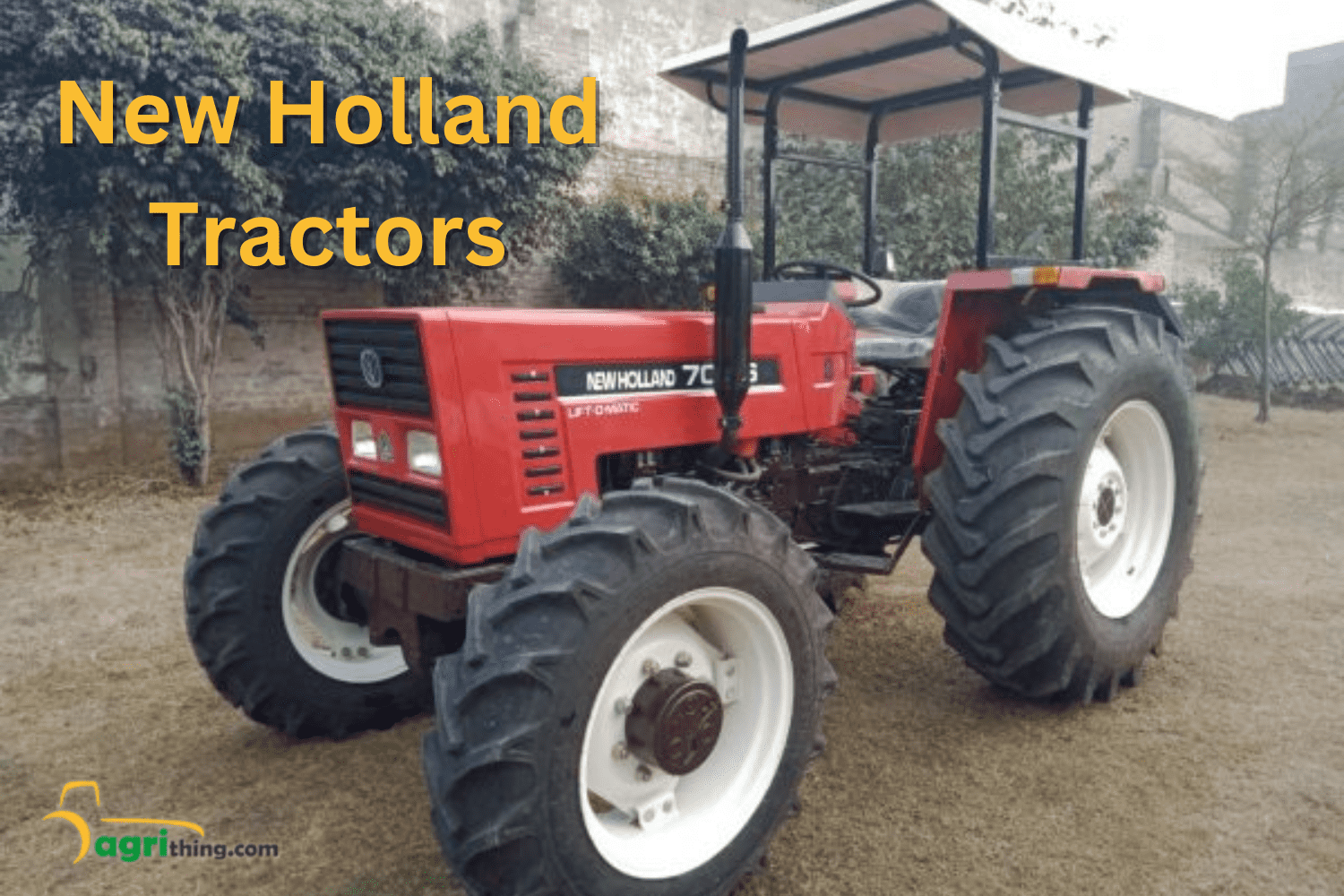
New Holland tractors have a long history that started in the late 1800s. When a man named Abram Zimmerman opened a small manufacturing company in New Holland, Pennsylvania, USA. Since then, New Holland has become famous for making solid and effective farming machines.
New Holland tractors became popular in Pakistan in the early 1990s when they teamed up with Al-Ghazi Tractors Limited (AGTL). This collaboration brought modern farming equipment to Pakistan, helping local farmers with reliable and efficient machines. Nowadays, Fiat tractors are widely used all over Pakistan, making agriculture more advanced and productive.
Factors that affect NH AL Ghazi tractors prices in Pakistan
Several factors contribute to the fluctuation in New Holland tractor prices in Pakistan. Firstly, the cost of production plays a significant role.
Cost of Production:
The cost of production plays a significant role in determining the prices of New Holland tractors. Factors such as raw material prices, labour expenses, and manufacturing overheads can influence the overall cost of manufacturing tractors, thereby impacting their retail prices.
Exchange Rates and Import Costs:
Fluctuations in exchange rates can directly impact the prices of imported components and parts used in New Holland tractors. Changes in exchange rates can result in varying import costs, affecting the final pricing of these tractors.
Government Policies and Import Duties:
Changes in government policies and import duties can significantly impact the pricing of New Holland tractors. Alterations in import regulations and duties can lead to cost variations, which manufacturers may pass on to the consumers, affecting the final prices of the tractors.
Market Demand and Competition:
The agricultural machinery industry can influence the prices of Fiat tractors by Market demand and competition. Changes in demand-supply dynamics can impact the pricing of tractors in Pakistan.
Technological Advancements and Upgrades:
In New Holland, tractors can result in price variations through Technological advancements and upgrades. Newer models with improved features may command a premium compared to older models.
Popular New Holland tractors Models and their prices in Pakistan
New Holland tractors come in many models and horsepower ratings. With prices varying accordingly. Here are some popular New Holland tractor models and their prices in Pakistan:
New Holland 640
The New Holland tractor 640 is a versatile model with a compact design. Offering a horsepower range of approximately 55 to 65 HP. It is suitable for small to medium-sized farms and exhibits good fuel efficiency. The estimated price range for Fiat tractor 640 in Pakistan varies between PKR2,500,000 to PKR 3,000,000.
New Holland Al Ghazi Dabhung-85
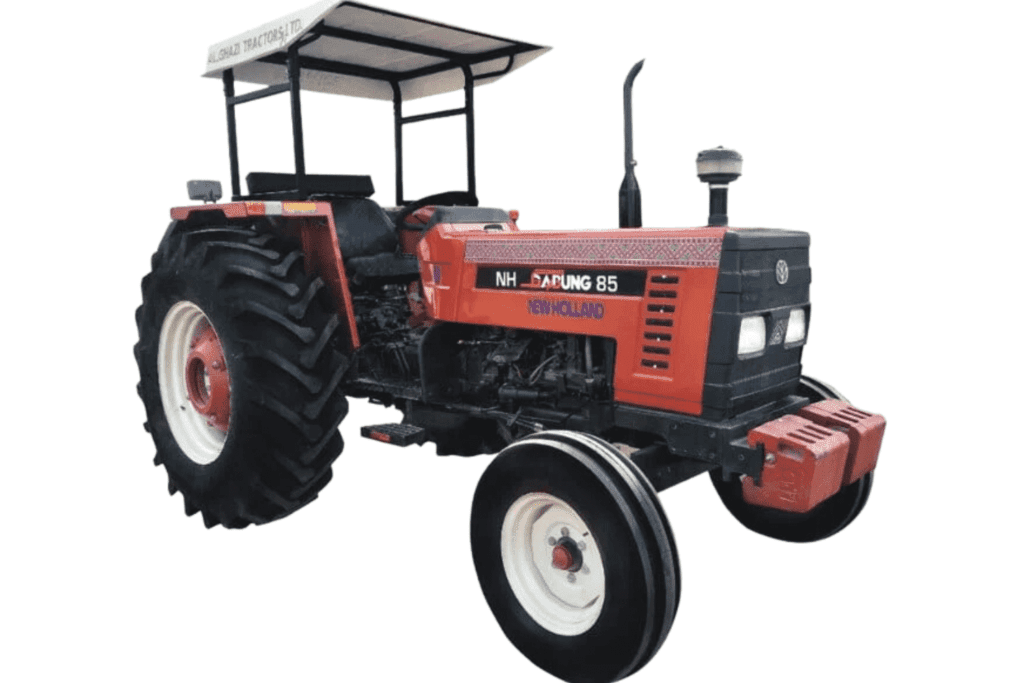
New Holland Dabung-85 is a robust tractor model with a horsepower rating of approximately 85 HP. It is designed for medium to large-scale farming operations and offers excellent power and performance. The ideal size for Fiat Dabung-85 is typically for fields requiring higher horsepower. This model demonstrates good fuel efficiency and price at an estimated PKR 4,000,000 to PKR 4,500,000 in Pakistan.
New Holland 480
The New Holland 480 is a reliable tractor model with a horsepower rating of approximately 55 to 60 HP. It is well-suited for various agricultural tasks on small to medium-sized farms. The Fiat 480 offers decent fuel efficiency and price at an estimated PKR 2,200,000 to PKR 2,500,000 in Pakistan.
New Holland 70-56:
The New Holland 70-56 is a versatile tractor model with a horsepower rating of approximately 70 to 75 HP. It is ideal for medium-sized farms and offers robust performance for various agricultural tasks. The ATGL 70-56 demonstrates decent fuel efficiency and price at an estimated PKR 2,800,000 to PKR 3,200,000 in Pakistan.
New Holland 8070:
The New Holland 8070 is a powerful tractor model with an approximately 80 to 85 HP horsepower rating. It is suitable for medium to large-scale farming operations, offering high performance and efficiency. The New Holland 8070 is designed to handle demanding tasks and provides excellent fuel efficiency. The estimated price range for the New Holland 8070 in Pakistan is typically between PKR 3,500,000 to PKR 4,000,000.
Exclusive Deals on New Holland Tractors in Pakistan – Find Them on Agrithing!
Where To buy New Holland Tractors Al Ghazi in Pakistan
Al-Ghazi Tractors: is an authorized dealership for New Holland tractors in Pakistan. They have branches in major cities. You can visit their website or showroom to explore their range of New Holland tractors and other agricultural equipment.
Agrithing: is an online marketplace for agricultural equipment in Pakistan. They provide a diverse selection of new and used New Holland tractors at competitive prices. You can visit their website to compare prices, features, and specifications of various New Holland tractor models.
Auto Wheels PK :is an online marketplace for agricultural equipment in Pakistan. They provide a diverse selection of new and used New Holland tractors at competitive prices. On their website, you can explore and compare the prices, features, and specifications of various New Holland tractor models, making it convenient to find the right tractor for your needs.
Tips for Maintaining AL Ghazi New Holland Tractors
Maintaining your New Holland tractor is crucial to ensure its long-term durability and optimal performance. Here are some tips for keeping your New Holland tractor:
Regular Servicing: To keep it in excellent condition, schedule routine servicing for your New Holland tractor, including oil changes, filter replacements, and general maintenance checks.
Cleanliness: Keep your New Holland tractor clean and free from debris and dirt. Regularly clean its exterior and interior to prevent corrosion and rusting and maintain its overall appearance.
Lubrication: Ensure that all moving parts of your New Holland tractor are correctly lubricated. Regularly grease and lubricate components to prevent wear and tear, enhance performance, and extend the tractor’s lifespan.
Storage: Store your New Holland tractor in a dry and secure location when it is not in use. Please protect it from weather damage and potential theft by storing it indoors or under a protective covering.
By following these maintenance tips, you can maximize the longevity and efficiency of your New Holland tractor, ensuring it continues to perform at its best for years to come.
Specification of New Holland Tractors All Models List
Brand
Model
Horse Power
Engine
Transmission
PTO Power
New Holland
NH-480
55 HP
3-cylinder
8 Forward, 2 Reverse
41 HP
New Holland
NH-640
75 Hp
4-cylinder
8 Forward, 2 Reverse
65 HP
New Holland
NH-6610
85 HP
4-cylinder
8 Forward, 2 Reverse
75 HP
AL-Ghazi
AGTL -445
50 HP
3-cylinder
8 Forward, 2 Reverse
45 HP
AL-Ghazi
AGTL -545
65 HP
4-cylinder
8 Forward, 2 Reverse
55 HP
AL-Ghazi
AGTL -655
85 Hp
4-cylinder
8 Forward, 2 Reverse
75 HP
Advantages of Using New Holland Tractors in Pakistan
Advantages of Using NH TractorsUsing AL Ghazi Tractors
New Holland tractors offer many benefits for farmers in Pakistan. Here are some simple reasons why they are a good choice:
Affordable: New Al-Ghazi tractors are cheaper compared to other brands in Pakistan. This makes them popular among small and medium-sized farmers who want reasonably priced tractors.
Solid and Long-lasting: New Al-Ghazi tractors are tough and durable. They can handle heavy work on the farm without getting damaged quickly. This means they can last for a long time.
Saves Fuel: New Holland tractors consume less fuel due to their design. This helps farmers save money on fuel costs and makes farming more economical.
Versatile: NH Al Ghazi tractors come in different models with various power ratings. Farmers can use them for various farming tasks such as plowing, planting, and harvesting.
Farmers in Pakistan can enjoy these advantages by choosing New Al Gahzi tractors and making their farming more efficient and cost-effective.
Conclusion
In conclusion, the prices of New Holland tractors in Pakistan vary depending on the model, horsepower, features, and market conditions. Prospective buyers must consider their specific needs and budget when evaluating the options. In contrast, New Holland tractors offer affordability, durability, fuel efficiency, and versatility. By considering these factors, farmers in Pakistan can find the right New Holland tractor that meets their requirements while staying within their budget.
Frequently Asked Question (FAQs)
What factors determine New Holland tractor prices in Pakistan?
Factors like production costs, exchange rates, government policies, market demand, and technological advancements determine the merits of New Holland tractors in Pakistan.
Are New Holland tractors affordable for small and medium-sized farmers in Pakistan?
Yes, New Holland tractors are known for their affordability, making them a popular choice among small and medium-sized farmers in Pakistan.
How can I find the best price for a New Holland tractor in Pakistan?
We recommend researching and comparing prices from authorized dealers, online marketplaces, and local distributors to find the best price for a New Holland tractor in Pakistan.
Do New Holland tractor prices vary based on horsepower and features?
Yes, New Holland tractor prices in Pakistan can vary based on the horsepower rating and additional features offered by different models.
Are any seasonal or promotional discounts available for New Holland tractors in Pakistan?
Yes, authorized dealers and distributors in Pakistan often offer seasonal or promotional discounts on New Holland tractors. It is advisable to stay updated with the latest offers and contact local dealerships for more information.
People Also Asked
What is the price range of New Holland tractors in Pakistan?
The price range of New Holland tractors in Pakistan varies based on the model and features.
Which New Holland tractor model is the most affordable in Pakistan?
Pakistan’s most affordable New Holland tractor model can vary, so it’s best to check with local dealers or online platforms for current options.
What factors affect the price of New Holland tractors in Pakistan?
Factors like model, horsepower, features, attachments, availability, and location influence the cost of New Holland tractors in Pakistan.
Are financing options available for buying New Holland tractors in Pakistan?
Yes, financing options are available for purchasing New Holland tractors in Pakistan. Check with dealers or financial institutions for specific options.
How does the price of New Holland tractors in Pakistan compare to other brands?
New Holland tractor prices in Pakistan can vary compared to other brands. Research and compare prices, features, and after-sales service for a better understanding.
Tractors are essential in farming as they help farmers do many jobs more efficiently. One brand that’s well-known and liked by farmers in Pakistan is Massey Ferguson. Massey Ferguson tractor prices in Pakistan vary based on the model, specifications, spare part availability, and market competition. To buy one, explore authorized dealerships, compare Massey Ferguson tractor price in Pakistan and features, and consider financing options. Massey Ferguson tractors are popular and reliable, making them a preferred choice for farmers in Pakistan.
What Include in this Blog
What is the Massey Ferguson Tractor?
Massey Ferguson tractors have been around since 1953 when Massey Harris and Ferguson tractors joined forces. They have become a trusted brand among farmers all over the world. These tractors are made to do many farm jobs like plowing, digging, planting, harvesting, and moving things around. They have strong engines, sound hydraulic systems, and straightforward controls, making them great for challenging farm work. Massey Ferguson tractors work well and last a long time. They have cool features like four-wheel drive, power steering, and comfy cabins to make the person driving them feel comfortable and get more work done. Whether you have a small farm or a big one, there’s a Massey Ferguson tractor that’s right for you.
Massey Ferguson Price List in Pakistan 2023
Tractor Name
Model Year
HP
Dimension
Old price in Pkr
New Price in Pkr
MF 240
2023
50 HP
2WD
1,894,000
1,894,000
MF 260
2023
60HP
2WD
2,075,000
2,185,000
MF 290
2023
78HP
2WD
N/A
2,100,000
MF 350
2023
60HP
2WD
2,195,000
2,307,000
MF 360
2023
60HP
4WD
3,140,000
3,222,000
MF 375
2023
75 HP
2WD
2,766,000
2,885,000
MF 375
2023
75HP
4WD
3,730,000
3,823,000
MF 385
2023
85HP
2WD
2,860,000
2,992,000
MF 385
2023
85HP
4WD
3,788,000
3,902,000
MF 360
2023
60HP
2WD
2,195,000
2,307,000
Factors That Affect Massey Ferguson Tractor Prices in Pakistan
A few things can make the prices of Massey Ferguson tractors in Pakistan go up or down.
Massey Ferguson Best TractorsMF Best Models
Demand and Supply
If many people want to buy tractors but need to be more available, the prices might increase.
Currency Exchange Rates
Sometimes, the value of money in Pakistan compared to the funds used in the countries where tractors are made can change. If the Pakistani money becomes weaker, the tractors may become more expensive.
Import Duties and Taxes
The government charges extra taxes when tractors are brought into Pakistan from other countries. These taxes can make the tractors more expensive.
Inflation and Economic Conditions
If things become more expensive or the economy is not doing well, tractor prices may also increase.
Model and Features
Tractors can have different models and unique things that they can do. Tractors with more advanced technology and excellent features usually cost more than basic ones.
Competition
When many different brands of tractors are available in Pakistan, they compete. Sometimes, this competition can lower the prices, or they may have special offers to attract customers.
Government Policies and Subsidies
The government can make rules or give discounts to help farmers buy tractors. These rules and discounts can make tractors more affordable for farmers.
Maintenance and After-Sales Services
Tractors need regular maintenance, and sometimes parts must be replaced. If it’s easy to find these things and they don’t cost too much, it can improve the prices of tractors for everyone.
Popular Massey Ferguson Tractor Models and their Prices in Pakistan
Here are some popular models and Massey tractor prices in Pakistan.
Massey Ferguson MF 240
The MF 240 is a widely used model in Pakistan. It has a 50 horsepower (HP) engine and is suitable for various farming tasks. The approximate price of the MF 240 is around PKR 1,200,000 to PKR 1,350,000.
Massey Ferguson MF 385
The MF 385 is another popular model known for its durability and versatility. It has an 85 HP engine and can handle heavy-duty agricultural tasks. The price of the MF 385 ranges from approximately PKR 1,650,000 to PKR 1,850,000.
Massey Ferguson MF 260
The MF 260 is a reliable and efficient tractor model with a 60 HP engine. It is suitable for various farming operations and is known for its durability. The price of the MF 260 varies from around PKR 1,300,000 to PKR 1,450,000.
Massey Ferguson MF 375
The MF 375 is a robust and powerful tractor model commonly used in Pakistan. It features a 75 HP engine designed to handle demanding agricultural tasks. The approximate price of the MF 375 is between PKR 1,550,000 and PKR 1,750,000.
Want to learn more about Massey Ferguson’s Tractors’ Latest Prices Visit FM Tractors…
Where to Buy Massey Ferguson Tractors in Pakistan?
You can buy Massey Ferguson tractors in Pakistan from unique shops called authorized dealerships. These shops sell machines and tools for farming. Here are a few places where you can find Massey Ferguson tractors:
Millat Tractors Limited:
This company makes and sells Massey Ferguson tractors in Pakistan. They have many shops all over the country.
Al-Ghazi Tractors Limited:
Another company that sells Massey Ferguson tractors in Pakistan. They have many different models of tractors to choose from.
This famous store in Pakistan sells all kinds of farming machines, including Massey Ferguson tractors.
Local Dealerships:
Apart from the big companies mentioned above, smaller shops in different cities and towns in Pakistan sell Massey Ferguson tractors. You can search online or ask farmers in your area to help you find a shop near you.
Tips for Maintaining Massey Ferguson Tractors
Here are some tips for maintaining your Massey Ferguson tractor:
Conduct regular inspections for leaks, loose bolts, and worn-out parts.
Use high-quality fuel and keep the fuel system clean.
Ensure proper lubrication of moving parts.
Inspect and clean the radiator and cooling fins.
Keep the battery terminals clean and check the electrolyte level.
Inspect tires for damage, wear, and maintain proper tire pressure.
Check belts and hoses for wear and replace them as needed.
Read and follow the operator’s manual for maintenance schedules and guidelines.
Follow proper storage procedures if storing the tractor for an extended period.
Seek professional assistance when needed.
Advantages of Using Massey Ferguson Tractors in Pakistan
Massey Ferguson tractors are super helpful in Pakistan, especially for farmers. They have some excellent benefits that make farming more accessible and better. Let’s learn about them:
Strong and Tough:
Massey Ferguson tractors are built solid and rigid. They can handle challenging and bumpy terrains in Pakistan and keep going. These tractors are made with high-quality materials, lasting long, even in rough conditions.
Many Types to Choose From:
Massey Ferguson tractors come in different types and sizes. This means farmers in Pakistan can pick the tractor that suits their needs and the size of their farms. Whether they need to plow, plant seeds, harvest crops, or move things around, these tractors can do it all.
Save Fuel:
Fuel can cost a lot of money for farmers. But Massey Ferguson tractors are designed to use fuel efficiently. That means farmers can save money on fuel and still get much work done. These tractors have engines and systems that use less fuel but still work well.
Easy to Take Care Of:
Taking care of Massey Ferguson tractors is easy. They are designed to make it simple for farmers to do regular maintenance tasks. Plus, if anything goes wrong, there are lots of places in Pakistan where farmers can go to get help. They have special centers and stores where they can find spare parts and get expert help.
Conclusion
The cost of a Massey Ferguson tractor prices in Pakistan can change depending on the type of tractor, its power, its features, and how the market is doing. The prices for the fancier tractors can be around PKR 1,500,000 to PKR 5,500,000 or even more. The prices can also go up or down because of how the market is doing and the changing exchange rates. It’s a good idea to talk to authorized sellers or look at the official website for the most accurate and recent price information. Massey Ferguson tractors are perfect and valuable for farming in Pakistan, but people must consider what they need and explore their options before buying one.
FAQs (Frequently Asked Questions)
Are Massey Ferguson tractors reliable and durable?
Yes, Massey Ferguson tractors are known for their reliability and durability.
What is the average price of a Massey Ferguson tractor in Pakistan?
The average price of a Massey Ferguson tractor in Pakistan is around 2.5 million Pakistani Rupees.
Can I negotiate the price of a Massey Ferguson tractor?
Yes, it is possible to negotiate the price of a Massey Ferguson tractor..
How can I find the nearest Massey Ferguson dealership?
To find the nearest Massey Ferguson dealership, you can visit the official Massey Ferguson website and use their dealer locator tool by entering your location information.
What financing options are available for purchasing a Massey Ferguson tractor?
Financing options for purchasing a Massey Ferguson tractor may vary depending on the country and specific dealership but typically include bank loans, leasing, and financing programs offered by dealers.
People Also Asked
What is the current price range of Massey Ferguson tractors in Pakistan?
The price range of Massey Ferguson tractors in Pakistan varies from PKR 1,000,000 to PKR 3,500,000.
Are there any price variations based on different models of Massey Ferguson tractors in Pakistan?
Yes, there are variations in prices based on different models of Massey Ferguson tractors in Pakistan.
What factors contribute to the price differences among Massey Ferguson tractors in the Pakistani market?
Engine power, features, attachments, and specifications influence price differences among Massey Ferguson tractors in Pakistan.
Can you estimate the starting price for a basic Massey Ferguson tractor model in Pakistan?
The starting price for a basic model of Massey Ferguson tractor in Pakistan is approximately PKR 1,000,000.
Garlic, known scientifically as (Allium sativum) has been integral to Pakistani cuisine and traditional medicine for centuries. In recent years, Pakistan’s National Agricultural Research Centre (NARC) has announced the development of a new garlic cultivar, NARC G1 Garlic. Their unique, stimulating flavour and bigger cloves than typical garlic varieties have earned them recognition. It has become popular among buyers and farmers due to its superior taste, extended shelf life, and several wellness benefits.
The NARC G1 cultivar of garlic, which has never been seen before, sets itself apart from regularly farmed kinds, including Italian, Desi and Chinese garlic, through outstanding productivity and unusual physical traits. NARC G1 gains a major advantage from this special strain, making it a highly sought-after option for both the industrial and agricultural sectors.
What is NARC G1 Garlic (نارک جی ون لہسن) ?
The National Agricultural Research Centre(NARC) in Pakistan has developed the premium garlic variety known as NARC G1 Garlic, or “نارک جی ون لہسن” in Urdu. This specific cultivar has undergone careful breeding and selection processes to ensure its exceptional quality, delightful taste, and suitability for the climatic conditions in Pakistan.
The development of NARC results from extensive research and selective breeding conducted by agricultural scientists at NARC. It is a testament to their efforts to improve garlic cultivation in Pakistan and provide farmers and consumers with a high-quality garlic variety that meets their needs.
Cultivation Process of NARC G1 Garlic
To cultivate Pakistani Garlic successfully, it is essential to follow proper cultivation practices.
Soil Preparation:
Choose well-drained soil with a pH between 6.0 and 7.0. Preparing the soil by incorporating organic materials like compost or thoroughly decomposed manure is recommended to improve soil fertility and structure.
Planting NARC Garlic:
Separate the garlic bulbs into individual cloves and plant them with the pointed end facing upwards. Maintain a spacing of approximately 10-15 centimeters between cloves and rows.
Irrigation and Fertilization:
Provide regular irrigation to ensure consistent moisture in the soil. It’s important to avoid excessive watering, as it can cause the garlic to rot. Using fertilizers that balance nitrogen, phosphorus, and potassium is essential for fostering healthy plant growth.
Weed Control:
Keep the garlic beds weed-free by regularly removing unwanted vegetation. Utilizing organic materials for mulching can also assist in inhibiting the growth of weeds.
Disease and Pest Management:
Monitor the plants regularly for any signs of diseases or pests. White rot and purple blotch are two prevalent diseases that garlic plants are susceptible to. Implement appropriate disease management practices and use organic pesticides when necessary.
Harvest and Preserve:
Collect the garlic bulbs once the leaves have yellowed and dried out. Extract them from the soil with caution to avoid damaging the bulbs. Allow the bulbs to dry in an area with good air circulation for several weeks before storing them in a cool and dry location.
Benefits of Narc G1 Garlic
NARC Garlic is packed with essential nutrients, including Vitamin C, Vitamin B6, and minerals like calcium, iron, magnesium, and potassium. G1 Garlic’s antioxidant properties further protect cells from oxidative damage, promoting optimal health.
Nutrient
Benefits
Vitamin A
Important for normal vision, immune system function, reproduction, and the proper functioning of organs such as the heart, lungs, and kidneys.
Vitamin E
Antioxidants are essential for cell protection, healthy skin, and optimal eye health.
Vitamin C
Necessary for developing tissues, iron absorption, supporting immune system function, promoting wound recovery, and preserving cartilage, bones, and teeth.
Allicin
Known for its antibacterial properties. It contributes to the antimicrobial properties of garlic and can help fight bacteria in the body.
NARC G1 Garlic SalesNarc G1 Garlic Items
Price NARC G1 Garlic in Pakistan 2023
Cost Of Garlic (One-Acre Plot) Price in Pakistan (2023)
Descriptions
Status
Acre
Price
Preparing Land for Garlic Cultivation
In progress
One Acre
25000Rs
Initial Fertilizer Application
In progress
One Acre
30000Rs
Cost of Labor for Seed Planting
In progress
One Acre
15000Rs
Cost Of Garlic Seeds
In progress
One Acre
400,000Rs
Cost of Irrigation
In progress
One Acre
15000Rs
Total Cost
In progress
One Acre
485,000Rs
Profits Of Garlic (One-Acre Plot)
Descriptions
One Acre
Total One Acre
Output from Garlic Cultivation
140 to150Mun
150Mun= 6000 Kilograms
Average Price per Kilogram
600 Rs
Total Revenue from Garlic Sales
Total Sales:
3,600,000Rs
Net profit can calculate by subtracting the total expenses from the total sales: 3,000,000 Rs – 461,000 Rs = 2,539,000 Rs.
NARC G1 Garlic Price in Pakistan per kg (2023)
The cost of NARC Garlic seeds is typically quoted per kilogram (kg) and can range from 2000 to 2500Pakistani Rupees (PKR) or more per kg. Prices may also vary based on the seed quality and certification
NARC G1 Garlic Price
Fresh (Wet)
Dried Garlic
Minimum Prices
2000 Per kg
2200 Per kg
Average Prices
9000 Per Kg
1000 Per Kg
It’s important to note that these prices vary depending on the farm’s location. Factors such as geographical region, local market conditions, and supply and demand dynamics can influence the final pricing of NARC Garlic.
NARC G1 Garlic Available in Pakistan
Available Cities List in Pakistan
Karachi
Rawalpindi
Lahore
Faisalabad
Peshawar
NARC G1 Garlic Available Online Platforms in Pakistan
NARC Cultivar Garlic is available on different online platforms in Pakistan. You can find and purchase through e-commerce websites, online marketplaces, and agricultural product portals. Some popular online platforms in Pakistan that may offer including:
Please note that availability may vary, so it is recommended to check multiple platforms or contact the sellers directly for the most up-to-date information on purchasing NARC Pakistani Garlic online.
The table details the sowing time, average bulb weight, harvest time, and the suitability of growing NARC G1 Lahsun in Pakistan. By following the recommended sowing time, considering the average bulb weight, and understanding the harvest timeline, you can successfully plan and cultivate NARC G1 Lahsun in different areas of Pakistan.
Information
Details
Sowing Time
September to October
Average Bulb Weight
250-600 grams (fresh G1 Garlic)
Harvest Time
May (6-7 months after sowing)
Suitable for All Pakistan
G1 Garlic can be grown in all cities across Pakistan
G1 Garlic SeedsG1 Narc Garlic
Types and Seeds Of NARC G1 Garlic
Garlic Variety
Seed Weight per Acre
Iranian
200-250 kg
NS-756
200-250 kg
NARC- HG1
250-300 kg
Italian
200-250 kg
China White
250-300 kg
Garlic Pink
220-250 kg
Promoting G1 Garlic Cultivation in Pakistan
To encourage the cultivation of NARC Special Garlic and support local farmers, various initiatives have been undertaken:
Government Support: The Pakistani government has recognized the potential of NARC Special Garlic and is actively promoting its cultivation. This includes providing subsidies, research facilities, and technical assistance to farmers interested in adopting this variety.
Training and Education: Agricultural institutions, including NARC, conduct training programs and workshops to educate farmers about cultivation techniques, disease management, and post-harvest practices specific to NARC G1 Cultivar Lahsun. This empowers farmers with the necessary knowledge and skills for successful cultivation.
Awareness Campaigns: Public awareness campaigns are being conducted to highlight the unique qualities and benefits of NARC G1 Lahsun. These campaigns aim to create a demand among consumers and encourage them to choose this premium garlic variety over others.
Why You Should Grow NARC G1 Garlic
NARC G1 Lahsun offers several compelling reasons for farmers and home gardeners to consider its cultivation. Here are some key reasons why you should grow:
Exceptional Quality and Taste
Larger Cloves
Adaptability to Pakistani Climate
Potential for Higher Market Value
Health Benefits
Government Support and Promotion.
How to Buy NARC G1 Seeds
To buy NARC G1 seeds, follow these steps:
Locate Authorized Suppliers
Contact Suppliers
Verify Authenticity
Consider Seed Quality
Price Comparison
Place Your Order
Delivery and Payment
Remember to plan your seed purchase in advance, as availability may vary depending on the season and demand. It is advisable to make your seed purchase from authorized suppliers to ensure the authenticity and quality of the NARC seeds.
Conclusion
NARC G1 Garlic is revolutionizing the garlic industry in Pakistan with its exceptional quality and flavor. As its popularity grows, more farmers are adopting this variety, leading to increased production and a potential stabilization of prices. The government’s support and awareness campaigns are vital in promoting NARC Garlic cultivation and ensuring a sustainable market.
Frequently Asked Questions (FAQs)
Can I grow NARC G1 Garlic in my backyard garden?
Absolutely! You can be grown in small-scale gardens, including backyard gardens. Just confirm proper soil preparation and irrigation, and follow the cultivation guidelines.
Where can I buy NARC G1 Garlic in Pakistan?
You can be purchased from authorized nurseries, agricultural centres, or directly from farmers involved in its cultivation. Local markets and online platforms may also offer NARC G1 Garlic for sale.
Is NARC G1 Garlic suitable for all regions of Pakistan?
Yes, NARC G1 Garlic is developed specifically for the climatic conditions of Pakistan. It is adaptable to a wide range of regions in the country.
Can NARC G1 Garlic be used for cooking purposes?
Absolutely! G1 Garlic is excellent for culinary use. It’s rich flavor and aromatic properties make it a popular ingredient in various dishes, including curries, stir-fries, sauces, and marinades
Are there any specific regulations for selling NARC G1 Garlic?
There are no specific regulations about the sale of NARC G1 Garlic. However, it is always recommended to comply with local agricultural and trade regulations and maintain the quality standards of garlic bulbs.
People Also Asked
Can NARC G1 Garlic be grown organically?
G1 Garlic can be grown using organic cultivation methods. By avoiding synthetic pesticides and fertilizers, you can cultivate NARC Garlic organically, ensuring a more natural and environmentally friendly approach.
How long does it take for NARC G1 Garlic to mature and be ready for harvest?
The time taken for NARC Garlic to mature and be ready for harvest can vary, but it takes approximately 7 to 9 months from planting to harvesting. The timing may also depend on weather conditions and specific growing techniques.
Can NARC G1 Garlic be exported to other countries?
G1 Garlic has the potential for export to other countries. However, specific regulations and requirements for export may vary depending on the destination country. It is essential to comply with the relevant export guidelines and standards.
Can NARC G1 Garlic be used as a natural pesticide in gardening?
Yes, garlic is known for its natural pesticides properties. You can create a garlic-based spray by blending garlic cloves with water and applying it to plants to deter pests. It is an environmentally friendly approach to pest control in gardening.
Are there any specific nutritional benefits of NARC G1 Garlic?
NARC Garlic is packed with essential nutrients. It is a good source of vitamins C and B6, manganese, and selenium. It also contains beneficial compounds like allicin, which have antioxidant and anti-inflammatory properties.
Can I use NARC G1 Garlic for medicinal purposes?
Yes, NARC Galic is known for its medicinal properties. It contains beneficial compounds that can help boost the immune system, lower cholesterol levels, and promote overall health. However, consult a healthcare professional before using it for medicinal purposes.
In Pakistan’s agriculture sector, the backbone that drives productivity is the humble tractor. The MF 350 tractor has gained significant recognition among the many models available. Renowned for its reliability, performance, and affordability, it has become a top choice for farmers nationwide. This article explores the Massey Ferguson 350 tractor specifications and sheds light on Mf 350 tractor price in Pakistan. Whether you are considering purchasing a new tractor or simply curious about its capabilities.
Brief Overview of the Tractor Market in Pakistan
The Tractor Market in Pakistan is a dynamic and crucial component of the economy, catering primarily to the agricultural sector. Given the vast agricultural landscape of the country, there is a consistent demand for tractors. As a result, the market for MF 350 tractors remains vibrant, meeting the needs of Pakistani farmers and contributing significantly to the nation’s agricultural productivity.
Importance of Tractors in Pakistan’s Agriculture
Tractors, like the mf 350, play a pivotal role in Pakistan’s agriculture. They help in plowing fields, pulling heavy loads, and are key to many farming operations. Tractors are the backbone of modern farming in Pakistan, enabling farmers to increase their yield and income.
The Massey Ferguson Brand
Massey Ferguson is a well-known name in the world of tractors. It’s a brand that represents durability, power, and reliability. They offer a range of tractors, and the mf 350 is one of their popular models in Pakistan.
Detailed Overview of Massey Ferguson 350 Tractor
The Massey Ferguson 350 tractor is a versatile and robust agricultural machine, offering exceptional performance with a horsepower range of 50 to 75. Its reliable engine, durable transmission system, and comfortable operator cabin make it an ideal choice for Pakistani farmers. Its hydraulic system and versatile attachments provide efficiency and reliability for various farming operations.
Key Features of Massey Ferguson 350 Tractor
The mf 350 tractor is equipped with a robust 50 horsepower engine, power steering, and an efficient fuel system. It also features a sturdy hydraulic system, making it capable of handling heavy loads.
Horsepower range: 50 to 75
Reliable and fuel-efficient engine
Durable transmission system
Comfortable operator cabin
Hydraulic system for versatile attachments
Suitable for various farming operations
Affordable and cost-effective
Ideal for Pakistani farmers’ needs
Enhances agricultural productivity
Reliable performance in the field
Pros of MF 350 TractorCons of MF 350 Tractor
Pros and Cons of Massey Ferguson 350 Tractor
Pros
Cons
Reliable and fuel-efficient engine
Limited horsepower range (50 to 75)
Durable transmission system
May lack advanced technological features
Comfortable operator cabin
Availability of spare parts may vary
Hydraulic system for versatile attachments
Limited customization options
Suitable for various farming operations
May require regular maintenance and servicing
Affordable and cost-effective
May not be suitable for heavy-duty applications
Ideal for Pakistani farmers’ needs
Limited dealers network in certain region
Enhances agricultural productivity
Lack of modern safety features
Reliable performance in the field
Limited warranty options
Benefits of Using Massey Ferguson 350 Tractor
Using the tractor can significantly reduce manual labor and increase productivity. Its power and efficiency make it an excellent choice for both small and large-scale farming operations.
Comparing Massey Ferguson 350 Tractor with Other Models
When compared to other models, the tractor stands out for its affordability, power, and durability. It’s a tractor that provides excellent value for money.
Pricing of mf 350 Tractor in Pakistan
Massey Ferguson 350 tractor price in Pakistan can vary based on a number of factors. As of now, it typically falls between 10 to 12 lakh PKR, although the exact price can depend on the dealer and the location.
Factors Affecting the Price
The price of the Massey Ferguson 350 tractor can be influenced by supply and demand, import costs, exchange rates, and the condition of the machine if it’s used.
How to Get the Best Price
To secure the best MF 350 tractor price in Pakistan, conduct thorough research to compare prices from various sellers and dealerships. Look out for promotional offers or discounts that may be available. Consider purchasing during the off-season when prices tend to be more competitive. Additionally, evaluate the condition of used tractors, as they can often provide cost savings compared to new ones.
Where to Buy Massey Ferguson 350 Tractor in Pakistan
When searching to buy MF 350 tractor in Pakistan, explore authorized dealers and online platforms for availability. Compare prices and warranty options, and assess the tractor’s condition before purchasing. You can find the right Massey Ferguson 350 tractor to suit your agricultural requirements in Pakistan with thorough research.
Buying New vs Used mf 350 Tractor
The decision to buy a new or used tractor depends on your budget and needs. A new tractor comes with a warranty but will be more expensive. On the other hand, a used tractor can be a budget-friendly choice if it’s in good condition.
Regular maintenance of your mf 350 tractor will ensure it runs smoothly and lasts longer. This includes regular oil changes, checking the hydraulic system, and keeping the tractor clean.
Conclusion
In conclusion, the MF 350 tractor has emerged as a favored option in Pakistan, praised for its power, durability, and affordability. It caters to the needs of both small-scale and large agricultural enterprises, making it a versatile and valuable asset. While the MF 350 tractor price in Pakistan may vary, it represents a worthwhile investment for long-term growth in the farming industry. With its impressive specifications, it’s no wonder many farmers seek to Buy Massey Ferguson 350 tractor Pakistan to enhance their operations and boost productivity in Pakistan.
Frequent Asked Question (FAQs)
What is the average price of the mf 350 tractor in Pakistan?
The average price typically falls between 10 to 12 lakh PKR, but it can vary based on several factors.
Where can I buy the mf 350 tractor in Pakistan?
You can buy it from authorized Massey Ferguson dealers or from online marketplaces selling used tractors.
How can I maintain my mf 350 tractor?
Regular maintenance includes oil changes, checking the hydraulic system, and cleaning the tractor regularly.
Why is the mf 350 tractor a popular choice in Pakistan?
The mf 350 tractor is popular due to its power, durability, and affordability. It is well-suited for various agricultural tasks.
Is it better to buy a new or used mf 350 tractor?
The decision depends on your budget and needs. A new tractor will be more expensive but comes with a warranty. A used tractor, if in good condition, can be a budget-friendly option.
People Also Asked
Is the MF 350 tractor suitable for small farms?
Yes, the Massey Ferguson 350 tractor is well-suited for small farms due to its compact size, versatility, and efficient performance in various agricultural tasks.
Can the MF 350 tractor be used for both agricultural and commercial purposes?
Yes, the Massey Ferguson 350 tractor is versatile enough to be used for both agricultural operations and commercial purposes, making it a suitable choice for various applications.
How does the MF 350 tractor compare to other models in its class?
The Massey Ferguson 350 tractor stands out among other models in its class due to its reliable performance, durability, and cost-effectiveness, making it a preferred choice for farmers.
Are spare parts easily available for the MF 350 tractor in Pakistan?
Yes, spare parts for the Massey Ferguson350 tractor are readily available in Pakistan, ensuring convenient maintenance and repair for users in the country.
What is the fuel efficiency of the MF 350 tractor?
The Massey Ferguson 350 tractor offers commendable fuel efficiency, allowing for cost-effective operation and reduced fuel consumption during agricultural tasks.
Related Articles
If you’re interested in learning more about tractors and related machinery, be sure to check out our other articles.
Discover the best deals on the Massey Ferguson 375, a powerful MF 375 Tractor now available for sale in Pakistan. Explore MF 375 2WD Tractor models, trusted for their robust performance and versatility. Don’t miss out on your perfect MF 375 tractor for sale in Pakistan only on Agricomplex!
Experience power and performance with the MF 455 tractor at Agricomplex. This robust machine is designed to tackle the toughest farming tasks and offers unmatched reliability and efficiency. With advanced features and superior technology, the MF 455 tractor empowers farmers to maximize productivity and achieve exceptional results. Explore its capabilities and unleash the true potential…
Tractors are essential in farming as they help farmers do many jobs more efficiently. One brand that’s well-known and liked by farmers in Pakistan is Massey Ferguson. Massey Ferguson tractor prices in Pakistan vary based on the model, specifications, spare part availability, and market competition. To buy one, explore authorized dealerships, compare Massey Ferguson tractor