Category: Drip Irrigation

  • Maximize Growth: Drip Irrigation System in Pakistan Complete Guide

    Maximize Growth: Drip Irrigation System in Pakistan Complete Guide

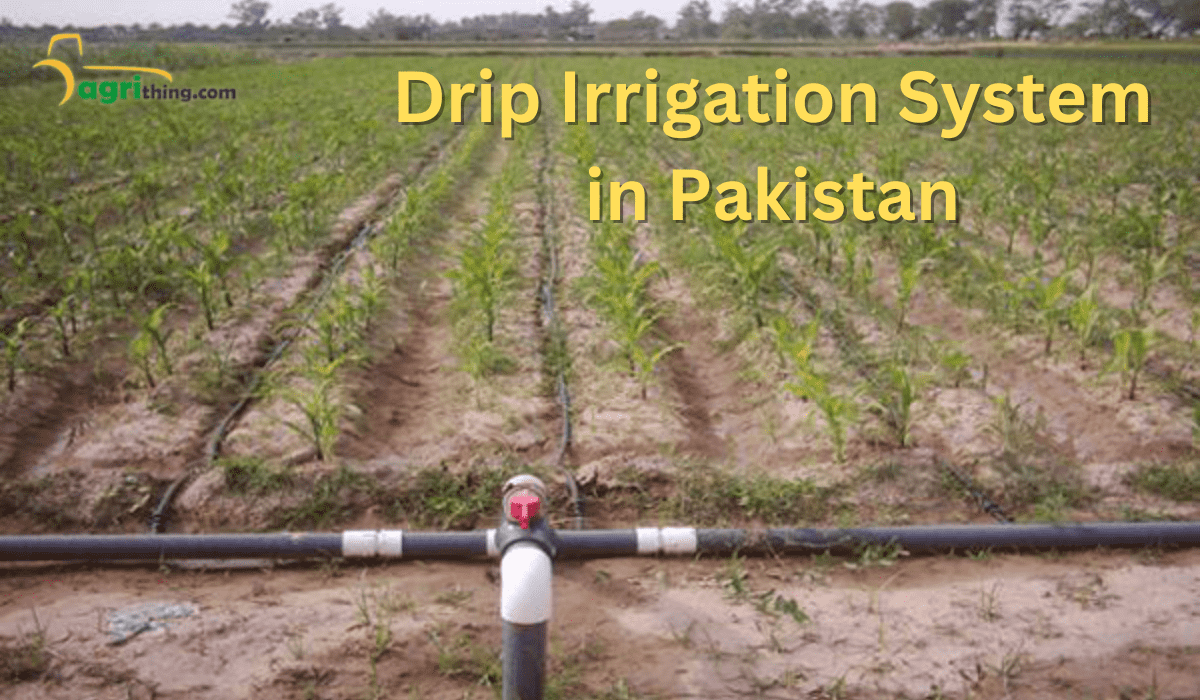
    Hydroponics is an excellent way to grow plants using water instead of soil. Drip irrigation is a unique method of providing water to the plants. It’s like giving them a little drink through tiny tubes. This article will provide more information about the Drip Irrigation system in Pakistan and how it contributes to the growth of plants in hydroponic systems. You will also learn how to establish and maintain a drop-by-drop irrigation system for your hydroponic garden.


    What is Hydroponic?

    Have you ever heard of growing plants without using soil? It’s called hydroponics, and it’s fantastic! An essential aspect of hydroponics in Pakistan is providing plants with water and nutrients uniquely through a drip irrigation system. It’s like giving them a drink directly to their roots. This article will teach you about the importance of the drip irrigation system in Pakistan and how it helps plants grow strong and healthy.


    What is Drip Irrigation?

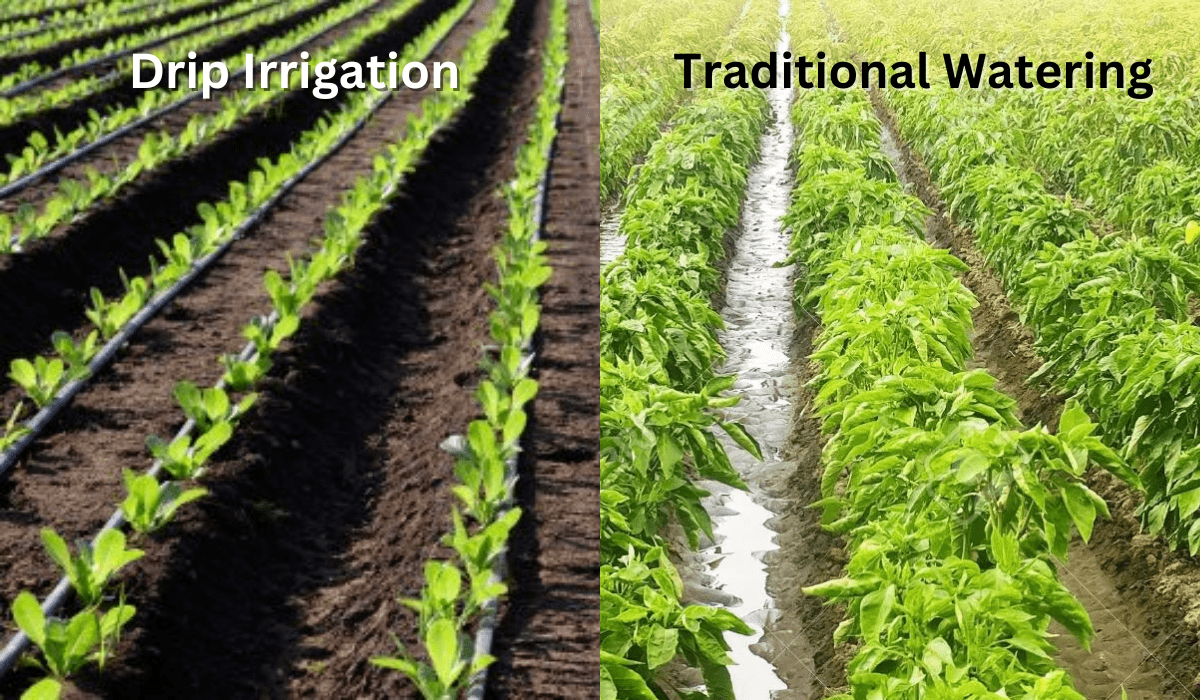
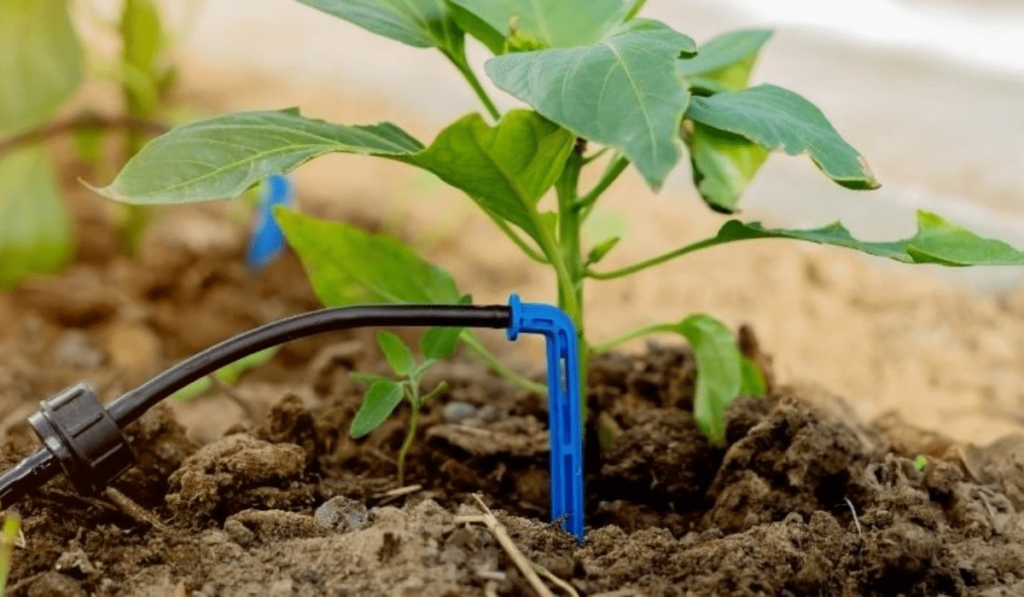
    Do you know how plants are usually watered in Pakistan? Well, there’s a unique method called the drip irrigation system in Pakistan. Instead of flooding the entire area, water is delivered slowly and directly to the plants’ roots. It’s like giving them a little sip right where they need it. Trickle irrigation in Pakistan saves water, keeps plants healthy, and enables them to absorb all the necessary nutrients for growth.
    Drip Irrigation

    Components of Drip Irrigation system

    A Drop-by-drop irrigation system consists of the following components:

    Water Source: A reliable water supply, such as a reservoir or water connection, is required for a Micro-irrigation system.

    Pump: A pump may be necessary for larger setups to maintain proper water pressure and flow rate.

    Filters: Filters remove debris, sediment, and other impurities that could clog the drip emitters.

    Mainline: The mainline carries water from the source to the irrigation zone.

    Distribution Lines: These lines deliver water from the mainline to the plants, often using polyethylene tubing.

    Emitters: Emitters are devices that control the flow rate and distribute water to individual plants.

    Timer or Controller: A timer or controller automates the irrigation schedule and ensures consistent watering.


    Variations of the Drip System:

    Depending on how excess water is managed, drip systems have two main variations. These variations can be implemented in various configurations to suit specific circumstances.

    Recirculating/Recovery Systems:

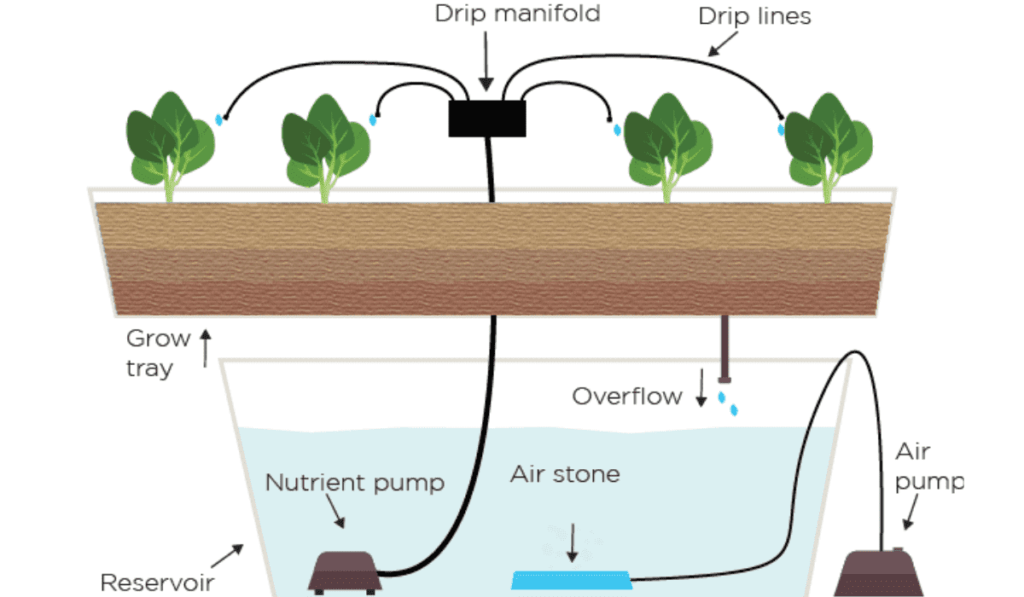
    In drip hydroponic systems, only some of the water added to the growing medium is absorbed by the plant roots. There are two main variants of drip irrigation system in Pakistan based on how they handle this excess water. One variant is the recovery system, commonly used in smaller, home-based setups.

    In a recovery system, the excess water in the growing medium can flow back into the reservoir. This approach is known for its efficient use of water and nutrients. However, it also has some disadvantages.

    In the context of drip irrigation systems in Pakistan, one drawback is that the wastewater flowing back to the reservoir can affect the pH level of the water. Hence, regular maintenance is necessary for recovery systems. In Pakistan’s drip irrigation system, it is important to periodically check the reservoir water to ensure optimal pH and nutrient levels. Fortunately, this task is easier and more cost-effective, especially in smaller drip systems implemented in Pakistan.

    Non-Recovery/Non-Circulating System:

    In this type of drip system,

    Known as the waste or non-recovery system, any extra water is discarded. Usually, wasting water and nutrients is not desirable, but drip systems are already highly efficient in water conservation, so the amount of waste is manageable.

    Large farms and gardens often utilize this system. The individuals managing extensive plantations can use advanced timers to control the water supply, saving time precisely.

    There’s another reason why the drip irrigation system in Pakistan is excellent for large farms. It requires less maintenance for the water tank. There’s no need to worry about recycled water altering the tank’s acidity level or nutrient composition.

    In summary, the waste system is suitable for large farms because it helps save water and simplifies water tank maintenance.


    Best plants for a drip irrigation system

    A drip system is highly beneficial for cultivating various plants and herbs, providing precise control over water and nutrient distribution. It is compatible with different growing media, further expanding its versatility.

    Here is a list of plants that thrive in a hydroponic drip system:

    1. Lettuce
    2. Leeks
    3. Onions
    4. Melons
    5. Peas
    6. Tomatoes
    7. Radishes
    8. Cucumbers
    9. Strawberries
    10. Zucchini
    11. Pumpkins

    Drip systems are particularly advantageous for larger plants that require substantial amounts of moisture. By using a slow watering method, these plants can receive adequate hydration and nutrition within a drip setup.

    When implementing a drip irrigation system in Pakistan, using a slow-draining medium to achieve optimal outcomes is advisable. The most popular options in this category, such as Rockwool, peat moss, and coconut coir, are commonly used. However, drip irrigation system in Pakistan, alternative media like clay pellets, perlite, and gravel can also be employed successfully for effective plant growth.


    Drip Irrigation in Hydroponic Systems

    Hydroponics and the Drip Irrigation System in Pakistan make a great team because they work together well. Trickle irrigation helps plants in hydroponic systems in Pakistan grow better and stay healthy. It’s like giving the plants in the drip irrigation system in Pakistan exactly the right amount of water they need, and it helps them grow faster and more robust.

    Advantages of Drip Irrigation in Hydroponics

    Nutrient Delivery: Drop-by-drop irrigation systems are like magic tubes that deliver water and particular nutrients to the plant’s roots. This makes the plants happy and healthy, helping them grow strong and absorb all the good stuff they need to grow big and strong.

    PH and EC Management:

    Micro-irrigation in the drip irrigation system in Pakistan lets us quickly adjust the water’s pH and electrical conductivity levels to make it suitable for plants. This capability helps create the perfect environment for the plants in Pakistan’s drip irrigation system to grow happily and healthily. It’s like giving them a cozy home in Pakistan with just the right conditions!

    Reduced Water Usage:

    Did you know that the drip irrigation system in Pakistan, especially in hydroponics, helps save a lot of water? It’s much better than other systems that use excessive amounts of water. With micro-irrigation, we can provide the plants in Pakistan’s drip irrigation system with the precise amount of water they need to stay hydrated and healthy. It’s like a unique water-saving superpower.

    Considerations for Drip Irrigation in Hydroponics

    While Drop-by-drop irrigation offers numerous advantages, specific considerations are essential for successful implementation in hydroponic systems.

    System Design:

    When setting up our plant system, we have to think about important things like how much space each plant needs, where to put the water tubes, and what each type of plant likes. This helps us ensure that every plant gets what it needs to grow strong and happy!

    Nutrient Delivery:

    We must be careful and ensure our plant food has all the right stuff in it. Each plant is like a special friend and needs different things to grow well. So, we mix up exceptional plant food with exactly what each plant needs. This helps them stay healthy and grow super tall!

    Regular Maintenance:

    We must also take care of our drip irrigation system in Pakistan and the plant water system. We have to clean the little parts of the drip irrigation system in Pakistan that give water to the plants and ensure they’re not blocked. This way, the water can always reach the plants in the drip irrigation system in Pakistan, and they’ll be happy and hydrated!


    Setting up a Drip Irrigation System for Hydroponics
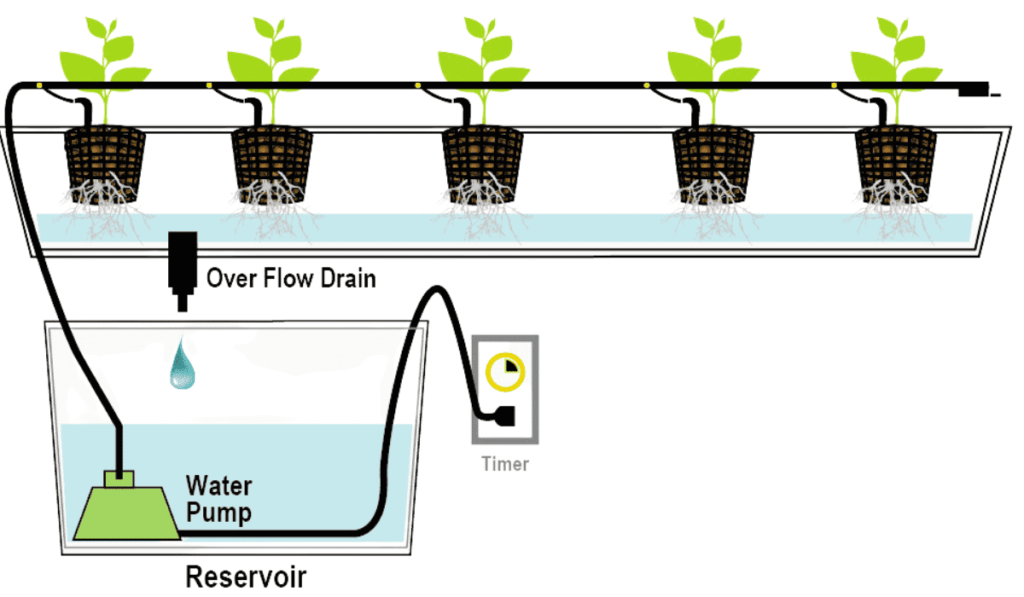
    To set up a drip irrigation system in Pakistan for hydroponics, several steps should be followed to ensure an efficient and effective setup.

    Choosing the Right Drip Irrigation System

    When selecting a drip irrigation system in Pakistan, consider the following factors:

    Flow Rate and Pressure:

    When picking the special water sprinklers for your plant system, choose the ones that match how much water you want to give and how strong the water should come out. It’s like finding the perfect sprinkler for your garden.

    Emitter Spacing:

    Did you know that each type of plant likes to have its own space to grow? It’s true! When we set up our plant water system, we must choose suitable sprinklers and tubes that match how much space each plant needs.

    Durability:

    We must choose solid and strict parts when assembling our plant water system. These parts can handle challenging situations in our unique plant home. This way, our plant system will stay strong and keep working well, no matter what!

    Designing the System Layout

    Designing an appropriate layout is essential for optimizing water distribution and minimizing wastage. Consider the following aspects:

    Plant Spacing:

    Determine the spacing between plants and adjust the emitter and distribution line placement accordingly.

    System Zoning:

    Divide the hydroponic setup into irrigation zones based on plant varieties, growth stages, or specific water requirements.

    Water Source Location:

    Place the water source and pump near the irrigation system for easy access and maintenance.

    Installing and Maintaining the System

    Proper installation and regular maintenance are crucial for the long-term success of a drip irrigation system.

    Installation:

    Follow manufacturer guidelines and ensure proper connection of all components, including filters, mainlines, distribution lines, and emitters.

    Flushing and Cleaning:

    Regularly flush the system to prevent clogging and clean filters and emitters to maintain optimal water flow.

    Periodic Inspections:

    Check for leaks, damaged components, or any signs of reduced water flow. Address issues promptly to avoid crop damage.

    Best Practices for Drip Irrigation in Hydroponics

    To maximize the benefits of Micro-irrigation in hydroponics, following best practices for efficient water and nutrient management is essential.

    Monitoring and Adjusting Irrigation Levels

    Regularly monitor soil moisture levels and adjust the irrigation schedule accordingly. Factors such as plant growth stage, temperature, and humidity influence water requirements.

    Proper Water Filtration

    Install and maintain appropriate filters to remove waste, deposits, and other impurities that can clog emitters. Clean or replace filters as needed to ensure uninterrupted water flow.

    Preventing Clogging and Algae Growth

    We must take some special steps to keep our drip irrigation system in Pakistan healthy and clean. First, we use filters to catch unpleasant things that could stop our system. Then, we flush out the system with water regularly to keep it fresh and clean. We also treat the water with great stuff to ensure no icky algae grows. These steps help our plants stay happy, and our water system works smoothly.


    Pros and Cons of Drip Irrigation for Hydroponic Systems
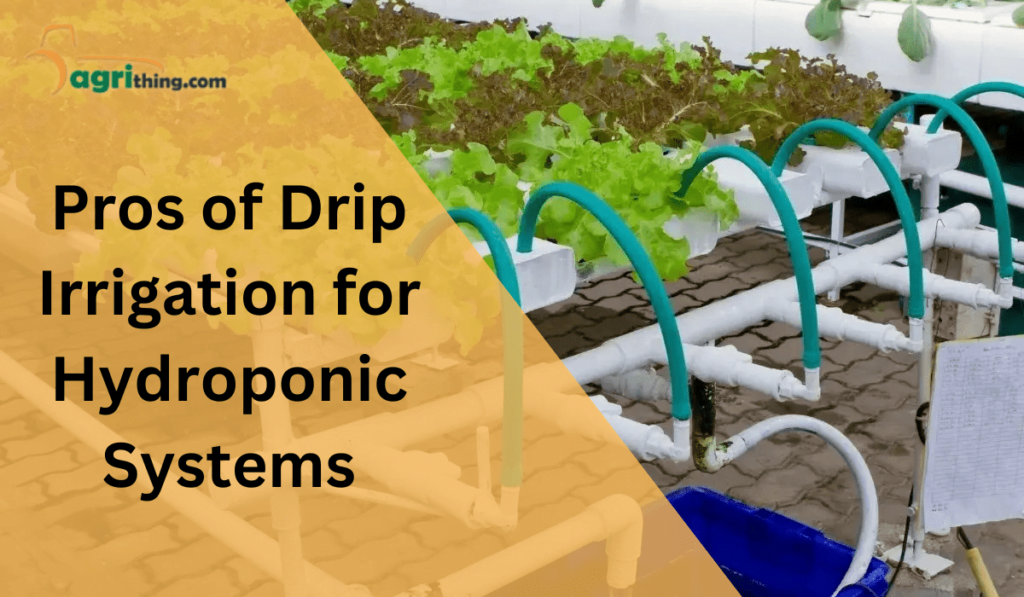
    ProsCons
    Precise water and nutrient delivery to plantsInitial setup costs can be higher than other systems
    Efficient water usage, reducing wasteRequires regular maintenance and monitoring
    Reduced risk of overwatering and waterloggingPotential clogging of drip emitters
    Lower labor requirements for wateringRequires a reliable water source
    Flexibility in adjusting water and nutrient deliverySensitivity to water quality and pH
    Minimizes the risk of foliar diseasesRequires proper filtration to prevent clogs
    Suitable for a wide range of plant types and sizesPotential uneven distribution of water and nutrients
    Can be automated for consistent and precise irrigationNot suitable for certain crop varieties

    Conclusion

    Drip irrigation System in Pakistan is a superb way to water plants in a specific plant home. It delivers clean water and nutrients right where the plants need them and helps save water too! Using Micro-irrigation makes plants grow well and saves resources. If we learn about the essential parts and factors to consider, we can use the drip irrigation system in Pakistan in our plant home and experience all its benefits.

    Get your 8/12 PVC Branch Pipe Micro Spray for Drip Irrigation, Garden Irrigation, and more at Agricomplex. Don’t wait, shop now!

    Drip Irrigation
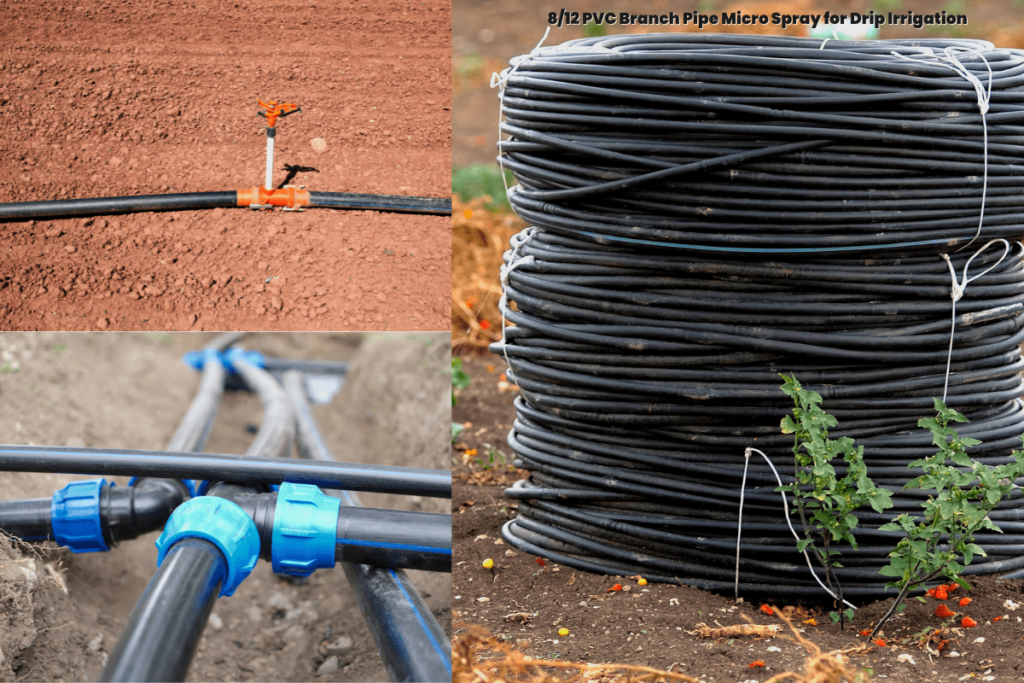
    8/12 PVC Branch Pipe

    Frequently Asked Questions (FAQ’s)

    Can drip irrigation be used for all types of plants in hydroponics?

    Customization of Micro-irrigation systems is essential to meet the specific requirements of different plant varieties in hydroponics.

    How often should I water my hydroponic plants using Drop-by-drop irrigation?

    Monitor soil moisture levels and adapt watering frequency based on plant species, growth stage, and environmental conditions.

    Is drip irrigation expensive to set up in hydroponics?

    The initial investment in a Micro-irrigation system for hydroponics may vary, but its long-term water and resource-saving advantages surpass the costs.

    Can I reuse the nutrient solution with drip irrigation in hydroponics?

    Regular monitoring and adjustment of nutrient levels are essential for maintaining optimal plant nutrition through recirculating and reusing nutrient solutions in Micro-irrigation.

    Can I automate a drip irrigation system for hydroponics?

    Micro-irrigation systems can be automated using timers or controllers. Automation allows for precise control over watering schedules and ensures consistent delivery of water and nutrients.


    People Also Ask

    How does drip irrigation work in hydroponic systems?

    Drip irrigation in hydroponic systems involves delivering nutrient-rich water directly to the plant roots through a network of tubes with emitters.

    What are the benefits of using drip irrigation in hydroponic cultivation?

    The benefits of using Micro-irrigation in hydroponic cultivation include:
    Efficient water and nutrient delivery.
    Reduced water usage.
    Minimized nutrient waste.
    Improved plant growth and yield.

    Can drip irrigation be used for all types of hydroponic plants?

    Dip irrigation can be used for all hydroponic plants, providing clear water and nutrient delivery to support their growth.

    What is the recommended drip irrigation system for hydroponics?

    The recommended Micro-irrigation system for hydroponics is a well-designed system with quality components, such as pressure-compensating emitters and a reliable timer, tailored to the specific needs of the cultivated plants.

    How often should I water my hydroponic plants with drip irrigation?

    Hydroponic plants with Drop-by-drop irrigation should be watered regularly, typically 2-4 times daily, depending on the specific plant’s needs and environmental conditions.
  • Boost Your Garden: Master Winterize Drip Irrigation

    Boost Your Garden: Master Winterize Drip Irrigation

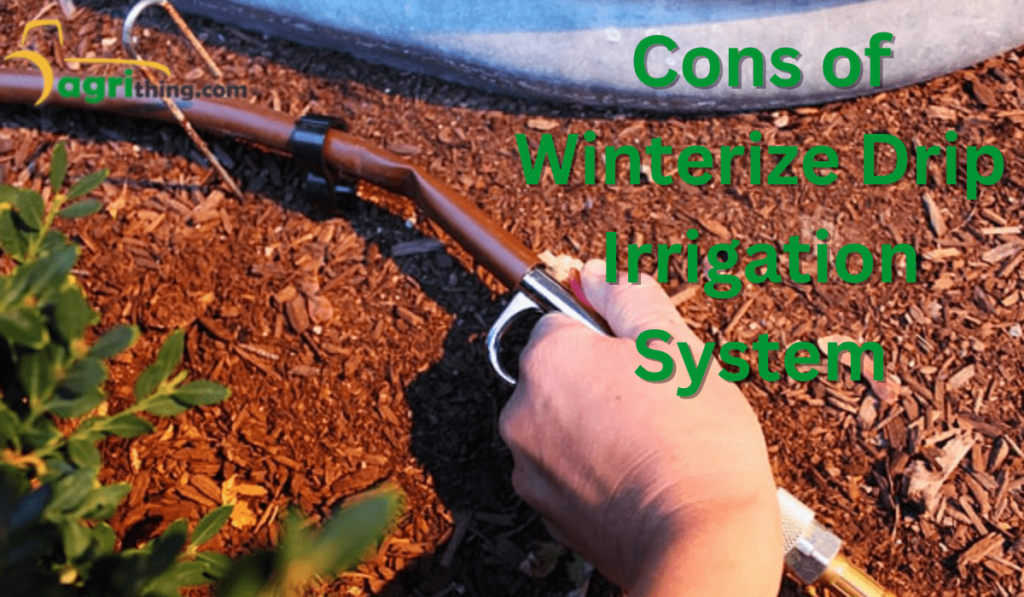
    Winter can be tough on your winterize drip irrigation system if you don’t get it ready for the cold weather. When it freezes, the pipes can burst and ruin your system. This means you’ll have to spend a lot of money to fix it in the spring. To prevent these problems and make sure your irrigation system lasts a long time, it’s really important to prepare it for winter before the first frost comes. In this article, we’ll explain the step-by-step process of getting your winterize drip irrigation system. By doing this, you can protect your investment and be prepared for the next growing season.


    Drip Irrigation Introduction

    Drip irrigation is a smart way to water plants by providing them with water directly at their roots. It saves water, prevents weed growth, and promotes plant health. However, during winter, the freezing cold can pose a threat to various components of the system, such as pipes, valves, and emitters. That’s why it’s crucial to prepare your winterize drip irrigation system for winter. This process, known as winterizing, is essential for safeguarding the system from damage and ensuring its optimal performance when spring arrives.


    Turn off the Water Supply in winterize drip irrigation

    To prepare your winterize drip irrigation system for winter, follow these steps:

    1. Locate the main water valve that supplies water to your irrigation system and turn it off. This will halt the flow of water through the system and minimize the risk of freezing.
    2. After closing the valve, open all the faucets and low points in the system. This will facilitate the draining of any remaining water, preventing it from freezing and causing potential damage.

    Clear the Lines of drip irrigation system winterize

    To prevent damage caused by freezing water in the lines, it is necessary to remove any remaining water. A highly effective method is to utilize compressed air.

    Connect an air compressor to the mainline or the point of connection and gradually increase the pressure to expel the water through the open taps. It is crucial to adhere to the manufacturer’s instructions regarding air pressure to avoid any harm to the system.

    Furthermore, you can enhance the protection of your drip system by installing a drain valve at the lowest point. By opening the drain valve, you can ensure the complete removal of any remaining water from the lines. This guarantees that your system is entirely free from water, significantly reducing the risk of freezing and potential damage.


    Remove and Store Emitters of drip irrigation

    Remove all the emitters from your winterize drip irrigation system. These small devices are susceptible to damage in freezing temperatures. Clean the emitters by soaking them in warm water and delicately scrubbing off any dirt or debris. Once cleaned, ensure they are thoroughly dry and store them in a sealed container or a plastic bag to protect them from dust and moisture. Remember to label them for easy identification when reinstalling them in the spring.


    Pros and Cons of Winterize Drip Irrigation System

    ProsCons
    Protects the system from freezing and damage during winterRequires time and effort to complete the winterization process.
    Prevents water waste by draining the systemIt may require purchasing additional materials or equipment for winterization
    Extends the lifespan of the system componentsMay require professional assistance for complex systems or larger setups
    Reduces the risk of leaks and water damage due to freezingMay need to flush the system, which uses water
    Saves money on repairs and replacements.May need to remove or store certain system components temporarily
    Ensures a smooth start-up and operation in the following springIt may disrupt the watering schedule during the winter season
    Protects plants and vegetation from cold and frost damageIt may not be necessary for regions with mild or no freezing temperatures

    Protect the Valves of the irrigation system

    Protecting the valves in your winterize drip irrigation system from freezing is of utmost importance. Start by insulating the valve boxes using foam insulation. This will help maintain a stable temperature and prevent freezing. Next, wrap the valves themselves with insulation tape or foam pipe insulation. This additional layer of protection safeguards the valves from freezing and the potential risk of cracking.


    Insulate the Pipes

    To prevent freezing and mitigate potential damage in your winterize drip irrigation system, follow these steps:

    1. Apply pipe insulation sleeves to all exposed pipes. Make sure to cover the mainline, lateral lines, and distribution lines. This insulation helps maintain the temperature and prevents freezing.
    2. Consider using heat cables specifically designed for irrigation systems. These cables provide a consistent heat source to prevent freezing, especially in extremely cold temperatures.
    3. You can find insulation sleeves and heat cables at hardware stores. They are readily available and accessible.
    4. Installation of insulation sleeves and heat cables is relatively simple and can be done with ease.

    By following these steps, you can provide an extra layer of protection to your winterize drip irrigation system and safeguard it from freezing and potential damage.


    Cover the System

    Protect your winterize drip irrigation system during winter by adding a layer of cover. Use organic mulch or straw to wrap the pipes and valves that are exposed. These natural materials help keep the system warm and prevent freezing. You can also create a protective enclosure around the system using plastic or plywood. This enclosure offers more insulation and shields the system from bad weather.


    Regular Maintenance During Winter

    Even though you’ve taken the necessary steps to winterize your winterize drip irrigation system, it’s important to perform regular maintenance throughout the winter months. Periodically inspect the system for any signs of damage or leaks.

    Remove any snow or waste that may get on top of the cover or section. This aggressive approach secures that your system remains in good condition and helps you identify and address any issues before they escalate.


    Spring Startup

    StepsBenefits
    Reconnect the emitters and valves that were removed and stored during winterizeRestores the functionality of the system.
    Ensure all connections are secure and check for leaksAllows an efficient water delivery to plants Prevents water wastage and potential damage to the system
    Flush the system thoroughly to remove debris and sediment that may have accumulated during winterizePromotes efficient water flow and prevents potential

    Conclusion

    Winterizing your drip irrigation system is a crucial step in maintaining its longevity and optimal performance. By following the steps outlined in this article, you can protect your system from freezing temperatures, prevent damage, and be prepared for the next growing season. Remember to turn off the water supply, clear the lines, remove and store emitters, protect the valves, insulate the pipes, cover the system, perform regular maintenance, and conduct a thorough spring startup. By taking these measures, you’ll ensure that your winterize drip irrigation system continues to deliver water efficiently and effectively.


    Upgrade Your Irrigation System with 8/12 PVC Branch Pipes Today!

    Drip irrigation system

    8/12 PVC Branch Pipe

    Frequently Asked Questions (FAQ’s)

    Can I use antifreeze in my drip irrigation system?

    No, it is not recommended to use antifreeze in your drip irrigation system. Antifreeze can be harmful to plants and the environment. It’s best to follow the winterization steps outlined in this article to protect your system.

    How often should I check my system during winter?

    It’s a good practice to check your system at least once a month during winter. This allows you to identify any issues early on and take necessary actions to prevent damage.

    Can I winterize my drip irrigation system myself, or should I hire a professional?

    Winterizing your drip irrigation system can be done yourself, especially if you’re familiar with the components and steps involved. However, if you’re unsure or don’t have experience, it’s recommended to hire a professional to ensure proper winterization.

    What if I live in a region with mild winters? Do I still need to winterize my system?

    Even in regions with mild winters, it’s still a good idea to winterize your system. Sudden drops in temperature or unexpected frost can occur, which can damage your system. It’s better to be safe and protect your investment.

    Is it necessary to remove all the water from the system during winterization?

    Yes, it’s important to remove as much water as possible from the system during winterization to prevent freezing. Any remaining water can expand when frozen and cause pipes to burst. Properly clearing the lines and using compressed air are effective methods to remove water.


    People Also Asked

    How often should I winterize my drip irrigation system?

    You should winterize your drip irrigation system once a year before the winter season begins

    What are the steps to winterize a micro irrigation system?

    To winterize your drip irrigation system, follow these steps:
    a. Turn off the water supply to the system.
    b. Open all the valves and allow the water to drain from the system.
    c. Disconnect the drip tubing and remove any filters or pressure regulators.
    d. Store the disconnected components in a dry place.

    Can I use my drip irrigation system during winter?

    It is generally not recommended to use a micro irrigation system during winter, as freezing temperatures can damage the system and its components.

    Do I need to drain the water from my drip irrigation system before winter?

    Yes, it is important to drain the water from your drop irrigation system before winter. This helps prevent freezing and damage to the system.

    Should I remove the drip emitters during winter?

    It is a good idea to remove the drip emitters from your system during winter. This ensures that water doesn’t remain trapped in the emitters, which can freeze and cause damage.

  • Masterful Drip Irrigation System Installation: Ultimate Guide

    Masterful Drip Irrigation System Installation: Ultimate Guide

    The drip irrigation system is the answer if you’re looking for an efficient and water-saving method to irrigate your garden or farm. Drip irrigation, or micro-irrigation, uses a network of tubes or pipes to deliver water directly to the plant’s root zone. Unlike traditional sprinkler systems that spray water over a large area, drip irrigation provides water precisely where needed, minimizing evaporation and runoff. Drip irrigation has numerous benefits, including water conservation, improved plant health, and reduced water waste. This ultimate guide will walk you through the drip irrigation installation process, covering everything from the basics to advanced tips and techniques.


    What is Drip Irrigation?

    Drip irrigation is a fantastic and highly efficient method of irrigation that offers targeted watering. This irrigation system utilises a well-designed network of tubes or pipes to deliver water directly to the plant’s root zone. Unlike traditional sprinkler systems, drip irrigation ensures water is supplied precisely where needed, reducing evaporation and minimising runoff. Proper drip irrigation system installation is crucial for optimising water usage and promoting plant health.

    Drip Irrigation

    Save water with Drip Irrigation

    Efficient Water Delivery:

    Drip irrigation delivers water directly to plant roots, minimizing wastage. The water is released drop by drop, ensuring efficient utilization.

    Precise Targeting:

    Drip irrigation directly targets the plant’s roots, unlike traditional sprinklers. Water goes where needed, avoiding unnecessary watering of surrounding areas, thus conserving water.

    Easy Setup and Maintenance:

    Setting up a drip irrigation system is simple. Attach a hose to a water source and connect small tubes with tiny holes near the plants. This user-friendly system requires minimal maintenance.

    Water Conservation:

    Drip irrigation prevents runoff and reduces evaporation, conserving water resources. It keeps the soil consistently moist without water loss, leading to significant water savings.

    Weed Reduction:

    Drip irrigation deprives weeds of the moisture they need to grow by delivering water directly to plant roots. This aspect reduces weed growth, minimizing the need for manual weeding.


    Advantages of Drip Irrigation

    Water Efficiency:

    Drip irrigation can reduce water usage by up to 50% compared to traditional sprinkler systems. The water is delivered directly to the roots, minimizing evaporation and wind drift losses.

    Improved Plant Health:

    Drip irrigation ensures that plants receive a consistent and controlled water supply by delivering water directly to the root zone. This promotes healthier root development and reduces the risk of diseases caused by overwatering or moisture imbalance.

    Weed and Disease Control

    Since the water is targeted at the plants’ roots, there is minimal water contact with the surrounding soil, reducing weed growth and the spread of foliar diseases.

    Soil Erosion Prevention

    Drip irrigation applies water slowly and evenly, preventing soil erosion and nutrient leaching.


    Key Components of Drip Irrigation System

    Water Source

    This can be a tap, well, or water storage tank.

    Backflow Preventer

    A device that prevents water from flowing back into the main water supply, protecting the water source from contamination.

    Filter

    Removes debris and sediment from the water, preventing clogging of emitters and drippers.

    Pressure Regulator

    Maintaining consistent water pressure throughout the system prevents damage to the components.

    Tubing

    Carries water from the source to the emitters. Usually made of polyethylene or PVC.

    Emitters and Drippers

    Devices that release water at a slow and controlled rate. Depending on the specific watering needs, they can be adjustable or fixed flow.

    Connectors and Fittings

    Used to connect tubing, emitters, and other components.


    Planning and Designing a Drip Irrigation System

    The following table’s parameters are considered when designing a Drip Irrigation system.

    ParameterDefinitionMeasurementUnits
    Q
    Dripper flow rate
    Amount of water provided by the dripper at a given time unit during the irrigation processl/hr – litres per hour
    DDistance between drippersDistance between two drippers on a
    distribution pipe
    m – meters
    EDistance between dipperlinesDistance between two dipperlinesm- Parameters
    PrPrecipitation rateAmount of water per Area for a specified period of timemm/hr millimeter per hour
    HIRHourly irrigation rateQuantity of water the system will irrigate during one hour for a specified Aream3/Ha/hr – cubic meter per
    DWRDaily water requirementQuantity of water the corp requires per day based on Pan evaporationmm/d – millimeters per day,
    or m3/Ha/d -cubic metre per
    TIrrigation timeQuantity of water the corp requires per day based on Pan evaporationhr- hour
    SShift numberShift number of each irrigation shift into which the irrigation time is requiredInteger
    NDaily shift hourShift the number of each irrigation shift into which the irrigation time is requiredh- hour

    Steps for Designing a Drip Irrigation System

    Designing a drip irrigation system involves several essential steps to ensure its effectiveness and efficiency. Let’s explore each step in detail.

    Assessing Water Source and Requirements:

    Before proceeding with drip irrigation installation and design, assessing the water source’s capacity and availability is crucial.

    Mapping the Area to be Irrigated:

    Create a map or layout of the area you intend to irrigate. Identify the plant locations, their water requirements, and any potential obstacles.

    Choosing the Right Components:

    Based on your water source, map, and plant requirements, select the appropriate components, such as tubing, emitters, fittings, filters, and regulators.

    Determining the Layout Plan:

    Determine the system’s layout, including the mainline, sub-mainlines, and lateral lines. Ensure proper water distribution to all plants.

    Calculating Water Flow and Pressure:

    Several factors should be considered, including elevation changes and the number of emitters in the system. This information is crucial for an effective drip irrigation design and ensuring the system delivers water efficiently to the plants.

    Selecting Emitters and Drippers:

    Choose suitable emitters and drippers based on plant types, water requirements, and soil conditions. Consider adjustable emitters for areas with varying water needs.

    Develop an Irrigation Schedule:

    Based on plant water requirements, climate, and soil conditions. Consider using a timer or intelligent controller for automated scheduling.

    Installing the System:

    Follow the manufacturer’s instructions to install the mainline, sub-mainlines, lateral lines, emitters, and other components. Ensure proper connections and secure placement.

    Testing and Adjusting:

    After installation, test the system for leaks, proper water distribution, and coverage. Make necessary adjustments to achieve uniform watering.

    Maintenance and Troubleshooting:

    Regular maintenance is essential to ensure efficient operation and cost-saving benefits of a drip irrigation system. By prioritizing drip irrigation maintenance and troubleshooting, you can maximize the system’s lifespan and enjoy long-term cost savings.


    How to Troubleshoot your Drip Irrigation system?

    ProblemCaused BySolution
    Leaks in the systemImproper connections or damaged componentsCheck all connections for leaks and tighten them if necessary. Replace damaged components.
    Uneven water distributionClogs in emitters or uneven pressureClean or replace clogged emitters. Ensure consistent water pressure throughout the system.
    Insufficient water flowInadequate water source or clogged filtersCheck the water source capacity and flow rate. Clean or replace clogged filters.
    Emitter or dripper blockagesSediment or debris in the waterFlush the system to remove sediment and debris. Install filters to prevent future blockages.
    Inadequate coverageIncorrect placement of emitters or lateral linesAdjust emitter spacing for better coverage. Ensure proper placement of lateral lines.
    Excessive water usage or wasteOverwatering or leaksFollow recommended watering schedules for plants. Regularly inspect the system for leaks.
    Pressure fluctuationInconsistent water supplyInstall a pressure regulator to maintain stable water pressure. Check for water source issues.
    System damage due to freezingFreezing temperaturesInsulate the system or use freeze-resistant components. Drain the system before winter.
    Emitters blow off tubingHigh pressure or improper installationInstall a pressure regulator to maintain a safe pressure level. Ensure proper installation of emitters.
    Emitters blow apartPressure too highInstall a pressure regulator to maintain a safe pressure level. Check and adjust pressure settings.
    Inadequate coverageIncorrect placement of emitters or lateral linesAdjust emitter spacing for better coverage. Ensure proper placement of lateral lines.
    Little or no water at top of hillRunning tubing up too steep a hillChange the configuration to run downhill. Adjust the slope of the tubing for proper water flow.

    The Cost of Drip Irrigation

    Worth the Investment

    Drip irrigation is a cost-effective investment considering the long-term savings, low maintenance requirements, and positive impact on plant health.

    Initial Investment

    Drip irrigation systems may require upfront costs for materials and installation, but the long-term benefits make it a worthwhile investment.

    Water Savings

    Drip irrigation reduces water usage compared to traditional methods, resulting in lower water bills and potential long-term savings.

    Maintenance and Efficiency

    Once installed, drip irrigation systems require minimal maintenance, saving time and effort. They also maximize water efficiency, making them environmentally friendly.

    Plant Health and Growth

    Precise water delivery to plant roots promotes healthier growth and reduces the risk of plant diseases, potentially saving money on replacements.


    Pros and Cons of Drip Irrigation System

    ProsCons
    Efficient water deliveryInitial investment cost
    Precise targeting of waterThe system can be complex for beginners
    Reduced water wastageRegular maintenance may be required
    Minimises evaporationPotential clogging of emitters
    Reduces weed growthRisk of damage from rodents or pests
    Customizable to plant needsDependency on a reliable water source
    Environmentally friendlyLimited coverage for larger areas
    Saves time and energyRequires proper planning and design

    Conclusion

    Implementing a drip irrigation system is a wise choice for anyone looking to water plants efficiently and conserve water resources. By understanding the principles of drip irrigation design and following proper installation techniques, you can establish an effective system that delivers water directly to the plant’s root zone. The advantages of utilizing drip irrigation include water savings, improved plant health, and reduced maintenance. Embracing the benefits of a drip irrigation system can make your gardening or farming practices more sustainable and environmentally friendly. Consider investing in drip irrigation to optimize water usage and promote the health and growth of your plants.

    Get your 8/12 PVC Branch Pipe Micro Spray for Drip Irrigation, Garden Irrigation, and more at Agricomplex. Don’t wait, shop now!

    Drip Irrigation System

    8/12 PVC Branch Pipe

    Frequently Asked Questions (FAQ’s)

    Is drip irrigation installation suitable for all types of plants?

    Drip irrigation suits many plants, including vegetables, flowers, and shrubs. It allows for precise water delivery, accommodating various watering needs.

    Can I install a drip irrigation system or need professional help?

    Establishing a drip irrigation system can be a DIY project, especially for smaller areas. However, larger or more complex systems may require professional assistance.

    How much water can be saved with a drip irrigation system?

    Drip irrigation can save up to 50% water compared to traditional spraying methods. The precise water delivery reduces wastage due to evaporation and runoff.

    Can I automate my drip irrigation system?

    You can automate your drip irrigation system using timers or intelligent controllers. This allows you to set watering schedules and conserve water even when you’re away.

    Are government incentives or rebates available for installing the drip irrigation method?

    Depending on your location, government incentives or rebates may be available for installing water-efficient irrigation techniques like drip irrigation. Check with local authorities or water agencies for more information.


    People Also Asked

    What are the benefits of drip irrigation installation?

    Drip irrigation installation offers water efficiency, improved plant health, reduced water waste, weed suppression, and easy installation and maintenance.

    How do I calculate the water flow rate and pressure for optimal drip irrigation system performance?

    Consider factors such as elevation changes and the number of emitters. Measure the flow rate in litres per hour (l/hr) or gallons per hour (mph). Determine the required pressure based on the specific emitters and plants being irrigated.

    What are the maintenance requirements for a drip irrigation setup?

    Regular maintenance for a drip irrigation system includes inspecting for clogs, leaks, and damaged components and cleaning filters and flushing the system periodically. Prompt repairs are necessary to prevent water waste and maintain optimal performance.

    What are some common issues in a drip irrigation network, and how can they be resolved?

    Common issues in a drip irrigation network include leaks and uneven water distribution. They can be resolved by checking and tightening connections, replacing damaged components, cleaning or replacing clogged emitters, and ensuring consistent water pressure throughout the system.

    How can drip irrigation help save costs?

    Drip irrigation saves costs by reducing water usage and bills, minimizing labour and maintenance requirements, and promoting efficient water usage and plant health.

  • Easy DIY Drip Irrigation: Step-by-Step Guide

    Easy DIY Drip Irrigation: Step-by-Step Guide

    DIY Drip irrigation is a highly efficient and water-saving method of watering plants in your garden or landscape. By delivering water directly to the root zone of plants, it minimizes water waste and ensures that plants receive the precise amount of water they need for healthy growth. In this step-by-step tutorial, we will guide you through the process of setting up your own drip irrigation system, allowing you to save time, conserve water, and maintain a thriving garden.


    Introduction to DIY drip irrigation

    DIY Drip irrigation is a method of irrigation that involves the slow and controlled application of water directly to the root zone of plants. Unlike traditional overhead sprinkler systems, which can result in water loss through evaporation and runoff, drip irrigation delivers water efficiently and precisely, minimizing waste and maximizing plant health.


    Benefits of drip irrigation

    Drip irrigation offers numerous benefits for both gardeners and plants. Some key advantages include:

    Water efficiency:

    Drip irrigation uses water more efficiently than other irrigation methods, reducing water waste and promoting conservation.

    Targeted watering:

    Water is delivered directly to the root zone of plants, minimizing water loss due to evaporation and ensuring that plants receive the right amount of water.

    Reduced weed growth:

    By delivering water only where it’s needed, drip irrigation helps prevent weed growth in areas between plants.

    Disease prevention:

    Drip irrigation keeps foliage dry, reducing the risk of plant diseases caused by wet leaves.

    Time savings:

    Once set up, drip irrigation systems require less maintenance and manual effort compared to hand watering or sprinkler systems.


    Pros and Cons of DIY Drip Irrigation

    ProsCons
    Efficient water usageInitial setup can be time-consuming.
    Customizable to specific plant needsRequires regular maintenance and monitoring
    Reduces water wastePotential for clogging or leakage in the system
    Saves time and effort in wateringThe Initial cost of materials and equipment
    Promotes healthier plant growthRequires knowledge of system design and setup

    DIY Drip Irrigation: Step-by-Step 

    Assess your garden’s needs:

    Determine the specific water requirements of your plants, including their spacing and size. This will help you determine the number and placement of drip emitters.

    Create a layout:

    Sketch a garden diagram indicating the location of plants, water source, and main line. Plan the tubing route, ensuring efficient water distribution and minimal pressure loss.

    Choose the correct components:

    Select drip emitters, tubing, connectors, and other necessary components based on your garden’s layout and water requirements. Ensure compatibility and durability of the chosen components.

    Install the system:

    Start by connecting the main line to the water source, then lay out the tubing, placing drip emitters at appropriate intervals. Secure all connections and thoroughly test to check for leaks or issues.

    Monitor and adjust:

    Inspect the system for leaks, clogs, or uneven water distribution. Adjust as needed to ensure all plants receive adequate water. Check the emitters for clogs, observe the water distribution pattern, and modify the flow rate if necessary.

    Testing and adjusting the system:

    Once the system is connected, turn on the water supply and observe the performance of the drip emitters. Adjust the water flow or emitter positions to ensure even watering throughout the garden.

    Maintaining your drip irrigation system:

    Regular maintenance is essential for the longevity and effectiveness of your drip irrigation system. Some maintenance tasks include inspecting and cleaning filters, checking for leaks, and replacing damaged emitters or tubing.

    Troubleshooting common issues:

    Drip irrigation systems occasionally need help with problems despite their efficiency. Some common issues include clogged emitters, leaks, and uneven water distribution. This section will provide troubleshooting tips and solutions to address these challenges.


    Drip irrigation system components Equipment

    The components of a drip irrigation system include:

    1. Tubing
    2. Emitters (such as drippers or sprayers)
    3. Connectors
    4. Caps
    5. Pressure regulators (if needed)
    6. Timers (optional)
    7. Stakes or clips for securing the tubing
    8. Water source (such as a garden hose)

    Tips for maximizing the effectiveness of your drip irrigation system

    1. Mulch around plants to reduce evaporation and weed growth.
    2. Schedule irrigation during the early morning or late evening to minimize water loss due to evaporation.
    3. Regularly monitor plant health and adjust watering schedules as needed.
    4. Conduct periodic inspections of the system to identify and address any issues promptly.

    Drip irrigation vs soaker hose: which is better?

    The choice between drip irrigation and a soaker hose depends on factors such as the specific needs of your garden and personal preferences. Drip irrigation offers precise and targeted watering, ideal for individual plants, while a soaker hose provides even and gentle watering along a larger area. Consider factors like plant types, water requirements, and garden layout to determine which option is better suited for your needs.


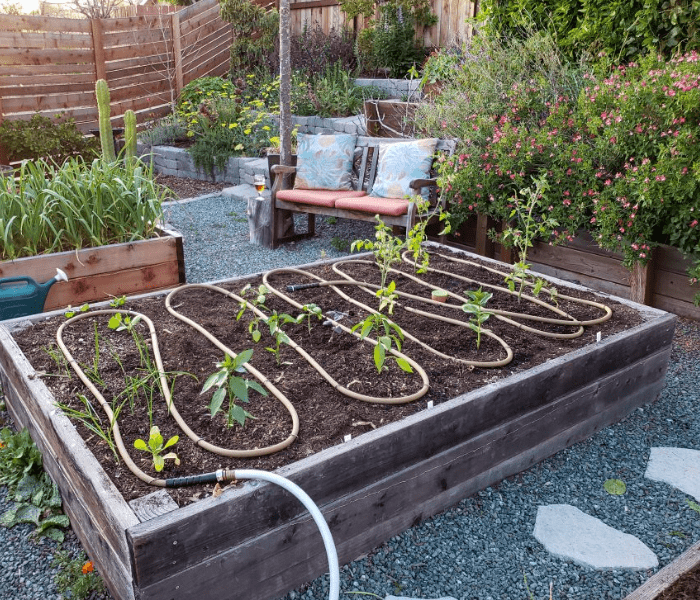
    DIY drip irrigation for small gardens

    Use a compact drip irrigation kit with adjustable emitters for DIY drip irrigation in small gardens. Lay out the main tubing along the planting areas, insert emitters near each plant, and secure the tubing with stakes or clips. Regularly monitor and adjust the system to meet the specific water needs of your plants.


    DIY Drip irrigation for container plants

    Drip irrigation can be used for container plants by inserting emitters directly into the soil or using a drip system designed specifically for containers. Ensure proper spacing of emitters, monitor soil moisture levels, and adjust watering frequency based on the specific needs of the container plants.


    DIY drip irrigation for flower beds

    DIY drip irrigation for flower beds

    For DIY drip irrigation in flower beds, lay out the main tubing along the bed’s length, position emitters near each plant, and secure the tubing with stakes. Adjust the system as flowers grow, monitor moisture levels, and enjoy efficient and targeted watering for your flower beds.


    Drip System Maintenance

    To maintain a drip irrigation system, regularly check for leaks or clogs in the tubing, clean or replace emitters as needed, monitor water pressure, and adjust the system to accommodate plant growth. Additionally, flush the system periodically, inspect filters for debris, and ensure proper drainage to prevent waterlogging and root rot.


    Troubleshooting

    When troubleshooting, identify the issue by observing the symptoms, examine the affected components for damage or malfunction, and systematically check for possible causes such as clogs, leaks, or electrical problems. Then, take appropriate steps to resolve the issue, including cleaning or replacing parts, adjusting settings, or seeking professional assistance.


    Conclusion

    By following this step-by-step tutorial, you can successfully create your own DIY drip irrigation system. With its water-saving benefits and targeted watering approach, drip irrigation offers an efficient and environmentally friendly way to maintain a healthy garden or landscape. Enjoy the convenience and effectiveness of this system while conserving water resources.

    Get your 8/12 PVC Branch Pipe Micro Spray for Drip Irrigation, Garden Irrigation, and more at Agricomplex. Don’t wait, shop now!

    DIY Drip Irrigation

    8/12 PVC Branch Pipe
    A Perfect Fit: 8/12 PVC Branch Pipe for Optimal Irrigation!

    Want to purchase Drip Irrigation accessories? Visit our Agricomplex website to explore our wide range of irrigation products.


    Frequently Asked Questions (FAQ’s)

    How much water does a drip irrigation system save compared to traditional sprinklers?

    A drip irrigation system can save up to 50% or more water than traditional sprinkler systems. Delivering water directly to the plant roots, it minimizes evaporation and runoff.

    Can I install a drip irrigation system myself, or should I hire a professional?

    Drip irrigation systems are generally DIY-friendly and can be installed by homeowners. However, consulting a professional for guidance might be beneficial if you have a large or complex landscape.

    Can I use a drip irrigation system for all types of plan?

    Drip irrigation is suitable for a wide range of plants, including flowers, vegetables, shrubs, and trees. By customizing the system to meet the specific needs of each plant, you can ensure optimal growth and water efficiency.

    How often should I water with a drip irrigation system?

    The frequency of watering will depend on various factors such as plant type, weather conditions, and soil moisture levels. Monitor your plants regularly and adjust the watering schedule as needed to avoid over or under-watering.

    Can I expand my drip irrigation system in the future?

    Yes, one of the advantages of drip irrigation systems is their scalability. You can easily expand the system by adding additional emitters, tubing, or zones to accommodate new planting areas.


    People Also Asked

    Can I install drip irrigation in my garden?

    Yes, drip irrigation can be installed in various sizes and types of gardens. It is particularly well-suited for vegetable gardens, flower beds, shrub borders, and container gardens.

    Can I use drip irrigation for potted plants?

    Yes, drip irrigation can be used for potted plants. It effectively provides water directly to the root zone of potted plants, promoting efficient water usage and healthy growth

    How do I design a drip irrigation system?

    To design a drip irrigation system, follow these steps:
    Assess your garden or landscape and determine the areas that require irrigation.
    Consider the water requirements of different plants and group them accordingly.

    How long should I run a drip irrigation system?

    The duration of a drip irrigation system depends on factors such as plant water requirements, soil type, and weather conditions. It is recommended to run the system long enough to moisten the root zone without causing waterlogging, typically for shorter durations and more frequent intervals.

    How do I maintain a DIY drip irrigation system?

    Regularly check for leaks, clogs, or damaged components to maintain a DIY drip irrigation system. Clean or replace emitters as needed to ensure consistent water flow and adjust watering schedules based on seasonal changes and plant requirements