Category: Drip Irrigation

  • Essential Factors for Efficient Drip Line Irrigation

    Essential Factors for Efficient Drip Line Irrigation

    Drip line irrigation is a brilliant and widely used way of giving water directly to plant roots, ensuring they get the proper moisture and nutrients. This article will show you the essential things to consider when creating a drip irrigation system, so you can use water wisely and keep your plants healthy.

    Introduction to Drip line irrigation

    In our world today, where saving water is essential, we need to use irrigation methods that work well. Drip line irrigation, or micro-irrigation, is a great way to save water and help crops grow better. To ensure your micro irrigation system works the best it can, you need to consider a few essential things when designing it. This article will explain those critical things, give you some good tips, and talk about how to take care of your system so it keeps working well.

    Benefits of the Trickle Irrigation

    Drip line irrigation has lots of benefits compared to standard methods:

    1. It saves water by giving it right to the plant’s roots, so less water gets wasted from evaporation or wind.
    2. It helps plants get more nutrients and grow strong roots, making them healthier and better.
    3. It stops weeds from growing by making the ground dry between plants, so you don’t need to use as many weed-killing chemicals.

    Key Factors to Consider in Micro Irrigation Design

    The key factors are:

    Water Source and Availability:

    Find out where the water comes from and how much there is. Make sure the water is clean and has enough pressure. Avoid problems like clogs or damage to the system caused by dirt or other impurities.

    Crop Type and Water Requirements:

    Customize the Drip line irrigation for each plant’s water needs. Think about how fast the water evaporates, how far apart the plants are, and what growth stage they’re in.

    Soil Type and Texture:

    Figure out what kind of soil you have so you know how often to water and how far apart the water emitters should be. Sandy soil needs more frequent watering and closer emitters, while clay soil needs less frequent watering and wider emitter spacing.

    Topography and Slope of the Land:

    Consider the shape and slope of the land to avoid water running off and soil getting washed away. Adjust the Design to fit the natural curves of the land or create terraces to control how the water moves.

    Climate and Weather Conditions:

    Think about the local climate, like how hot or humid it is, how strong the wind is, and what the rainfall is like. This will help you use the water efficiently and avoid giving the plants too much or too little water.

    Determining Water Flow Rates

    Accurate determination of water flow rates is essential for designing an efficient Drip line irrigation system. This involves calculating the crop’s water requirements, determining emitter flow rates, and selecting appropriate lateral and mainline sizes.

    Calculating Crop Water Requirements

    To determine how much water your plants need, consider how fast water evaporates from the plants and the size of the area you’re watering. You can use information about the weather in your area, like how hot or humid it is and how much sunlight there is, to help with these calculations. There are different ways to calculate how much water your plants need, such as the Penman-Monteith equation or looking up reliable information online. These methods can give you a reasonable estimate of how much water your plants require.

    Calculating Emitter Flow Rates

    Emitter flow rates are crucial for delivering the right amount of water to each plant. These rates depend on the crop’s water requirements, the desired wetting pattern, and the soil’s infiltration capacity. Manufacturers provide flow rate specifications for different emitter types, and proper selection ensures uniform water distribution across the field.

    Determining Lateral and Mainline Sizes

    Picking the right size of pipes for the Drip line irrigation system is vital to keep the water pressure and flow just right. It would be best to consider how long the whole system is, how much water you want to flow through, and how much pressure might get lost. Using pressure regulators and special emitters that balance the pressure can also help ensure the water spreads evenly. All these things help you choose the best pipe sizes for your system.

    Designing the layout

    The layout of a Drip line irrigation system entails discerning the spacing and positioning of dispensers, computing the extent of lateral and sub-main lines, and considering both pressure-compensating and non-compensating dispensers.

    Spacing and Positioning of Dispensers

    The spacing of dispensers plays a pivotal role in ensuring the equitable distribution of water across the expanse. This spacing relies on the crop’s water requirements, the soil’s composition, and the desired pattern of moisture dispersal. Prudent dispenser positioning guarantees ample coverage of the root zones while curbing unnecessary water wastage.

    Determining the Extent of Lateral and Sub-main Lines

    The length of lateral and sub-main lines is determined by the dimensions of the field and the spacing between dispensers. Diligent consideration must be given to the pressure loss along the length of the pipes, as longer lateral lines necessitate larger pipe sizes to maintain sufficient water pressure.

    Considering Pressure Compensating and Non-compensating Dispensers

    Pressure compensating dispensers are crafted to deliver a consistent flow rate irrespective of pressure fluctuations, making them well-suited for regions characterized by changes in elevation or extensive lateral lines. Conversely, non-compensating dispensers yield a variable flow rate contingent upon the water pressure. The selection between these dispenser types hinges upon the topography of the field and the desired uniformity in the water distribution.

    System Maintenance and Troubleshooting

    Maintenance and troubleshooting are vital for efficient Drip line irrigation. Prevent clogging, detect leaks, and extend system lifespan.

    Regular Inspection and Cleaning.

    Regularly examining and purging system elements like dispensers, filters, and valves is imperative to eliminate obstructions caused by debris, sediment, or algae. This meticulous maintenance preserves the ideal water flow and averts potential malfunctions in the dispensers.

    Flushing and Purging the System

    Regularly flushing and purging the system helps remove built-up sediments and prevents emitter clogging. This involves opening valves or end caps to allow a strong water flow, effectively cleaning the pipes and emitters.

    Identifying and Fixing Leaks

    The Drip line irrigation system leaks in unnecessary water loss and decreased effectiveness. It is essential to conduct regular inspections to detect and repair any leaks promptly. Fixing damaged or faulty components guarantees the correct water distribution and safeguards against potential crop harm.

    Drip line irrigation design software

    Micro irrigation design software streamlines the process, saving time and reducing water waste. With advanced algorithms and user-friendly interfaces, it allows for efficient and precise designs, optimizing crop health and maximizing system productivity.

    Drip line irrigation installation guide

    Are you looking to install a Drip line irrigation system? Our concise guide provides step-by-step instructions, expert tips, and valuable insights to ensure a successful installation. From component selection to maintenance, this resource equips you with the knowledge for efficient implementation and improved crop yields.

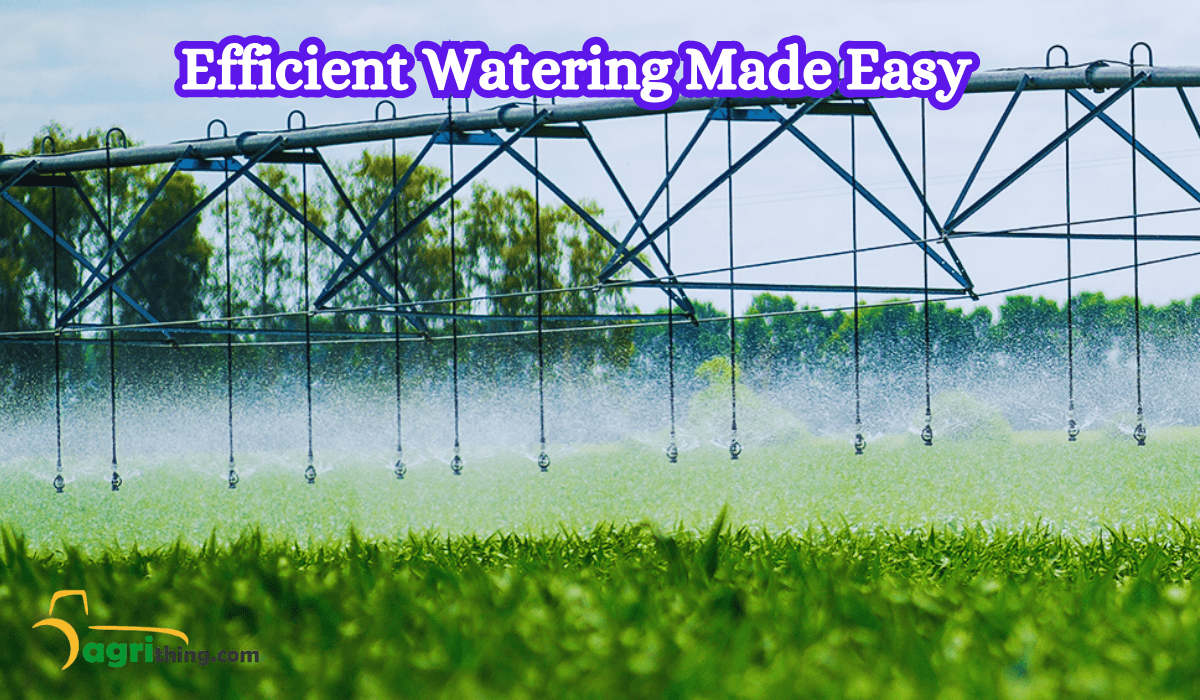
    Drip line irrigation vs Sprinkler system

    Drip IrrigationSprinkler System
    Delivers water directly to plant roots, minimizing evaporation and water lossDistributes water through overhead sprayers or rotating nozzles
    Promotes healthier plant growth and reduces weed growthCovers larger areas with ease
    Suitable for areas with limited water availability or specific plant watering requirementsConvenient and versatile option for lawns, sports fields, and landscapes
    Requires careful system design and installation
    Relatively easier installation process
    Provides precise control over water applicationRequires higher water pressure for efficient operation

    Drip Irrigation System Cost

    Micro irrigation systems are a game-changer for efficient and cost-effective crop watering. This article explores their benefits and cost, helping farmers make sustainable choices

    Drop-by-drop Irrigation System Manufacturers

    Micro irrigation system manufacturers are the driving force behind efficient and sustainable agriculture. This article explores their contributions and innovations, shaping the future of farming one droplet at a time.

    Conclusion

    Designing an efficient and effective Drip line irrigation system requires careful consideration of various factors such as water source, crop type, soil conditions, topography, and climate. By considering these factors, farmers and gardeners can optimize water usage, enhance crop productivity, and contribute to sustainable water management. Trickle irrigation offers a practical solution for efficient water delivery, reducing water waste, and promoting healthy plant growth.

    Frequently Asked Questions (FAQ’s)

    How long do drip irrigation systems last?

    Micro irrigation systems can last for many years if properly maintained. With regular inspection, cleaning, and timely repairs, a well-designed system can have a lifespan of 15-25 years or more.

    Can I install a drip irrigation system myself?

    Yes, trickle irrigation systems can be installed by homeowners or gardeners with basic knowledge of plumbing and irrigation principles. However, for larger or more complex systems, it is recommended to consult a professional to ensure proper design and installation.

    What are the common challenges in trickle irrigation design?

    Some common challenges in trickle irrigation design include proper emitter spacing, selecting the correct pipe sizes, dealing with pressure variations, and preventing clogging due to sediments or organic matter. Addressing these challenges requires careful planning and consideration of site-specific factors.

    Are there any specific regulations or guidelines for drip irrigation?

    Regulations and guidelines for micro irrigation may vary depending on the region or country. It’s advisable to consult local agricultural authorities, extension services, or irrigation associations for specific guidelines and best practices.

    Can I use a drip irrigation system for all types of crops?

    Micro irrigation is suitable for a wide range of crops, including vegetables, fruits, field crops, and ornamental plants. However, certain crops with specific water requirements or root characteristics may need better-suited for trickle irrigation. Consulting agricultural experts or crop-specific guidelines is recommended to ensure the system’s compatibility with the chosen crops.

    Want to purchase top-quality Drip Irrigation Accessories? Visit our Agricomplex website to explore our wide range of irrigation products.

    People Also Asked

    What is drip irrigation?

    Drop-by-drop irrigation is a method of watering plants by delivering water directly to their roots through tubes with small emitters.

    How does drip irrigation work?

    Micro irrigation works by slowly releasing water directly to the plant’s roots through small emitters or drippers connected to a network of tubes.

    How do you calculate the water requirements for a Drop-by-drop system?

    To calculate water requirements for a Drop-by-drop irrigation system, consider factors like the plant’s water needs, local climate, and soil conditions and estimate based on evapotranspiration rates (water lost through evaporation and plant transpiration).

    Can a micro irrigation system be automated?

    Yes, a micro irrigation system can be automated using timers or sensors to control when and how long the system operates, ensuring plants receive water at the right time and in the right amounts, even when you’re not present.

    What are the advantages of trickle irrigation?

    1. Advantages of trickle irrigation:
    2. Water efficiency
    3. Improved plant health
    4. Precise water application
    5. Weed control
    6. Conservation of nutrients
    7. Versatility
  • Drip Irrigation for Small Spaces: Creative Solutions

    Drip Irrigation for Small Spaces: Creative Solutions

    Drip irrigation offers creative solutions and efficient watering techniques for small spaces, such as container gardens, raised beds, narrow strips, hanging baskets, and potted plants. By implementing drip irrigation systems in these areas, you can provide targeted and precise water delivery, ensuring optimal plant hydration while conserving water.

    These solutions maximize watering effectiveness in small spaces, promoting healthy plant growth and minimizing water waste. Explore the possibilities of drip irrigation to transform your small space into a flourishing and water-efficient garden.

    Understanding Drip Irrigation for small spaces

    Drip irrigation delivers water directly to the base of plants through a network of tubes, emitters, and connectors. This targeted approach ensures water is delivered precisely where needed, reducing evaporation and runoff. Unlike overhead sprinklers, which can wet foliage and increase disease risk, drip irrigation keeps leaves dry while supplying water to the roots.

    Assessing Small Space Watering Needs

    Watering small spaces effectively requires an understanding of the unique challenges they present. Limited space often means that traditional irrigation methods could be more practical and valuable.

    Additionally, different plants have varying water requirements, making it crucial to assess their specific needs. Considering these factors, you can tailor your drip irrigation system to optimize water usage and plant health.

    Planning Your Drip Irrigation System

    1. Careful planning is crucial when implementing drip irrigation in small spaces.
    2. Assess the size of the area and determine the optimal placement of irrigation components.
    3. Consider factors such as proximity to a water source, land slope, and plant arrangement.
    4. Strategically design your system to achieve efficient water distribution throughout the small space.
    5. Embrace creative solutions and effective watering techniques to maximize the benefits of drip irrigation in your small garden.

    Drip Watering Advisor for Vegetable Gardens.

    • The listed watering times assume well-composted soil with average consistency and drainage.
    • In sandy soil, which drains quickly, increasing both the duration and frequency of watering is necessary.
    • In hard-packed clay soil, it is advisable to reduce the watering duration to prevent overwatering and potential harm to the plants.
    • Certain plants, like squash and carrots, prefer moisture in the soil 4-8 inches below the surface. It is recommended to deeply water these plants once a week rather than providing light watering multiple times.

    Watering techniques for different plant types

    Regularly monitor mature plants for signs of dryness, especially on hot and dry days, as they may require increased watering. Pay attention to the specific water requirements of each plant and make necessary watering adjustments accordingly. By staying vigilant and responsive to changing conditions, you can ensure your plants receive the appropriate water throughout their growth stages.

    Plants typesWatering DevicesWater Needs per weekCool ClimateWarm/Humid ClimateWarm/Humid Climate
    Row Plants: Cauliflower, celery, corn, lettuce, etc..½” Emitter Tubing 0.9 GPH 12-inch or 18-inch spacing.
    ¼” Emitter Tubing 1.0 GPH 6-inch or 12-inch spacing
    2 gallons45 min. (2x/wk)60 min. (2x/wk)90 min. (2x/wk)
    OnionsDripper 0.5 GPH.5 to 1 gallons45 min. (1x/wk)60 min. (1x/wk)90 min. (2x/wk)
    Broccoli, brussel sprouts, squashDripper 1.0 GPH1 to 1.5 GPH45 min. (1x/wk)60 min. (1x/wk)75 min. (1x/wk)
    BeetsDripper 2.0 GPH1 gallon45 min. (1x biweekly)60 min. (1x biweekly)75 min. (1x biweekly)
    Tomatoes, peppersDripper 2.0 GPH2 gallons45 min. (2x/wk)60 min. (2x/wk)75 min. (2x/wk)
    CucumbersMicro Bubblers Adjustable 0-13 GPH2 gallons45 min. (2x/wk)60 min. (1x/wk)90 min. (2x/wk)
    BeansBubblers Adjustable 0-13 GPH1 gallon45 min. (1x/wk)60 min. (1x/wk)75 min. (1x/wk)

    Drip Irrigation Techniques for Small Spaces

    Container Gardening

    Drip irrigation can be achieved in container gardens using drip emitters or micro-sprinklers. These tiny devices are attached to a main supply line and provide a controlled release of water to individual containers.

    Save Water with Drip Irrigation

    Drip irrigation offers a creative solution for conserving water in small spaces. It ensures optimal hydration while minimizing water waste using targeted watering techniques, such as precise emitter placement and low-flow rates. Embrace the possibilities of drip irrigation to maximize water conservation and transform your small area into a flourishing oasis of greenery.

    Hanging Baskets and Potted Plants

    Hanging baskets and potted plants can also benefit from drip irrigation. Self-watering containers are equipped with built-in reservoirs that supply water gradually to the plants. Alternatively, drip stakes can be inserted directly into the soil of potted plants, providing a steady and controlled release of water.

    Installing Your Drip Irrigation System

    Steps to Install Drip Irrigation System:

    1. Gather the necessary components: tubes, connectors, emitters, and filters.
    2. Make sure you have the appropriate tools for the installation.
    3. Follow the manufacturer’s instructions for proper installation.
    4. Consider incorporating pressure regulators and filters to ensure proper water pressure and filtration.
    5. Connect the tubes, connectors, and emitters according to the system design.
    6. Securely attach the filters to prevent clogging.
    7. Test the system for leaks and make necessary adjustments.
    8. Install timers and controllers to automate your watering schedule.
    9. Set the desired watering frequency and duration on the timers or controllers.
    10. Regularly maintain and inspect the system for any issues or repairs.

    Maintaining Your Drip Irrigation System

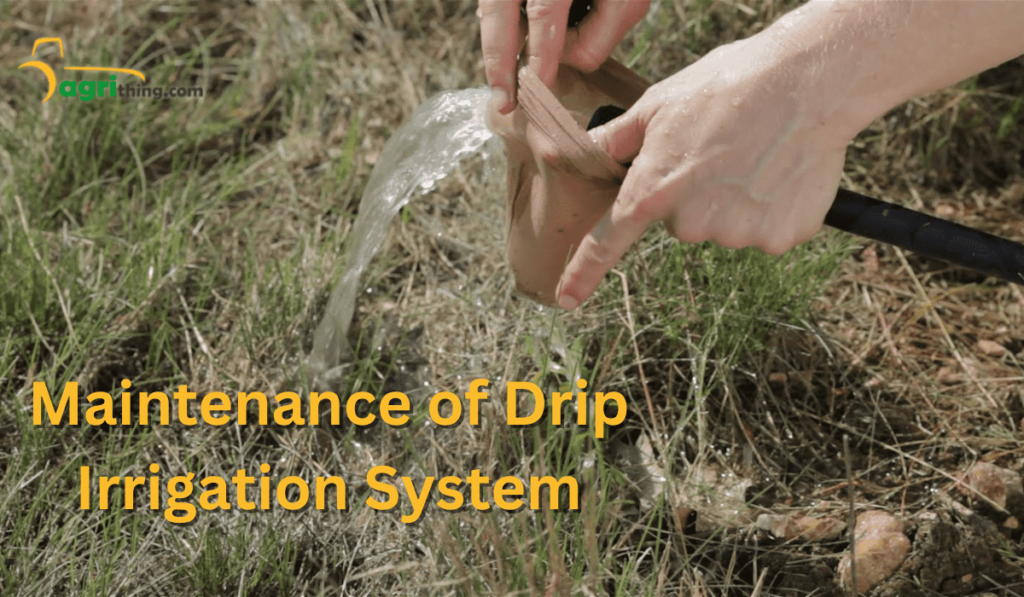
    Regular inspections and maintenance are essential to keep your drip irrigation system in optimal condition. Check for leaks, clogged emitters, or damaged components, and address any issues promptly.

    Clearing debris and adjusting the system as plants grow will help maintain efficient water distribution. In colder climates, it’s essential to winterize your system by draining the water and protecting the components from freezing temperatures.

    ProsCons
    Efficient and targeted water delivery to plantsInitial installation costs can be higher
    Maximizes water conservationRequires regular maintenance and monitoring
    Provides optimal plant hydrationRisk of clogging emitters or lines
    Precise emitter placementThe limited water flow rate may not suit all plants
    Helps in preventing weed growthRequires proper planning and design
    Reduces water runoff and evaporationMay need adjustments for changing plant needs
    Can be automated for convenienceRequires a reliable water source
    Promotes healthier root growthIt may not be suitable for all soil types

    Maximizing the Efficiency and Water Conservation

    To make drip irrigation work better in small areas, you can use clever ideas and methods for watering. One way is to cover the soil with mulch and prepare it properly to keep the water in and stop weeds from growing.

    Another thing you can do is improve the soil’s quality by adding natural materials and other substances, which help it hold more water and nutrients. Another good idea is to collect rainwater and store it in your drip irrigation system. This way, you don’t have to use as much water from the city, and it’s better for the environment. These methods help save water and make watering small gardens more efficient.

    Essential Maintenance Tips for Drip Irrigation

    1. Regular Inspections: Make it a habit to check your drip irrigation system regularly. Look for any leaks or clogged emitters that might affect its performance.
    2. Addressing Leaks or Clogs: If you find any leaks or clogged emitters during your inspection, fix them promptly. Leaks, wastewater, and clogs disrupt the water flow, so it’s important to address these issues.
    3. Adjust the System as Plants Grow: As your plants grow, their watering needs change. Adjust the drip irrigation system accordingly to ensure that each plant receives the right amount of water for optimal growth.
    4. Promote Healthy Plant Growth: By maintaining your drip irrigation system properly, you can promote healthy growth in your plants. Consistent and efficient watering helps them thrive.
    5. Conserve Water Resources: Drip irrigation is a water-saving method, and by following these maintenance practices, you can further conserve water resources in your small garden.

    By following these tips, you can ensure that your drip irrigation system lasts longer and effectively nurtures your small garden, making it flourish sustainably.

    Conclusion

    Drip irrigation is a clever way to water small areas by delivering water directly to plants in an efficient and precise manner. It helps save water and keeps plants well-hydrated. By using techniques like placing the water emitters accurately and using low water flow rates, you can make the most of the water while ensuring plants get the right amount of water they need. It’s important to plan, install, and maintain your drip irrigation system properly to succeed in small spaces. Embrace the benefits of drip irrigation and turn your small area into a beautiful green space using effective watering methods.

    Frequently Asked Questions (FAQ’s)

     Can I use drip irrigation for indoor potted plants? 

    Absolutely! Drip irrigation offers a creative solution for small spaces, including indoor potted plants. By utilizing self-watering containers or drip stakes, you can ensure a controlled release of water directly to the plant’s root zones.

     How often should I water with drip irrigation?

    When implementing drip irrigation in small spaces, consider the watering technique that best suits your plants’ needs. Monitoring the soil moisture level and adjusting the watering schedule ensures optimal hydration.

    Can I connect a drip irrigation system to my existing sprinkler system?

    It is possible to connect a drip irrigation system to an existing sprinkler system. You must install a pressure regulator and appropriate connectors to ensure compatibility and efficient water distribution.

    How long should I run my drip irrigation system each time? 

    The duration of each watering session will depend on factors such as plant water requirements, soil type, and weather conditions. Adjust the runtime as needed to ensure the plants receive enough water without causing waterlogging.

    Can I install a drip irrigation system or hire a professional?

    By following the manufacturer’s instructions, you can ensure proper installation and efficient watering techniques. However, consulting a professional ensures optimal performance and accurate system installation for complex layouts or if you need more clarification.

    Want to purchase top-quality Drip Irrigation Accessories? Visit our Agricomplex website to explore our wide range of irrigation products.

    People Also Asked

    How do I choose the right drip irrigation system for my small space? 

    When selecting a drip irrigation system for a small space, consider the size and layout of your area. Look for compact and flexible components that can fit into tight spaces.

    What are the benefits of using drip irrigation in small gardens?

    Utilizing drip irrigation in small gardens offers several benefits. It directly delivers targeted water to the plant roots, minimizing water waste. Drip irrigation promotes efficient water usage and helps maintain optimal soil moisture levels in small gardening areas.

    Can I use drip irrigation for my balcony garden?

     Drip irrigation is suitable for balcony gardens in small spaces. It enables precise watering of plants in containers, ensuring efficient water distribution and minimizing the risk of overwatering

     How do I determine plant water requirements in a drip irrigation system?

    Determining the water requirements for plants in a drip irrigation system can be achieved through careful consideration. Factors such as plant type, soil conditions, and climate should be considered.

     Are there any special considerations for maintaining a drip irrigation system in small spaces? 

    Maintaining a drip irrigation system in small spaces requires special considerations. Regular inspections and maintenance are essential to ensure efficient water distribution and prevent issues such as clogged emitters or leaks.

  • Unveiling Water-Saving Power: Emitter-Based Irrigation Myths Exposed

    Unveiling Water-Saving Power: Emitter-Based Irrigation Myths Exposed

    Emitter-based irrigation is revolutionizing how farmers and gardeners irrigate their crops and landscapes. This highly efficient method delivers water directly to the roots, reducing waste and maximizing plant growth. However, several drip irrigation myths and misconceptions surround micro irrigation, preventing many people from harnessing its full potential. This article will debunk some common myths about micro irrigation and shed light on its numerous benefits.

    Introduction to Emitter-based irrigation

    Emitter-based irrigation is a watering technique that involves the controlled application of water directly to the root zone of plants. Unlike traditional sprinkler systems that spray water over a wide area, micro irrigation uses a network of tubes, valves, and emitters to deliver water precisely where needed. This targeted approach minimizes evaporation and ensures that every drop of water counts

    Micro irrigation has gained popularity recently due to its efficiency and sustainability. Providing water directly to the plants’ roots minimizes weed growth, reduces water runoff, and optimizes nutrient absorption. Despite its numerous advantages, several myths persist, leading to misconceptions about the effectiveness and practicality of micro irrigation systems. Let’s debunk these myths one by one.

    Myth 1: Emitter-based irrigation is Expensive

    One of the most common myths about trickle irrigation is that it is prohibitively expensive. While the initial investment may seem higher than traditional irrigation methods, micro irrigation offers long-term cost savings. Drip systems minimize water waste and lower utility bills by precisely delivering water to the roots. Additionally, the targeted water application reduces the need for herbicides, fertilizers, and labor, further cutting costs

    According to a study by the University of California, micro irrigation can save up to 60% of water compared to traditional sprinkler systems. These water savings translate into substantial financial savings over time, making trickle irrigation a wise investment for farmers and gardeners

    Myth 2: Emitter-based irrigation is Complicated to Install and Maintain

    Micro irrigation systems are highly customizable and can be adapted to various landscapes and crop types. They consist of three main components: a water source, a distribution network of tubes and valves, and emitters or drippers. These components are easy to assemble and can be customized based on specific requirements

    Maintaining a trickle irrigation system is relatively straightforward. Regular checks for clogs and leaks, as well as occasional flushing of the system, are usually sufficient to ensure optimal performance. Additionally, many manufacturers provide detailed guidelines and support to assist users in setting up and maintaining their systems effectively.

    Myth 3: Emitter-based irrigation is Inefficient

    Contrary to popular belief, micro irrigation is a highly efficient irrigation method. Delivering water directly to the root zone minimizes evaporation and reduces water loss due to wind or surface runoff. This efficiency is particularly crucial in arid and water-scarce regions, where every drop of water is valuable.

    Numerous studies have demonstrated the effectiveness of micro irrigation in conserving water. For example, a research study published in the Journal of the American Society for Horticultural Science showed that trickle irrigation resulted in higher crop yields and water-use efficiency than traditional irrigation methods. Additionally, micro irrigation promotes healthier plant growth by reducing foliar diseases caused by excessive moisture.

    Myth 4: Emitter-based irrigation is Only Suitable for Certain Crops

    Some believe micro irrigation is only suitable for specific crops, such as vegetables or orchards. However, micro irrigation is highly versatile and can be adapted to various crop types, including field crops, flowers, and trees.

    trickle irrigation systems allow precise control over water application, making them suitable for crops with different water requirements. The flexibility of drip systems enables farmers and gardeners to optimize water delivery based on the specific needs of each crop, promoting healthier growth and maximizing yields.

    Myth 5: Emitter-based irrigation Causes Soil Salinization

    Another myth surrounding micro irrigation is its alleged contribution to soil salinization. Soil salinization occurs when excessive salts accumulate in the soil, negatively affecting plant growth. While improper irrigation practices can contribute to salinization, micro irrigation, when correctly managed, minimizes the risk.

    micro irrigation can be combined with proper drainage practices to prevent the buildup of salts in the soil. Techniques such as leaching and periodic soil testing help maintain optimal soil salinity levels. Farmers and gardeners can effectively prevent soil salinization by carefully monitoring the soil’s electrical conductivity and adjusting irrigation schedules accordingly.

    Myth 6: Emitter-based irrigation Requires a Constant Water Supply

    A common misconception is that trickle irrigation relies on a constant water supply. While having a reliable water source is essential, micro irrigation systems can be designed to work with limited water resources.

    Water-saving techniques such as using pressure-compensating emitters and drip tapes with low flow rates ensure efficient water distribution. Additionally, incorporating water storage and recycling systems can help mitigate water scarcity issues.

    Farmers and gardeners can also implement intelligent irrigation controllers that adjust watering schedules based on weather conditions, plant needs, and soil moisture levels. These technologies optimize water usage, making micro irrigation a suitable option even in regions with limited water availability.

    Myth 7: Emitter-based irrigation is Prone to Clogging

    Clogging is a concern often associated with micro irrigation systems. However, with proper system design and maintenance, clogging can be minimized.

    It is crucial to use high-quality filters and flush the system regularly to prevent clogging. Sediment filters and screen filters effectively remove particles that can cause clogs. Additionally, selecting the appropriate emitter type based on water quality and employing chemical treatments when necessary can reduce the risk of clogging.

    Regular inspections and proactive maintenance, such as checking for leaks and cleaning filters, ensure the smooth operation of the micro irrigation system. Farmers and gardeners can prevent clogging by following recommended maintenance practices and maintaining the system’s efficiency.

    Debunking the Myth of Water Waste in Emitter-based irrigation

    Efficient Design:

    Properly designed systems ensure precise water distribution, reducing wastage.

    Regular Maintenance:

    Routine inspections and repairs prevent leaks and clogs, optimizing efficiency.

    Water Conservation:

    micro irrigation conserves water by only providing what plants need, avoiding excess usage.

    Maximizing Efficiency in Micro Irrigation Systems

    Design:

    Carefully plan the layout of your Emitter-based irrigation system, considering factors such as plant water requirements, soil type, and topography.

    Water source:

    Ensure a reliable water source with adequate pressure and flow rate to meet the system’s needs.

    Components:

    Choose high-quality components like emitters, drip lines, and filters to ensure efficient water distribution and prevent clogging.

    Installation:

    Properly install the drip lines, ensuring even spacing and appropriate placement of emitters for uniform water coverage.

    Myth-Busting: Plants Suitable for Trickle Irrigation short line
    Precise Watering:

    trickle irrigation provides precise and controlled watering, ensuring that each plant receives the appropriate amount of water.

    Plant Health:

    micro irrigation promotes healthier plants by delivering water directly to the roots, reducing the risk of foliage diseases.

    Scalability:

    micro irrigation systems can be customized for both individual plants and larger garden areas, accommodating different planting layouts

    Unveiling Water-Saving Techniques in Micro Irrigation

    Soil Moisture Monitoring:

    Utilize moisture sensors or probes to monitor soil moisture levels and adjust watering accordingly, preventing water excess.

    Mulching:

    Apply mulch around plants to retain soil moisture, reducing the frequency and duration of watering.

    Emitter-based irrigation vs. Traditional Methods: Breaking the Barriers

    Targeted Application:

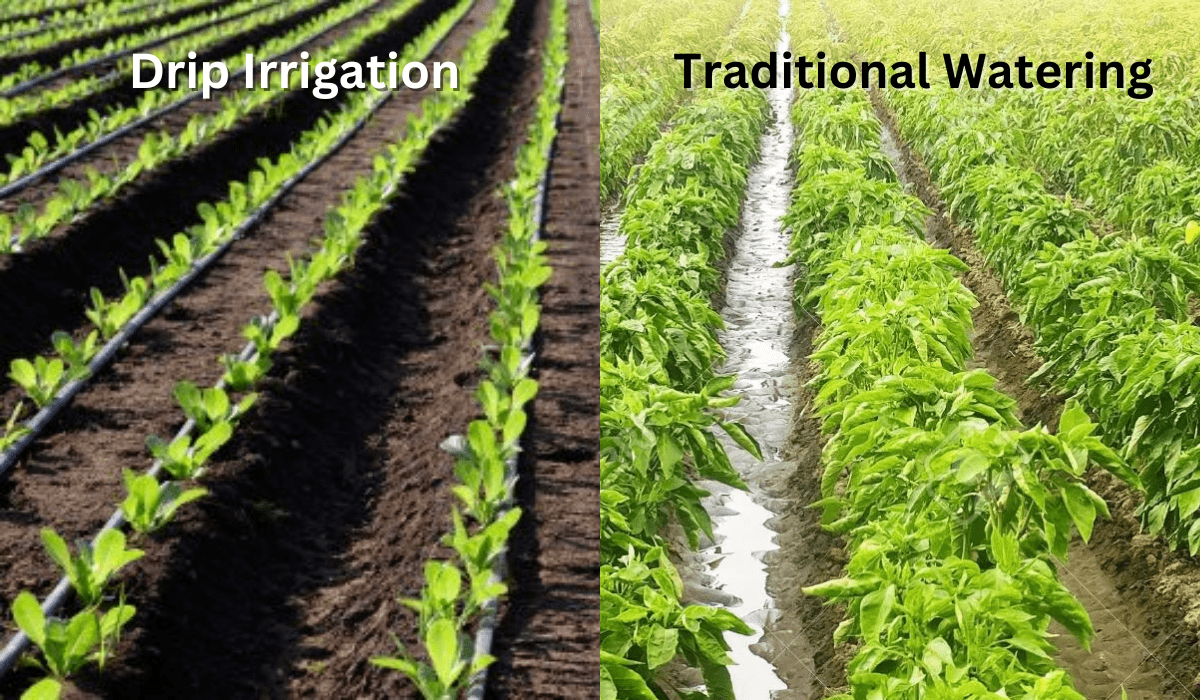
    trickle irrigation precisely targets water to plant roots, reducing weed growth and allowing for more efficient use of water resources, while traditional methods may water the entire area, including non-plant areas.

    Regular Maintenance:

    Conduct routine inspections, clean filters, and repair any leaks or clogs to ensure the system functions at its best, preventing water wastage.

    DIY Trickle Irrigation: Demystifying the Setup

    Install Emitters:

    Attach emitters to the drip lines at the desired intervals. Different types of emitters provide different flow rates, so choose the ones that suit your plants’ requirements.

    Test the System:

    Turn on the water supply and check for leaks or issues. Adjust the water flow rate if needed by adjusting the pressure regulator.

    Exploring Trickle Irrigation Components: The Truth Unveiled

    Mainline:

    The mainline is the primary pipe that connects the water source to the trickle irrigation system. It carries water from the source to various zones or sections of your garden.

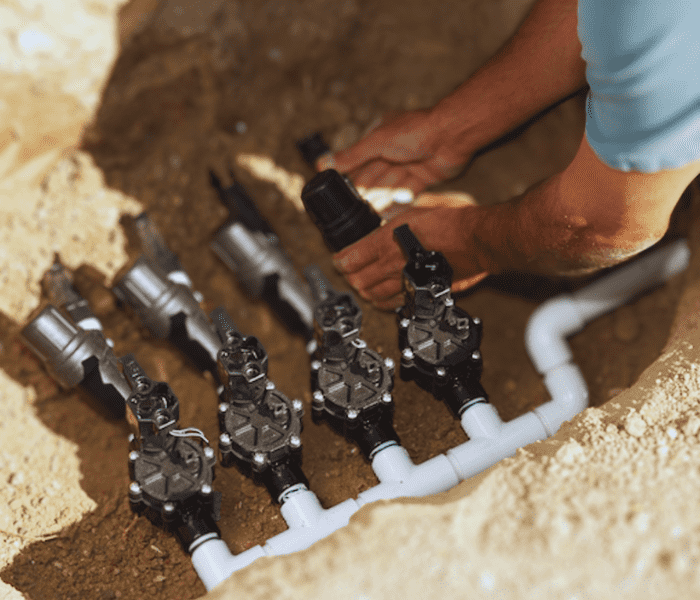
    Valves:

    Valves are used to control the flow of water within the trickle irrigation system. They allow you to regulate water distribution to different zones or sections, providing flexibility in watering schedules

    Troubleshooting irrigation Debunking Maintenance Myths

    Clean or Replace Filters:

    Regularly clean or replace filters to prevent clogging and maintain water flow. Follow the manufacturer’s guidelines for proper maintenance.

    Mastering Micro Irrigation System Maintenance: A Myth-Busting Guide

    Replace Faulty Components:

    Replace any damaged or worn-out components such as emitters, drip lines, connectors, or filters to ensure the proper functioning of the system.

    Myth vs. Reality: Seasonal Adjustments in Trickle Irrigation

    Myth:

    micro irrigation requires the same watering schedule year-round. Reality: Seasonal adjustments in trickle irrigation are essential to meet changing plant water needs, considering weather, rainfall, and plant growth stages.

    Myth or Reality: Trickle Irrigation and Root Intrusion

    Myth:

    Roots will automatically grow towards drip emitters. Reality: Roots grow in search of water and nutrients, but proper watering and placement of emitters can encourage root growth away from the emitters.

    Achieving Optimal Soil Moisture: Debunking micro Irrigation Myth

    Myth:

    Emitter-based irrigation always keeps the soil uniformly moist.

    Reality:

    While micro irrigation provides efficient water delivery, it’s essential to consider rainfall and supplement irrigation to maintain adequate soil moisture levels.

    Conclusion

    trickle irrigation is a game-changer in the world of agriculture and landscaping, offering significant advantages over traditional irrigation methods. By debunking the common myths surrounding trickle irrigation, we have highlighted its cost-saving potential, ease of installation and maintenance, efficiency in water usage, versatility across various crops, soil salinity management, adaptability to limited water resources, and clogging prevention measures.

    Embracing trickle irrigation techniques can improve crop yields, water conservation, and sustainable farming practices. Whether you are a farmer, gardener, or landscape enthusiast, consider implementing micro irrigation to unlock its full potential and contribute to a greener and more efficient future.

    Frequently Asked Questions (FAQ’s)

    Can Trickle irrigation be used in hilly or sloping terrains?

    Yes, trickle irrigation systems can be installed on slopes or hilly terrains. Proper planning and installation techniques, such as using pressure-compensating emitters and designing the system to account for elevation changes, ensure effective water distribution

    What is the lifespan of a typical Micro irrigation system?

    The lifespan of a trickle irrigation system depends on various factors, including the quality of components, installation practices, and maintenance. With proper care, a well-designed and maintained drip system can last 10 to 20 years or even longer.

    Can I use fertilizers with a drip irrigation system?

    Yes, trickle irrigation systems can be used in conjunction with fertilizers. Fertilizers can be applied directly through the irrigation system, allowing for precise nutrient delivery to the plants’ root zones. Choosing fertilizers compatible with trickle irrigation and following recommended application rates is essential.

    Is drip irrigation suitable for large-scale agricultural operations?

    Yes, micro irrigation can be scaled up to meet the needs of large-scale agricultural operations. The versatility and efficiency of drip systems make them suitable for a wide range of applications, from small gardens to vast agricultural fields.

    How can I calculate the water requirements for my crops when using Micro irrigation?

    Calculating water requirements involves considering crop type, evapotranspiration rates, soil characteristics, and weather conditions. Consult local agricultural extension services, use online tools, or seek guidance from irrigation professionals to determine the precise water requirements for your specific crops.

    Want to purchase a Drip Irrigation Accessories? Visit our Agricomplex website to explore our wide range of irrigation products.

    People Also Asked

    What are the common misconceptions about Trickle irrigation?

    Common misconceptions about trickle irrigation include the belief that it leads to overwatering and is unsuitable for large-scale agriculture.

    Is drip irrigation more water-efficient compared to other irrigation methods?

    Trickle irrigation is generally considered more water-efficient than other irrigation methods. It delivers water directly to the plant roots, minimizing water loss through evaporation or runoff.

    Are there any maintenance requirements for drip irrigation systems?

    Regular Check-ups: Perform periodic inspections to identify and address any issues with the system, such as leaks, clogged emitters, or damaged tubing. Ensure all components are in good working condition and replace faulty parts as needed.

    Can drip irrigation systems be automated?

    Yes, micro irrigation systems can be automated using various methods. Automatic timers or controllers can be installed to schedule and regulate watering intervals, ensuring consistent and efficient irrigation.

    Does Micro irrigation work for all types of plants?

    Trickle irrigation can be used for various plants, including flowers, vegetables, shrubs, and trees. It provides precise and controlled watering, making it suitable for individual plants and larger garden areas.

  • The Ultimate Guide to Optimal Irrigation Systems

    The Ultimate Guide to Optimal Irrigation Systems

    Plants need water to grow. Old-fashioned ways of watering plants waste water and don’t give plants the nutrients they need. This can make plants unhealthy and reduce how much they produce. But now, there’s Drip Irrigation. It’s an excellent way for farmers and gardeners to keep plants healthy and save water. In this article, we’ll talk about the benefits of Irrigation system, what it’s made of, the different types, and how to Enhance Plant Health with Irrigation system.

    What is Drip Irrigation?

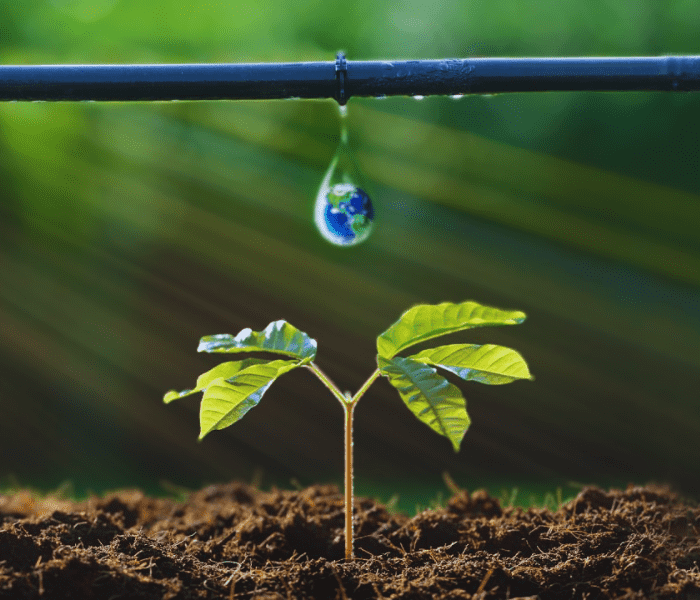
    Drip irrigation is an irrigation technique to water plants where the water goes right to the roots in a slow and controlled way. Instead of covering the whole field or garden with water, it comes out in drops. This saves water because less of it evaporates, and it’s used efficiently. With drip irrigation, plants have fewer weeds and less chance of acquiring disease.

    Advantages of Trickle Irrigation

    Drip irrigation offers numerous advantages over old irrigation methods:

    Saves Water:

    Drip irrigation can save up to 50% more water than old methods. It reduces evaporation and runoff, so less water is wasted.

    Improved Nutrient Efficiency:

    Water is distributed precisely to the plants’ roots with trickle irrigation. This helps plants absorb nutrients better, which improves their growth and overall health.

    Reduced Weed Growth:

    The surface remains dry since water is supplied directly to the root zone. This stops weed growth. Because weed needs water to grow. As a result, there is less competition for nutrients and water between the plants and the weeds.

    Prevention of Soil Erosion:

    Drip irrigation delivers water gently, which minimizes soil erosion. This means the soil particles are not displaced, keeping the land more stable and preventing erosion.

    Flexibility in Terrain:

    Drip irrigation is suitable for different terrains, including hilly or uneven landscapes. It can adjust to various land shapes and contours.

    Components of Micro Irrigation System

    A drip irrigation system has several important parts:

    Water Source

    You need a water source like a well, pond, river, or city water supply. It should be big enough to provide the water needed for irrigation.

    Mainline

    The mainline carries water from the source to where you want to irrigate. It’s usually made of PVC or polyethylene pipes. A filter and pressure regulator connect it to the water source.

    Sub-Mainline

    The sub-mainline takes water from the mainline and distributes it to different areas within the field or garden. It’s smaller and more flexible than the mainline.

    Drip Lines or Emitters

    Drip lines or emitters are responsible for delivering water right to the plants. They’re installed along the rows of crops or around individual plants and release water in controlled amounts.

    Filters

    Filters are critical because they remove dirt, sediment, and other impurities from the water before it reaches the emitters. This helps to prevent clogs and keeps the system working well.

    Pressure Regulators

    Pressure regulators make sure the irrigation system has the right amount of pressure. This helps protect the emitters from damage and ensures that water is distributed evenly.

    Backflow Preventer

    A backflow preventer stops water from flowing backward from the irrigation system into the main water supply. This helps to prevent contamination and keeps the water supply safe.

    Types of Drop-by-Drop Irrigation Systems

    Different types of drop-by-drop irrigation systems serve various purposes:

    Surface Drip Irrigation

    In surface drip irrigation, the drip lines are placed on the soil surface near the plants. This method works well for row crops, orchards, and vineyards.

    Subsurface Drip Irrigation (SDI)

    Subsurface drip irrigation involves planting the drip lines beneath the soil surface. This way, water is delivered directly to the root zone of the plants. SDI is commonly used for row crops, horticulture, and in greenhouses.

    Container Drip Irrigation

    Container drip irrigation is designed for potted plants, hanging baskets, and containers. It ensures proper and targeted watering while preventing water runoff.

    Greenhouse Drip Irrigation

    Greenhouse drip irrigation systems are designed specifically for greenhouse cultivation. They provide precise watering to potted plants or raised beds within the greenhouse.

    Designing a Drip Irrigation System

    When designing an efficient drip irrigation system, it’s essential to consider several factors:

    Crop Water Requirement:

    Understanding how much water the crop needs is essential. This ensures the irrigation system provides the right amount of water for optimal plant growth.

    Soil Type and Texture:

    The type and texture of the soil affect how water is absorbed and drained. This influences the placement and spacing of the emitters to ensure sufficient water distribution.

    Crop Spacing and Layout:

    The arrangement of plants and the distance between rows impact the distribution and coverage of the drip lines. Proper spacing and layout help ensure that each plant receives sufficient water.

    Water Quality:

    Assessing the quality of the water is essential. It helps to select suitable filters, preventing clogging or damage to the emitters caused by debris or impurities in the water.

    Pressure and Flow Rate:

    Calculating the pressure and flow rate of the system is vital. This ensures that the water is distributed evenly and consistently throughout the irrigation area. Thus, promoting uniform plant growth.

    Considering these factors during the design process helps create an efficient trickle irrigation system that meets the specific requirements of the crop and soil, optimizing water usage and promoting healthy plant growth.

    Installation and Maintenance of Drop-by-Drop Irrigation System

    Properly installing and maintaining a drop-by-drop irrigation system is crucial for optimal performance. Here are the steps for installation and guidelines for maintenance:

    Installation Steps:

    Prepare the Irrigation Area:

    Clear the area of debris and level the ground to ensure a smooth installation.

    Lay Out the Lines:

    Follow the design plan to lay out the mainline, sub-mainline, and drip lines in their designated positions.

    Connect Components:

    Connect all the necessary components, such as filters, pressure regulators, and backflow preventers, to the irrigation system.

    Test and Adjust:

    Test the system for leaks and make necessary adjustments to the pressure and flow rate to ensure proper functioning.

    Mulch Application:

    Cover the drip lines with mulch to help retain moisture in the soil and protect the lines from potential damage.

    Maintenance Guidelines:

    Regular Inspection:

    Check the system for any leaks, clogs, or damaged components that may hinder its performance.

    Clean and Flush:

    Regularly clean the filters and flush the system to remove any sediment or debris that may cause blockages.

    Emitter Adjustment:

    Adjust the emitters as needed to ensure water is evenly spread among the plants.

    Monitor Soil Moisture:

    Monitor the moisture levels in the soil and adjust the watering schedules accordingly to prevent over or under-watering.

    Winter Protection:

    If necessary, take steps to winterize the system and protect it from freezing temperatures that could cause damage.

    Following these installation steps and maintenance guidelines ensures that your drip irrigation system operates optimally, providing proper irrigation for your plants.

    Water Management and Efficiency Practices

    Efficient water management is essential in micro irrigation to maximize water usage. Here are some practices to optimize water efficiency:

    Irrigation Scheduling:

    Develop an irrigation schedule based on the crop’s water needs, weather conditions, and soil moisture levels. This ensures that plants receive sufficient water without excessive irrigation.

    Mulching:

    Apply organic or artificial mulch around the plants. This helps to preserve soil moisture, reduce evaporation, and stop weed growth, allowing more efficient water usage.

    Irrigation Timing:

    Water the plants during the early morning or late afternoon. This minimizes water loss due to evaporation, as these times have lower temperatures and reduced wind speed.

    Pressure Regulation:

    Maintain the suggested pressure in the drip irrigation system. This ensures uniform water distribution among the plants.

    By executing these practices, you can improve water management in trickle irrigation, optimize water usage, and promote healthier plant growth.

    Drip irrigation contributes significantly to enhancing plant health:

    Precise Water Application:

    Micro irrigation is a method of watering plants that send water to their roots, which helps prevent diseases caused by wet leaves.

    Reduced Soilborne Diseases:

    Using micro irrigation, the water in the soil stays more consistent, making it harder for harmful pathogens to survive and cause diseases.

    Root Development:

    A steady water supply in the root zone helps plants grow strong and healthy roots, allowing them to take in more nutrients.

    Reduced Nutrient Leaching:

    Using trickle irrigation also helps prevent nutrients from being washed away by too much water, which means plants can use the nutrients more effectively.

    Drop-by-Drop Irrigation System Nutrient Management

    Drip irrigation helps manage nutrients effectively for plants to grow their best:

    Fertigation:

    Fertigation means putting fertilizers or nutrients directly into the irrigation system. This makes sure that nutrients are delivered accurately and to the right places.

    Proper Nutrient Balance:

    Applying nutrients through the irrigation system makes it easier to keep a good balance of nutrients for each type of crop. This leads to healthier plants overall.

    Checking Nutrient Levels:

    Regularly testing soil and plant samples helps determine the right amount of nutrients based on the crops’ needs.

    Drip irrigation aids in Pest and Disease Control

    Controlling Pests on Leaves:

    Micro irrigation keeps the leaves dry, which makes it harder for pests like aphids, mites, and fungal diseases to thrive.

    Less Weed Growth:

    Micro irrigation limits the water weeds can access, stopping their growth and reducing resource competition.

    Integrated Pest Management (IPM):

    Combining drip irrigation with IPM techniques, such as helpful insects or organic pest control methods, can successfully manage pests.

    Weed Control by Drip Irrigation

    Drip irrigation is beneficial for managing weeds:

    Mulching:

    Placing mulch helps stop weeds from growing by blocking sunlight, which prevents weed seeds from sprouting.

    Targeted Watering:

    Drop-by-drop irrigation delivers water straight to the plants, keeping the soil surface dry and preventing weed seeds from germinating.

    Herbicide Drip Tape:

    Specialized drip tapes that contain herbicides can directly target and control weeds, reducing the need for spraying chemicals.

    Conclusion

    Drip irrigation system is a great way to improve plant health and save water. It allows for precise and controlled watering, helps manage nutrients effectively, and controls pests. These factors result in healthier plants, better harvests, and sustainable farming practices. Farmers and gardeners can use drip irrigation to make the most of water resources, minimize environmental harm, and enjoy long-term economic advantages.

    Frequently Asked Questions (FAQ’s)

    Can drip irrigation be used in all types of soil?

    Micro irrigation can be used in different soil types, such as sandy, loamy, and clayey soils. However, it’s essential to consider the characteristics of the soil when designing and managing the system.

    Is drip irrigation suitable for large-scale agriculture?

    Trickle irrigation is suitable for both small-scale and large-scale agriculture. It can be tailored to meet the specific needs of various crops and farming methods.

    Does drip irrigation require a constant water supply?

    Micro irrigation needs a steady water supply but generally uses less water than traditional irrigation methods.

    How often should I check and clean the filters in a drip irrigation system?

    It’s recommended to check and clean the filters in a micro irrigation system regularly, preferably once a month or whenever you notice a decrease in water flow or pressure.

    Are drip irrigation systems expensive to install?

    Although the initial cost of installing micro irrigation systems may be higher than traditional systems, the long-term savings in water usage and increased crop productivity often lead to a positive return on investment.

    Want to purchase a Drip irrigation system Accessories? Visit our Agricomplex website to explore our wide range of irrigation products.

    People Also Asked

    How does drip irrigation control weeds?

    Micro irrigation helps control weeds in three ways. First, it uses mulching to block sunlight and prevent weed growth. Second, it delivers water directly to the roots, keeping the soil surface dry and preventing weed growth. Third, it can use herbicide drip tape to directly control weeds.

    Can drip irrigation help with pests and diseases?

    Yes, trickle irrigation can help control pests and diseases. It keeps the leaves dry, which reduces the chances of pests and diseases spreading. It also reduces weed growth, which can hold pests. Additionally, trickle irrigation allows for integrated pest management techniques.

    How does drip irrigation assist with nutrient management?

    Micro irrigation helps manage nutrients by allowing for fertigation. Fertigation accurately delivers fertilizers or nutrients directly to the irrigation system. This ensures that plants receive the right balance of nutrients for optimal growth.

    What are the benefits of using drip irrigation?

    Using micro irrigation has several benefits. It improves plant health, conserves water, increases harvest yields, promotes sustainable farming practices, and provides long-term economic advantages.

    What are the different types of drip irrigation systems?

    There are four drop-by-drop irrigation systems: surface drip irrigation, subsurface drip irrigation (SDI), container drip irrigation, and greenhouse drip irrigation.

  • 10 Best Drip Irrigation Accessories: Boost Efficiency

    10 Best Drip Irrigation Accessories: Boost Efficiency

    Drip irrigation is a highly effective method of providing plants with water. It is efficient because it delivers water directly to the roots through tubes and emitters. Having the right accessories is essential for the best performance of your micro irrigation system. This article discusses the best drip irrigation accessories that all gardeners and farmers should consider purchasing.

    Importance of Drip Irrigation Accessories

    Micro irrigation accessories are important because they improve the performance of irrigation. They offer several benefits:

    Efficiency

    The right supplements, such as tubes and emitters, deliver water directly to the roots of plants. They prevent evaporation and runoff, saving water.

    Accuracy

    Trickle accessories let us control the amount of water each plant receives. They ensure plants get the correct amount of water, stopping overwatering or under watering.

    Customization

    Using various accessories, we can customize micro irrigation systems to suit different plants, soils, and environments. Promotes healthy growth and vitality in plants.

    Sustainability

    Trickle irrigation accessories contribute to eco-friendly practices by conserving water and reducing the need for chemicals. They help protect the environment and preserve resources.

    Control Water Flow with Reliable Micro Irrigation Valves

    By following these steps, you can effectively control the water flow in your micro irrigation system using reliable micro irrigation valves.

    Install the valve in the irrigation system

    Identify the appropriate location in the irrigation line to install the trickle irrigation valve. Ensure that the valve is placed in a position that allows easy access for adjustment and maintenance.

    Connect the valve to the water source

    Use compatible fittings to connect the trickle irrigation valve to the water source, ensuring a secure and watertight connection.

    Adjust the valve settings

    Use the provided controls or mechanisms to adjust the water flow rate depending on the specific valve model. Depending on the valve type, this may involve turning a knob, using a lever, or utilizing digital controls.

    Regularly inspect and maintain the valve

    Periodically check the micro irrigation valve for leaks, blockages, or malfunctions. Clean or repair the valve to ensure proper functioning and accurate water flow control.

    Drip Irrigation System Components

    These micro irrigation components work together to deliver water precisely to the plants’ root zones:

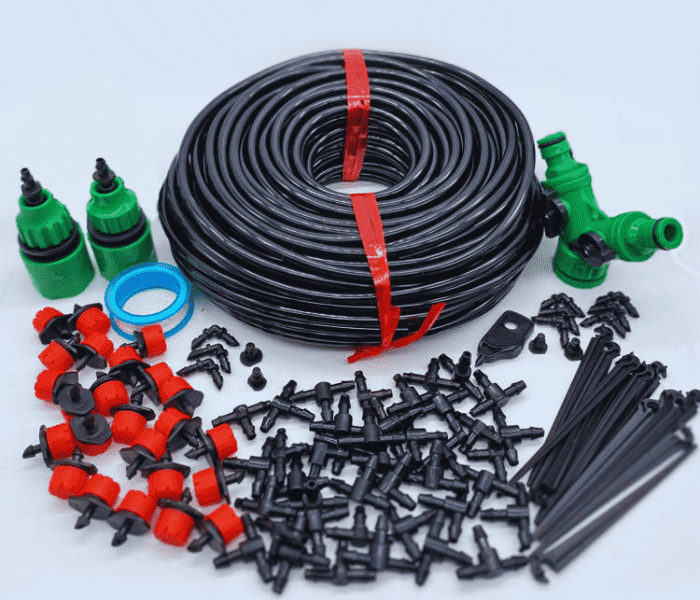
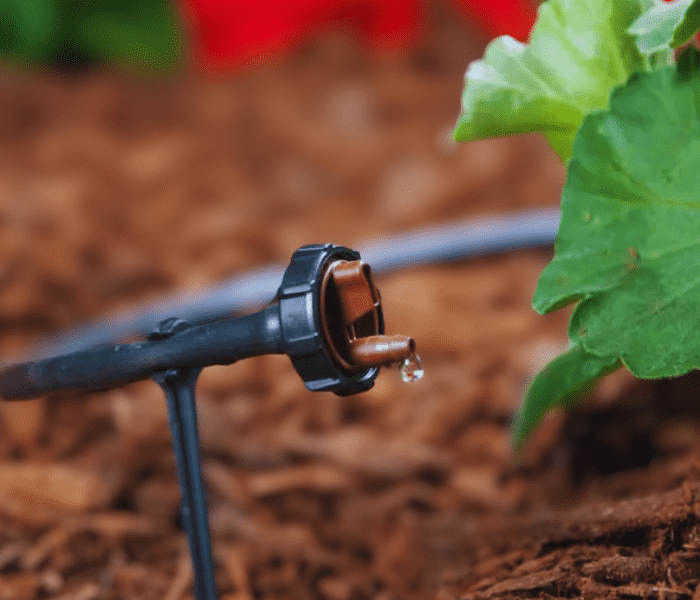
    Drip Emitters

    These small devices regulate water flow and distribute it evenly to the plants.

    Drip Tubing:

    A flexible tube carries water from the primary water source to the plants. It is punctured with holes for the emitters.

    Pressure Regulators:

    These devices maintain a constant and appropriate pressure level within the system, preventing damage to the emitters.

    Filters:

    Filters remove debris, sediments, and particles from the water, ensuring the emitters don’t clog and the system functions smoothly.

    Backflow Preventers:

    Backflow preventers prevent water from flowing backwards into the main water supply, protecting against contamination.

    Now that we have a basic understanding of the system components, let’s explore the must-have accessories that can enhance the efficiency and convenience of a drip irrigation system.

    Essential Drip Irrigation Accessories

    Water Timers:

    These devices automate the process by scheduling specific watering times, helping conserve water and ensuring plants receive consistent moisture.

    Pressure Gauges:

    Pressure gauges allow you to monitor the water pressure within the system, which is crucial for maintaining optimal pressure levels and ensuring the proper functioning of emitters.

    Punch Tools:

    Punch tools create holes in the drip tubing for inserting emitters, connectors, and fittings, making installation quick and easy.

    Connectors and Fittings:

    These accessories enable you to connect and extend the drip tubing, allowing for customization and adaptability to different garden layouts.

    Stake and Riser Assemblies:

    These support structures keep the drip emitters in place and elevate them above the ground, ensuring precise water delivery to the plants’ root zones.

    Advanced Drip Irrigation Accessories

    For those seeking more advanced features and automation, here are some additional drip irrigation accessories to consider:

    Moisture Sensors:

    These sensors measure the soil moisture levels and activate the system only when necessary, preventing overwatering and promoting water efficiency.

    Flow Meters:

    Flow meters accurately measure the water flow through the system, enabling you to monitor water usage and detect any irregularities.

    Fertilizer Injectors:

    Fertilizer injectors allow for the simultaneous application of water and nutrients, ensuring plants receive the necessary nourishment for optimal growth.

    Automated Controllers:

    These controllers provide advanced scheduling options, allowing you to program specific watering durations, intervals, and frequencies.

    Weather-Based Sensors:

    Weather-based sensors adjust the irrigation schedule based on weather conditions, such as rainfall or temperature. They help optimize water usage and prevent wastage.

    Tips for Choosing the Best Drip Irrigation Accessories

    When selecting drip irrigation accessories, consider the following factors:

    Compatibility with Existing System:

    Ensure your chosen accessories are compatible with your existing drip irrigation system to avoid compatibility issues.

    Quality and Durability:

    Invest in high-quality accessories that are built to last. They should withstand outdoor conditions and provide reliable performance over time.

    Ease of Installation and Maintenance:

    Choose simple accessories to install and maintain. This way, you’ll save time and energy, allowing you to focus more on taking care of your plants.

    Water Efficiency and Conservation:

    Opt for accessories that promote water efficiency and conservation. Look for features like adjustable flow rates and water-saving technologies.

    Budget Considerations:

    Consider your budget when selecting accessories. While investing in quality is essential, options are available to suit different price ranges.

    Common Mistakes to Avoid in Drip Irrigation Accessories

    To ensure the success of your drip irrigation system, avoid the following common mistakes:

    Underestimating Water Requirements:

    It’s crucial to calculate the water needs of your plants accurately. Underestimating water requirements can lead to inadequate hydration.

    Incorrect Placement of Emitters:

    Place the emitters close to the plants’ root zones to ensure efficient water delivery. Improper placement can result in uneven watering or wastage.

    Neglecting Maintenance:

    Regularly inspect and clean your drip irrigation system. Neglecting maintenance can lead to clogged emitters, leaks, and reduced system efficiency.

    Choosing Poor Quality drip irrigation Accessories:

    Invest in reputable brands and high-quality accessories. Poor-quality components may not perform as expected and could result in system failure.

    Enhance Your Drip Irrigation with High-Quality Drip Emitters

    Assess Watering Needs:

    Determine the specific watering requirements of your plants, considering factors such as plant type, size, and soil conditions.

    Choose the Right Emitters:

    Select high-quality drip emitters that match your plants’ flow rate and water distribution needs. Consider adjustable or pressure-compensating flow emitters for precise and consistent watering.

    Placement and Spacing:

    Position the drip emitters near the base of each plant, ensuring that water is directly applied to the root zone. Space the emitters evenly to distribute uniform water across your garden or field.

    Install Emitters:

    Connect the drip emitters to the mainline tubing using appropriate connectors. Ensure a secure and watertight connection to avoid leaks.

    Test and Adjust:

    Turn on the water supply and observe the drip emitters in action. Check for proper water flow and coverage. Make adjustments to the emitter positions or flow rates to achieve optimal watering.

    Regular Maintenance:

    Inspect the drip emitters regularly to ensure they function correctly. Clean or replace any clogged or damaged emitters to maintain consistent water delivery.

    Effortless Hole Punching for Drop-by-Drop Irrigation Systems

    Select the appropriate hole-punching tool:

    Choose a hole-punching tool specifically designed for drop-by-drop irrigation systems. Look for a tool with sharp punches or blades that can penetrate the tubing material easily.

    Position the hole punching tool:

    Place the sharp punches or blades of the hole punching tool directly over the marked hole locations on the tubing.

    Apply gentle pressure:

    With the hole punching tool positioned correctly, apply gentle pressure to the tool, allowing the punches or blades to penetrate the tubing material. Avoid applying excessive force to prevent damage to the tubing.

    Repeat the process:

    Move along the tubing, repeating steps 3 to 5 to punch holes at all the marked locations. Ensure consistent spacing and alignment between the holes for even water distribution.

    Inspect the punched holes:

    After completing the hole-punching process, inspect them to ensure they are clean and free from obstructions or burrs. Use a small tool to remove any debris or rough edges from the holes if needed.

    Conclusion

    Investing in the best drip irrigation accessories is essential for achieving optimal results with your drop-by-drop irrigation system. From water timers and pressure gauges to moisture sensors and automated controllers, the right accessories can enhance water efficiency, promote healthy plant growth, and simplify maintenance tasks. Choose accessories that suit your needs, consider compatibility and quality, and enjoy the benefits of a well-designed drop-by-drop irrigation system.

    Frequently Asked Questions (FAQ’s)

    Can I use any water timer with my drip irrigation system?

    While most water timers are compatible with drop-by-drop irrigation systems, checking the specifications and ensuring compatibility before making a purchase is essential.

    How often should I clean the filters in my micro irrigation system?

    Cleaning the filters depends on the water quality and the amount of debris present. Checking and cleaning the filters at least once a month is recommended.

    Are moisture sensors necessary for a trickle irrigation system?

    Moisture sensors are not necessary, but they can significantly improve water efficiency. They ensure that plants receive water only when needed, reducing the risk of overwatering.

    Can I install a trickle irrigation system on my own?

    Yes, trickle irrigation systems are designed for easy installation. However, if you need more clarification or have a complex layout, seeking professional assistance is recommended.

    How can I ensure the longevity of my micro irrigation system?

    Taking care of your micro irrigation system by regularly cleaning filters, checking for leaks, and replacing worn-out parts will make it last longer.

    Want to purchase a drip irrigation accessories? Visit our Agricomplex website to explore our wide range of Drip Irrigation products.

    People Also Asked

    What are the must-have tools for drip irrigation?

    The must-have tools for drip irrigation include drip emitters for precise water delivery and tubing cutters for easy installation and maintenance.

    How do I choose the best drip irrigation accessories?

    Drip Irrigation accessories, consider your needs and requirements, and opt for accessories that are compatible with your system while prioritizing quality and reliability.

    Can drip irrigation accessories be used for outdoor gardens?

    Drip irrigation accessories can be used for outdoor gardens, providing efficient and targeted watering to plants while conserving water and simplifying maintenance tasks.

    Can I automate drip irrigation with accessories?

    Yes, you can automate drip irrigation with accessories such as timers and controllers, allowing you to set schedules and durations for watering, making the process more convenient and efficient.

    Where can I purchase high-quality drip irrigation accessories?

    High-quality drip irrigation accessories can be purchased from reputable gardening supply stores or online retailers specializing in irrigation equipment. This ensures access to reliable and durable products for your irrigation needs.

  • Efficient Water Conservation Tips: Empower Your Impact

    Efficient Water Conservation Tips: Empower Your Impact

    Water conservation is essential in keeping our valuable resources. Combined with practical water conservation tips, drip irrigation systems can reduce water wastage. Examples include:

    1. Mulching
    2. Grouping plants with similar water needs
    3. Regularly inspecting and adjusting the irrigation system

    Implementing these strategies maximizes the benefits of drip irrigation and promotes sustainable gardening practices.


    Looking for effective water conservation tips?

    Drip irrigation is an excellent technique for conserving water, providing valuable tips to minimize water wastage. Directly supplying water to plant roots reduces evaporation and runoff, two major contributors to water loss. Unlike traditional sprinkler systems, drip irrigation employs a network of tubes, emitters, and timers to deliver water gradually and accurately, making it an ideal solution for water conservation. With its precise and targeted approach, drip irrigation is a valuable tip to optimize water usage and conserve this vital resource. Ready to learn more water conservation tips? Keep reading!


    Importance of Water Conservation

    Water conservation tips are crucial for our environment, reducing strain on water sources, preserving ecosystems, and securing water for the future. Drip irrigation is an effective method for water conservation, delivering water efficiently and preventing overwatering, making it beneficial for plants. Incorporate these water conservation tips to promote sustainability and protect our precious water resources.


    Benefits of Drip Irrigation

    Drip irrigation offers numerous benefits for both plants and gardeners. Some key advantages include:

    Efficient Water Usage:

    Drip irrigation is a great way to save water. It can cut water usage by half compared to traditional sprinkler systems. It gives water directly to the roots, so there’s less evaporation, and plants need the right amount of moisture.

    Weed Control:

    Drip irrigation helps control weed growth by giving water directly to the roots. This makes it harder for weeds to get the water they need, which helps keep them from growing too much.

    Prevents Disease:

    Using drip irrigation to water plants from below can prevent diseases caused by wet leaves, like fungal infections. This is because the water is delivered directly to the roots, keeping the foliage dry and reducing the risk of plant diseases.

    Nutrient Management:

    Drip irrigation systems can be equipped with fertilizer injectors, delivering nutrients precisely to plants’ root zones.


    Water Conservation Tips with Drip Irrigation

    Now, let’s explore some practical water conservation tips that can be implemented alongside drip irrigation systems:

    Choose Native and Drought-Resistant Plants

    When planning your garden or landscaping, choose plants native to your area that can resist drought. These plants are well-suited to your local climate and need less water to grow well. They can handle dry conditions better and go for extended periods without being watered often.
    Use Mulch to Reduce Water Evaporation

    Put a layer of natural mulch, like wood chips or straw, around your plants. Mulch is a protective cover that prevents water in the soil from evaporating and weeds from growing. It helps keep moisture in the area around the roots, which means you don’t have to water as often.
    Group Plants with Similar Watering Needs

    When planning your garden, arrange plants that need similar amounts of water together. This way, you can water them precisely and make sure each plant gets just the right amount of water without wasting any. You can save water and help your plants grow better by avoiding overwatering and underwatering.
    Install a Drip Irrigation System

    Consider getting a drip irrigation system for your garden or landscape. These systems are made to use water efficiently and avoid wasting it. Placing drip emitters close to the plants’ roots delivers the water precisely where needed. This helps conserve water and ensures your plants get the proper moisture.
    Utilize Rainwater Harvesting

    Collect rainwater in barrels or tanks to use with your drip irrigation system. Rainwater is chemical-free and can supplement your water supply when it’s dry. Using rainwater reduces the need for treated water, saving a lot of water.
    Monitor Soil Moisture

    It’s essential to check the moisture levels in your soil regularly. You can use a soil moisture sensor or assess the moisture content manually. This will help you determine when and how much water your plants need. Doing this can prevent underwater and overwatering, ensuring your plants receive the right amount of water.
    Schedule Watering Wisely

    Water your plants in the early morning or late evening when the temperature is more relaxed and evaporation rates are lower. This way, the plants can absorb the water better, and less water will be lost through evaporation. Avoid watering when it’s windy to prevent water from drifting away and being wasted.
    Perform Regular Maintenance

    Make it a habit to inspect and maintain your drip irrigation system regularly for effective water conservation tips. Look for any leaks, clogs, or damaged parts that could impact its efficiency. Clean the emitters to ensure a steady water flow and make necessary adjustments as your plants grow. By performing these simple maintenance tasks, you can keep your drip irrigation system working efficiently, contributing to water conservation efforts.
    Educate Yourself and Others

    Stay informed about water conservation practices and share your knowledge with others. Learn about local water rules, rebates, and incentives for using water-efficient technologies. By spreading awareness and sharing water conservation tips, you can actively promote sustainable water usage and contribute to a larger movement focused on conserving precious water resources.

    Water conservation methods for landscaping

    Water conservation tips are essential in landscaping to ensure the sustainable use of water resources. Here are some practical methods for conserving water in landscaping:

    Water-efficient plants:

    Select plants that are native to your region or can handle shortage conditions. These plants are well-suited to the local climate and can succeed with less water, even during periods of low rainfall.

    Mulching:

    Spread a layer of organic mulch, like wood chips or straw, around your plants and trees. Mulch helps keep the soil moist, prevents evaporation, and stops weeds from growing. This means you will only need to water less often.

    Irrigation system optimization:

    Install a water-efficient irrigation system, such as drip irrigation or soaker hoses, which deliver water directly to the plant roots with minimal evaporation or runoff. Use timers and sensors to adjust watering schedules based on weather conditions, and regularly inspect the system for leaks or malfunctions.

    Proper watering techniques:

    Water your plants deeply but less frequently to promote profound root growth in your plants. Avoid shallow and frequent watering, as it can result in shallow root systems and water loss due to evaporation. Water conservation tips can be applied by watering your plants during the early morning or late afternoon, which reduces evaporation and mitigates the risk of diseases caused by prolonged moisture. By following this practice, you can optimize water usage and contribute to water conservation efforts.

    Rainwater harvesting:

    Install a rainwater collection system, like rain barrels or cisterns, to gather rainwater from roofs and gutters. This collected water can be used for watering plants, which helps decrease the need for municipal water sources.

    Soil improvement:

    Enhance soil quality by adding organic matter, such as compost or mulch. Improving soil structure helps retain moisture and improves water infiltration, reducing runoff.

    Group plants based on water needs:

    Group plants with similar water requirements together, known as hydroponic. This allows for more efficient watering, as you can provide adequate moisture to each zone without overwatering or underwatering.

    Proper lawn care:

    When mowing your lawn, set the mower at a higher setting to encourage more profound root growth, which helps the grass retain moisture. Additionally, consider replacing some lawn areas with drought-tolerant ground covers or native plants.

    Regular maintenance:

    Inspect your landscaping regularly for leaks, broken sprinklers, or other issues that may be wastewater. Promptly fix any problems to minimize water loss.

    Education and awareness:

    Promote water conservation practices among family members, employees, or community members. Raise awareness about the importance of water conservation and provide information on efficient landscaping techniques.


    Water conservation Tips & techniques for gardening

    1. Use native and drought-tolerant plants.
    2. Group plants with similar water need together.
    3. Install drip irrigation or micro-sprinklers for precise watering.
    4. Apply mulch around plants and in garden beds to retain moisture.
    5. Collect rainwater in barrels or cisterns for irrigation.
    6. Implement greywater recycling for non-potable water needs.
    7. Reduce the size of turf areas or replace them with low-water alternatives.
    8. Regularly check for and promptly repair leaks in the irrigation system.
    9. Adjust sprinklers to avoid watering hardscaped areas.
    10. Monitor soil moisture levels and water accordingly to avoid overwatering.
    11. Include hardscaping features to reduce water-intensive vegetation.
    12. Consider xeriscaping techniques for water-efficient landscaping.

    Conclusion

    Water conservation tips are essential for protecting our environment and ensuring a promising future. You can save a lot of water in your garden or yard by utilizing drip irrigation systems and implementing water-saving tips. Drip irrigation not only helps plants grow better but also contributes to water conservation efforts. Let’s all start incorporating these water conservation tips to make our planet better for future generations.

    Get your 8/12 PVC Branch Pipe Micro Spray for Drip Irrigation, Garden Irrigation, and more at Agricomplex. Don’t wait, shop now!

    8/12 PVC Branch Pipe

    Looking to buy accessories for water conservation? Explore our Agricomplex website. Easy and helpful information just for you!”


    Frequently Asked Questions (FAQ’s)

    Can I install a drip irrigation system by myself?

    If you have basic DIY skills, you can install a drip irrigation system. However, consulting with a professional for larger or more complex installations is recommended.

    How much water can I save with drip irrigation?

    Water conservation for Drip irrigation can save up to 50% of water compared to traditional sprinkler systems. The amount of water saved depends on the climate, types of plants, and the design of the system.

    Is drip irrigation suitable for all types of plants?

    Drip irrigation can be adjusted to work well with different types of plants, such as trees, shrubs, flowers, and vegetables. It provides flexibility in delivering water exactly where it’s needed.

    Are there any maintenance tasks for drip irrigation systems?

    It’s essential to regularly maintain your drip irrigation system to keep it working efficiently. This involves checking for leaks, cleaning the emitters, and adjusting as plants grow.

    Can I use a drip irrigation system for potted plants?

    Yes, you can use a drip irrigation system for potted plants. You just need to use drip emitters or micro-sprinklers designed explicitly for containers.


    People Also Asked

    How does drip irrigation work?

    Drip irrigation works by delivering water directly to the roots of plants through tubes and emitters. This method saves water and ensures efficient irrigation.

    How do I install a drip irrigation system?

    To install a drip irrigation system, dig trenches for mainline tubing, connect it to a water source, lay drip tubing along plants, and install emitters at desired intervals.

    Does drip irrigation help conserve water?

    Save water with drip irrigation, a key water conservation tips that reduces evaporation and runoff while directly hydrating plant roots. Implement this technique to preserve water resources and contribute to sustainable practices.

    Which plants can be watered using drip irrigation?

    Plants like vegetables, fruits, flowers, and shrubs can be watered using drip irrigation.

    How often should I water my plants using drip irrigation?

    The frequency of watering with drip irrigation depends on factors such as the type of plants, soil conditions, and weather. Generally, watering them 1-3 times per week is usually enough.

  • Power Up with Soaker Hoses: Effortless Watering

    Power Up with Soaker Hoses: Effortless Watering

    When it comes to watering your garden or landscape, there are two popular options: drip irrigation and soaker hoses. Each method has pros and cons, and choosing the right one can significantly impact your plants’ health. This article will discuss the advantages and disadvantages of drip irrigation and soaker hoses, including their features, benefits, and limitations. By understanding the differences between these options, you can make an informed decision and improve your watering practices.


    Understanding Drip Irrigation

    Drip irrigation is a method of watering plants. It supplies water directly to their roots through tubes or pipes. It slowly and steadily applies water. Thus, it allows water to soak into the soil and reach the plants’ root systems. Micro irrigation systems include emitters, tubing, valves, and a controller. These components control the flow and timing of water distribution.

    Using Water Efficiently

    Drip irrigation is highly efficient when it comes to water usage. It delivers water directly to the plants’ roots. This targeted approach ensures that plants get the right amount of water while reducing water waste.

    Precise Nutrient Delivery

    Micro irrigation systems are also excellent at delivering nutrients directly to the plants’ roots. By adding fertilizers or other additives to the irrigation system, you can optimize nutrient uptake and improve the overall health of your plants.

    Reduced Weed Growth

    Since trickle irrigation delivers water only to the plants’ root areas, it limits the moisture available to weeds. Thus, it reduces weed growth and herbicides. It makes maintenance easier and more environmentally friendly.

    Suitable for Sloped or Uneven Landscape

    Trickle irrigation systems work well in gardens with slopes or uneven ground. The flexible tubing allows you to navigate obstacles and deliver water precisely where needed, regardless of the terrain. This adaptability ensures uniform watering and promotes healthy plant growth throughout the field.


    Limitation of Drip irrigation System:

    The limitations of drip irrigation are:

    Clogging:

    Drip emitters can get blocked by dirt, debris, or minerals in the water. This reduces the water flow and makes it uneven.

    High initial cost:

    Setting up a micro irrigation system can be costly because you need special equipment like emitters, filters, and pressure regulators.

    Maintenance needs:

    Drip systems need regular checking and care to work correctly. This includes looking for blockages, adjusting water flow, and replacing worn-out parts.

    Limited water coverage:

    Micro irrigation works best for plants with whole roots. It may not be suitable for crops with wide-spreading roots or notable areas that need more water.

    Easy to damage:

    Drip lines above the ground can be damaged by machines, animals, or people. This causes leaks and makes the system less effective.

    Water quality concerns:

    Trickle irrigation is sensitive to water quality issues like saltiness or chemicals. Poor water quality can cause blockages and harm plants.

    Energy requirements:

    Drip systems often need electricity to power pumps or filters, which increases costs.

    Less flexible:

    Drop systems are designed for specific setups and may need to quickly adapt to crop types, spacing, or field layout changes.

    Dependence on water source:

    Micro irrigation relies on a steady and good water supply. In places with little water or inconsistent availability, this can be a big problem.

    Skill and knowledge needed:

    Installing, operating, and maintaining a trickle irrigation system requires specific skills and knowledge that only some can access.


    Pros and Cons of the Drip Irrigation

    ProsCons
    Efficient water usageInitial installation costs can be high
    Reduces water evaporation and runoffRequires regular care and monitoring
    Suitable for both small and large areasRequires expertise for proper installation
    Promotes healthier plant growthRequires precise planning and design
    Minimizes weed growthClogging issues may occur in the system

    Understanding Soaker Hoses

    Soaker hoses are special hoses that allow water to slowly seep out along their entire length. They are made of a material that lets water pass through gently and evenly. Soaker hoses are usually placed on the ground near the base of plants or slightly buried in the soil.

    Cost-Effectiveness

    One great thing about soaker hoses is that they are affordable. They are not expensive like other irrigation systems, so they are a good choice for gardeners on a budget. They are also easy to install and require minimal maintenance.

    Versatility
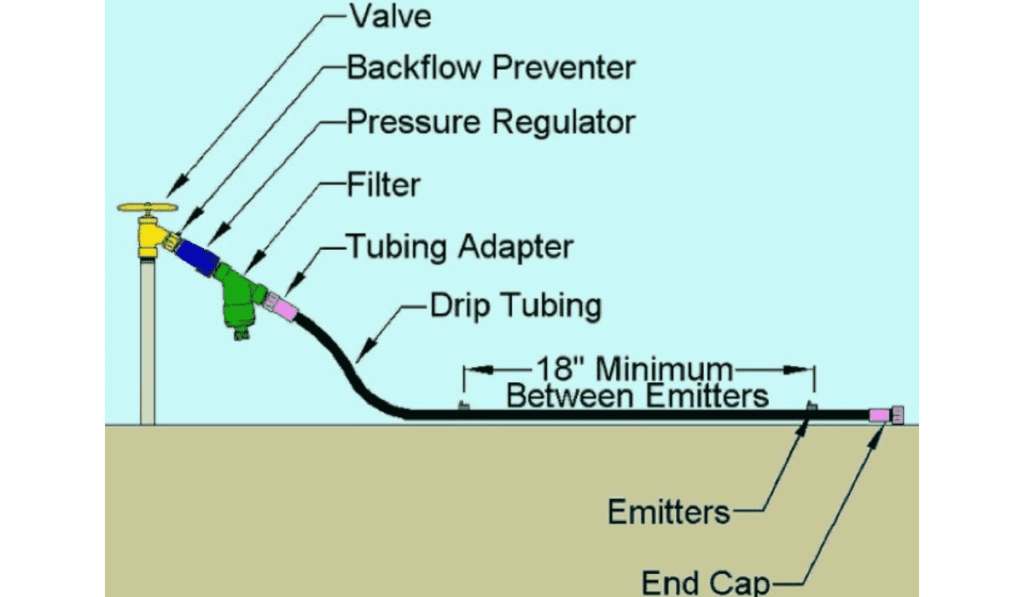
    Soaker hoses are versatile and work well with different garden layouts and plant types. You can easily customize them to fit different shapes and sizes of gardens, even if the plants are spaced irregularly. Soaker hoses are perfect for long, straight garden beds or rows of plants.

    Deep Root Watering

    Soaker hoses release water slowly, which helps water reach deep into the roots of plants. This encourages plants to develop deep root systems, making them stronger and drought-resistant. Soaker hoses are perfect for plants that already have deep roots.

    Limited Control over Water Distribution

    One downside of soaker hoses is that you can’t control exactly where the water goes. They provide even moisture along their length, but adjusting the amount of water for individual plants or sections is hard. This can be a problem if you have plants with specific watering needs.


    Pros and Cons of the Soaker Hoses

    ProsCons
    Easy to install and maintainRequires proper water pressure and flow
    Provides deep, targeted wateringMay require frequent monitoring
    Promotes water conservationNot suitable for all types of plants
    Reduces water runoff and evaporationCan be prone to clogging or uneven watering
    Cost-effective watering solutionLimited control over water distribution

    Drip Irrigation vs. Soaker Hoses: A Comparison

    CriteriaDrip IrrigationSoaker Hoses
    Water EfficiencyDelivers water directly to plant roots, minimizing wastage.Provides slow, steady water release directly to the soil surface.
    CustomizationAllows precise control over water volume and distribution.Less customizable, with water spread evenly along the hose.
    Plant CompatibilityIdeal for individual plants, especially in garden beds.Suitable for garden beds, vegetable rows, and densely planted areas.
    Installation ComplexityRequires initial setup involving tubing, emitters, and valves.It is simple to install to lay the hose and connect it to a water source.
    Pressure SensitivityWorks well under low pressure, making it suitable for slopes.Requires moderate pressure for optimal water release.
    Weed ControlLimits water to targeted plants, reducing weed growth.May water surrounding soil, increasing the potential for weeds.
    CostInitial setup costs are higher due to components and system design.More affordable with minimal equipment required.
    MaintenanceRequires periodic checks for clogging and emitter adjustments.It may experience clogging but is easier to identify and clean.
    ScalabilityEasily expandable with additional tubing and emitters.Limited expansion options due to fixed hose length.

    Factors to Consider when Choosing

    Consider these factors when choosing between drip irrigation and soaker hoses:

    1. How your garden is laid out and its terrain.
    2. The types of plants you have and how much water they need.
    3. Your budget and how much you can afford.
    4. How much control do you want over where the water goes?
    5. The time and effort you have for setting up and maintaining the system.

    By thinking about these things, you can make an intelligent choice and pick the watering system that works best for you.


    Which is Better?

    Deciding between drip irrigation and soaker hoses depends on your situation and what you like. Each system has its own benefits and drawbacks. Drip irrigation works well for gardens with different plants that need specific amounts of water. Soaker hoses are great if you want a cheaper option and have a simple garden with established plants.

    Ultimately, the best choice depends on factors like the size and layout of your garden, the types of plants you have, your budget, and how you want to control and maintain the water.


    Tips for Successful Drip Irrigation

    To make drip irrigation work well, follow these tips:

    1. Check the emitters often to see if they’re blocked. Clean them if needed.
    2. Keep an eye on the water pressure to make sure the system works its best.
    3. Put mulch around your plants. It keeps the moisture in and stops it from evaporating.
    4. Get a timer or controller. It helps automate when the watering happens.
    5. Look at the system regularly for leaks or damaged tubes. Fix or replace them as necessary.

    Tips for Using Soaker Hoses Effectively

    To use soaker hoses effectively, follow these tips:

    1. Place the hoses close to the plants’ base to deliver water efficiently.
    2. Arrange the hoses to fit the shape and size of your garden.
    3. Use timers or check regularly to avoid giving too much or too little water.
    4. Inspect the hoses often for any damage and replace them if needed.
    5. You can bury the hoses slightly beneath the soil to decrease evaporation.

    Environmental Impact

    Both drip irrigation and soaker hoses help save water and prevent waste compared to traditional sprinklers. They deliver water directly to the plant roots, using water efficiently and reducing runoff. Targeted watering also reduces the need for weed-killing chemicals, making them better for the environment.


    Cost Considerations

    Soaker hoses are generally cheaper than drip irrigation systems. They don’t require a significant investment for buying or setting up, so they’re a good choice for gardeners on a budget. Micro irrigation may cost more initially, but it gives you precise control over water usage. It can save money in the long run by reducing water consumption and the need for weed control.

    ItemDrip IrrigationSoaker Hoses
    Initial CostPKR 5,000 – 10,000PKR 2,000 – 5,000
    Installation CostPKR 2,000 – 5,000PKR 500 – 1,500
    Maintenance CostPKR 1,000 – 2,000/yearPKR 500 – 1,000/year
    Water EfficiencyHighMedium
    Lifespan10-15 years4-7 years
    Coverage AreaLargeMedium
    CustomizationHighly customizableLimited customization
    Overall Cost EffectivenessHighMedium

    Conclusion

    In summary, drip irrigation and soaker hoses have advantages and disadvantages for watering your garden or field. Micro irrigation saves water, provides proper nutrient delivery, and reduces weed growth. However, it can become clogged, has higher initial costs, and requires maintenance. Soaker hoses are cheap, easy to set up, and water plants deeply. However, they need more precise water control and can also become blocked.

    When deciding between the two, consider factors such as your garden or field layout, types of plants, budget, desired water control, and available time for maintenance. Trickle irrigation suits gardens with different plant needs, while soaker hoses are better for simple gardens with selected plants.

    Both methods save water and are more efficient than using sprinklers. Soaker hoses are more budget-friendly, while micro irrigation saves water and helps control weed growth.

    Ultimately, the choice depends on your specific circumstances. Consider the factors mentioned to make an informed decision and maintain a healthy garden or field.


    Get your 8/12 PVC Branch Pipe Micro Spray for Drip Irrigation, Garden Irrigation, and more at Agricomplex. Don’t wait, shop now!

    8/12 PVC Branch Pipe

    Want to purchase accessories about Drip Irrigation or Soaker Hoses? Visit our Agricomplex website. Easy and helpful information just for you!


    Frequently Asked Questions (FAQ’s)

    Can I use drip irrigation and soaker hoses in my garden?

    Yes, you can use both methods in your garden if you have different types of plants with different watering needs. You can provide optimal water distribution by strategically placing micro irrigation and soaker hoses.

    Which watering method is best for potted plants?

    Drip irrigation is often the most useful method for potted plants because it delivers water directly to the roots. Thus, prevents excessive moisture on the plant’s leaves and reduces the risk of diseases.

    Are drip irrigation systems suitable for large-scale agricultural operations?

    Micro irrigation can be scaled up for large-scale agricultural operations. However, careful planning, design, and maintenance are essential to ensure efficient water distribution and cost-effectiveness.

    Can soaker hoses be used on hilly terrains?

    Soaker hoses are generally not recommended for hilly landscapes as water may collect in lower areas. Thus, resulting in uneven watering. Drip irrigation is a more suitable option for sloped or uneven landscapes.

    How long should I run my drip irrigation or soaker hose system?

    The watering duration depends on various factors, including the specific needs of your plants, the type of soil, and the weather conditions. Observing the soil moisture and adjusting the watering schedule to avoid overwatering or underwatering.


    People Also Asked

    What are some tips for using soaker hoses effectively?

    Use soaker hoses well, close them to your plants, arrange them to fit your garden, use timers or check regularly for proper watering, and look for damage.

    What is the environmental impact of drip irrigation and soaker hoses?

    Both drip irrigation and soaker hoses help save water, reduce runoff, and avoid using too many chemicals. This makes them suitable for the environment.

    What are the cost considerations for drip irrigation and soaker hoses?

    Soaker hoses are usually cheaper than drip irrigation, but micro irrigation gives you more control over water usage. This can save you money in the long term.

    What is the lifespan and coverage area of drip irrigation and soaker hoses?

    Drip irrigation systems typically last 10-15 years and cover a large area, while soaker hoses last 4-7 years and cover a medium-sized area.

    What is the overall cost effectiveness of drip irrigation and soaker hoses?

    Drip irrigation is highly cost-effective, while soaker hoses have moderate cost effectiveness.

  • Experience the benefits of Drip Irrigation for Healthy Plants

    Experience the benefits of Drip Irrigation for Healthy Plants

    Drip irrigation delivers water directly to the root zone of plants using a system of tubes or pipes with small emitters or drippers. The benefits of drip irrigation system contribute to efficient water usage, improved plant health, and reduced weed growth.

    The benefits of drip irrigation make it widely used in gardens, landscapes, and agricultural settings, enabling water conservation and enhancing plant health. Drip irrigation is known for its efficiency because it provides plants with a consistent and controlled water supply. In this article, we will discuss the benefits of drip irrigation system.


    Benefits of drip irrigation system

    Drip irrigation offers several benefits for efficient water usage, improved plant health, and reduced weed growth. These benefits make it a sustainable and environmentally friendly choice for irrigation in various settings. Here are the key advantages of drip irrigation:

    Water conservation

    Water conservation is highlighted firstly in the benefits of the drip irrigation system. Its highly efficient watering method delivers water directly to the plant’s root zone and minimizes water wastage. This targeted approach ensures that water is used more effectively, resulting in significant water savings compared to other irrigation methods.
    Enhanced plant health

    Enhancing plant health is also included in the benefits of drip irrigation systems. It provides plants with a consistent and controlled water supply. It promotes healthier growth and development by delivering water directly to the plant’s root zone. Therefore, drip irrigation ensures that plants receive sufficient water without excessive moisture.
    Reduced weed growth

    Drip irrigation systems deliver water only to the desired plant’s root zone, minimizing water availability to weeds. Since water is not sprayed over a large area, the soil surface between plants remains relatively dry, discouraging weed germination and growth. Additionally, drip irrigation reduces weed competition by providing water directly to the desired plants, enabling them to outcompete weeds for resources.
    Improved fertilizer efficiency


    Drip irrigation allows for the precise application of fertilizers directly to the plant’s root zone. By supplying nutrients directly to the roots, fertilizers are more efficiently absorbed. Therefore minimizing nutrient leaching and wastage. As a result, the overall amount of needed fertilizers decreased.
    Customizable and scalable

    Drip irrigation systems are highly versatile and can be tailored to meet specific needs. They can be designed to accommodate various soil types, plant types, and terrain. Drip systems are easily expandable, allowing new plants or areas to be added without significant modifications.
    Soil erosion prevention

    Drip irrigation applies water directly to plants’ root zone, minimizing water’s impact on the soil surface. Drip irrigation helps prevent soil erosion, especially on sloped terrain, by reducing the force of water hitting the ground. This is particularly beneficial in areas prone to erosion or where soil conservation is a concern.
    Energy efficiency

    Drip irrigation systems operate at a lower pressure than traditional sprinkler systems, reducing energy requirements for pumping water. The lower pressure requirements translate into energy savings, making drip irrigation an energy-efficient choice for irrigation, primarily when powered by renewable energy sources.
    Weed control

    Drip irrigation reduces water availability to weed seeds and seedlings by delivering water only to the desired plants. This targeted watering method helps suppress weed growth and minimizes the need for manual weeding or herbicide application. As a result, drip irrigation can contribute to a more weed-free and visually appealing landscape.
    Disease prevention

    Disease prevention is also included in the benefits of drip irrigation. It keeps plant foliage dry by delivering water directly to the root zone. This moisture control helps reduce the likelihood of fungal diseases that thrive in damp conditions. Drip irrigation can help prevent diseases such as powdery mildew and leaf spot by minimizing leaf wetness, leading to healthier plants and reduced reliance on fungicides.
    Versatility with water sources
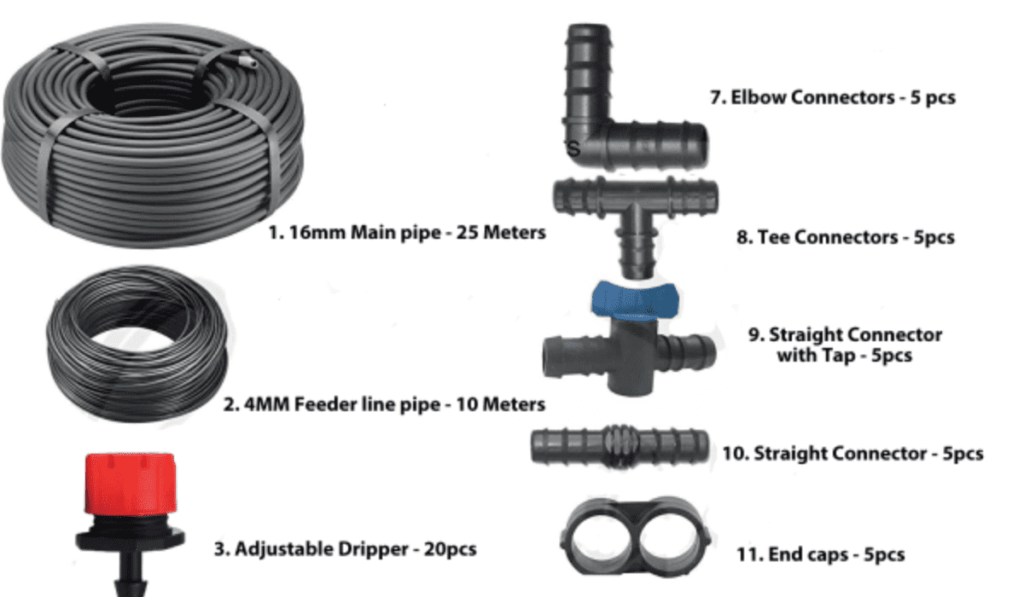
    These systems can be designed to accommodate various water sources. These sources include recycled or treated water. By utilizing alternative water sources, drip irrigation helps conserve freshwater resources, reducing the strain on traditional water supplies.
    Reduced labor and maintenance

    Once installed, drip irrigation systems require minimal maintenance compared to other irrigation methods. The absence of sprinklers or overhead watering reduces the need for adjusting and cleaning sprinkler heads. Additionally, the precise water application of drip irrigation reduces watering frequency. It allows for automated scheduling, reducing labor and time spent on manual irrigation.
    Improved crop yield and quality

    The consistent and precise water supply provided by drip irrigation can improve crop yields and higher-quality produce. Drip irrigation promotes optimal growth conditions by ensuring that plants receive water and nutrients when needed, leading to healthier and more productive crops. Unlock the Profitability Potential in Agriculture with the Precious Benefits of Drip Irrigation.

    Conclusion

    In summary, the advantages and benefits of drip irrigation system are wide range over traditional watering methods. Firstly, it conserves water by delivering it directly to the root zone, minimizing evaporation and runoff. These advantages make drip irrigation desirable for various applications, from minor to large-scale agricultural operations. It contributes to sustainable water management and efficient plant growth.

    Additionally, drip irrigation promotes healthier plants by providing a consistent water supply, reducing the risk of overwatering or underwatering. Furthermore, the benefits of drip irrigation encompass the controlled water application, preventing weed growth as the foliage remains dry.


    Frequently Asked Question (FAQ’s)

    What are the benefits of drip irrigation?

    The benefits of a drip irrigation system include water conservation, enhanced plant health, reduced weed growth, improved fertilizer efficiency, and customizable scalability. An efficient and sustainable irrigation method promotes resource conservation and optimal plant growth.

    How do I install a drip irrigation system?

    Installing a drip irrigation system involves laying out the tubing or pipes along the planting area, connecting them to a water source, and placing emitters near the plants. Following manufacturer instructions or consulting a professional for proper installation is recommended.

    How much water does drip irrigation save compared to other methods?

    Drip irrigation is known for its water-saving capabilities. On average, drip irrigation can save 30-50% more water than traditional sprinkler systems, as it delivers water directly to plant roots with minimal evaporation and runoff.

    Can I automate my drip irrigation system?

    Yes, drip irrigation systems can be automated using timers or controllers. These devices allow you to set specific watering schedules, ensuring that your plants receive water consistently and efficiently, even when you cannot manually operate the system.

    How do I maintain a drip irrigation system?

    Routine maintenance for a drip irrigation system includes checking for clogged emitters, repairing or replacing damaged tubing, and adjusting the system as plants grow. Flushing the system periodically can help prevent clogs and ensure optimal performance.

    Get your 8/12 PVC Branch Pipe Micro Spray for Drip Irrigation, Garden Irrigation, and more at Agricomplex. Don’t wait, shop now!

    8/12 PVC Branch Pipe

    Want to learn more about Benefits of Drip irrigation? Visit our website. Easy and helpful information just for you!


    People Also Asked

    Can a drip irrigation system help reduce weed growth?

    Yes, drip irrigation systems can contribute to weed control. By delivering water directly to the plant roots, the surrounding soil remains relatively dry, making it less favorable for weed germination and growth. Additionally, targeted water delivery prevents weed seeds from being dispersed by sprinkler systems or overhead watering.

    Do drip irrigation systems save time and labor compared to other methods?

    Yes, drip irrigation systems can save both time and labor. Once properly installed and set up, they require minimal maintenance and allow for automated watering schedules. This eliminates manual watering and reduces the time and effort spent on irrigation tasks, freeing up resources for other essential gardening activities.

    Are there any additional benefits of drip irrigation systems?

    In addition to water conservation, improved plant health, and reduced weed growth, drip irrigation systems offer several other advantages. These include reduced soil erosion, prevention of leaf diseases caused by excessive moisture, and the ability to apply fertilizers and nutrients directly to the plant roots, enhancing their absorption and effectiveness. The benefits of drip irrigation extend beyond water efficiency and contribute to overall crop productivity and sustainability.

    Does a drip irrigation system promote environmental sustainability?

    Absolutely! Drip irrigation systems align with environmental sustainability goals in multiple ways. Conserving water, they help protect this valuable resource, especially in regions prone to drought or water scarcity. Additionally, the benefits of drip irrigation extend to a healthier environment as it reduces the reliance on chemical fertilizers and pesticides that can potentially leach into groundwater.

    Can a drip irrigation system be integrated with smart technology?

    Drip irrigation systems can be integrated with smart technology and automated systems. This allows precise control over watering schedules, duration, and flow rates. Using sensors, timers, and controllers, you can optimize irrigation efficiency, respond to weather conditions, and even remotely control the system using smartphone apps or computer interfaces.

  • Building Blocks of Water Conservation: Discover the Essential Parts

    Building Blocks of Water Conservation: Discover the Essential Parts

    Water conservation is an innovative and effective way to give plants the necessary water. Unlike traditional methods that spray water everywhere, water conservation slowly delivers water to the plant’s roots. This article explores some advanced techniques for water conservation that make it work even better.


    Introduction

    Water conservation from drip irrigation, which brings water directly to the plant’s roots, utilizes small tubes or pipes with unique parts that release water slowly and evenly. This method is popular due to its advantages over other watering techniques, promoting the efficient use of water resources and supporting sustainable agriculture.


    Benefits of drip irrigation

    The benefits of water conservation are that it saves water, keeps plants healthy, helps crops grow better, and prevents weeds. Delivering water gives plants just the right amount of moisture without wasting any. Water conservation practices can also be adjusted to fit the needs of different plants, making it a great way to rinse them.


    Parts of the Drip Irrigation System

    To understand the advanced techniques in water conservation, we need to know about the essential parts of the system. These parts work together to ensure the water is distributed and the system works properly.

    Drip emitters:

    Drip emitters are special devices that release water in a controlled way. They come in different types, like pressure-compensating emitters, adjustable emitters, and dripper lines. Pressure-compensating emitters ensure the water flow stays the same even if the pressure changes, so it gets spread evenly.

    Pressure regulator:

    A pressure regulator is an important part that keeps the water pressure steady in the drip irrigation system. It stops the pressure from getting too high, which could clog or damage the emitters. This helps the system work at its best.

    Filters:

    Filters stop dirt, sand, and other things from getting into the drip irrigation system. They keep the emitters clean and clear so the water can flow without any problems. This keeps the system running smoothly and lasting longer.

    Backflow preventer:

    A backflow preventer is installed to prevent contaminated water from returning to the main water supply. It ensures the water used for irrigation doesn’t mix with clean drinking water. This keeps the irrigation system safe and protects the environment.


    Designing a Drip Irrigation System

    To create an effective drip irrigation system for water conservation, you need to think about a few essential things. Here are the key points to consider:

    Figuring out how much water you need:

    Knowing how much water your plants require is essential to design a sound drip irrigation system. You have to consider things like the type of plants you have, their growth stage, the climate you’re in, and the soil condition. These factors will help you determine how much water you need and how often to water your plants.
    Deciding where to put the water outlets:

    The placement of the water outlets, called emitters, is crucial for ensuring the water is distributed evenly across the planting area. This depends on the water needs of your plants, the type of soil you have, and the slope of the land. Proper placement of the emitters prevents your plants from being underwatered or overwatered and helps them thrive.
    Choosing the suitable size pipes:

    Selecting the correct pipe size is essential to maintain the proper water pressure and flow rate. The size of the pipes depends on things like the pressure of your water source, how long your system is, and the rate at which water needs to flow.

    Installation Process

    Proper installation is crucial for your drip irrigation system to work well. Here are the steps you need to follow:

    1. Getting the area ready: Before you start installing the system, make sure to remove any rocks, debris, or weeds from the area. This will simplify the installation process and reduce the chances of damaging the system.
    2. Installing the emitters and fittings: Attach the drip emitters, fittings, and connectors to the sub-mainlines. Place the emitters close to the plants so they cover the roots adequately. Make sure to tighten the fittings and connectors securely to prevent any leaks.
    3. Placing the mainline and sub-mainlines: Begin by laying out the mainline, which connects the water source to the planting area. Then, connect the sub-mainlines to the mainline. The sub-mainlines deliver water to specific zones or rows.

    Best practices for advanced drip irrigation

    When using advanced drip irrigation techniques, following these practices can help you use water more efficiently, improve how well it works, and get the most out of your crops:

    Soil and Water Management:

    1. Test the soil to see how much water it can hold and how quickly it absorbs water.
    2. Use sensors or tensiometers to check the moisture in the soil and avoid giving it too much or too little water.
    3. Use mulching to cover the soil and keep the water from evaporating too quickly.
    4. Try things like contour ploughing, terracing, or cover cropping to help save water in the soil.

    System Design and Layout:

    1. Use drippers or emitters that distribute water evenly, especially in long irrigation lines or areas with different elevations.
    2. Use devices like pressure regulators and gauges to control the water flow and ensure the system isn’t damaged.
    3. Decide where to put the drip lines or emitters based on what the crops need, the soil type, and the water available.
    4. Divide the irrigation system into zones based on the crops’ water needs. This way, you can control the water better.

    Automation and Monitoring:

    1. Use technology like soil moisture sensors and weather-based controllers to decide when to water and how much to use automatically.
    2. Install monitoring systems that let you check how well everything works and get alerts if something goes wrong.
    3. Connect the irrigation system to a central farm management system or software so you can analyze data and make better decisions.

    System Maintenance and Management:

    1. Regularly check and clean the filters to prevent clogging and ensure the water flows nicely.
    2. Fix leaks, damaged lines, or broken emitters quickly to avoid wasting water.
    3. Plan regular maintenance to replace worn-out parts, check the valves, and make sure the system works properly.
    4. Train the farm staff on how to use and take care of the system so they can avoid mistakes and keep everything running smoothly.

    Fertigation and Nutrient Management:

    1. Use fertigation by adding fertilizers or nutrients to the irrigation system. Make sure to use the right amount so you don’t overdo it.
    2. Test the soil and plant tissue regularly to see what nutrients are needed and adjust the fertilizer accordingly.
    3. Use organic fertilizers or soil additives to keep the drip system and deliver nutrients effectively.

    Continuous Learning and Adaptation:

    1. Keep up with the latest water conservation techniques and try new methods that suit your farm’s needs.
    2. Attend workshops, seminars, and conferences to learn from experts and share your experiences with other farmers.
    3. Keep records of your irrigation schedule, how well the system works, and how the crops respond. This will help you make better decisions based on data.

    Advanced Techniques of Water Conservation

    As drip irrigation technology advances, some advanced techniques can enhance its effectiveness. Here are a few special techniques.

    Pressure-compensating emitters:

    These emitters provide a consistent flow rate regardless of changes in water pressure. This ensures that water is distributed evenly, even in areas with varying elevations or long irrigation lines.

    Fertigation:

    Fertigation is the process of applying fertilizers through the water conservation. It allows for precise and controlled delivery of nutrients directly to the plant roots, improving nutrient uptake and plant health.

    Automation and control systems:

    Automation and control systems enable remote monitoring and control of the drip irrigation system. These systems can be programmed to adjust watering schedules, monitor soil moisture levels, and optimize water usage based on weather conditions.


    Environmental Considerations

    Drip irrigation offers several environmental benefits compared to traditional methods. Here are some essential things to consider.

    Water conservation:

    Drip irrigation significantly reduces water usage by delivering water directly to the plant roots. It minimizes evaporation and runoff, making water use more efficient.

    Use of recycled water:

    Drip irrigation systems for water conservation can be designed to use recycled or reclaimed water sources, reducing the need for freshwater. This promotes sustainable water management practices.

    Impact on soil health:

    Drip irrigation promotes better soil health by minimizing soil erosion and compaction. It allows for controlled watering, preventing oversaturation and nutrient loss.


    Case Studies and Success Stories

    Many farmers and agricultural businesses have seen significant benefits from using drip irrigation. Here are a few examples:

    Improved crop yields:

    Farmers using drip irrigation have reported increased crop yields due to better water efficiency and healthier plants. Fruits, vegetables, and cash crops have shown remarkable improvements in both quality and quantity.

    Water savings:

    Drip irrigation has been proven to save significant water compared to traditional methods. Studies have shown up to 50% water savings in various agricultural and horticultural applications.


    Conclusion

    Advanced techniques in water conservation have revolutionized plant watering, offering improved efficiency, water conservation, and better plant health. Farmers and gardeners can optimize their irrigation practices by using pressure-compensating emitters, practicing fertigation, and adopting automation. Water conservation’s environmental advantages, such as water conservation and soil health improvement, make it a sustainable choice for the future.

    Get your 8/12 PVC Branch Pipe Micro Spray for Drip Irrigation, Garden Irrigation, and more at Agricomplex. Don’t wait, shop now!

    8/12 PVC Branch Pipe

    Frequently Asked Questions (FAQ’s)

    How much water can be saved with drip irrigation?

    Water conservation from Drip irrigation can save up to 50% of water compared to traditional irrigation methods, as it delivers water directly to the root zone, minimizing evaporation and runoff.

    Can drip irrigation be used for all types of crops?

    Drip irrigation suits various crops, including fruits, vegetables, flowers, and trees. It can be customized to meet the specific water requirements of different plants.

    How long does a drip irrigation system last?

    A well-maintained drip irrigation system can last for 15 to 25 years. Regular maintenance, such as cleaning filters and replacing damaged components, ensures longevity.

    Is drip irrigation cost-effective?

    While the initial setup cost of a drip irrigation system may be higher than traditional methods, the long-term benefits, including water savings and improved crop yield, make it cost-effective in the long run.

    Can drip irrigation be used in hilly terrain?

    Drip irrigation can be used in hilly terrain with proper design and planning. The system can be customized to accommodate elevation changes and deliver water effectively to all areas.

    Looking to enhance your knowledge about Drip irrigation? Explore our informative blog posts on the topic.

    looking to purchase a Drip irrigation accessories for Water conservation? Visit our Agricomplex website. Easy and helpful information just for you!


    People Also Asked

    What are the benefits of advanced drip irrigation techniques?

    The benefits of advanced drip irrigation techniques include improved water efficiency, increased crop yields, reduced weed growth, and enhanced nutrient delivery.

    How does drip irrigation conserve water?

    Drip irrigation conserves water by delivering water directly to the plant’s root zone, minimizing evaporation and reducing water waste.

    What types of crops can benefit from advanced drip irrigation?

    Advanced drip irrigation can benefit various crops, including vegetables, fruits, row crops, orchards, vineyards, and even landscape plants.

    Are there any specific tools required for advanced drip irrigation?

    Specific tools required for advanced drip irrigation include drip emitters, pressure regulators, filters, drip lines, valves, and controllers.

    How do I determine the proper spacing for drip irrigation systems?

    To determine the proper spacing for drip irrigation systems, consider plant water needs, soil type, climate, and desired water distribution uniformity.

  • Unlocking the Power of Micro Irrigation: Maximizing Efficiency and Growth

    Unlocking the Power of Micro Irrigation: Maximizing Efficiency and Growth

    Properly watering plants is vital for maintaining their health and ensuring efficient water usage in gardening and farming. Micro irrigation is a popular way to water plants because it’s efficient and accurate. In this article, we’ll discuss how to improve your watering schedule with Micro irrigation. We’ll examine why it’s good and what can affect the schedule. We’ll also give you a simple guide to help you how to water your plants in the best way.


    Understanding Drip Irrigation

    Drip irrigation provides water to plants by sending water straight to their roots through tubes or emitters. Unlike sprinkler systems that spread water all over, Micro irrigation delivers water exactly where needed. This method helps prevent water from evaporating, lowers the growth of weeds, and keeps the soil moisture just right.


    Benefits of Trickle Irrigation

    Drip irrigation has many advantages compared to traditional watering methods:

    1. Saves Water: Micro irrigation delivers water straight to the roots, reducing waste from evaporation and runoff.
    2. Fewer Weeds: By providing water only to the plant’s roots, trickle irrigation limits moisture for weeds, keeping their growth in check.
    3. Healthier Plants: Precise water delivery ensures plants get the right amount of hydration. This leads to better growth and more productivity.
    4. Lower Risk of Disease: Micro irrigation avoids watering the leaves. Thus, reducing the chances of plant diseases caused by wet foliage.
    5. Time and Effort Saving: Drop-by-drop irrigation systems need less maintenance and manual work once correctly set up than traditional watering methods.

    Factors Affecting the Watering Schedule

    To make your watering schedule beneficial with Drip irrigation, you need to think about these factors:

    1. Type of Plant and Stage of Growth: Different plants need different amounts of water depending on their species, how old they are, and the environment they’re in.
    2. Type and Composition of Soil: The kind of soil you have affects how well it holds water and how quickly it drains.
    3. Climate and Weather: How hot or cold it is, how much it rains, and how humid it is. All affect how often and how much water your plants need.
    4. Sunlight: Plants that get a lot of sunlight might need watering more often because the water can evaporate faster.
    5. Size and Material of Containers: Growing plants in pots or containers might need watering more often than in the ground because the soil volume is smaller, and the water dries up quickly.

    Importance of Watering Schedule Optimization

    Optimizing your watering schedule with drip irrigation is really important for these reasons:

    1. Saving Water: Micro irrigation delivers the right amount of water directly to the roots, so less water is wasted. It helps protect our valuable water resources.
    2. Healthy Plants and Growth: When you have a well-optimized watering schedule, your plants get the right amount of water they need. This helps them grow well and be more productive.
    3. Saving Money: Trickle irrigation reduces water usage and the risk of overwatering. This can lead to notable savings on your water bills.
    4. Saving Time: When you optimize your watering schedule, you don’t have to guess how much water your plants need. You can automate the process and save time by not having to water manually.
    5. Being Environmentally Friendly: Micro irrigation is a sustainable way to garden. It helps reduce water usage and prevents runoff, which is better for the environment.

    Tips for Efficient Watering with Drip Irrigation

    To make your drop-by-drop irrigation system as efficient as possible, follow these tips:

    1. Mulch the Soil: Spread organic mulch around your plants. This helps reduce water evaporation, keep the soil moist, and prevent weed growth.
    2. Group Plants with Similar Water Needs: Arrange your plants in clusters based on their water requirements. This prevents overwatering or underwatering specific areas.
    3. Check and Clean Emitters: Regularly inspect the emitters in your drip irrigation system. Remove any clogs or blockages to ensure proper water flow.
    4. Consider Using a Smart Controller: Upgrade your system with an intelligent controller that adjusts watering schedules based on real-time weather data and soil moisture levels.
    5. Maintain the System: Perform regular maintenance tasks like checking for leaks, adjusting the system as plants grow, and replacing worn-out parts.

    Common Mistakes to Avoid

    When optimizing your watering schedule with drip irrigation, avoid these common mistakes:

    1. Overwatering: Giving plants too much water can cause root rot, nutrient loss, and unnecessary water usage.
    2. Underwatering: Insufficient water can stress plants, slow their growth, and reduce productivity.
    3. Poor System Design: Improperly designed micro irrigation systems may distribute uneven water.
    4. Failure to Adjust the Schedule: Remember to adjust the watering schedule according to plant needs, weather conditions, and seasonal changes can lead to awful growth and water wastage.
    5. Neglecting Maintenance: Ignoring regular care tasks can result in clogged emitters, leaks, or system malfunctions, compromising efficiency.

    Watering Schedule Optimization with Drip Irrigation for different Plants

    Plant TypeSoil TypeSunlight ExposureWatering Schedule
    TomatoesSandy loamFull sunlightEvery 2 days for 30 minutes
    RosesClayPartial shadeEvery 3 days for 20 minutes
    LettuceLoamyFull sunlightEvery 1 day for 15 minutes
    SucculentsSandyFull sunlightEvery 5 days for 10 minutes
    Citrus TreesWell-drainedFull sunlightEvery 4 days for 40 minutes

    Conclusion

    Watering Schedule Optimization with Micro Irrigation is essential for gardeners and farmers. By considering factors that affect watering needs, setting up an efficient Micro irrigation system, and regularly monitoring and adjusting the schedule, you can save water, keep your plants healthy, and have a successful harvest. Embrace the benefits of drip irrigation and take proactive steps towards sustainable and effective watering practices in your garden.

    Get your 8/12 PVC Branch Pipe Micro Spray for Drip Irrigation, Garden Irrigation, and more at Agricomplex. Don’t wait, shop now!

    8/12 PVC Branch Pipe

    Frequently Asked Questions (FAQ’s)

    How does Micro irrigation help save water?

    Micro irrigation delivers water directly to the plant’s roots. Thus, minimizes water loss from evaporation and runoff. This targeted system reduces water waste and helps conserve our water resources.

    Can I use trickle irrigation for all types of plants?

    Yes, trickle irrigation can be used for various plants, such as vegetables, flowers, shrubs, and trees. However, it’s essential to consider the specific water needs of each plant and adjust the system accordingly.

    What are the benefits of using an intelligent controller with drip irrigation?

    An intelligent controller uses weather data and soil moisture measurements to adjust the watering schedule automatically. This optimizes water usage, reduces the risk of overwatering, and ensures plants receive the right amount of water based on real-time conditions.

    How often should I adjust my watering schedule?

    Regularly monitor soil moisture levels, plant health, and weather conditions to determine if adjustments are needed. Changes may be required due to seasonal variations, plant growth stages, or shifts in weather patterns.

    Are there any other maintenance tasks for drip irrigation systems?

    Yes, drip irrigation systems require regular maintenance. Tasks include checking for leaks, cleaning emitters, adjusting the system as plants grow, and replacing worn-out parts. Regular maintenance ensures the system works efficiently and effectively.

    looking to purchase a Drip irrigation accessories? Visit our Agricomplex website. Easy and helpful information just for you!


    People Also Asked

    How does micro irrigation work?

    Micro irrigation delivers water right to plant roots using tubes or emitters, ensuring efficient and even water distribution.

    What are the benefits of drip irrigation?

    Drip irrigation saves water by reducing evaporation and runoff, stops weeds from growing, helps plants stay healthy, lowers the risk of disease, and needs less maintenance time and effort.

    What factors affect the watering schedule with drip irrigation?

    The watering schedule in micro irrigation depends on the plant type and growth stage, soil type and composition, climate and weather conditions, amount of sunlight, and the size and material of containers.

    Why is it essential to optimize the watering schedule with drop-by-drop irrigation?

    Optimizing the watering schedule in drop-by-drop irrigation saves water, helps plants grow well, saves money, saves time, and supports environmentally friendly gardening.

    How can an intelligent controller improve drip irrigation?

    An intelligent controller can adjust watering schedules using weather data and soil moisture levels. This ensures that water is used wisely and plants stay hydrated.