Drip irrigation is a type of irrigation system that delivers water directly to the roots of plants, providing them with a controlled and efficient water supply. It involves using narrow tubes or pipes with small openings called emitters or drippers. This article will guide you on How to Maximize Efficiency with Drip Irrigation in Pakistan.
These drippers release water slowly and evenly near the base of each plant. This method allows for precise water application, reducing waste and optimizing water usage. This article will discuss how to Maximize Efficiency with Drip Irrigation. Let’s start.
Maximizing Efficiency with Drip Irrigation-Tips and Tricks
Drip irrigation is a revolutionary technique. It has transformed the way we irrigate our crops and gardens. It offers a more efficient and precise method of delivering water directly to plant roots. As a result, significant water savings and improved plant health. Here are some tips and tricks to maximize efficiency with drip irrigation:
Design an Efficient System
Analyze your site’s specific needs and layout before designing the system.
Select high-quality drip irrigation components, including pipes, emitters, and filters.
Ensure proper spacing and layout of drip lines and emitters to evenly distribute water.
Use Water Wisely
Monitor and manage water usage by scheduling irrigation based on plant needs.
Incorporate soil moisture sensors to determine when and how much to irrigate.
Avoid overwatering by adjusting the irrigation schedule according to weather conditions.
Maintain System Performance
Regularly inspect and clean emitters and filters to prevent clogging.
Check for leaks, damaged tubing, or faulty emitters and repair them promptly.
Perform routine system maintenance to ensure optimal performance.
Optimize Nutrient Delivery
Incorporate fertilizers and nutrients directly into the drip irrigation system.
Choose the right type and dosage of fertilizers based on plant requirements.
Monitor nutrient levels and adjust the application as needed.
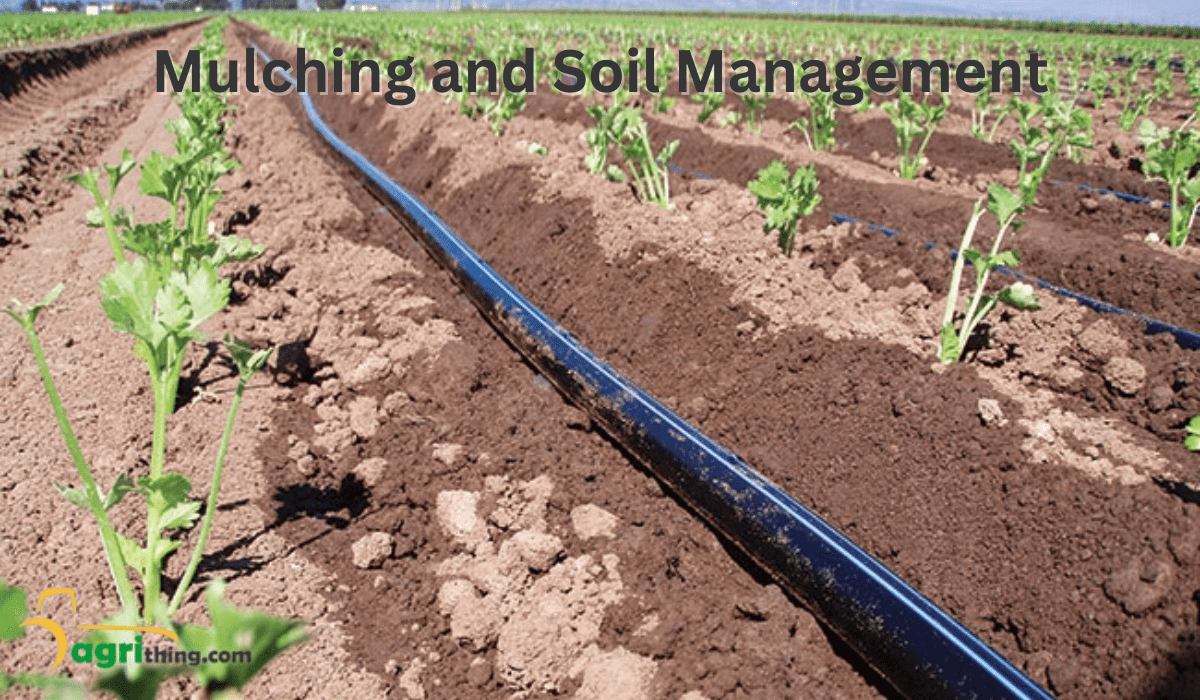
Mulching and Soil Management
Apply organic mulch around plants to reduce evaporation and conserve soil moisture.
Maintain proper soil structure through regular cultivation and amendment.
Implement soil conservation practices to prevent erosion and promote healthy root growth.
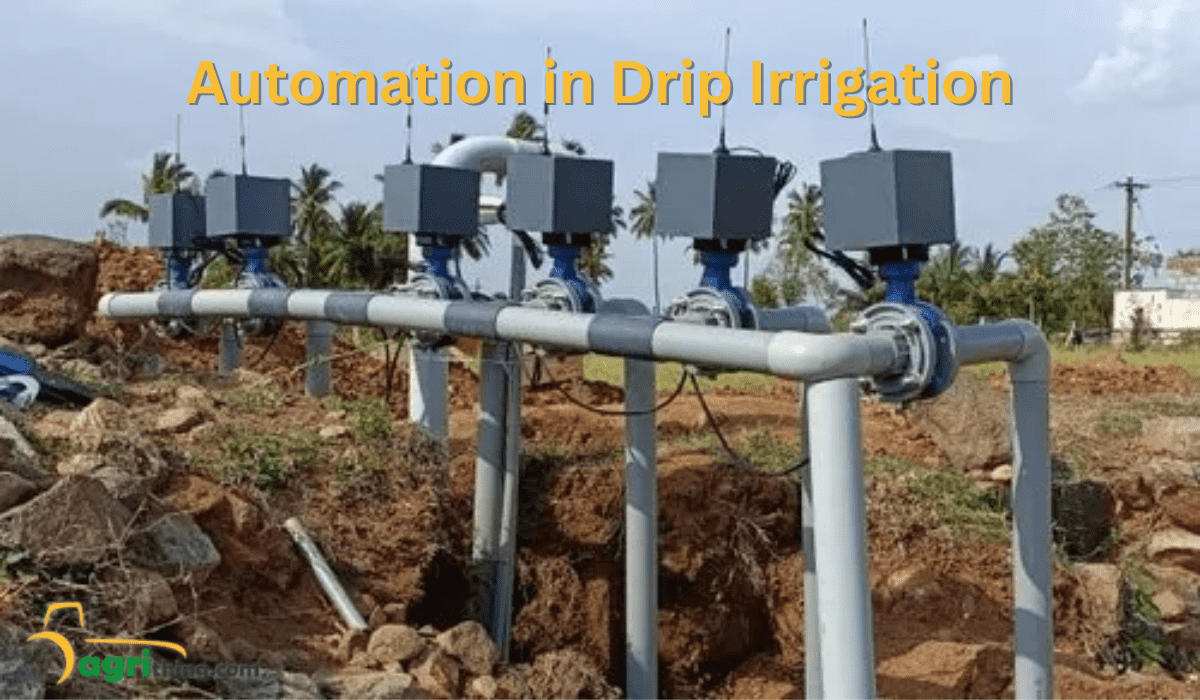
Mulching and Soil Management in drip irrigationConsider Automation drip irrigation
Consider Automation
Install automation and control systems to manage irrigation timing and duration.
Utilize weather-based controllers that adjust irrigation based on local weather conditions.
Use remote monitoring technology to track system performance and make adjustments as needed.
Educate and Train
Provide training to farmers and gardeners on drip irrigation techniques and best practices.
Educate users about the importance of water conservation and efficient irrigation methods.
Share resources and information on drip irrigation maintenance and troubleshooting.
Monitor Soil Moisture
Use soil moisture sensors or tensiometers to monitor the moisture level in the root zone.
Adjust irrigation frequency and duration based on the moisture readings.
Aim to keep the soil moisture within the optimal range for the specific grown plants.
Implement Zone Irrigation
Divide your irrigation system into zones based on plant water requirements.
Group plants with similar water need together in each zone.
Adjust each zone’s irrigation schedule and duration to avoid over or under-watering.
Consider Subsurface Drip Irrigation
Explore the option of subsurface drip irrigation (SDI) for specific crops or situations.
SDI reduces water loss through evaporation and minimizes weed growth.
It also allows for better control over water and nutrient delivery to the plant roots.
Regularly Inspect and Maintain Emitters
Check the emitters regularly for proper functioning and uniform water distribution.
Clean or replace clogged or damaged emitters to ensure optimal irrigation.
Use emitter flow rate regulators to maintain consistent water flow across the system.
Cover Ground Around Plants
Apply organic mulch around the base of plants to conserve moisture and suppress weed growth.
Mulch helps regulate soil temperature, reducing water evaporation from the soil surface.
It also improves soil structure and fertility over time.
Perform Regular System Audits
Conduct periodic audits to evaluate the overall efficiency of your drip irrigation system.
Check for leaks, pressure variations, or areas of inadequate coverage.
Make necessary adjustments or repairs to optimize system performance.
Consider Pressure Compensating Emitters
Pressure-compensating emitters deliver a consistent flow rate despite changes in water pressure.
They ensure uniform water distribution even in areas with varying topography or long irrigation lines.
Schedule Irrigation for Early Morning or Evening
Irrigate during the cooler parts of the day to minimize water loss due to evaporation.
Early morning or evening irrigation also reduces the risk of fungal diseases caused by prolonged moisture on plant foliage.
Finally, maximizing efficiency with drip irrigation is an ongoing process. Maximizing efficiency with drip irrigation requires careful planning and regular maintenance with proper water management. Monitor, assess, and adjust to ensure optimal water usage, healthy plants, and sustainable irrigation practices.
Remember, implementing these tips and tricks can optimize water usage, improve plant health, and promote sustainable agriculture practices.
Frequently Asked Questions(FAQs)
What are the advantages of drip irrigation over traditional irrigation methods?
Drip irrigation offers several advantages, including reduced water waste, improved plant health, precise water application, minimized weed growth, and efficient nutrient delivery.
How to maximize efficiency with drip irrigation?
By following all the above tips, you will know the secret of maximizing efficiency with drip irrigation.
How do I determine the appropriate spacing for drip lines and emitters?
The spacing of drip lines and emitters depends on soil type, plant water requirements, and water pressure. It is recommended to consult irrigation experts or refer to spacing guidelines provided by manufacturers.
Can I automate the drip irrigation system to adjust watering based on weather conditions?
Automation and control systems can be installed to adjust irrigation timing and duration based on local weather conditions. Weather-based controllers are particularly useful in optimizing water usage and adapting to changing weather patterns.
What maintenance tasks are required for drip irrigation systems?
Regular maintenance tasks for drip irrigation systems include inspecting and cleaning emitters and filters, checking for leaks or damaged tubing, and performing routine system audits to ensure optimal performance. Prompt repair of any issues is essential.
Is mulching necessary in drip irrigation systems?
Mulching is highly recommended in drip irrigation systems as it helps conserve soil moisture, suppress weed growth, regulate soil temperature, and improve soil structure and fertility over time. Organic mulch is commonly used for these purposes.
Maximizing efficiency with drip irrigation is crucial for water conservation and enhancing crop health and productivity. Farmers and gardeners can unlock the full potential of this irrigation method by mastering the components, design considerations, and maintenance practices. Learn “How to Maximize Efficiency with Drip Irrigation” to transform landscapes and promote a greener, more sustainable future.
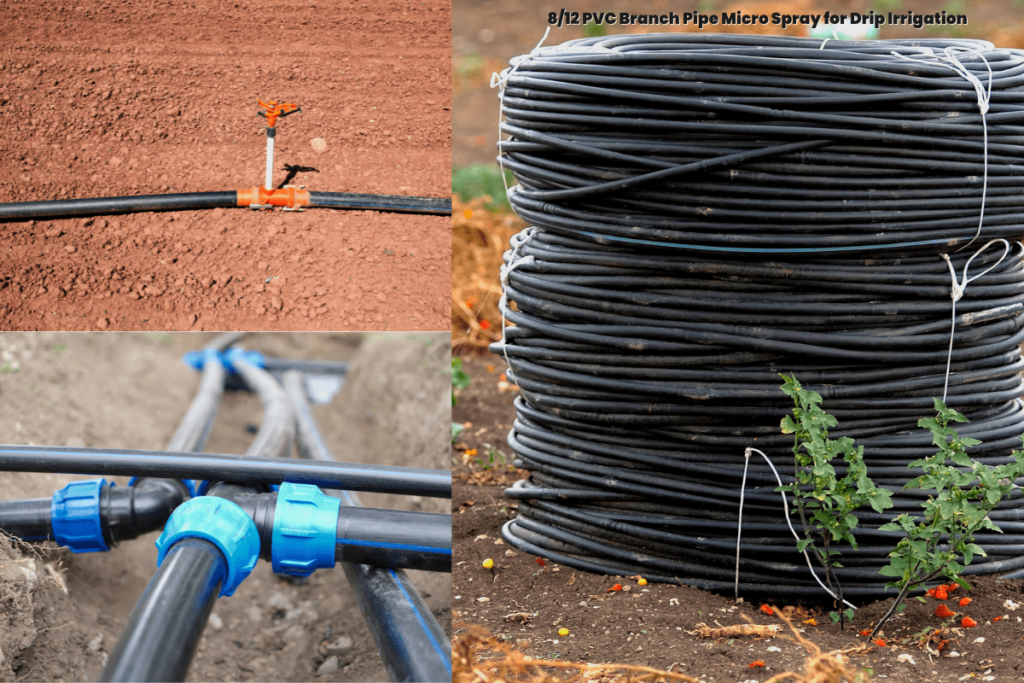
Get your 8/12 PVC Branch Pipe Micro Spray for Drip Irrigation, Garden Irrigation, and more at Agricomplex. Don’t wait, shop now!
Hydroponics is an excellent way to grow plants using water instead of soil. Drip irrigation is a unique method of providing water to the plants. It’s like giving them a little drink through tiny tubes. This article will provide more information about the Drip Irrigation system in Pakistan and how it contributes to the growth of plants in hydroponic systems. You will also learn how to establish and maintain a drop-by-drop irrigation system for your hydroponic garden.
What is Hydroponic?
Have you ever heard of growing plants without using soil? It’s called hydroponics, and it’s fantastic! An essential aspect of hydroponics in Pakistan is providing plants with water and nutrients uniquely through a drip irrigation system. It’s like giving them a drink directly to their roots. This article will teach you about the importance of the drip irrigation system in Pakistan and how it helps plants grow strong and healthy.
What is Drip Irrigation?
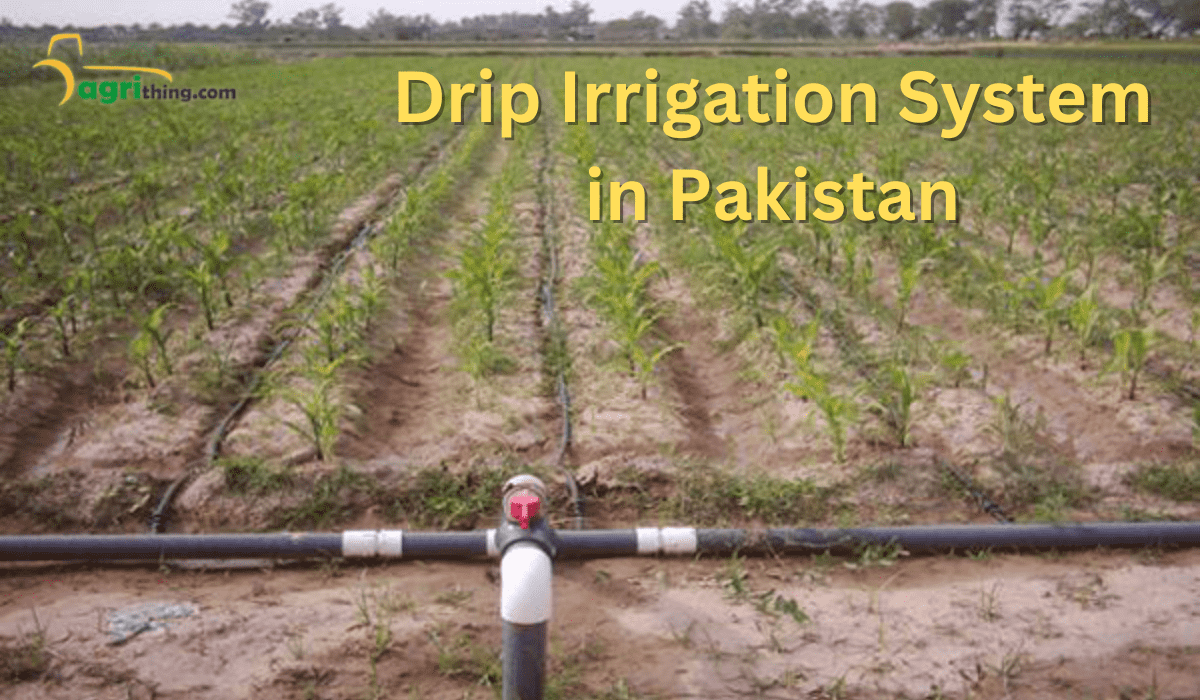
Do you know how plants are usually watered in Pakistan? Well, there’s a unique method called the drip irrigation system in Pakistan. Instead of flooding the entire area, water is delivered slowly and directly to the plants’ roots. It’s like giving them a little sip right where they need it. Trickle irrigation in Pakistan saves water, keeps plants healthy, and enables them to absorb all the necessary nutrients for growth.
Components of Drip Irrigation system
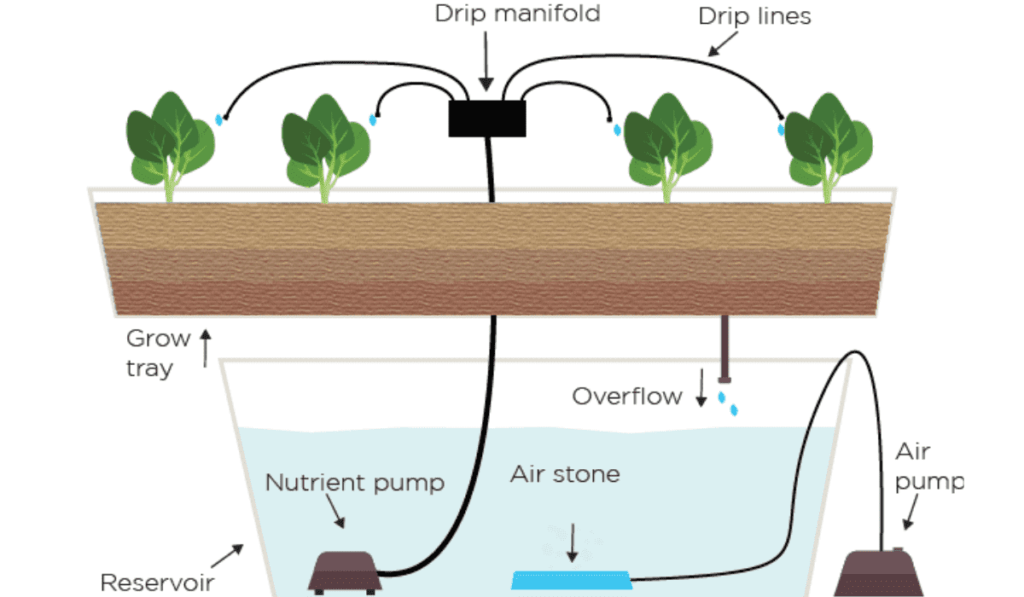
A Drop-by-drop irrigation system consists of the following components:
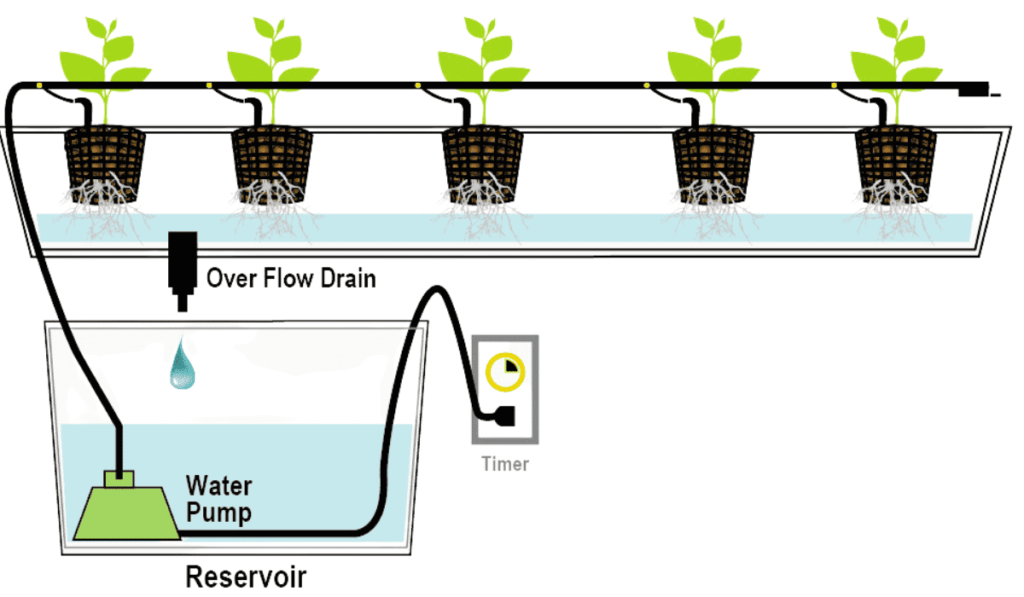
Water Source: A reliable water supply, such as a reservoir or water connection, is required for a Micro-irrigation system.
Pump: A pump may be necessary for larger setups to maintain proper water pressure and flow rate.
Filters: Filters remove debris, sediment, and other impurities that could clog the drip emitters.
Mainline: The mainline carries water from the source to the irrigation zone.
Distribution Lines: These lines deliver water from the mainline to the plants, often using polyethylene tubing.
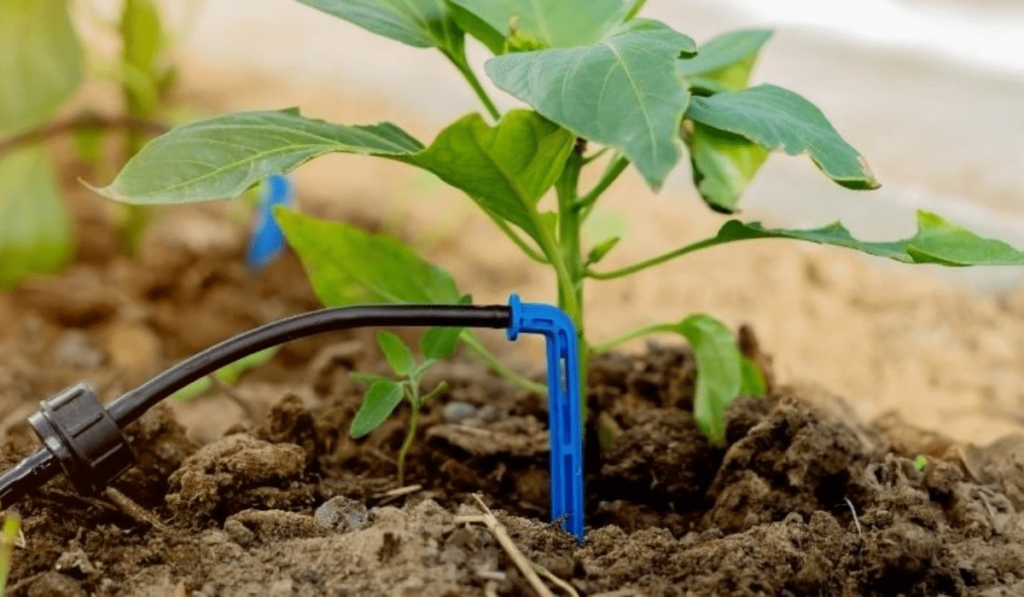
Emitters: Emitters are devices that control the flow rate and distribute water to individual plants.
Timer or Controller: A timer or controller automates the irrigation schedule and ensures consistent watering.
Variations of the Drip System:
Depending on how excess water is managed, drip systems have two main variations. These variations can be implemented in various configurations to suit specific circumstances.
Recirculating/Recovery Systems:
In drip hydroponic systems, only some of the water added to the growing medium is absorbed by the plant roots. There are two main variants of drip irrigation system in Pakistan based on how they handle this excess water. One variant is the recovery system, commonly used in smaller, home-based setups.
In a recovery system, the excess water in the growing medium can flow back into the reservoir. This approach is known for its efficient use of water and nutrients. However, it also has some disadvantages.
In the context of drip irrigation systems in Pakistan, one drawback is that the wastewater flowing back to the reservoir can affect the pH level of the water. Hence, regular maintenance is necessary for recovery systems. In Pakistan’s drip irrigation system, it is important to periodically check the reservoir water to ensure optimal pH and nutrient levels. Fortunately, this task is easier and more cost-effective, especially in smaller drip systems implemented in Pakistan.
Non-Recovery/Non-Circulating System:
In this type of drip system,
Known as the waste or non-recovery system, any extra water is discarded. Usually, wasting water and nutrients is not desirable, but drip systems are already highly efficient in water conservation, so the amount of waste is manageable.
Large farms and gardens often utilize this system. The individuals managing extensive plantations can use advanced timers to control the water supply, saving time precisely.
There’s another reason why the drip irrigation system in Pakistan is excellent for large farms. It requires less maintenance for the water tank. There’s no need to worry about recycled water altering the tank’s acidity level or nutrient composition.
In summary, the waste system is suitable for large farms because it helps save water and simplifies water tank maintenance.
Best plants for a drip irrigation system
A drip system is highly beneficial for cultivating various plants and herbs, providing precise control over water and nutrient distribution. It is compatible with different growing media, further expanding its versatility.
Here is a list of plants that thrive in a hydroponic drip system:
Lettuce
Leeks
Onions
Melons
Peas
Tomatoes
Radishes
Cucumbers
Strawberries
Zucchini
Pumpkins
Drip systems are particularly advantageous for larger plants that require substantial amounts of moisture. By using a slow watering method, these plants can receive adequate hydration and nutrition within a drip setup.
When implementing a drip irrigation system in Pakistan, using a slow-draining medium to achieve optimal outcomes is advisable. The most popular options in this category, such as Rockwool, peat moss, and coconut coir, are commonly used. However, drip irrigation system in Pakistan, alternative media like clay pellets, perlite, and gravel can also be employed successfully for effective plant growth.
Drip Irrigation in Hydroponic Systems
Hydroponics and the Drip Irrigation System in Pakistan make a great team because they work together well. Trickle irrigation helps plants in hydroponic systems in Pakistan grow better and stay healthy. It’s like giving the plants in the drip irrigation system in Pakistan exactly the right amount of water they need, and it helps them grow faster and more robust.
Advantages of Drip Irrigation in Hydroponics
Nutrient Delivery: Drop-by-drop irrigation systems are like magic tubes that deliver water and particular nutrients to the plant’s roots. This makes the plants happy and healthy, helping them grow strong and absorb all the good stuff they need to grow big and strong.
PH and EC Management:
Micro-irrigation in the drip irrigation system in Pakistan lets us quickly adjust the water’s pH and electrical conductivity levels to make it suitable for plants. This capability helps create the perfect environment for the plants in Pakistan’s drip irrigation system to grow happily and healthily. It’s like giving them a cozy home in Pakistan with just the right conditions!
Reduced Water Usage:
Did you know that the drip irrigation system in Pakistan, especially in hydroponics, helps save a lot of water? It’s much better than other systems that use excessive amounts of water. With micro-irrigation, we can provide the plants in Pakistan’s drip irrigation system with the precise amount of water they need to stay hydrated and healthy. It’s like a unique water-saving superpower.
Considerations for Drip Irrigation in Hydroponics
While Drop-by-drop irrigation offers numerous advantages, specific considerations are essential for successful implementation in hydroponic systems.
System Design:
When setting up our plant system, we have to think about important things like how much space each plant needs, where to put the water tubes, and what each type of plant likes. This helps us ensure that every plant gets what it needs to grow strong and happy!
Nutrient Delivery:
We must be careful and ensure our plant food has all the right stuff in it. Each plant is like a special friend and needs different things to grow well. So, we mix up exceptional plant food with exactly what each plant needs. This helps them stay healthy and grow super tall!
Regular Maintenance:
We must also take care of our drip irrigation system in Pakistan and the plant water system. We have to clean the little parts of the drip irrigation system in Pakistan that give water to the plants and ensure they’re not blocked. This way, the water can always reach the plants in the drip irrigation system in Pakistan, and they’ll be happy and hydrated!
Setting up a Drip Irrigation System for Hydroponics
Drip Irrigation System for HydroponicsHydroponics Drip Irrigation System
To set up a drip irrigation system in Pakistan for hydroponics, several steps should be followed to ensure an efficient and effective setup.
Choosing the Right Drip Irrigation System
When selecting a drip irrigation system in Pakistan, consider the following factors:
Flow Rate and Pressure:
When picking the special water sprinklers for your plant system, choose the ones that match how much water you want to give and how strong the water should come out. It’s like finding the perfect sprinkler for your garden.
Emitter Spacing:
Did you know that each type of plant likes to have its own space to grow? It’s true! When we set up our plant water system, we must choose suitable sprinklers and tubes that match how much space each plant needs.
Durability:
We must choose solid and strict parts when assembling our plant water system. These parts can handle challenging situations in our unique plant home. This way, our plant system will stay strong and keep working well, no matter what!
Designing the System Layout
Designing an appropriate layout is essential for optimizing water distribution and minimizing wastage. Consider the following aspects:
Plant Spacing:
Determine the spacing between plants and adjust the emitter and distribution line placement accordingly.
System Zoning:
Divide the hydroponic setup into irrigation zones based on plant varieties, growth stages, or specific water requirements.
Water Source Location:
Place the water source and pump near the irrigation system for easy access and maintenance.
Installing and Maintaining the System
Proper installation and regular maintenance are crucial for the long-term success of a drip irrigation system.
Installation:
Follow manufacturer guidelines and ensure proper connection of all components, including filters, mainlines, distribution lines, and emitters.
Flushing and Cleaning:
Regularly flush the system to prevent clogging and clean filters and emitters to maintain optimal water flow.
Periodic Inspections:
Check for leaks, damaged components, or any signs of reduced water flow. Address issues promptly to avoid crop damage.
Best Practices for Drip Irrigation in Hydroponics
To maximize the benefits of Micro-irrigation in hydroponics, following best practices for efficient water and nutrient management is essential.
Monitoring and Adjusting Irrigation Levels
Regularly monitor soil moisture levels and adjust the irrigation schedule accordingly. Factors such as plant growth stage, temperature, and humidity influence water requirements.
Proper Water Filtration
Install and maintain appropriate filters to remove waste, deposits, and other impurities that can clog emitters. Clean or replace filters as needed to ensure uninterrupted water flow.
Preventing Clogging and Algae Growth
We must take some special steps to keep our drip irrigation system in Pakistan healthy and clean. First, we use filters to catch unpleasant things that could stop our system. Then, we flush out the system with water regularly to keep it fresh and clean. We also treat the water with great stuff to ensure no icky algae grows. These steps help our plants stay happy, and our water system works smoothly.
Pros and Cons of Drip Irrigation for Hydroponic Systems
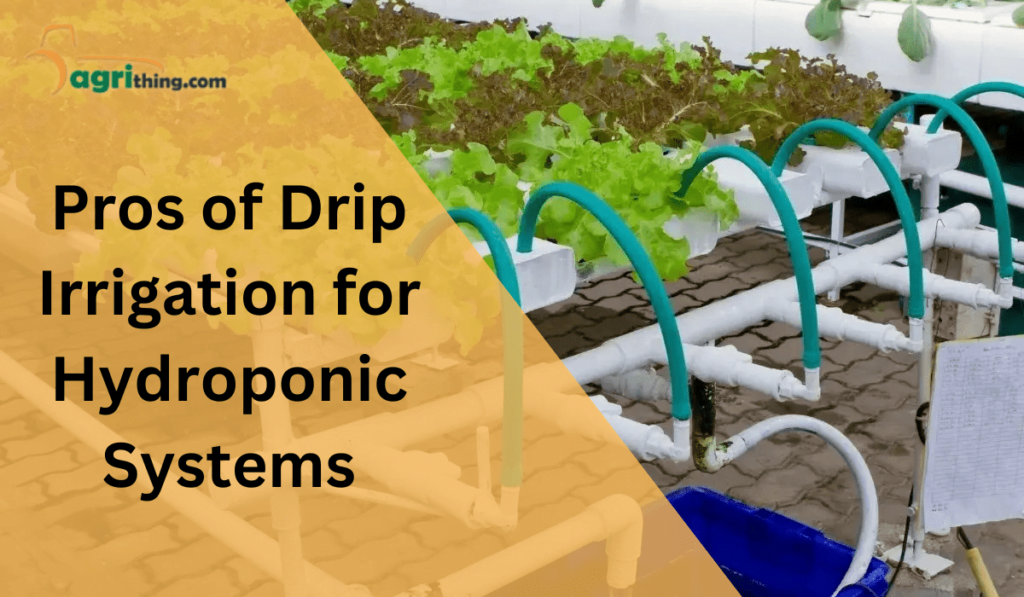
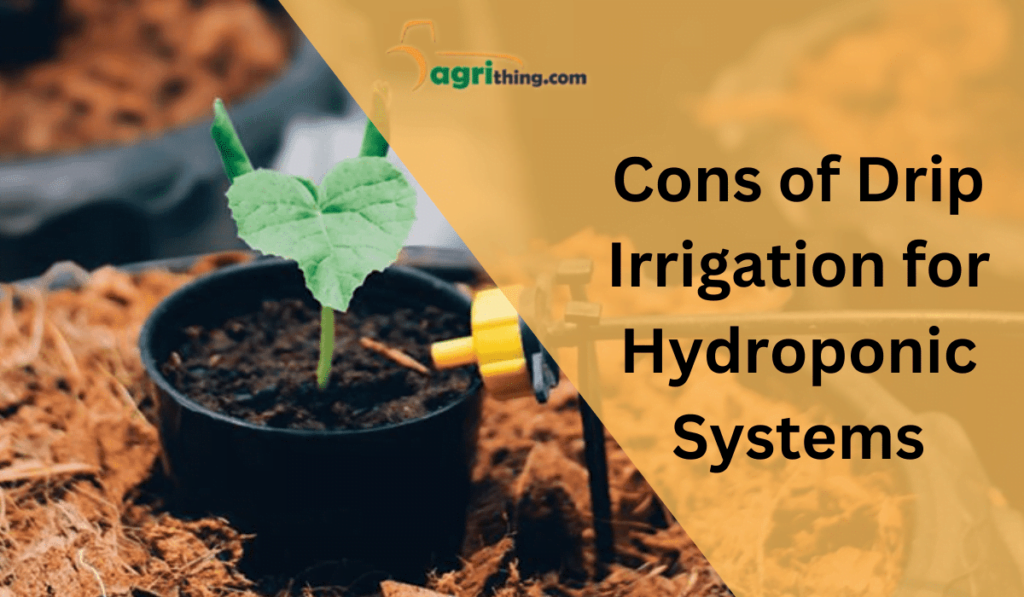
Pros of Drip Irrigation for Hydroponic SystemsCons of Drip Irrigation for Hydroponic Systems
Pros
Cons
Precise water and nutrient delivery to plants
Initial setup costs can be higher than other systems
Efficient water usage, reducing waste
Requires regular maintenance and monitoring
Reduced risk of overwatering and waterlogging
Potential clogging of drip emitters
Lower labor requirements for watering
Requires a reliable water source
Flexibility in adjusting water and nutrient delivery
Sensitivity to water quality and pH
Minimizes the risk of foliar diseases
Requires proper filtration to prevent clogs
Suitable for a wide range of plant types and sizes
Potential uneven distribution of water and nutrients
Can be automated for consistent and precise irrigation
Not suitable for certain crop varieties
Conclusion
Drip irrigation System in Pakistan is a superb way to water plants in a specific plant home. It delivers clean water and nutrients right where the plants need them and helps save water too! Using Micro-irrigation makes plants grow well and saves resources. If we learn about the essential parts and factors to consider, we can use the drip irrigation system in Pakistan in our plant home and experience all its benefits.
Get your 8/12 PVC Branch Pipe Micro Spray for Drip Irrigation, Garden Irrigation, and more at Agricomplex. Don’t wait, shop now!
Can drip irrigation be used for all types of plants in hydroponics?
Customization of Micro-irrigation systems is essential to meet the specific requirements of different plant varieties in hydroponics.
How often should I water my hydroponic plants using Drop-by-drop irrigation?
Monitor soil moisture levels and adapt watering frequency based on plant species, growth stage, and environmental conditions.
Is drip irrigation expensive to set up in hydroponics?
The initial investment in a Micro-irrigation system for hydroponics may vary, but its long-term water and resource-saving advantages surpass the costs.
Can I reuse the nutrient solution with drip irrigation in hydroponics?
Regular monitoring and adjustment of nutrient levels are essential for maintaining optimal plant nutrition through recirculating and reusing nutrient solutions in Micro-irrigation.
Can I automate a drip irrigation system for hydroponics?
Micro-irrigation systems can be automated using timers or controllers. Automation allows for precise control over watering schedules and ensures consistent delivery of water and nutrients.
How does drip irrigation work in hydroponic systems?
Drip irrigation in hydroponic systems involves delivering nutrient-rich water directly to the plant roots through a network of tubes with emitters.
What are the benefits of using drip irrigation in hydroponic cultivation?
The benefits of using Micro-irrigation in hydroponic cultivation include: Efficient water and nutrient delivery. Reduced water usage. Minimized nutrient waste. Improved plant growth and yield.
Can drip irrigation be used for all types of hydroponic plants?
Dip irrigation can be used for all hydroponic plants, providing clear water and nutrient delivery to support their growth.
What is the recommended drip irrigation system for hydroponics?
The recommended Micro-irrigation system for hydroponics is a well-designed system with quality components, such as pressure-compensating emitters and a reliable timer, tailored to the specific needs of the cultivated plants.
How often should I water my hydroponic plants with drip irrigation?
Hydroponic plants with Drop-by-drop irrigation should be watered regularly, typically 2-4 times daily, depending on the specific plant’s needs and environmental conditions.